Earrings for Newly Pierced Ears: Budget & Value Guide
Discover the true cost of earrings for newly pierced ears. Compare material grades, pricing tiers, and hidden value to heal safely on a budget.

The True Cost of "Cheap" Starter Jewelry
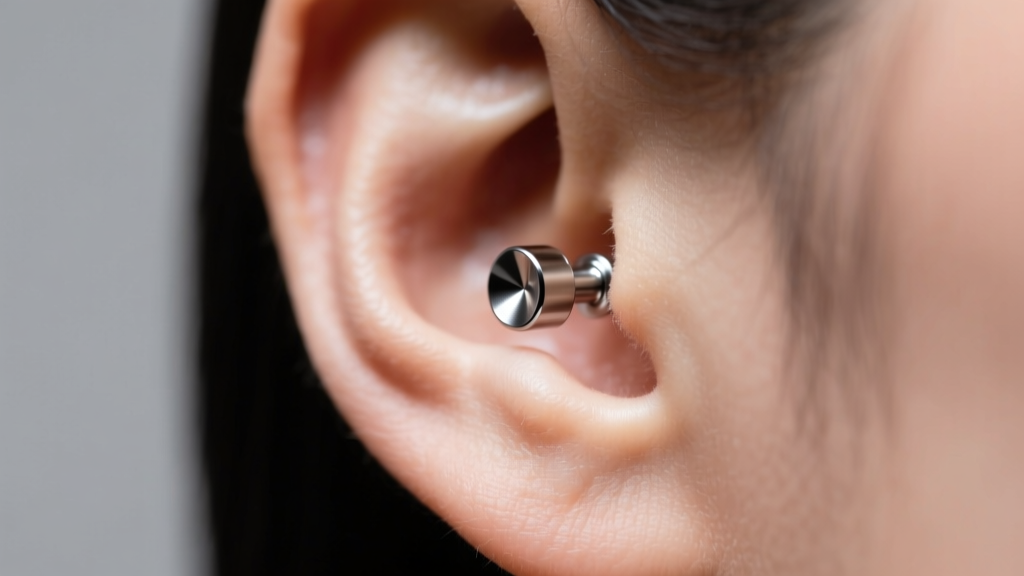
When evaluating earrings for newly pierced ears, the initial price tag is only a fraction of the total cost of ownership. A fresh piercing is fundamentally a puncture wound, and the human immune system is highly reactive to foreign objects introduced into the dermis and cartilage. Many consumers attempt to save money by purchasing $5 to $10 "starter" earrings from mall kiosks or fast-fashion retailers, unaware that these budget options frequently trigger adverse biological responses.
The concept of "value" in body jewelry must be assessed through the lens of biocompatibility and healing efficiency. A cheap earring that causes contact dermatitis, localized infection, or hypertrophic scarring ultimately costs significantly more than a premium, medically graded alternative. Factoring in the cost of topical antibiotics, dermatologist copays, and the potential need for professional intervention to remove embedded jewelry, the true cost of a low-quality earring can easily exceed $150. Therefore, assessing the budget for newly pierced ears requires a shift from upfront pricing to long-term healing value.
Material Tier List: Where to Spend and Where to Save
To maximize your budget without compromising tissue health, you must understand the metallurgy of body jewelry. Not all metals are created equal, and the alloy composition dictates how your body will react during the critical 6-to-12-week initial healing phase.
- Tier 1: Implant-Grade Titanium (ASTM F-136 or F-1295) - This is the undisputed champion of value for fresh piercings. Priced typically between $15 and $35 per stud, it is entirely nickel-free, highly polished, and biologically inert. It offers the best balance of affordability and medical safety.
- Tier 2: Niobium (99.99% Pure) - Similar to titanium in its hypoallergenic properties, niobium is an excellent alternative, though slightly less common in standard stud formats. It usually falls in the $20 to $40 range.
- Tier 3: Solid 14k or 18k Gold - For those with a higher budget ($60 to $150+), solid gold alloyed specifically for body jewelry (nickel-free, usually alloyed with silver or palladium) is a premium choice. However, it offers no biological advantage over titanium; you are paying strictly for aesthetics and precious metal value.
- Tier 4: The "Avoid" List - Sterling silver, plated metals, and "surgical steel" should never be worn in unhealed tissue. The money spent on these is entirely wasted due to the high probability of adverse reactions.
The "Surgical Steel" Trap
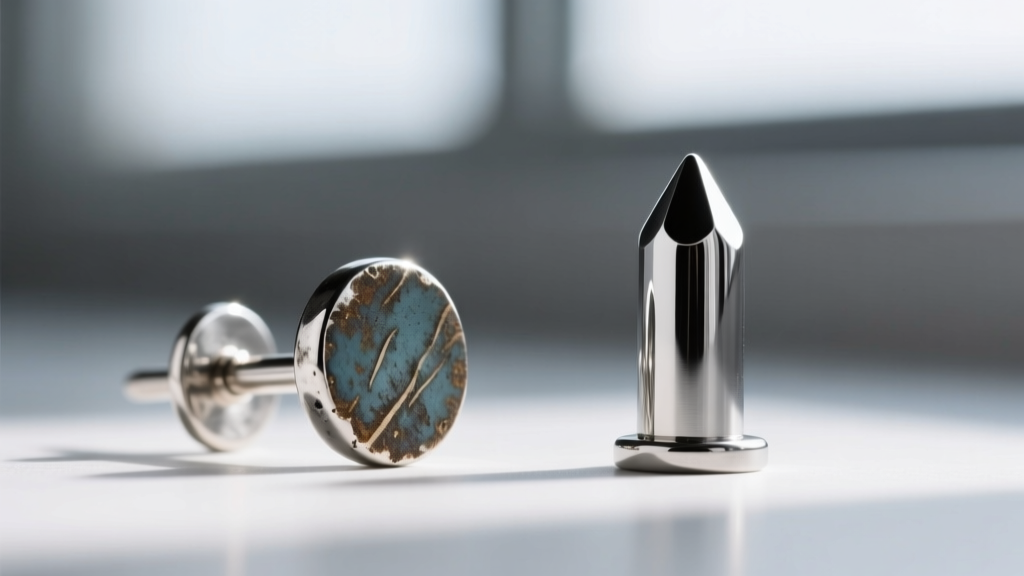
One of the most pervasive marketing myths in the jewelry industry is the term "surgical steel." According to the Association of Professional Piercers (APP), the term is largely unregulated and often refers to 316L stainless steel. While 316L is fine for surgical instruments that are used briefly and sterilized, it is entirely inappropriate for long-term implantation in a healing wound.
316L stainless steel contains between 8% and 10% nickel. When exposed to the saline environment of a weeping, healing piercing, the steel can leach nickel ions directly into the bloodstream. The American Academy of Dermatology notes that nickel is the most common cause of allergic contact dermatitis. A reaction to nickel in a fresh piercing can lead to chronic inflammation, delayed healing, and permanent sensitization, meaning you may never be able to wear certain metals again. Spending $20 on genuine ASTM F-136 titanium instead of $12 on 316L steel is a critical investment in your long-term health.
Sizing Specifications That Impact Healing Value
Value is not just about the metal; it is also about the mechanical design and dimensions of the earring. Standard "butterfly back" or "friction back" earrings are fundamentally flawed for newly pierced ears. The butterfly clutch traps dead skin cells, sebum, and bacteria against the wound bed, creating a breeding ground for infection. Furthermore, the posts on commercial earrings are often too short to accommodate the natural swelling that occurs in the first 72 hours post-piercing.
Optimal Gauge and Post Length
To ensure proper healing, you must purchase jewelry with specific dimensions. For standard earlobe piercings, the initial jewelry should be 18-gauge (1.0mm) or 16-gauge (1.2mm), even if the piercing needle was 20-gauge. A thicker post provides stability and reduces the "cheese-cutter effect," where thin wire migrates through the tissue. For cartilage piercings (like the helix or tragus), 16-gauge is the absolute minimum standard.
Post length is equally vital. A standard lobe requires an initial post length of 5/16" (8mm) to 3/8" (10mm) to allow for edema (swelling). Cartilage may require 1/4" (6mm) to 5/16" (8mm) depending on the specific anatomy and tissue thickness. Once the swelling subsides (usually around 3 to 4 weeks), you must "downsize" to a shorter post (typically 3/16" or 5mm for lobes) to prevent the jewelry from snagging on hair and clothing.
Budget vs. Premium: Price Comparison Chart
Below is a breakdown of what you should expect to pay for high-quality, safe earrings for newly pierced ears in the current market. Prices reflect single studs (most high-end body jewelry is sold individually, not in pairs).
| Material & Style | Average Price (Per Stud) | Biocompatibility Rating | Value Assessment |
|---|---|---|---|
| Implant-Grade Titanium (Plain Ball) | $12 - $18 | Excellent (10/10) | Highest overall value for healing |
| Implant-Grade Titanium (Gemmed) | $20 - $35 | Excellent (10/10) | Best value for aesthetic preference |
| Solid 14k Gold (Plain Ball) | $55 - $85 | Very Good (8/10) | Poor functional value, high aesthetic value |
| Solid 18k Gold (Gemmed) | $90 - $160+ | Very Good (8/10) | Luxury tier; no biological advantage over Ti |
| "Surgical Steel" (316L) | $5 - $15 | Poor (2/10) | Negative value due to complication risks |
The Hidden Costs of Poor Value Choices
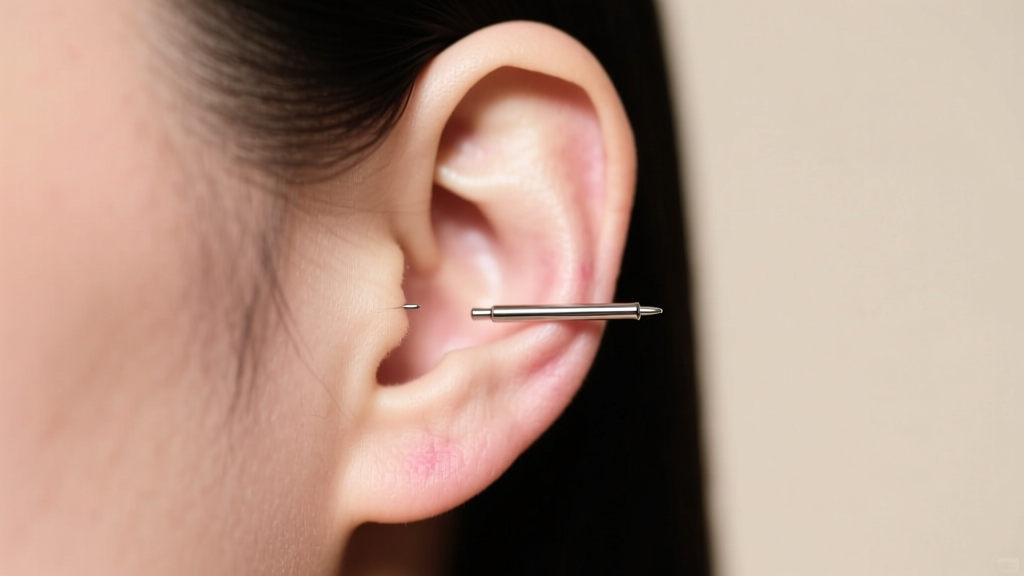
When building a budget for your piercing journey, it is crucial to account for the hidden costs associated with subpar jewelry. If you opt for cheap, poorly polished metals or improper backing mechanisms, you are likely to encounter the following financial drains:
- Medical Intervention: A localized infection or severe allergic reaction may require a visit to urgent care or a dermatologist. Copays and prescription topical or oral antibiotics can easily add $50 to $200 to your total expenditure.
- Professional Downsizing Fees: High-quality initial jewelry is intentionally left long to accommodate swelling. If you buy cheap earrings that lack professional threading, you may struggle to change them yourself, requiring a visit to a professional piercer who will charge a $10 to $25 bench fee for downsizing.
- Jewelry Replacement: Cheap gold-plated or silver earrings will tarnish, degrade, or lose their gemstones within weeks of exposure to wound exudate and saline aftercare sprays. You will inevitably have to purchase a second pair of earrings, negating any initial savings.
- Scar Tissue Management: Chronic irritation from poor jewelry mechanics (like butterfly backs pressing into the skin) can cause hypertrophic scarring or "piercing bumps." Treating these requires specialized aftercare products, warm saline compresses, and sometimes professional consultation, costing both time and money.
Final Verdict: Maximizing Your Healing Investment
When shopping for earrings for newly pierced ears, the most financially sound decision is to purchase internally threaded or press-fit (threadless) flat-back labret studs made from ASTM F-136 implant-grade titanium. By spending an extra $10 to $20 upfront for medically certified materials and proper mechanical design, you effectively immunize yourself against the vast majority of healing complications.
True value in body jewelry is measured by a smooth, predictable healing process. Avoid the false economy of fast-fashion accessories and unregulated metals. Invest in certified titanium, ensure your post length accommodates initial swelling, and rely on professional-grade mechanics to secure the jewelry. Your ears—and your wallet—will thank you when the healing process is complete and you are ready to transition to your permanent, decorative jewelry collection.


