Halo Earrings: Earrings That Maximize Sparkle on a 2026 Budget
Discover the true value of halo earrings in 2026. Compare lab-grown diamonds, moissanite, and CZ, plus metal grades and prong durability for smart buying.

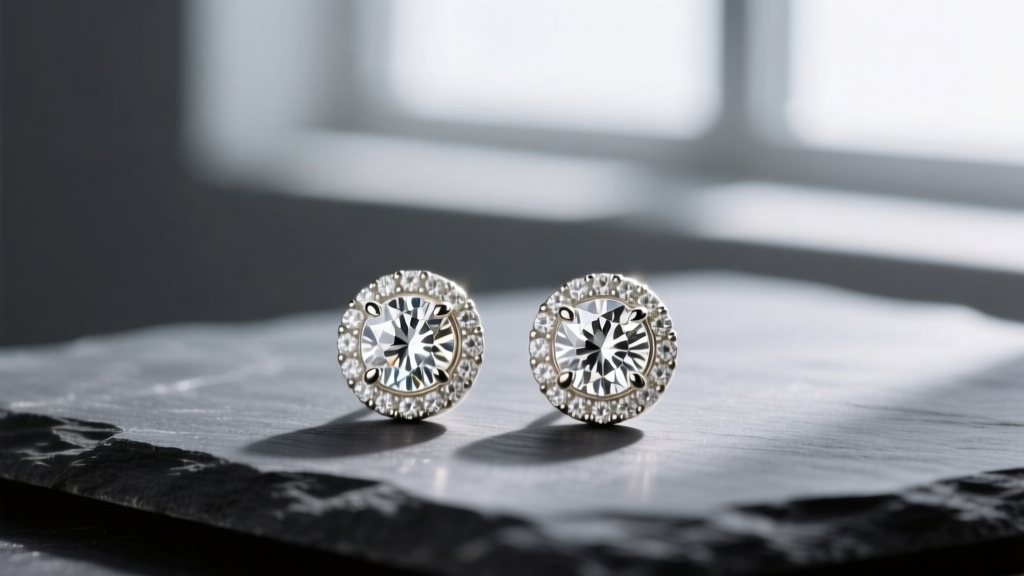
The halo setting remains one of the most sought-after designs in fine jewelry, offering a brilliant optical illusion that makes the center stone appear significantly larger. However, when evaluating halo earrings, earrings buyers must look past the initial glitter and scrutinize the structural integrity and material grades. A halo is not just a single stone; it is a complex architectural feat of micro-pavé setting. In 2026, with the market flooded by varying qualities of lab-grown diamonds, moissanite, and advanced simulants, understanding the true cost-to-value ratio is critical. This comprehensive budget and value assessment will help you navigate metal alloys, gemstone hardness, and prong failure modes to ensure your investment withstands daily wear.
The Anatomy of Value: Center Stone vs. Halo Pavé
The primary value driver in any halo earring is the center stone, but the halo itself—typically composed of 12 to 20 melee stones ranging from 1.0mm to 1.5mm in diameter—adds substantial cost and complexity. Budget buyers often make the mistake of prioritizing the center stone's carat weight while ignoring the quality of the halo melee. Low-grade melee stones are often single-cut (featuring only 17 or 18 facets) rather than full-cut (57 or 58 facets), resulting in a dull, glassy halo that undermines the brilliance of the center stone.
The Mohs Scale & Daily Wear Tear
Because halo earrings sit on the side of the face, they are highly susceptible to accidental impacts, hair snagging, and friction. The Gemological Institute of America (GIA) emphasizes the importance of the Mohs scale of mineral hardness when selecting stones for everyday wear. Understanding how different materials degrade over time is the cornerstone of budget assessment.
- Cubic Zirconia (CZ): Ranking at 8 to 8.5 on the Mohs scale, CZ is highly susceptible to micro-scratches. Within 12 to 18 months of daily wear, the facet edges will abrade, and the stone will attract oils, leading to a cloudy, lifeless appearance. CZ halo earrings are strictly a short-term fashion purchase, not a long-term value investment.
- Moissanite: Ranking at 9.25, lab-created moissanite is exceptionally durable. However, it is doubly refractive (refractive index of 2.65), which creates a "disco ball" effect. While visually striking, this intense fire can sometimes overpower the delicate subtlety of a micro-pavé halo.
- Lab-Grown Diamonds (LGD): Ranking at a perfect 10, LGDs possess the exact physical and optical properties of mined diamonds (single refraction, RI of 2.42). In 2026, the price of LGD melee has dropped significantly, making lab-grown diamond halos the undisputed champions of long-term value and optical performance.
Metal Alloys: Where Budgets Break or Hold
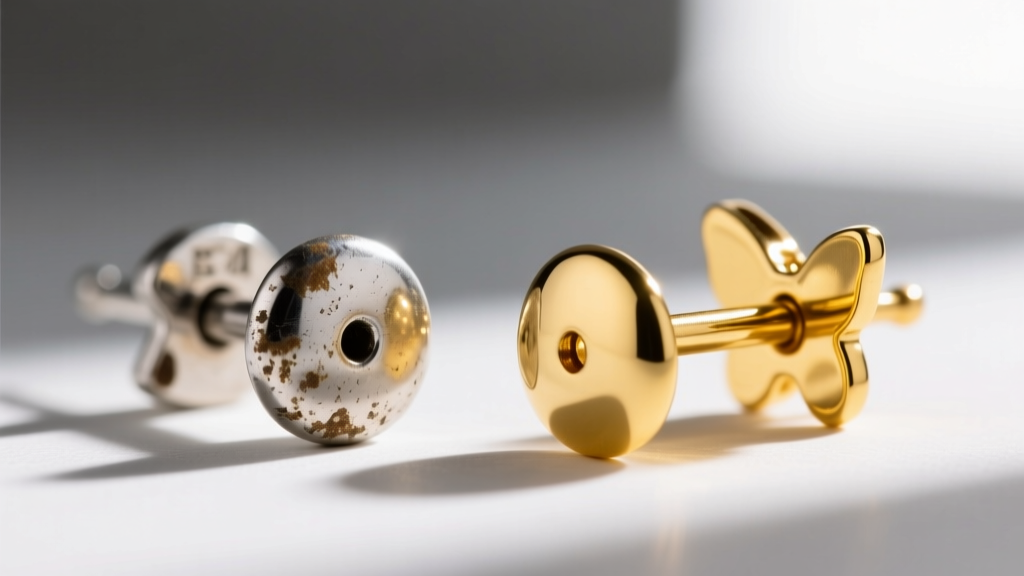
The metal used to cast the halo and the earring post dictates both the longevity of the piece and the safety of your piercing. Budget brands frequently cut corners by using thin gold plating over base metals, which inevitably leads to tarnish, allergic contact dermatitis, and catastrophic prong failure.
According to the Federal Trade Commission (FTC) Jewelry Guides, the term "vermeil" is strictly regulated. To be legally sold as vermeil, the base must be sterling silver (92.5% pure silver), and the gold plating must be at least 10k fineness and a minimum of 2.5 microns thick. While vermeil is a step up from standard gold-plated brass, the friction of putting on and taking off earrings will wear through a 2.5-micron layer within one to three years, exposing the silver underneath to sulfur and oxygen, resulting in black tarnish.
Metal Grade Comparison Chart
| Metal Grade | Composition | Tarnish Risk | Micro-Prong Durability | Value Verdict |
|---|---|---|---|---|
| Gold Vermeil | 2.5μm Gold over Ag925 | High (1-3 years) | Poor (Prongs snap easily) | Low (Short-term wear only) |
| 10k Solid Gold | 41.7% Gold, 58.3% Alloys | Moderate | Good (Stiff but brittle) | Medium (Budget-friendly) |
| 14k Solid Gold | 58.5% Gold, 41.5% Alloys | Very Low | Excellent (Ideal balance) | High (The sweet spot) |
| Platinum (Pt950) | 95% Platinum, 5% Ruthenium | None | Superior (Malleable, holds stones) | Premium (Heirloom quality) |
For the best balance of budget and longevity, 14k solid gold is the optimal choice. Furthermore, pay attention to the earring post gauge. Standard stud posts are 20-gauge (0.81mm thick). However, a halo setting adds significant weight and surface area. If you are purchasing halo drop earrings or large 1.5ctw halo studs, insist on an 18-gauge (1.02mm) post to prevent the earring from drooping forward and stretching your earlobe over time.
Prong Architecture & Failure Modes
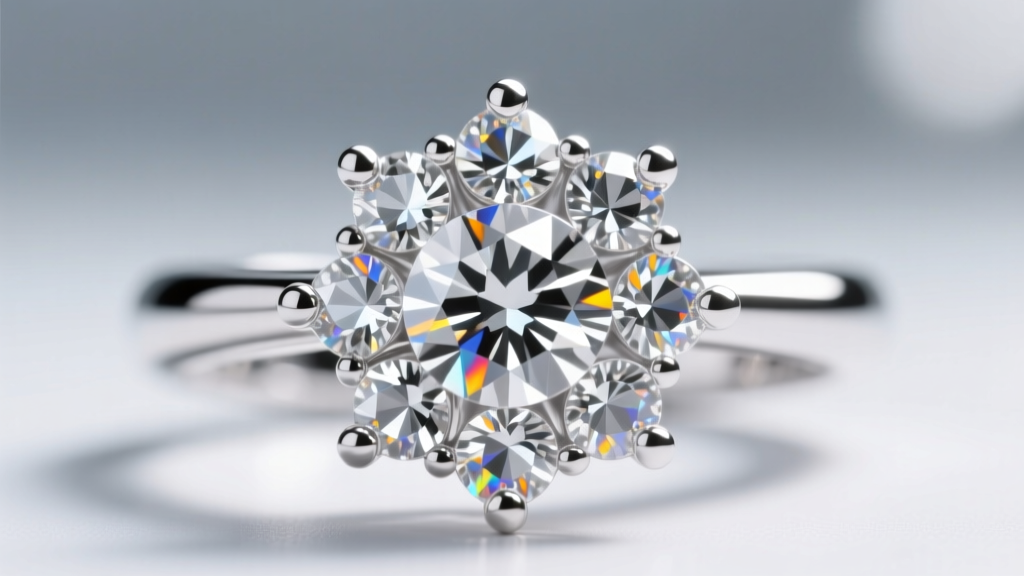
The most common point of failure in budget halo earrings is the loss of melee stones. The halo relies on micro-prongs, which are incredibly small—often measuring just 0.6mm to 0.8mm in thickness. If these prongs are cast in cheap silver or low-karat gold, they lack the tensile strength to withstand the torque of daily life.
There are two primary setting styles used in halo earrings:
- Shared Prong Setting: Adjacent stones share a single prong. This maximizes light entry and creates a continuous ribbon of sparkle. However, if one shared prong bends or snaps, you risk losing two stones instead of one.
- Micro-Pavé (Bead Setting): The stones are set into holes drilled directly into the metal, and tiny beads of metal are pushed over the girdle of the stone using a beading tool. This is the most secure method for halo melee, provided the jeweler uses a high-quality alloy that won't crack during the beading process.
Pro-Troubleshooting Insight: Never put budget or vintage halo earrings into a 40kHz ultrasonic cleaner. The high-frequency vibrations can easily shake loose micro-pavé stones if the prongs have experienced even minor wear. Instead, clean your halo earrings using a soft baby toothbrush, warm water, and a drop of mild dish soap, brushing gently from the back of the setting to push debris out from behind the pavé.
2026 Pricing Tiers: What Should You Actually Pay?
To assess value, you must understand the current market pricing for a standard pair of 1.00 Carat Total Weight (ctw) halo stud earrings (featuring two 0.40ct center stones and 0.10ct of melee per ear).
The $50 - $150 Tier (Simulants & Plated Metals): Features CZ or low-grade moissanite set in gold vermeil or plated brass. Expect to replace these every 1-2 years due to stone clouding or metal tarnish. Value is purely aesthetic and temporary.
The $300 - $600 Tier (Lab-Grown & Solid 14k): The ultimate value sweet spot. Features IGI or GIA-certified lab-grown diamonds (VS clarity, F-G color) set in solid 14k white or yellow gold with secure bead-set micro-pavé. These offer lifelong durability and indistinguishable optical performance from mined diamonds.
The $1,500+ Tier (Mined Diamonds & Platinum): Reserved for buyers who place intrinsic value on the geological origin of natural diamonds or require the hypoallergenic, ultra-dense properties of Pt950 platinum for severe metal sensitivities.
Final Verdict: Maximizing Your Halo Investment
When shopping for halo earrings, the illusion of size should never compromise structural integrity. The true value of a halo earring lies in the synergy between a durable center stone (lab-grown diamond or high-grade moissanite), a resilient metal alloy (14k solid gold or platinum), and expertly crafted micro-prongs. By avoiding the hidden costs of tarnished vermeil and clouded CZ, you can allocate your budget toward a pair of earrings that will maintain their brilliance and structural security for decades. Always request a loupe inspection of the halo melee before purchasing, ensuring the stones are full-cut and the metal beads are smooth, symmetrical, and securely gripping the girdle of every single stone.


