Plug Earring Troubleshooting: Fixing Blowouts and Thinning Lobes
Learn how to troubleshoot common plug earring issues. Expert fixes for blowouts, thinning lobes, odor, and tearing to keep your stretched ears healthy.

Stretching your ears is a meticulous journey of patience, tissue biology, and precise body modification. When you insert a plug earring into a stretched fistula, you are interacting with living tissue that requires specific care, proper material grades, and a deep understanding of anatomical limits. While the aesthetic appeal of stretched lobes is undeniable, the path is often fraught with complications ranging from minor irritation to severe tissue damage. In 2026, the body modification community has moved far beyond the dangerous practices of the past, favoring slow, mindful stretching and high-quality jewelry. However, mistakes still happen. Whether you are dealing with a sudden blowout, the dreaded 'cat ear' thinning effect, or persistent odor, this comprehensive troubleshooting guide will help you diagnose the issue and restore your lobe health.
The Anatomy of a Blowout: Why Your Plug Earring is Causing Damage
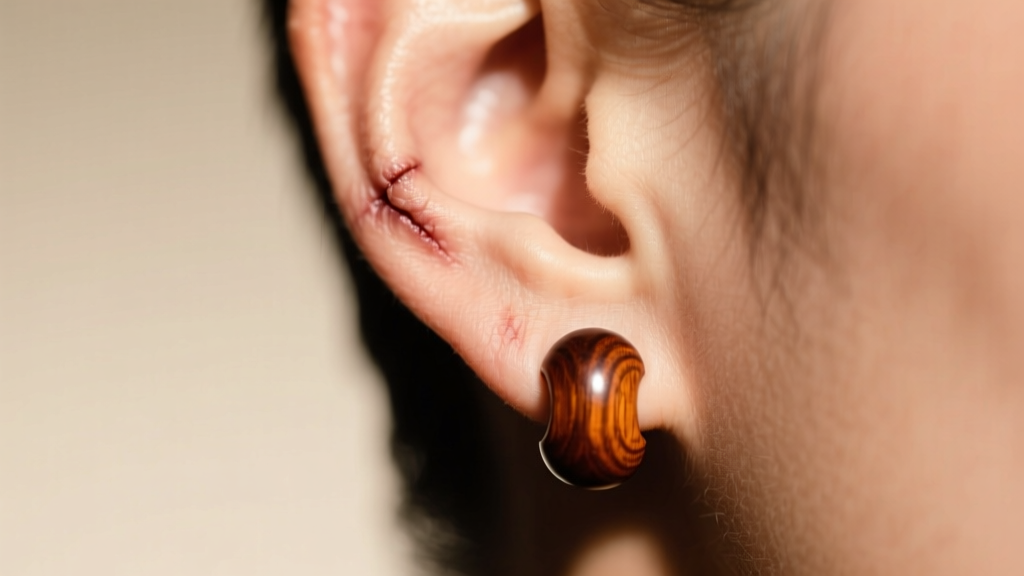
A blowout is arguably the most feared complication in ear stretching. It occurs when the fistula—the tube of healed skin lining your piercing—is forced to expand faster than it can generate new cellular tissue. Instead of stretching, the tissue tears microscopically and pushes outward, effectively turning the inner lining of the piercing inside out. This creates a painful, swollen ring of scar tissue behind the lobe.
Common Causes of Blowouts
- Sizing Up Too Quickly: Skipping sizes or failing to wait the mandatory 3 to 6 months between stretches forces the tissue past its elastic limit.
- Using Tapers for Insertion: Acrylic or steel tapers act like wedges, applying uneven, directional pressure that shears the fistula. The modern standard is to use PTFE (Teflon) tape or insertion tapers strictly as guides, not as stretching tools.
- Improper Flare Types: Forcing a double-flared plug earring into a lobe that is not 100% healed at that specific size will scrape and tear the delicate inner tissue.
Expert Insight: If you experience a sharp, stinging pain while inserting a new size, stop immediately. Pain is your body's biological alarm system signaling that the cellular matrix is tearing, not stretching.
Troubleshooting Thinning Lobes and the 'Cat Ear' Effect
Thinning lobes, often referred to in the community as the 'cat ear' effect, happen when the bottom edge of the stretched fistula loses its structural integrity. Instead of a plump, circular lobe, the tissue forms a sharp, inverted 'V' shape. This is almost entirely a physics problem related to gravity and material density.
The Weight Factor
Wearing heavy stone, thick glass, or dense metal plug earring styles for extended periods places constant downward traction on the inferior edge of the fistula. Over time, the collagen and elastin fibers break down under the chronic stress, leading to permanent thinning. According to guidelines from the Association of Professional Piercers (APP), giving your lobes 'holidays'—periods where you wear ultra-lightweight jewelry or downsize slightly—is crucial for long-term tissue retention.
Corrective Actions for Thinning
- Switch to Lightweight Materials: Transition to silicone, hollow wood, or lightweight titanium to relieve downward pressure.
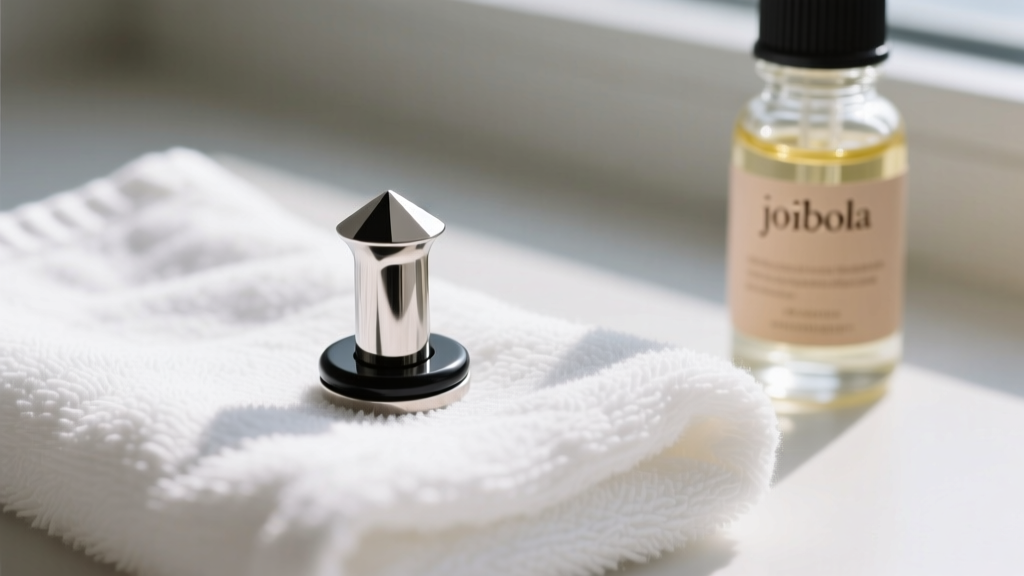
- Lobe Massage: Apply pure, unrefined jojoba oil or vitamin E oil daily. Massage the lobe gently for 3-5 minutes to stimulate blood flow and encourage collagen production.
- Downsize Temporarily: Dropping down one or two sizes (e.g., from 00g to 0g) for a few months allows the tissue to retract and thicken naturally.
Material Reactions: When Your Jewelry Causes Odor or Irritation
'Ear cheese'—the colloquial term for the foul odor emanating from stretched ears—is caused by a buildup of dead skin cells, sebum, and bacteria trapped between the skin and the jewelry. While some odor is natural, a pungent smell accompanied by redness or weeping indicates a material incompatibility or a porous surface harboring microbial growth.
Material Porosity and Healing Suitability
Not all materials are created equal. Organic materials are beautiful but highly problematic for healing or irritated lobes. The APP's material safety guidelines heavily emphasize the use of non-porous, biocompatible metals and glass for compromised tissue.
| Material | Porosity | Weight Profile | Best Use Case |
|---|---|---|---|
| Implant-Grade Titanium (ASTM F-136) | Non-Porous | Medium | Fresh stretches, blowouts, irritated lobes |
| Borosilicate Glass | Non-Porous | Heavy | Healed lobes, short-term wear, taping |
| 316L Surgical Steel | Non-Porous | Heavy | Fully healed lobes only (nickel risk) |
| Organic Wood / Bone | Highly Porous | Light | Fully healed, dry lobes only |
| Platinum-Cured Silicone | Non-Porous | Ultra-Light | Sleeping, sports, thinning lobe recovery |
Step-by-Step Recovery Protocol for Stretched Ear Emergencies
If your lobe is actively swollen, bleeding, or exhibiting a blowout, you must shift from a stretching mindset to a wound-care mindset. Follow this strict recovery protocol to salvage the fistula.
Phase 1: Immediate Downsize
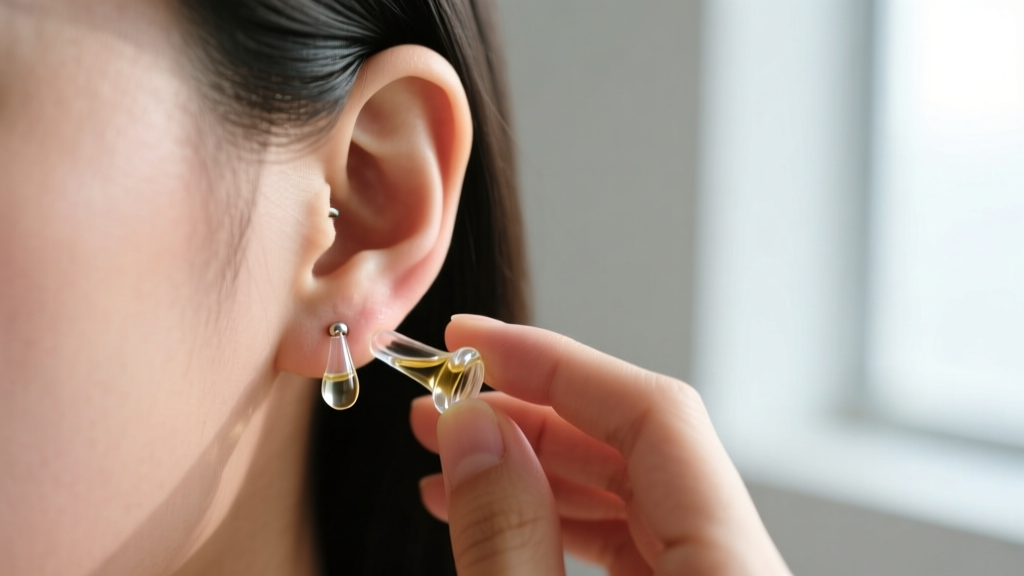
Remove the current plug earring immediately. Insert a piece of sterile, implant-grade titanium or glass jewelry that is 2mm to 4mm smaller than your current size. This relieves the tension on the torn tissue. If the lobe is too swollen to accommodate even a downsized plug, use a strand of sterile embroidery thread or PTFE tape as a temporary placeholder to prevent the hole from closing completely while the swelling subsides.
Phase 2: The LACE Method
- Look: Assess the damage. Is it a surface tear, a deep fissure, or a full blowout? If the lobe has split entirely (a tear exceeding 50% of the tissue margin), seek a professional piercer or plastic surgeon for reconstructive stitching.
- Assess: Check for signs of infection (heat, pus, radiating red streaks). Differentiate between normal inflammatory healing and bacterial infection.
- Clean: Spray the area twice daily with sterile 0.9% sodium chloride wound wash. Do not use alcohol, peroxide, or harsh soaps, as these destroy new cellular growth.
- Evaluate: After 4 weeks of downsizing and saline care, evaluate the tissue's elasticity before attempting to stretch again.
Sizing Charts and Flare Tolerances: Finding the Right Fit
A major source of troubleshooting headaches stems from the inconsistent sizing of the '00g' threshold. In the body jewelry industry, 00g is notoriously unstandardized. While 0g is universally accepted as 8mm, 00g can range anywhere from 9mm to 11mm depending on the manufacturer.
The Danger of the Double Flare
Double-flared plug earring styles feature a lip on both the front and back of the jewelry, meaning the middle saddle is slightly narrower than the edges. To insert a double flare, the tissue must stretch over the wider lip. If your lobe is irritated, swollen, or freshly stretched, forcing a double flare will act like a cheese wire, slicing the inner fistula. Always rely on single-flared plugs secured with high-quality elastomer O-rings during any healing or troubleshooting phase.
Standard Metric Equivalents for Troubleshooting
- 4g: 5mm
- 2g: 6mm
- 0g: 8mm
- 00g: 9mm - 10mm (Verify with digital calipers)
- 7/16": 11mm
- 1/2": 12mm
Long-Term Lobe Health and Maintenance
Troubleshooting a plug earring issue is ultimately about respecting the biological limits of your anatomy. The most successful ear modifications are those treated as long-term relationships with your body rather than races to an arbitrary size. Invest in digital calipers to measure your jewelry and your lobes accurately, prioritize ASTM F-136 titanium and borosilicate glass for any signs of irritation, and never underestimate the restorative power of downsizing. By adhering to these professional standards, you ensure that your stretched ears remain healthy, resilient, and beautifully adorned for decades to come.


