The Complete Care and Cleaning Guide for Bullet Earrings
Learn how to properly clean, polish, and maintain bullet earrings. Expert tips on removing tarnish from silver, steel, and brass ammunition jewelry.

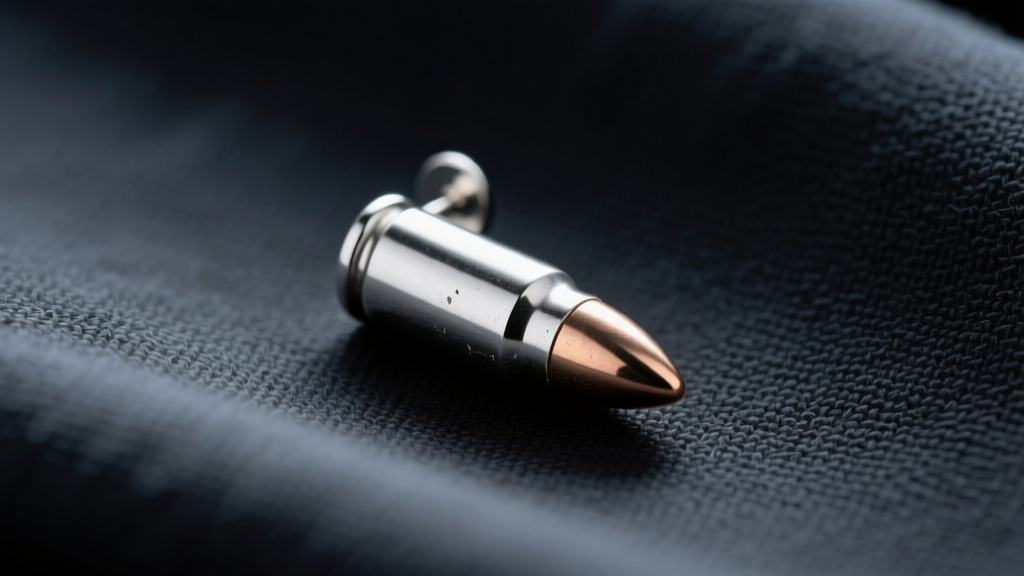
Understanding Bullet Earring Materials and Tarnish
Bullet earrings are a staple in alternative, punk, and tactical fashion. However, their intricate shapes—particularly the detailed crevices mimicking the casing neck, rifling grooves, and primer pockets—make them notorious traps for sebum, dead skin cells, and environmental debris. Unlike smooth, minimalist studs, the topography of bullet earrings requires a specialized approach to maintenance.
Before applying any cleaning agent, you must identify the base metal of your bullet earrings. The metallurgical composition dictates the chemical reactions that cause tarnish and determines which solvents are safe to use. According to the Association of Professional Piercers, understanding your jewelry's material grade is the first step in preventing contact dermatitis and fistula irritation.
- 316L Surgical Steel & Titanium: These are inert, hypoallergenic metals that do not tarnish. However, they accumulate a biofilm of bacteria and sebum that can cause the notorious 'earring cheese' smell (isovaleric acid).
- 925 Sterling Silver: Contains 7.5% copper, which reacts with environmental sulfur to form silver sulfide—a black, crusty tarnish that aggressively clings to the grooves of bullet casings.
- Solid Brass & Bronze: Copper-heavy alloys that oxidize into a green or brown patina. While some enthusiasts desire a vintage patina on their ammunition jewelry, unsealed brass can leave green stains on the earlobe.
The Step-by-Step Cleaning Protocol
Because bullet earrings feature deep, narrow recesses, standard wiping is insufficient. You must utilize mechanical agitation combined with targeted chemical solvents. Always remove your earrings before cleaning; never clean them while they are still in the piercing, as harsh chemicals can cause severe tissue burns.
Sterilizing Surgical Steel and Titanium Ammunition Studs
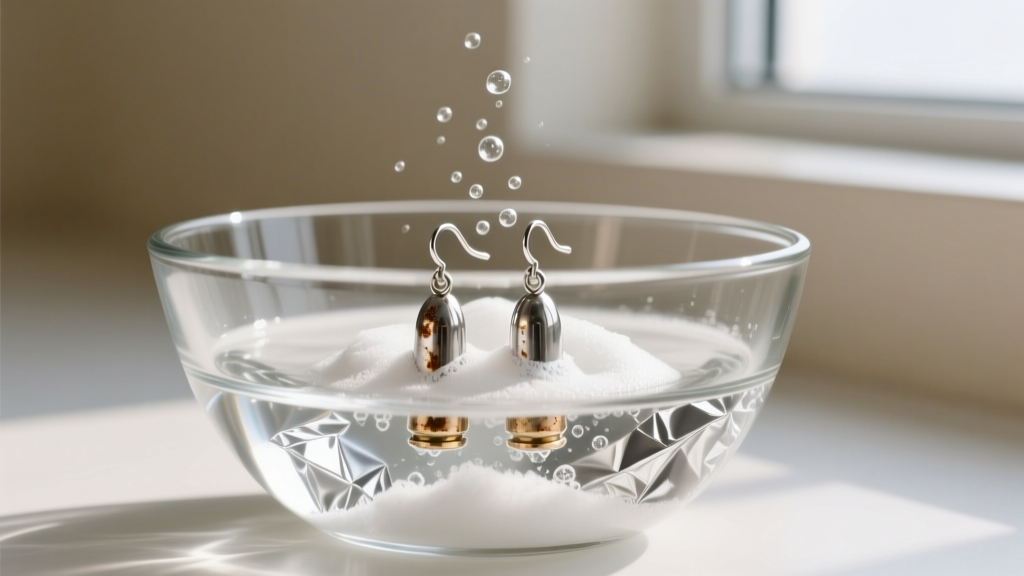
For steel and titanium, your primary goal is biofilm removal rather than tarnish reversal. Fill a small glass bowl with warm water and three drops of unscented, dye-free Castile soap. Submerge the bullet earrings for five minutes to soften the sebum. Next, use a soft-bristled detailing brush or a clean, unused interdental brush to gently scrub the primer and casing neck crevices. Rinse thoroughly with distilled water to prevent hard water spots, and dry completely with a lint-free microfiber cloth.
Polishing Sterling Silver via Ion-Exchange
Abrasive silver polishes will strip the antique oxidation that gives detailed bullet earrings their depth and contrast. Instead, use an electrochemical ion-exchange bath to reverse the silver sulfide tarnish without removing metal. Line a glass bowl with aluminum foil (shiny side up). Place your tarnished silver bullet earrings on the foil. Add one tablespoon of baking soda and one tablespoon of sea salt, then pour boiling water over them. The aluminum acts as a sacrificial anode, pulling the sulfur away from the silver. Let them sit for three to five minutes, then remove with wooden tongs, rinse, and buff. For ongoing silver maintenance, refer to guidelines from Tiffany & Co. Jewelry Care, which emphasize gentle, non-abrasive washing.
Restoring Brass and Copper Bullet Casings
If your brass bullet earrings have developed an uneven, muddy patina, you can restore their bright gold-like luster using a mild acid. Create a paste using equal parts lemon juice and fine sea salt. Apply the paste to the brass using a cotton swab, working it deep into the casing grooves. Let it sit for no more than two minutes—the citric acid will dissolve the cupric oxide. Rinse immediately with warm water and neutralize the acid by washing with a mild soap solution. If you prefer to maintain the dark, aged look of vintage brass, simply wash with mild soap and avoid acidic compounds.
Mechanical Maintenance: Backings, O-Rings, and Threading
The physical weight and front-heavy center of gravity of bullet earrings present unique mechanical challenges. A standard 18-gauge (1.0mm) or 16-gauge (1.2mm) bullet stud will easily pull downward, causing the earring to droop or, worse, slip out entirely if secured only by a standard butterfly clutch.
To maintain the security and structural integrity of your bullet earrings, consider the following hardware upgrades:
- Silicone O-Rings: Slide a 2mm or 3mm silicone O-ring onto the post behind the earlobe. The high-friction grip prevents the heavy bullet from sliding off, even during physical activity.
- Screw-Backs and Locking Nuts: For 14-gauge (1.6mm) or thicker posts commonly found in stretched-lobe bullet jewelry, internally threaded screw-backs are mandatory. They distribute the weight evenly and eliminate the risk of losing a heavy solid-brass piece.
- Thread Filing: Many mass-produced bullet earrings feature sharp, poorly machined external threading. If your post scratches your fistula during insertion, use a fine-grit jeweler's file to gently smooth the leading edge of the threads, or coat the post in a thin layer of medical-grade wax before insertion.
Material vs. Cleaning Agent Compatibility Chart
Using the wrong chemical solvent can permanently pit, cloud, or dissolve your jewelry. Use the table below as a quick-reference framework for your cleaning kit.
| Base Material | Safe Cleaning Agents | Agents to Avoid (Will Cause Damage) |
|---|---|---|
| 316L Surgical Steel | Mild soap, Isopropyl alcohol, Ultrasonic cleaners | Bleach, Hydrochloric acid, Chlorine |
| 925 Sterling Silver | Aluminum foil/baking soda bath, Mild soap | Abrasive pastes, Toothpaste, Bleach |
| Solid Brass / Bronze | Lemon juice & salt, Commercial brass polish | Ammonia (can cause stress corrosion cracking) |
| Titanium (Grade 23) | Saline solution, Castile soap, Alcohol | Hydrofluoric acid (rare, but strictly avoid) |
Storage and Prevention Tactics
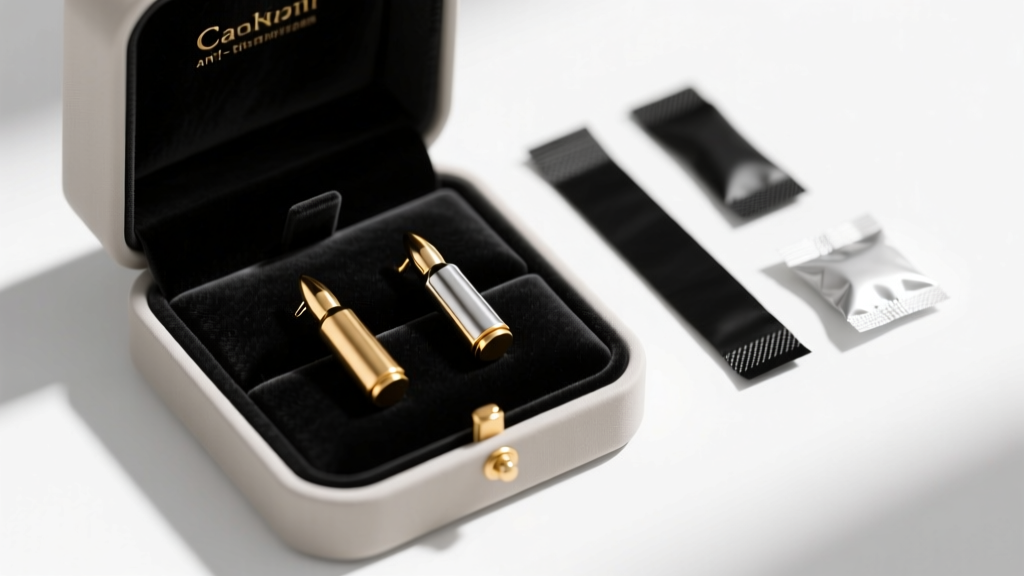
Proper storage is the most overlooked aspect of bullet earring maintenance. Because these earrings often feature sharp points and intricate grooves, tossing them into a communal jewelry box will result in scratched posts and tangled pairs. Furthermore, environmental sulfur and humidity will rapidly degrade silver and brass.
Store each pair of bullet earrings in an individual, airtight polyethylene zip bag. Polyethylene is chemically inert and will not off-gas sulfur compounds. Inside each bag, include a small square of a 3M anti-tarnish strip, which absorbs airborne sulfides and halides before they can reach the metal. If you live in a high-humidity environment, add a mini silica gel desiccant packet to the bag to prevent moisture-induced oxidation. Never store bullet earrings wrapped in rubber bands or standard tissue paper, as both contain sulfur and acidic compounds that accelerate severe tarnishing.
Troubleshooting Common Bullet Earring Issues
Problem: The bullet stud constantly droops forward.
Solution: This is a center-of-gravity issue. If the post is soldered too high on the back of the bullet casing, the weight will pull it downward. You can counteract this by using a larger, stiffer silicone backing to push the earlobe further back, or by taking the earring to a jeweler to have the post re-soldered closer to the bottom edge of the casing.
Problem: The screw-back is stuck and won't unscrew.
Solution: Sebum and dead skin can act like cement inside the threading. Do not use pliers, which will crush the post. Instead, put on a pair of textured nitrile or rubber dishwashing gloves. The massive increase in friction will usually allow you to grip the tiny backing and break the biofilm seal. If it remains stuck, soak the back of the earring in warm soapy water for ten minutes to dissolve the debris.
Problem: Brass bullets are turning my earlobes green.
Solution: The green stain is a harmless copper carbonate reaction caused by your skin's natural acidity mixing with the brass. To prevent this without altering the look of the earring, paint a thin layer of clear, hypoallergenic nail polish over the post and the back of the bullet casing that touches your skin. Reapply the polish every few months as it wears away from friction.


