Butterfly Back Earrings: Metal Allergy & Material Guide
Discover the best materials for butterfly back earrings. Compare titanium, gold, and steel for sensitive ears, and learn how to avoid metal allergies.

The Mechanics of Butterfly Back Earrings
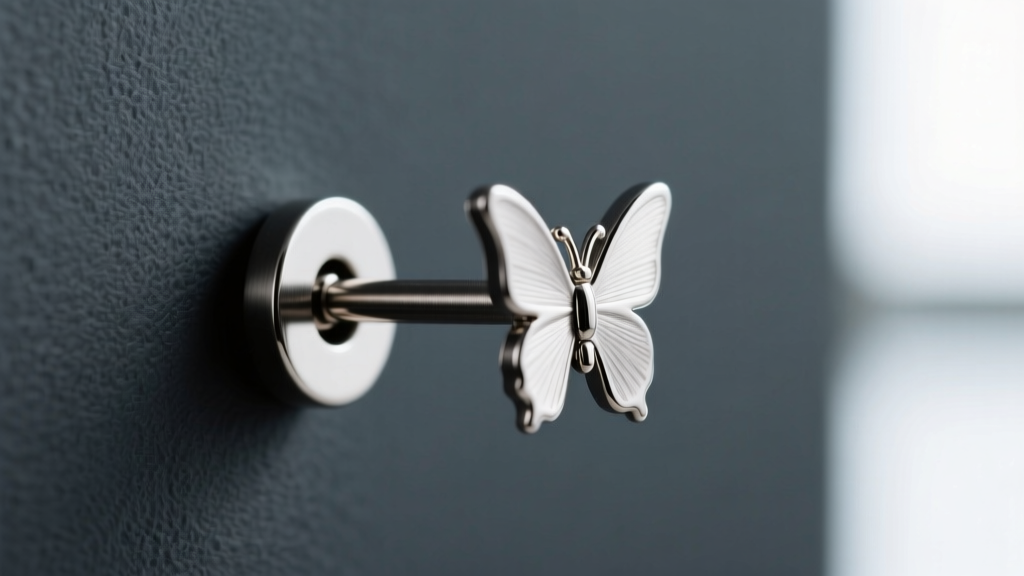
Butterfly back earrings, also known as push backs or friction backs, are the most ubiquitous closure mechanism in fine and fashion jewelry. The design relies on a notched post—typically ranging from 20-gauge (0.81mm) to 18-gauge (1.02mm)—that slides through a metal or silicone clutch. The clutch features two small metal wings that compress to slide along the post, expanding into the grooves to lock the earring in place. While this mechanism is universally convenient, the material composition of both the post and the butterfly clutch dictates the longevity, security, and dermatological safety of the earring.
When dealing with sensitive earlobes or newly pierced cartilage, the friction point between the post and the back is a primary vector for allergic contact dermatitis. Micro-abrasions caused by metal-on-metal friction can expose the skin to underlying alloy metals, making material selection a critical factor for daily wearers.
Material Comparison Chart: Post and Back Combinations
Not all metals react to skin oils, sweat, and friction equally. Below is a comprehensive breakdown of the most common materials used for butterfly back earrings, evaluated on biocompatibility, structural integrity, and market pricing.
| Material | Nickel Content | Friction Durability | Best Use Case | Avg. Price Range |
|---|---|---|---|---|
| Implant-Grade Titanium (ASTM F136) | None | Exceptional | Sensitive ears, 24/7 wear | $15 - $50 |
| Niobium | None | High | Highly reactive skin, custom anodized colors | $20 - $60 |
| 14k Solid Gold (Yellow/Rose) | Trace to None | Moderate | Everyday fine jewelry, heirloom pieces | $80 - $250+ |
| 18k Solid Gold | Trace to None | Low (Prone to groove stripping) | Occasional wear, luxury studs | $150 - $500+ |
| Surgical Stainless Steel (316L) | 8% - 10.5% | High | Budget fashion jewelry, non-sensitive ears | $5 - $25 |
| Silicone / Plastic Clutches | None | Low (Degrades over time) | Allergy barrier, temporary friction fix | $2 - $10 (packs) |
Deep Dive: Hypoallergenic Metals for Sensitive Lobes
For individuals prone to contact dermatitis, the term "hypoallergenic" is largely unregulated and often misleading. True biocompatibility requires specific elemental purity and manufacturing standards.
Implant-Grade Titanium (ASTM F136)
Titanium is the undisputed champion of sensitive-skin jewelry. Specifically, you must look for ASTM F136 compliant implant-grade titanium. Unlike commercial-grade titanium, F136 guarantees a specific elemental makeup that is entirely free of nickel and cobalt. Furthermore, titanium naturally forms a passive oxide layer when exposed to oxygen, which prevents corrosion from sweat and skin acids. Because titanium is harder than gold and silver, the notched grooves on a 20G titanium post will not strip or wear down from the repeated friction of sliding a butterfly clutch on and off.
Niobium
Niobium is a highly biocompatible, nickel-free elemental metal. While slightly softer than titanium, it is exceptionally well-tolerated by the human body. It is frequently used by professional piercers and can be anodized to produce vibrant colors without the use of surface dyes or platings that could chip off and irritate the earlobe.
14k vs. 18k Solid Gold
Pure 24k gold is too soft for earring posts; the butterfly back would quickly strip the friction grooves, leading to lost earrings. Therefore, gold is alloyed. 14k gold (58.5% pure gold) offers the ideal balance of hardness and biocompatibility, provided it is alloyed with metals like copper, silver, or palladium. 18k gold (75% pure gold) is softer and more luxurious but requires careful handling to prevent the clutch from wearing down the post notches. Warning: If you are buying white gold, ensure it is palladium-alloyed rather than nickel-alloyed, as nickel is a primary trigger for earlobe allergies.
The Problem with Surgical Steel and Unregulated Labels
The jewelry industry frequently uses the term "surgical steel" to imply medical safety. However, the most common alloy used in commercial jewelry, 316L stainless steel, contains between 8% and 10.5% nickel. While the nickel is bound within the alloy, the friction of a metal butterfly back scraping against a steel post can cause microscopic metal dust and ion release.
According to the Association of Professional Piercers (APP), implant-grade titanium (ASTM F136) remains the gold standard for biocompatibility in body jewelry, significantly reducing the risk of contact dermatitis compared to commercial stainless steels, which are not recommended for unhealed or highly reactive piercings.
The European Union's Nickel Directive restricts nickel release from post-assembly jewelry to a maximum of 0.5 µg/cm²/week. Many mass-produced "surgical steel" butterfly back earrings imported from regions with lax manufacturing oversight far exceed this threshold, leading to the itchy, flaking, and swollen earlobes documented by the American Academy of Dermatology (AAD).

Silicone and Plastic Butterfly Backs: Pros and Cons
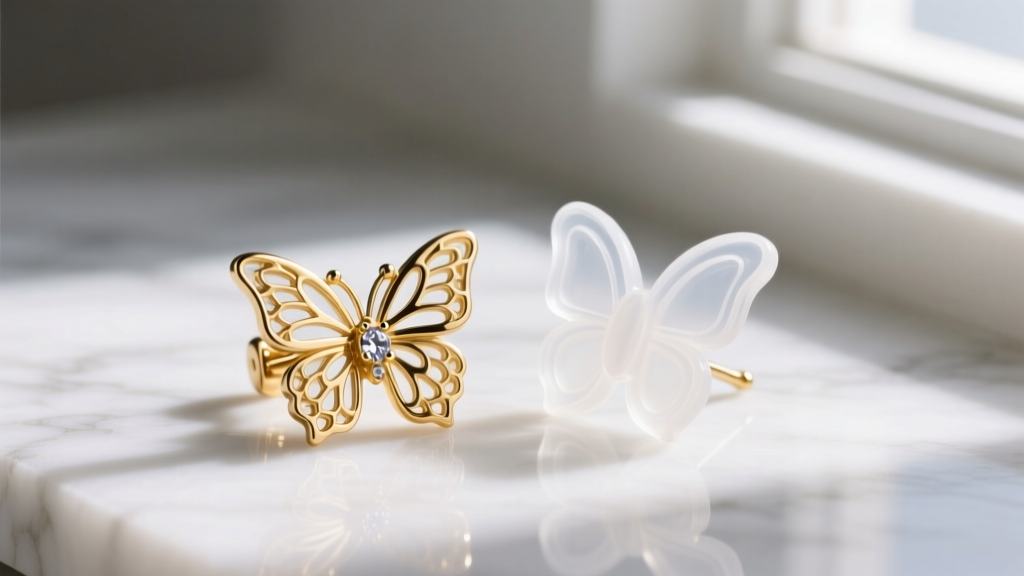
For those who already own expensive gold or diamond studs but suffer from metal allergies, silicone or plastic replacement butterfly backs offer a temporary workaround.
- The Pros: Silicone creates a physical barrier between the metal post and the skin. They are inexpensive, universally sized for standard 20G and 18G posts, and eliminate metal-on-metal friction noise.
- The Cons: Silicone is porous. Over time, it absorbs sebum, dead skin cells, and hair products, becoming a breeding ground for bacteria and developing an unpleasant odor. Furthermore, UV exposure and skin oils cause silicone to dry out, crack, and lose its tensile grip, significantly increasing the risk of losing a valuable earring.
Expert Tip: If you must use silicone backs, replace them every 3 to 4 months and soak them weekly in a 70% isopropyl alcohol solution to prevent bacterial buildup.
Maintenance: Preventing Friction Wear and Tarnish
The longevity of your butterfly back earrings depends heavily on maintenance. The friction grooves on the post and the inner tension wings of the clutch accumulate microscopic debris that can degrade the materials.
- Clear the Grooves: Use a soft-bristled toothbrush and mild dish soap to clean the notches on the earring post. Built-up sebum in the grooves prevents the butterfly back from clicking securely into place, making the earring feel loose.
- Check for Metal Fatigue: The two wings of a metal butterfly back rely on spring tension. Over years of use, these wings can experience metal fatigue and splay outward. If the back slides onto the post without requiring slight pressure to compress the wings, it is time to replace the clutch.
- Avoid Harsh Chemicals: Chlorine in swimming pools and household bleach can cause severe pitting in lower-karat golds and stainless steels, creating rough micro-surface textures on the post that will eventually shred the inside of your butterfly backs.
Expert Verdict: Which Material Should You Choose?
If you are investing in fine jewelry for daily wear, 14k solid yellow or rose gold paired with a matching 14k butterfly back offers the best compromise of luxury, durability, and allergy resistance. For those with severe, documented nickel allergies or hyper-reactive skin, bypass gold and steel entirely and opt for ASTM F136 implant-grade titanium. While less traditional in the fine jewelry space, titanium guarantees that your earlobes will remain healthy, comfortable, and free from contact dermatitis, allowing you to wear your favorite studs from morning until night without a second thought.


