The Ultimate Link Chain Earrings Buying Guide 2026
Discover what to look for when buying link chain earrings. Compare metal grades, link styles, gauge weights, and clasp types for lasting everyday wear.

The Resurgence of Link Chain Earrings
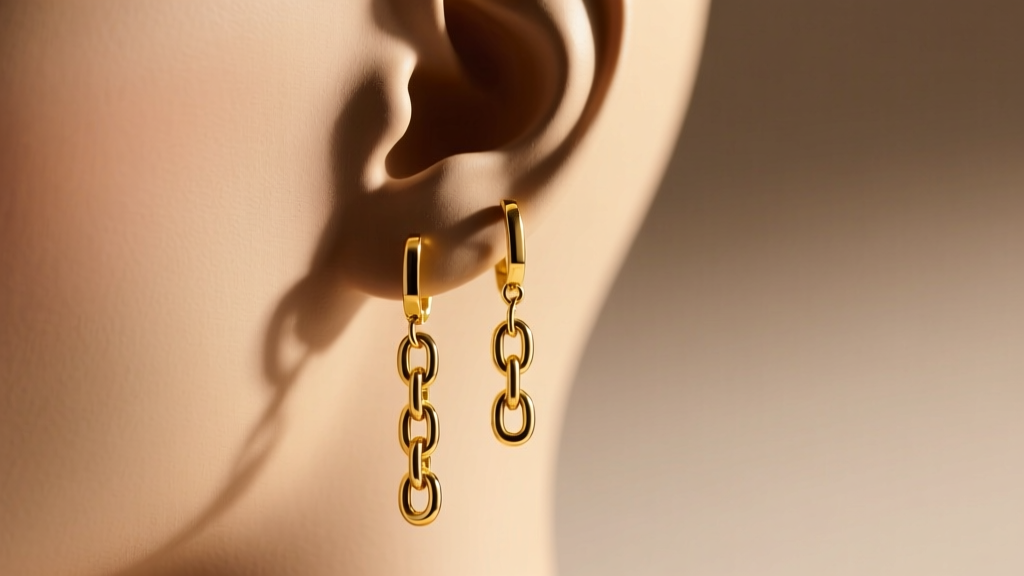
Link chain earrings have evolved from simple industrial hardware into a staple of fine jewelry, dominating 2026 trend forecasts for their blend of structural edge and fluid movement. Whether you are looking for a delicate cable chain drop for the office or a bold, oversized curb chain dangle for evening wear, understanding the mechanics of chain jewelry is critical. Unlike solid cast earrings, chain earrings are composed of dozens of individual moving parts, each representing a potential point of failure. This comprehensive buying guide will walk you through the metallurgy, structural integrity, and ergonomic considerations you must evaluate before investing in your next pair.
Decoding Chain Link Profiles
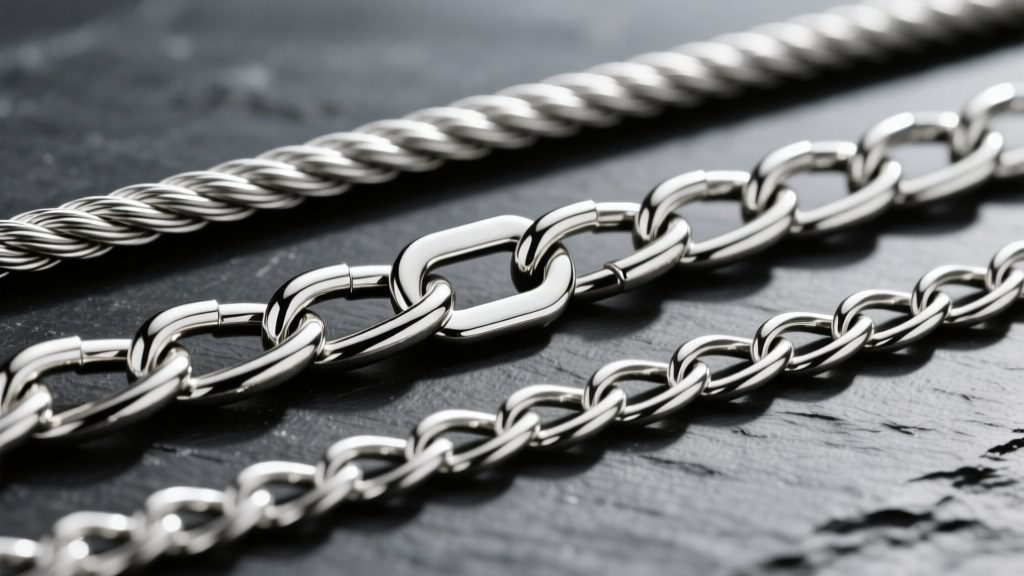
The visual weight and durability of your earrings depend entirely on the link profile. Not all chains are created equal; some are designed for tensile strength, while others prioritize light reflection. When shopping for link chain earrings, you will typically encounter the following profiles:
| Link Style | Profile Description | Durability & Snag Factor | Best Use Case |
|---|---|---|---|
| Cable | Uniform oval or round links connected at alternating 90-degree angles. | Moderate. Prone to catching on fine hair and knitwear. | Delicate drops, minimalist everyday lobe wear. |
| Curb | Links are twisted and flattened so they interlock and lay flush. | High. Flat surface prevents snagging; excellent tensile strength. | Statement dangles, heavy ear lobe drapes, cartilage chains. |
| Rolo | Thick, round links with a flat interior, alternating in direction. | Very High. The rounded edges distribute weight evenly. | Heavy charm drops, premium fine jewelry investments. |
| Figaro | A patterned chain, usually three short links followed by one long link. | Moderate to High. The elongated links can bend if pulled. | Asymmetrical designs, vintage-inspired drop earrings. |
The Soldered Jump Ring Imperative
The most common failure mode in poorly manufactured link chain drop earrings is the unsoldered jump ring. A jump ring is the small circular wire that connects the chain to the ear post or hook. If this ring is merely bent shut rather than laser-soldered, the kinetic energy and weight of the dangling chain will slowly pry the gap open over weeks of wear, resulting in a lost earring. Always inspect the connection points under a macro lens or ask the jeweler to confirm that all structural jump rings are fully soldered.
Metallurgy: Choosing the Right Alloy
Because chain links undergo constant micro-friction against one another, the metal alloy must possess high tensile strength and resistance to surface wear. According to the Gemological Institute of America (GIA), the purity of gold directly impacts its structural viability for chain jewelry.
- 18k Gold (75% Pure): Offers a rich, warm color but is relatively soft. 18k cable chains can stretch over time if the dangle is too heavy. Best reserved for lightweight, short-drop designs.
- 14k Gold (58.5% Pure): The industry gold standard for chain earrings. The higher alloy content (usually silver, copper, and zinc) provides the necessary rigidity to prevent link distortion and stretching.
- 925 Sterling Silver: An affordable option, but prone to oxidation. The friction between silver links can accelerate tarnishing in the crevices, requiring frequent ultrasonic cleaning.
- ASTM F136 Titanium: For hyper-sensitive ears, implant-grade titanium is unmatched. The Association of Professional Piercers highly recommends this material for its zero-nickel content and exceptional strength-to-weight ratio, though it is generally limited to simpler cable and rolo link styles due to casting difficulties.
Expert Warning: Avoid gold-plated brass or copper base metals for chain earrings. The friction of the links rubbing together will quickly wear away the microscopic gold plating, exposing the base metal and leading to severe contact dermatitis and green skin discoloration.
Gauge Thickness and Ear Lobe Health
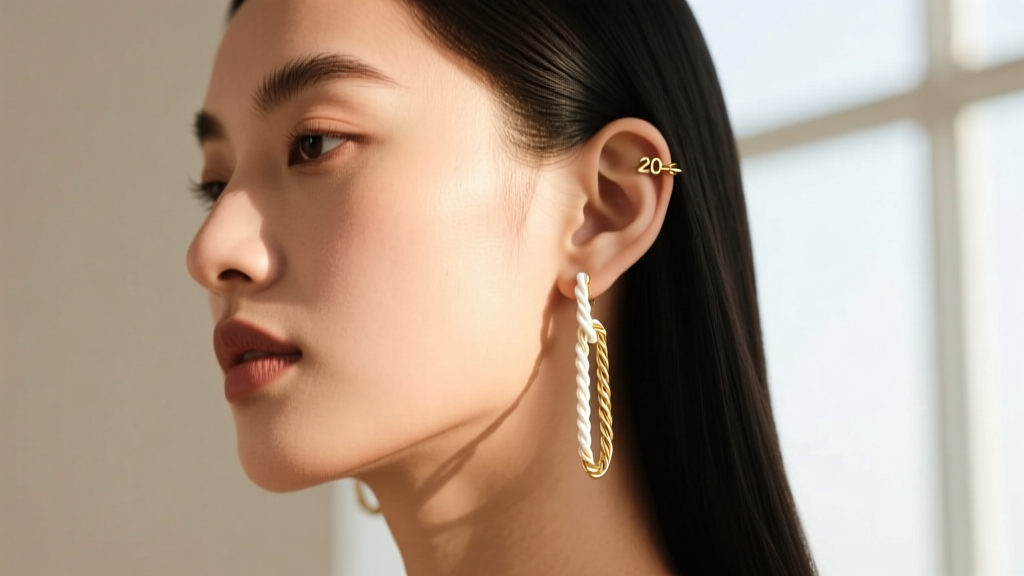
When buying link chain earrings, consumers often focus on the chain's thickness while ignoring the gauge of the ear wire or post that actually penetrates the skin. The physics of a dangle earring means that the post acts as a lever. A heavy curb chain attached to a thin wire will cause the wire to bend, which can warp your piercing channel and cause migration or tearing.
Gauge Sizing Guide for Chain Dangles
- 22-Gauge (0.64mm): Strictly for ultra-lightweight, short cable chains under 1 inch in length. Too thin for heavy drops.
- 20-Gauge (0.81mm): The standard for most commercial fine jewelry drops. Suitable for chains up to 2 inches long with minimal charm weight.
- 18-Gauge (1.02mm): Ideal for statement link chain earrings. Provides the structural rigidity needed to support heavy rolo or curb chains without bending.
- 16-Gauge (1.29mm): Typically reserved for cartilage, helix, or daith piercings where the chain is used as a connector between two distinct piercings (chain ear cuffs).
Face Shape and Chain Length Proportions
Link chain earrings are inherently linear, meaning they draw the eye vertically. Selecting the correct drop length is crucial for balancing your facial geometry.
- Round Faces: Opt for long, linear cable or rolo chain drops that extend past the jawline (2.5 to 3 inches). This creates an optical illusion that elongates the face and neck.
- Square Faces: Choose chains with rounded links, like rolo or oval cable, that end just below the earlobe. Avoid stiff, geometric curb chains that end sharply at the jaw, as this accentuates angularity.
- Oval Faces: The most versatile shape. You can experiment with asymmetrical link chains, ear-to-ear cartilage chains, or heavy, oversized curb link hoops.
- Heart-Shaped Faces: Look for teardrop-shaped chain arrangements or figaro chains that add visual weight and volume at the bottom of the dangle, balancing a narrower chin.
Maintenance and Friction Care
The intricate crevices of link chains trap sebum, dead skin cells, and environmental pollutants. Over time, this buildup creates a gritty paste that accelerates metal wear and dulls the finish. To maintain your link chain earrings, implement a bi-weekly cleaning routine. Soak the earrings in a solution of warm water and a few drops of mild, phosphate-free dish soap for ten minutes. Use a baby-bristle toothbrush to gently agitate the interior of the links. Never use harsh chemical dips on porous gemstones or pearls that may be attached to the chain drops. Always store your chains hanging vertically or laid completely flat; tossing them into a jewelry box guarantees a tangled, knotted mess that can permanently warp delicate jump rings.
Final Verdict: Investing in Quality
When purchasing link chain earrings, prioritize structural integrity over sheer visual size. A well-crafted 14k gold rolo chain with soldered jump rings and an 18-gauge ear wire will outlast a massive, hollow-plated curb chain that snags and breaks within a month. By understanding the interplay between link profiles, metal alloys, and gauge physics, you can curate a collection of chain earrings that offer both kinetic beauty and lifelong durability.


