Earring Display Cards: The Beginner Guide to Sizing and Materials
Learn how to choose the perfect earring display cards for your jewelry brand. We cover cardstock weights, hole spacing, and sizing for every earring type.
Why Your Choice of Earring Display Cards Matters
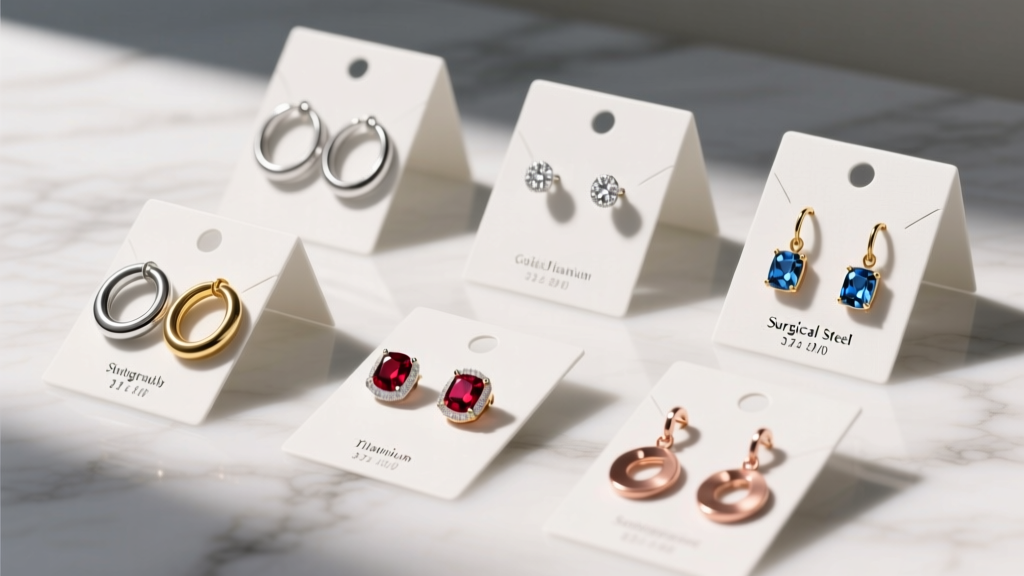
In the handmade and independent jewelry market, the unboxing experience is just as critical as the craftsmanship of the pieces themselves. As we move through 2026, consumer expectations for sustainable, premium, and highly functional packaging have reached an all-time high. For earring makers, the humble earring display card is the first physical touchpoint a customer has with your brand. It must securely hold the jewelry during transit, prevent tangling, and elevate the perceived value of the product. Choosing the wrong cardstock or hole spacing can lead to bent posts, torn paper, and a frustrating customer experience. This guide breaks down the exact material grades, dimensions, and structural requirements you need to master when sourcing or designing earring display cards.
Cardstock Weight and Material Grades Explained
The most common mistake beginner jewelry makers make is selecting a cardstock that is too thin. Paper weight is typically measured in points (pt) or grams per square meter (gsm). Understanding these metrics is essential for matching the card to the weight of your earrings.
- 14pt (approx. 300 gsm): This is the standard thickness of a premium business card. While cost-effective, it is generally too flimsy for heavy gemstone drops or thick brass hoops. It tends to bow when stacked in shipping mailers.
- 16pt (approx. 350 gsm): The industry sweet spot for standard studs, lightweight huggies, and small dangles. It offers enough rigidity to protect the jewelry without feeling overly bulky in a standard jewelry box.
- 18pt to 24pt (400 - 600 gsm): Reserved for luxury brands and heavy statement pieces. A 24pt card is essentially a rigid board that will not bend under the weight of large resin drops or heavy metal ear cuffs.
According to packaging specialists at Paper Mart, the material composition also matters. Wood-pulp cardstock is standard, but cotton-blend cardstocks (often used for letterpress printing) offer a softer, more luxurious tactile feel that aligns well with high-end artisan jewelry.
Standard Dimensions and Hole Spacing
The geometry of your earring display cards dictates how well the jewelry sits and whether it will drag against the bottom of a shipping envelope. Below is a structural framework for sizing your cards based on earring categories.
| Earring Style | Recommended Card Size | Vertical Hole Placement | Hole Diameter |
|---|---|---|---|
| Studs & Small Huggies | 2.0" x 2.0" (Square) | Centered (1.0" from top) | 1/16" (1.5mm) |
| Standard Drop Earrings | 2.0" x 3.0" (Rectangle) | High (0.75" from top) | 3/32" (2.3mm) |
| Long Dangles & Chandeliers | 2.5" x 4.0" (Elongated) | High (0.75" from top) | 1/8" (3.1mm) |
| Large Hoops & Ear Cuffs | 2.5" x 2.5" (Square) | Offset / Dual Slits | Custom Slit (No punch) |
The Mechanics of Hole Sizing
When working with suppliers like Rio Grande for jewelry findings, you will notice that earring posts and wires come in specific gauges. Standard friction posts are usually 20-gauge (0.81mm), which easily slides through a 1/16" hole. However, if you hand-forge your own ear wires using 18-gauge or 16-gauge wire, a 1/16" hole will cause severe friction. Forcing a thick wire through a tight hole will crush the post, damage any plated finishes, and tear the cardstock fibers. Always match your die-cut hole diameter to your thickest wire gauge plus a 0.5mm tolerance.
Matching the Card to the Earring Style
Different earring constructions require entirely different display card architectures. A one-size-fits-all approach will result in damaged goods and poor presentation.
Studs and Huggies
For studs, the primary concern is securing the earring back. If the card is too thick (e.g., 18pt), standard friction backs (butterfly clutches) may not have enough of the post exposed to click securely into place. For 16pt cards, ensure your earring posts are at least 10mm long. For huggies with hinged closures, standard round holes work perfectly, as the earring simply snaps shut through the paper.
Dangles and Drop Earrings
The critical failure mode for dangle earrings is the "drag effect." If the hole is punched too low on the card, the body of the earring will hang below the bottom edge of the card. When stacked or slid into a rigid mailer, the gemstones or metal components will scrape against the packaging, leading to micro-scratches. Always place holes for dangles in the top 25% of the card to ensure a minimum 0.5-inch clearance at the bottom.
Hoops and Ear Cuffs
Continuous hoops and ear cuffs cannot be easily threaded through standard punched holes without bending the metal. Instead, luxury brands utilize die-cut slits or "T-slots" where the cardstock is sliced rather than removed. The hoop slides into the slit, and the tension of the paper holds it firmly in place without requiring the jewelry to be opened or manipulated.
Coatings and Eco-Friendly Trends for 2026
The surface finish of your earring display cards impacts both aesthetics and functionality. High-gloss UV coatings look vibrant but can feel cheap and slippery, making it difficult for customers to grip the card when removing tight earring backs. Matte lamination or "soft-touch" velvet coatings are currently dominating the premium market, offering a sophisticated look that reduces glare in product photography.
Sustainability is no longer optional in 2026. Consumers actively scrutinize packaging waste. Consider sourcing uncoated, 100% post-consumer recycled cardstock or plantable seed paper. If you use uncoated stock, you can utilize a custom rubber stamp or a minimalist foil press for branding, which significantly reduces the chemical footprint compared to traditional offset printing with heavy ink coverage.
Sourcing and Pricing Breakdown
Understanding the economics of packaging is vital for maintaining your profit margins. Here is a realistic pricing breakdown based on current market rates:
- Blank Bulk Cards (Amazon/Etsy): $0.04 to $0.12 per card. Ideal for beginners testing the market. You will need to supply your own branding via stamps or stickers.
- Custom Digital Printing (e.g., UPrinting): $0.25 to $0.45 per card (MOQ usually 250-500). Allows for full-color CMYK designs, custom die-cut shapes, and specific hole placements.
- Luxury Letterpress & Foil Stamping: $0.60 to $1.20+ per card. Requires custom brass dies (an upfront cost of $100-$200) but yields a deeply debossed, high-end result that justifies a higher retail price point for your jewelry.
Expert Troubleshooting Tip: If you are hand-punching holes using a standard office hole punch, you are likely creating a 1/4" (6mm) hole, which is vastly too large for earring posts. The earring will slip through and fall off. Invest in a specialized jewelry card punch or a 1/16" leather hole punch for clean, appropriately sized perforations.
Final Thoughts on Presentation
Your earring display cards are the silent ambassadors of your jewelry brand. By carefully selecting the correct cardstock weight, engineering the precise hole spacing for your specific findings, and aligning your material choices with modern eco-conscious values, you transform a simple piece of paper into a vital component of your product's perceived value. Take the time to order sample packs from your printers, test your heaviest earrings for bowing, and ensure your unboxing experience is as flawless as your jewelry designs.