The Complete Buying Guide to Rubber Earring Backs for Secure Fit
Discover how to choose the best rubber earring backs for secure fit, comfort, and sensitive ears. Compare silicone grades, sizes, and top brands.

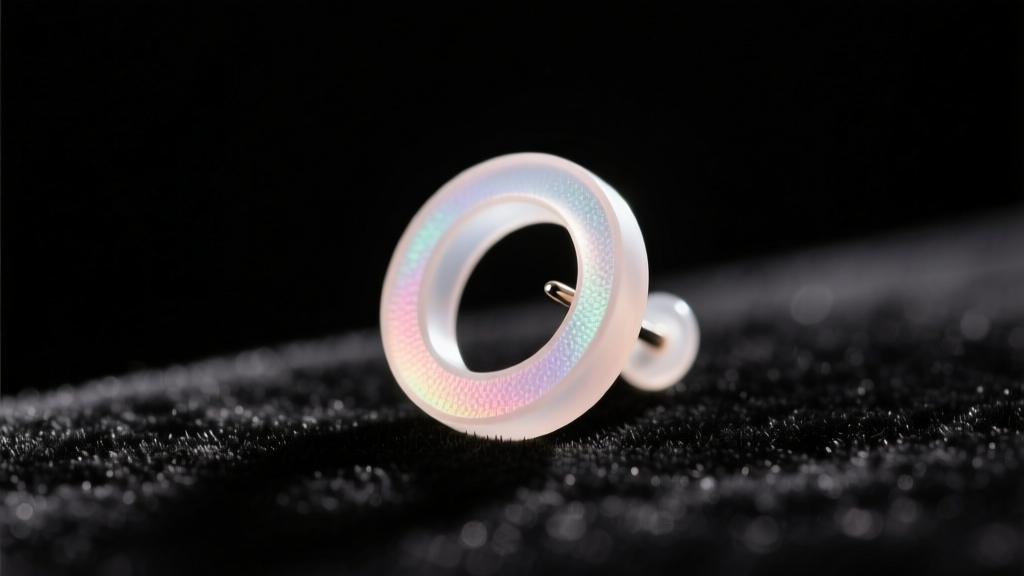
Losing a beloved diamond stud or a vintage gold hoop is a rite of passage no jewelry lover wants to experience. While we often invest heavily in the earrings themselves, the hardware securing them to our bodies is frequently an afterthought. Traditional metal butterfly backs rely on mechanical tension, which inevitably loosens over time, leading to lost jewelry and irritated piercings. Enter the modern solution: rubber earring backs. However, not all non-metal backs are created equal. The market is flooded with cheap plastics that degrade quickly, alongside premium medical-grade silicones designed for lifelong wear. This comprehensive buying guide breaks down the material science, sizing metrics, and design variations you need to know to choose the perfect rubber earring backs for your collection.
Why Upgrade from Metal to Rubber Earring Backs?
Standard metal friction backs (often called butterfly backs) secure the earring via two small metal loops that grip the post. While functional when new, they suffer from three critical failure modes:
- Tension Fatigue: Repeated removal and insertion stretch the metal loops, reducing their grip strength and increasing the risk of the earring falling out.
- Hygiene Traps: The intricate loops trap dead skin cells, sebum, and hair products, creating a breeding ground for bacteria and the notorious 'earring cheese' odor.
- Contact Dermatitis: Many standard backs contain nickel or brass alloys. According to the American Academy of Dermatology, nickel allergy is one of the most common causes of allergic contact dermatitis, leading to red, itchy, and weeping earlobes.
High-quality rubber earring backs eliminate these issues by utilizing elastic friction. They grip the entire circumference of the post, distribute pressure more evenly across the back of the earlobe, and are inherently hypoallergenic when made from the correct materials.
Material Breakdown: Silicone vs. Standard Plastics
The term 'rubber' in the jewelry industry is a catch-all phrase that actually encompasses three distinct polymers. Understanding the difference is crucial for longevity and skin health.
1. Platinum-Cured Medical-Grade Silicone (The Gold Standard)
This is the material you should actively seek out. Platinum-cured silicone (often certified as USP Class VI) is non-toxic, non-porous, and highly resistant to temperature changes. It does not leach chemicals, making it the safest option for fresh piercings or highly reactive skin. The Association of Professional Piercers (APP) frequently recommends implant-grade silicone for its biocompatibility. It remains flexible for years and resists yellowing from UV exposure and skin oils.
2. Thermoplastic Elastomer (TPE)
TPE is a step down from pure silicone. It offers good initial elasticity and is generally hypoallergenic, but it is more porous. TPE backs tend to absorb skin oils over time, which can cause them to become sticky, brittle, or discolored within six to twelve months of daily wear.
3. Polyvinyl Chloride (PVC) and Cheap Rubbers
Often found in bulk bargain bins, PVC backs are manufactured with plasticizers to achieve flexibility. These plasticizers break down rapidly when exposed to the natural acids in human sebum or alcohol-based cleaning solutions. PVC backs will turn a cloudy yellow, harden, and eventually crack, potentially leaving fragments stuck on your earring post.
Sizing Guide: Matching Backs to Post Gauges
The most common reason buyers report that rubber earring backs 'don't grip well' is a mismatch between the inner diameter of the back and the gauge of the earring post. Rubber relies on a slight stretching action to create a secure seal. If the hole is too large, it slides off; if it is too small, it will tear or fail to seat properly.
| Earring Post Gauge | Post Diameter (mm) | Ideal Rubber Back Inner Diameter | Common Jewelry Types |
|---|---|---|---|
| 22G - 20G | 0.64mm - 0.81mm | 0.7mm - 0.9mm | Standard diamond studs, lightweight gold hoops, most commercial fashion earrings. |
| 18G | 1.02mm | 1.0mm - 1.1mm | Thicker wire earrings, some cartilage studs, vintage pieces. |
| 16G | 1.29mm | 1.2mm - 1.3mm | Standard body jewelry, labrets, thicker cartilage barbells. |
| 14G | 1.63mm | 1.5mm - 1.6mm | Heavy gauge body jewelry, industrial barbells, specialized lobe stretchers. |
Pro Tip: Always measure your earring posts with a digital caliper if you are unsure of the gauge. A 0.2mm difference is enough to compromise the friction seal of a silicone back.
Shape and Design Variations for Specific Needs
Rubber earring backs are not limited to a single silhouette. Manufacturers have developed specific shapes to address different anatomical and lifestyle needs.
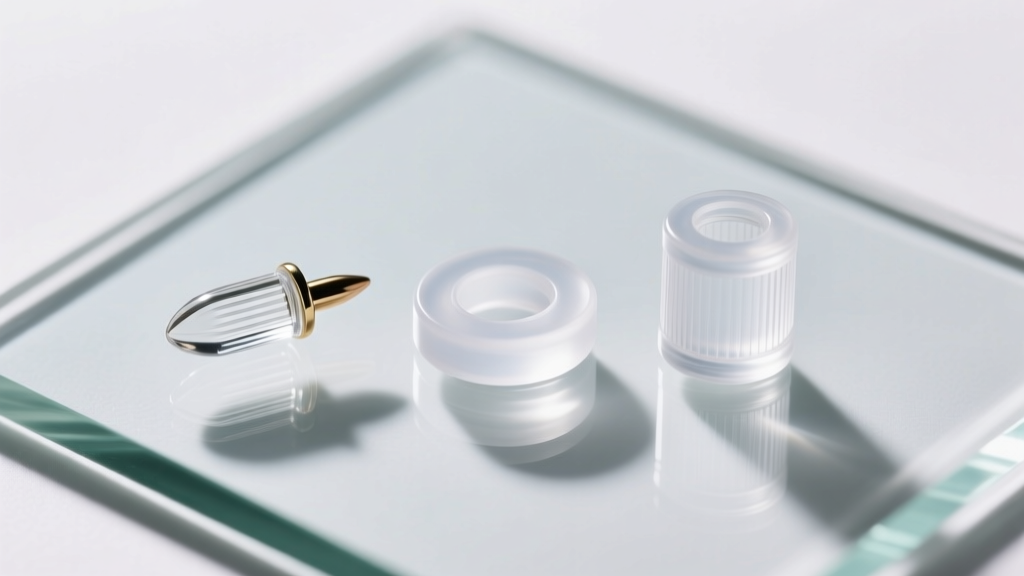
- The Standard Bullet: Tapered at the end and rounded at the base. This is the most common shape, designed for easy sliding onto the post while providing a comfortable, low-profile fit against the neck. Best for everyday studs.
- The Flat Disc: Wider and flatter than the bullet. The disc shape distributes the weight of the earring over a larger surface area of the earlobe. This is the mandatory choice for heavy gemstone drops or chandelier earrings, as it prevents the earring from drooping forward and stretching the piercing hole.
- The Jumbo Cylinder: Significantly larger and longer than standard backs. These are designed for individuals with dexterity issues, arthritis, or long acrylic nails, providing a larger surface area to grip when pushing the back onto the post or pulling it off.
- The Double-Groove Security Back: A specialized silicone design featuring an internal ridged channel that locks into the notch of a secure-lock earring post, providing mechanical and friction-based retention simultaneously.
Real-World Maintenance and Troubleshooting
Even the highest grade platinum-cured silicone requires proper maintenance to maximize its lifespan. The most frequent error consumers make is cleaning their rubber earring backs with isopropyl alcohol or harsh chemical jewelry dips.
The Correct Cleaning Protocol
Alcohol degrades the polymer chains in silicone and TPE, causing them to dry out, turn opaque, and lose their elastic memory. Instead, remove the backs from the posts once a week and wash them in a bowl of warm water with a few drops of mild, fragrance-free dish soap. Use a soft-bristled baby toothbrush to gently agitate the inside of the channel where sebum accumulates. Rinse thoroughly and air-dry on a clean paper towel before reattaching.
When to Replace Your Backs
Rubber earring backs are ultimately consumable items. You should immediately discard and replace a back if you notice any of the following failure signs:
- Tackiness: If the surface feels sticky even after washing, the polymer is breaking down.
- Loss of Elasticity: If the back slides onto the post without requiring a firm push, the inner diameter has permanently stretched.
- Micro-tears: Inspect the entry hole under good lighting. Any visible fraying or tearing will rapidly propagate and cause the back to split open.
Expert Verdict: What to Buy
When shopping for rubber earring backs, ignore bulk packs of 500 sold for pennies; these are almost universally PVC or low-grade TPE. Instead, look for boutique jewelry supply brands or specialized piercing retailers that explicitly state '100% Medical-Grade Silicone' or 'Platinum-Cured' on the packaging. Expect to pay between $6 and $15 for a high-quality pack of 10 to 20 pairs. This minor investment safeguards your valuable jewelry from loss and protects your skin from unnecessary irritation, making it one of the highest-ROI upgrades you can make to your daily jewelry routine.


