The Ultimate Beginner's Guide to Buying Star Diamond Earrings
Discover how to choose the perfect star diamond earrings. Learn about carat weights, metal settings, prong types, and pricing in this beginner guide.

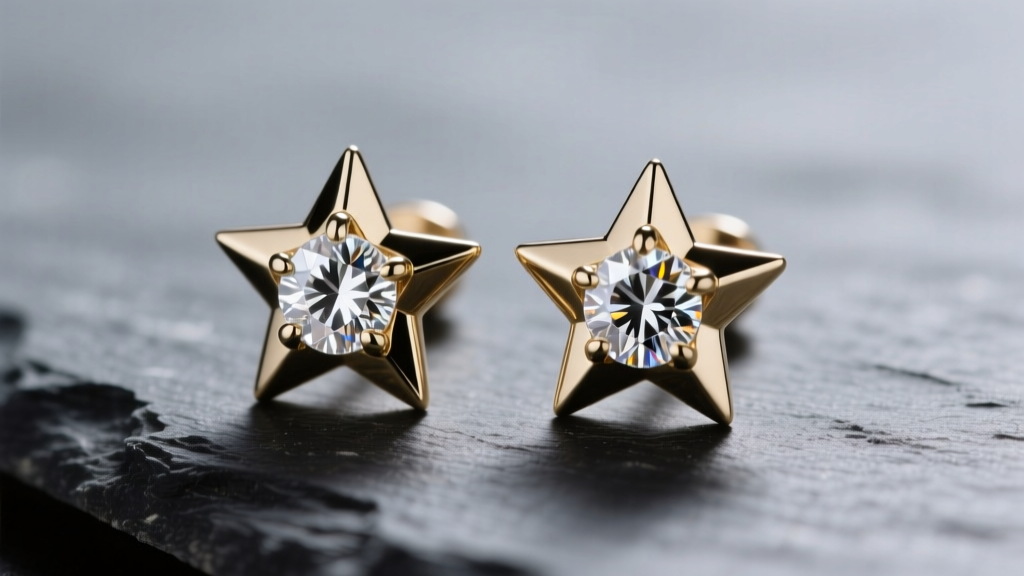
Introduction to Star Diamond Earrings
When it comes to expressive, non-traditional fine jewelry, star diamond earrings occupy a unique space in the market. Unlike standard round brilliants or princess cuts, the star cut is a 'fancy shape' that demands precision, specialized setting techniques, and a keen eye for symmetry. For beginners stepping into the world of fancy-shaped diamonds, the sheer number of variables—from facet alignment to prong vulnerability—can feel overwhelming. This guide breaks down the exact specifications, material grades, and structural requirements you need to know before investing in a pair of star-shaped diamond studs or drops in 2026.
The Anatomy of a Star Cut Diamond
A standard round brilliant diamond features 57 or 58 facets designed to maximize light return. Star-cut diamonds, however, fall into the category of modified brilliants or custom fantasy cuts. Depending on the specific cutter and the number of points (typically five or six), a star diamond can feature anywhere from 43 to over 70 facets. The primary goal of this facet arrangement is to create a distinct, recognizable silhouette while maintaining scintillation.
The Bow-Tie Effect
One of the most critical concepts to understand when evaluating star diamond earrings is the 'bow-tie effect.' This is a dark, bow-tie-shaped shadow that can appear across the center of elongated or complex fancy shapes when light is obstructed by the cutter's facet alignment. While a slight shadow can add contrast and depth, a severe bow-tie will make the center of the star look opaque and lifeless. Always request high-definition 360-degree videos from the jeweler to inspect the stone's light performance before purchasing.
Grading Star Diamonds: Beyond the Standard 4 Cs
The Gemological Institute of America (GIA) does not assign an overall 'Cut Grade' to fancy-shaped diamonds like stars, as they do for round brilliants. Instead, you must rely heavily on Polish and Symmetry grades, alongside careful color and clarity selection.
Symmetry is Non-Negotiable
For a star diamond, symmetry is the single most important factor on the grading report. If the points are not perfectly equidistant and aligned, the star will look warped or lopsided when set in an earring post. According to the GIA Diamond Cut Guide, fancy shapes require meticulous evaluation of their outline and facet alignment. Always demand a symmetry grade of 'Very Good' or 'Excellent' for star cuts.
Clarity and Structural Integrity
Because the points of a star diamond are incredibly sharp and thin, they are structurally vulnerable. An inclusion (internal flaw) located near one of the star's points creates a weak spot that can cause the diamond to chip or fracture during the setting process. The Gemological Institute of America (GIA) notes that inclusion placement is just as vital as the clarity grade itself. Aim for a minimum of VS1 or VS2 clarity, and visually inspect the stone to ensure no dark crystals are situated near the outer tips.
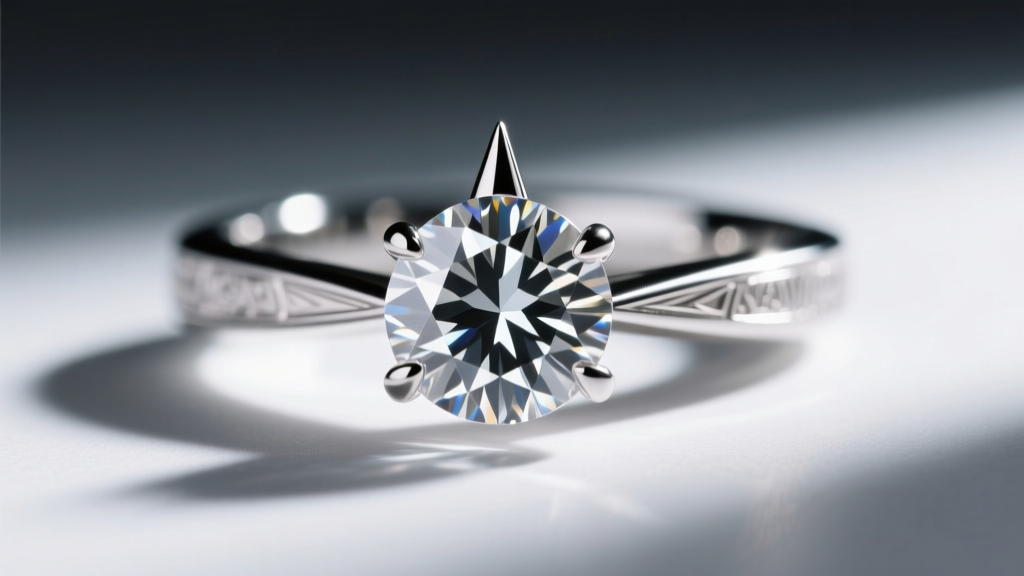
Metal Selection and the V-Prong Necessity
The metal you choose for your star diamond earrings dictates both the aesthetic and the longevity of the piece. More importantly, the type of prong used to secure the stone is a matter of structural survival.
Why V-Prongs Are Mandatory
Standard round prongs wrap over the top of a diamond's edge. However, placing a standard prong over the razor-sharp point of a star diamond leaves the tip exposed to chipping and fails to grip the stone securely. Master jewelers use 'V-prongs'—custom-forged metal tips shaped like the letter V that completely cup and protect the sharp points of the star. If a jeweler attempts to set a star diamond with standard prongs, walk away immediately.
| Metal Type | Durability for V-Prongs | Maintenance Level | Best For |
|---|---|---|---|
| Platinum (950) | Exceptional (Dense, won't wear away) | Low (Develops a patina, but metal is not lost) | Heirloom pieces, maximum point protection |
| 14k White Gold | Good (Hard alloy, but rhodium wears off) | Medium (Requires re-plating every 1-2 years) | Budget-conscious buyers wanting a bright white look |
| 18k Yellow Gold | Fair (Softer metal, prongs can bend) | Low (No plating needed, easy to polish) | Vintage aesthetics, warm skin tones |
As outlined by the Federal Trade Commission (FTC) Jewelry Guides, ensure your metal is properly stamped (e.g., 'PT950' or '14K') to guarantee the alloy purity required to hold the tension of a V-prong setting over time.
Sizing, Spread, and Face Shape Harmony
Star diamonds often have a larger 'spread' (the physical millimeter measurement across the stone) compared to round diamonds of the same carat weight. This means a 0.50-carat star diamond will visually appear larger on the earlobe than a 0.50-carat round brilliant.
- Round Faces: Elongated 6-pointed star drops or dangles help draw the eye vertically, creating a slimming illusion.
- Square/Angular Faces: 5-pointed star studs with softer, slightly rounded facet junctions soften the jawline.
- Heart-Shaped Faces: Medium-sized star huggies or hoops add width and balance to a narrower chin.
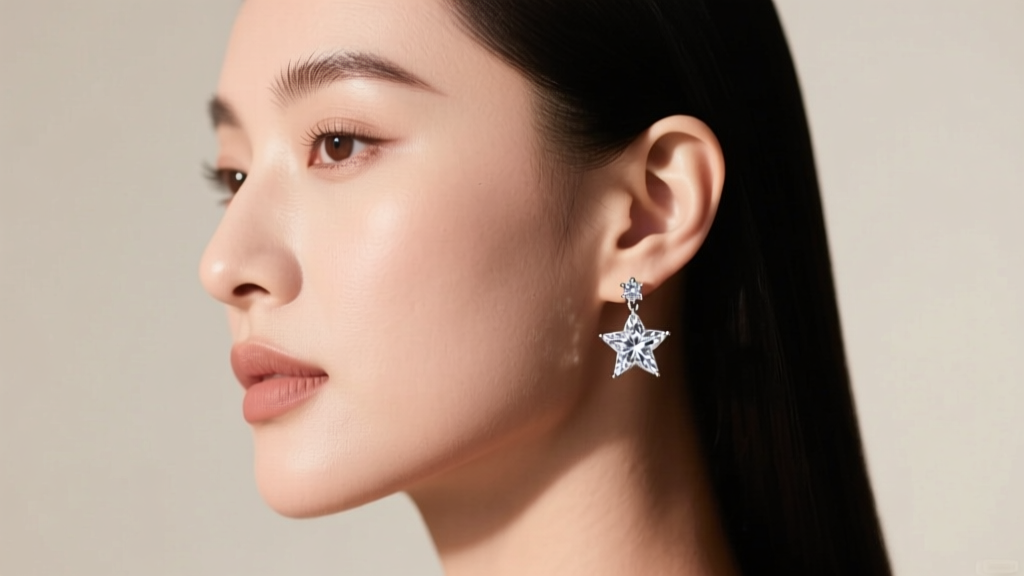
2026 Pricing Tiers for Star Diamond Earrings
Pricing for fancy-shaped diamonds fluctuates based on the rarity of the cut and the precision required by the lapidary. Because star cuts yield a high amount of rough diamond waste, they carry a premium over standard shapes. Below is a realistic pricing framework for natural, earth-mined star diamond earrings in the current market.
| Total Carat Weight (CTW) | Size Category | Estimated Price Range (USD) | Ideal Use Case |
|---|---|---|---|
| 0.20 - 0.30 CTW | Micro / Petite | $400 - $850 | Second piercings, cartilage studs, minimalist daily wear |
| 0.50 - 0.75 CTW | Standard Stud | $1,200 - $2,800 | Primary lobe studs, professional environments |
| 1.00 - 1.50 CTW | Statement | $3,500 - $7,500+ | Evening wear, milestone gifts, high-impact drops |
Note: Lab-grown star diamond alternatives offer identical chemical and optical properties at roughly 20% to 30% of the natural diamond prices listed above, making them a popular choice for intricate, high-carat fantasy cuts.
Expert Troubleshooting and Long-Term Care
Owning star diamond earrings requires a shift in how you maintain your jewelry box. The very geometry that makes them stunning also makes them high-maintenance.
'Never place star-cut or marquise diamonds in an ultrasonic cleaner. The high-frequency vibrations can easily rattle the stone against the rigid V-prong, micro-chipping the delicate points or loosening the setting entirely. Stick to warm water, mild dish soap, and a soft baby toothbrush.' — Master Bench Jeweler
Furthermore, because the points of the star extend outward, they are prone to catching on knitwear, silk blouses, and hair. Always put your star diamond earrings on after you have finished styling your hair and applying makeup to prevent cosmetic buildup in the complex facet junctions, which can dull the stone's brilliance over time. Schedule a professional prong-tightening inspection with your jeweler every 12 months to ensure the V-tips remain flush against the diamond's girdle.


