The Ultimate Guide to Buying Handmade Wire Earrings
Discover what to look for when buying handmade wire earrings. Learn about wire gauges, metal tempers, craftsmanship red flags, and artisan pricing.

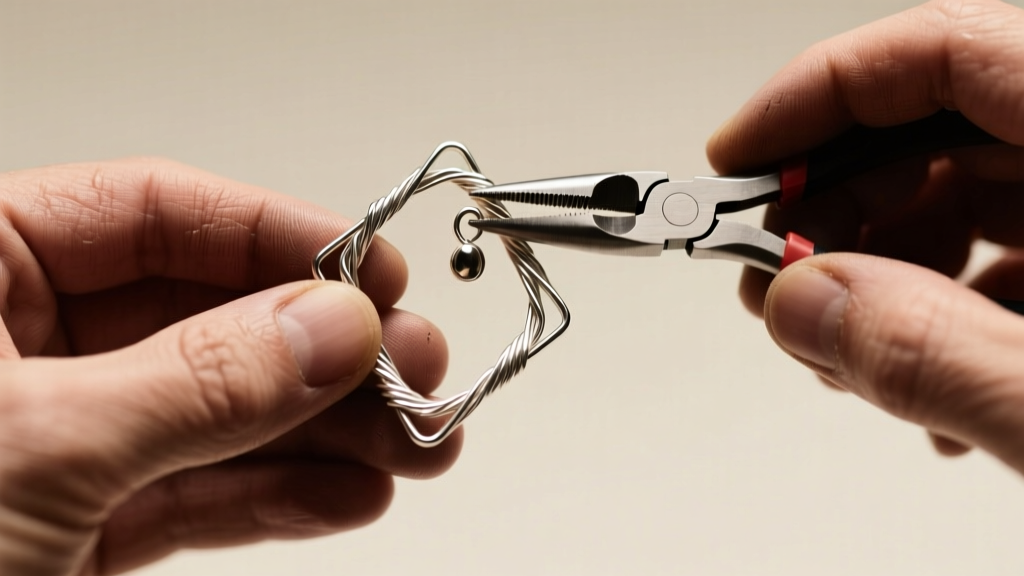
The Art and Engineering of Handmade Wire Earrings
Handmade wire earrings represent a unique intersection of metallurgy, sculptural art, and wearable fashion. Unlike cast or stamped jewelry, wire-wrapped and woven earrings are constructed entirely by hand, relying on the tension, temper, and gauge of the metal to secure gemstones and create intricate geometric or organic frameworks. As we navigate the jewelry market in 2026, the demand for artisan-crafted, hypoallergenic, and sustainably sourced wire jewelry has never been higher. However, not all wire work is created equal. A poorly constructed pair can snag on clothing, bend out of shape, or irritate sensitive earlobes. This comprehensive buying guide will equip you with the technical knowledge needed to evaluate craftsmanship, understand material grades, and invest in high-quality handmade wire earrings that last a lifetime.
Decoding Wire Gauges: The Structural Backbone
The foundation of any wire earring is its gauge. In the American Wire Gauge (AWG) system, the higher the number, the thinner the wire. Understanding which gauges are appropriate for specific structural elements is the first step in spotting well-made jewelry. According to industry standards outlined by Fire Mountain Gems, using a wire that is too thin for a structural frame will result in an earring that collapses under its own weight, while using a wire that is too thick for weaving will look clumsy and bulk up the design.
| AWG Size | Diameter (mm) | Primary Use in Earrings | Structural Role |
|---|---|---|---|
| 16g - 18g | 1.29 - 1.02 | Heavy ear wires, clasps, thick structural frames | High load-bearing; resists bending |
| 20g | 0.81 | Standard ear wires, main bezels, primary frames | Versatile; holds shape well when work-hardened |
| 22g | 0.64 | Wrapping, securing cabochons, secondary frames | Moderate flexibility; ideal for tight loops |
| 24g - 26g | 0.51 - 0.40 | Fine weaving, coiling, micro-macrame accents | Decorative; low structural integrity alone |
| 28g - 30g | 0.32 - 0.25 | Micro-weaving, threading through tiny briolettes | Purely decorative; highly fragile |
When buying handmade wire earrings, look for a harmonious mix of gauges. A high-quality artisan will typically use 20g or 18g half-hard wire for the ear hook and main structural frame, stepping down to 22g or 24g dead-soft wire for the decorative weaving and stone wrapping.
The Science of Wire Temper and Work Hardening
Wire temper refers to the metal's hardness and malleability, a critical factor detailed by jewelry supply authorities like Rio Grande. Artisans purchase wire in three primary tempers:
- Dead Soft: Extremely pliable and easy to bend. It is used for tight wrapping, weaving, and shaping around complex gemstone curves. However, it will not hold a structural shape on its own.
- Half-Hard: Offers a balance of malleability and rigidity. It is the industry standard for crafting ear wires, jump rings, and structural frames because it resists pulling open under the weight of the earring.
- Full-Hard: Very stiff and brittle. It is rarely used in wire wrapping because it tends to snap when bent at sharp angles, though it may be used for rigid, straight structural pins.
The Crucial Role of Work Hardening
A vital concept in wire jewelry is work hardening. As dead-soft wire is bent, coiled, and hammered, its molecular structure compresses, making it harder and more brittle. Master artisans use nylon-jaw pliers, rawhide mallets, or rotary tumblers to deliberately work-harden their structural frames after weaving. If you receive a pair of handmade wire earrings and the main frame bends easily when you gently squeeze it between your thumb and forefinger, the artisan failed to adequately work-harden the piece. This is a major red flag indicating the earrings will quickly lose their shape during regular wear.
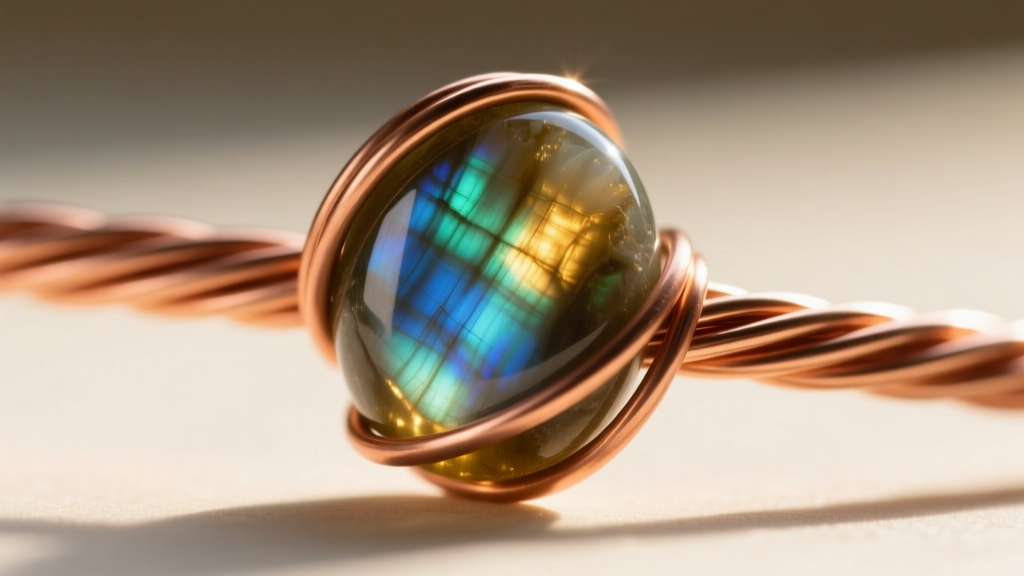
Evaluating Craftsmanship: The Loupe Test
When shopping for artisan wire earrings online or at craft fairs, you must look closely at the finishing details. High-end wire wrapping requires precision, patience, and specialized flush-cutters. Here is a practical decision framework for evaluating quality:
1. Flush Cuts and Tucked Ends
Every piece of wire must have a clean, flush cut. There should be no sharp "pokers" or jagged edges protruding from the weave. Furthermore, the ends of weaving wires should be meticulously tucked under adjacent wraps or filed completely smooth. Run your finger (or a piece of silk fabric) over the back of the earring; if it snags, the finishing is subpar and poses a risk to your hair and skin.
2. Tension and Symmetry
In woven designs (such as basket weaves or Viking knits), the tension must be uniform. Loose wires will slide out of place and unravel over time. For symmetrical designs, compare the left and right earrings. While handmade items possess natural variations, the core structural geometry and stone placement should mirror each other closely.
3. Stone Security
Unlike prong settings, wire-wrapped bezels rely on tension and overlapping wraps to secure a stone. The wire should sit flush against the curve of the cabochon or briolette. If you can see daylight between the wire and the stone, or if the stone rattles when gently shaken, the bezel was not formed correctly to the stone's exact dimensions.
"True mastery in wire wrapping isn't just about complex weaves; it's about the invisible details. A master jeweler's work is defined by perfectly flush cuts, seamless tension, and structural integrity that survives the rigors of daily wear without relying on solder or glue."
Material Matters: Hypoallergenic & Tarnish-Resistant Options
The metal chosen for handmade wire earrings dictates both the longevity and the biocompatibility of the piece. As consumer awareness regarding metal sensitivities grows in 2026, top-tier artisans are moving beyond standard sterling silver and copper.
- Argentium Silver: A modern alloy containing germanium, Argentium is highly tarnish-resistant and hypoallergenic. It is brighter than traditional sterling silver and is a premium choice for heirloom-quality wire work.
- Niobium: An incredibly reactive metal that can be anodized into vibrant, permanent colors using electricity. Niobium is 100% hypoallergenic and contains no nickel, making it the gold standard for sensitive cartilage and lobe piercings.
- Titanium: Lightweight, incredibly strong, and biocompatible. While difficult to weave due to its stiffness, it is often used for the ear wires themselves, paired with softer metals for the decorative body.
- Copper & Brass: Excellent for practicing and creating rustic, earthy designs. However, they oxidize quickly and can turn the skin green due to acidic sweat reactions. Look for artisans who apply a durable micro-crystalline wax or lacquer sealant to copper pieces.
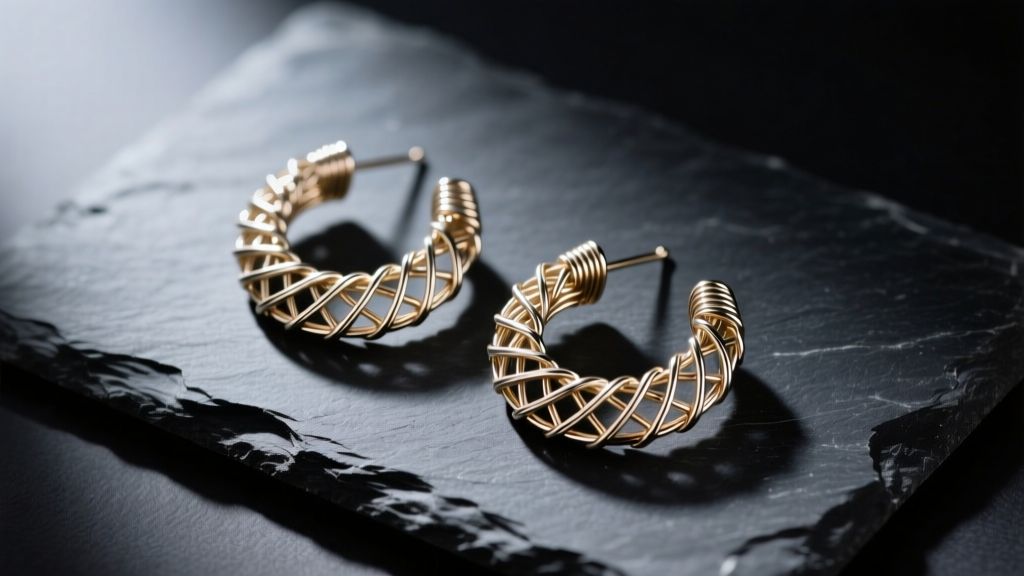
Artisan Pricing Tiers: What Should You Pay?
Handmade wire earrings are labor-intensive. A complex woven pair can take an artisan anywhere from two to eight hours to complete. When evaluating prices, consider the cost of materials, the complexity of the weave, and the artist's expertise.
| Pricing Tier | Typical Cost (USD) | What to Expect |
|---|---|---|
| Entry-Level | $25 - $50 | Simple wire-wrapped briolettes, basic copper or brass frames, minimal weaving, beginner to intermediate craftsmanship. |
| Mid-Tier Artisan | $65 - $140 | Sterling silver or gold-filled wire, complex weaves (e.g., coiled basket weaves), high-quality semi-precious cabochons, excellent finishing. |
| Master / Heirloom | $150 - $350+ | Argentium silver, solid 14k/18k gold wire, rare or custom-cut gemstones, micro-weaving techniques, flawless structural engineering. |
Care and Maintenance for Wire-Wrapped Jewelry
Because wire earrings rely on tension rather than soldered joints, they require specific care to maintain their structural integrity. The Gemological Institute of America (GIA) frequently warns against using ultrasonic cleaners on jewelry with tension settings or porous gemstones. The high-frequency vibrations can loosen wire wraps and fracture delicate stones like opals, turquoise, or raw emeralds.
Daily Care Routine:
- Cleaning: Use a soft, untreated microfiber cloth to gently wipe away skin oils and environmental dust. For heavier tarnish on silver, use a treated polishing cloth, but avoid rubbing the weaving wires too aggressively, as this can pull them out of alignment.
- Storage: Never toss wire earrings loosely into a jewelry box. The intricate loops and hooks will inevitably tangle and bend. Store them flat in a dedicated compartment or hang them from a specialized jewelry rack.
- Wear Precautions: Put your wire earrings on after applying hairspray, perfumes, and lotions. Remove them before sleeping, showering, or exercising to prevent accidental crushing and exposure to corrosive sweat.
Final Thoughts on Sourcing Artisan Wire Jewelry
Buying handmade wire earrings is an investment in wearable sculpture. By understanding the nuances of wire gauges, demanding proper work hardening, and inspecting the finishing details, you can confidently separate mass-produced imitations from true artisan mastery. Whether you are drawn to the earthy appeal of oxidized copper weaves or the brilliant sparkle of Argentium silver micro-wraps, prioritizing structural engineering ensures your favorite pieces will remain a staple in your collection for years to come.


