Birthstone November Earrings: The Ultimate Buying Guide
Discover how to choose the perfect birthstone November earrings. Compare citrine and topaz grades, settings, and pricing in our expert guide.

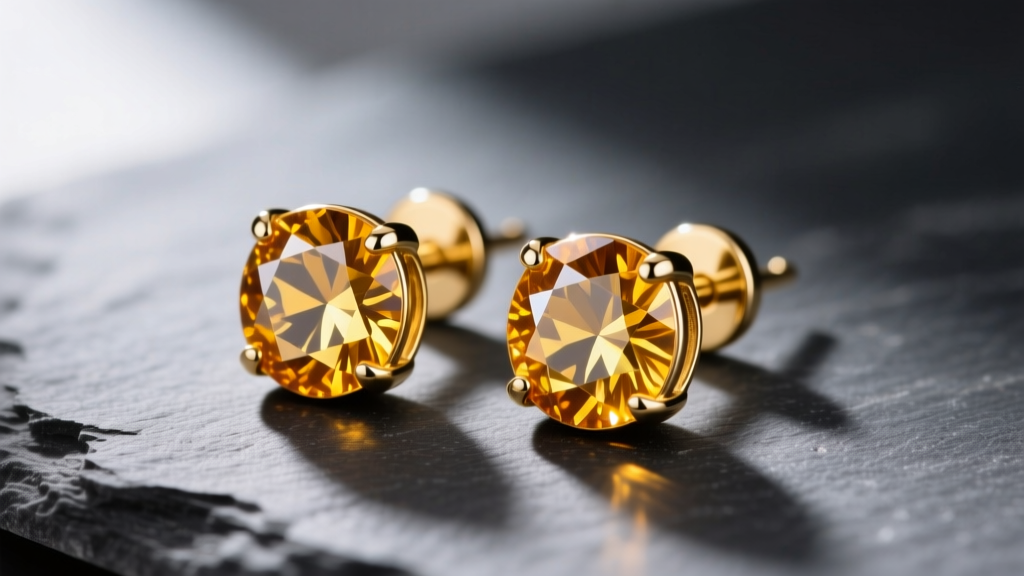
The Dual Gemstones of November: Citrine and Topaz
When shopping for birthstone November earrings, buyers are uniquely spoiled with a choice between two distinct and captivating gemstones: Citrine and Topaz. As we navigate the jewelry market in 2026, consumer preferences have shifted heavily toward traceability, untreated stones, and hyper-specific color grades. Whether you are purchasing a gift for a November-born loved one or treating yourself, understanding the gemological nuances, structural vulnerabilities, and ideal earring settings for these stones is critical.
Unlike the diamond or ruby markets, where pricing is heavily gatekept, the citrine and topaz markets offer incredible value—provided you know how to identify quality. This comprehensive buying guide will dissect the exact color grades, clarity expectations, metal pairings, and earring anatomy you need to consider before making a purchase.
Citrine Earrings: Evaluating the Golden Quartz
Citrine is the yellow-to-orange variety of quartz, ranking at a 7 on the Mohs hardness scale. According to the Gemological Institute of America (GIA), natural citrine is exceptionally rare. The vast majority of citrine on the market today is actually amethyst that has been heat-treated to produce golden hues. While this treatment is permanent and universally accepted in the gem trade, it drastically impacts the pricing and collector value of the stone.
Color Grades to Target
Not all citrine is created equal. When evaluating birthstone November earrings featuring citrine, look for these specific trade names:
- Madeira Citrine: The most valuable grade, featuring deep, saturated reddish-orange tones reminiscent of the fortified Portuguese wine. Expect to pay a premium ($40–$80 per carat) for verified Madeira stones.
- Rio Grande Citrine: A slightly lighter, vibrant orange hue that mimics a sunset. It is highly sought after for drop earrings and offers excellent brilliance.
- Pale Yellow / Lemon Citrine: The most common and affordable grade. While beautiful, it lacks the depth of Madeira and is often priced under $10 per carat.
Clarity and Cut
Because citrine forms in large, relatively inclusion-free crystals, you should demand eye-clean stones (VVS to VS clarity). Any visible inclusions or cloudiness in a citrine stud or dangle earring is a red flag indicating poor rough material. Furthermore, citrine is heavily pleochroic; a precision custom cut is required to ensure the stone faces up with its richest color rather than looking washed out.
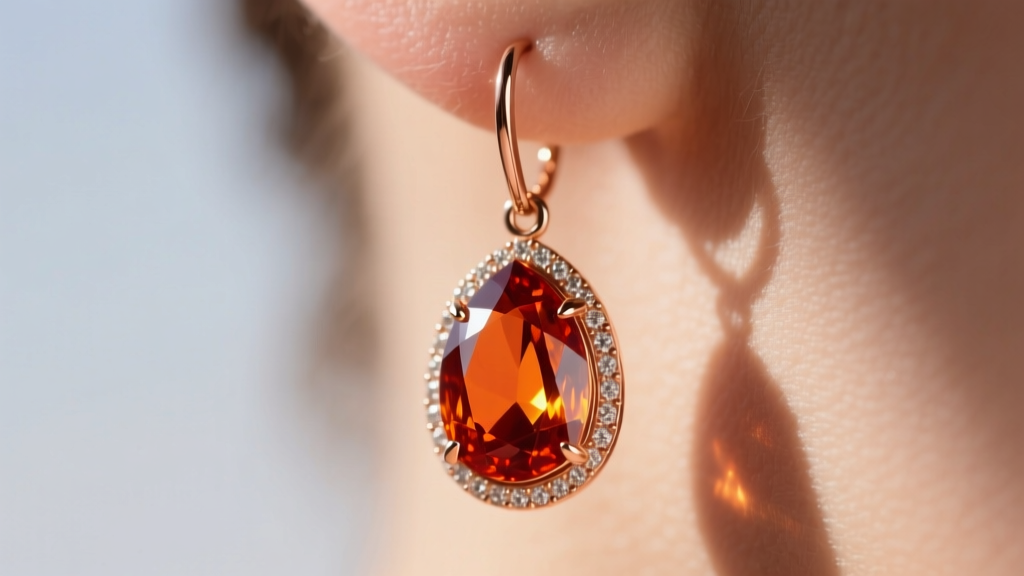
Topaz Earrings: Navigating Cleavage and Color
Topaz is an entirely different mineral species, ranking at an 8 on the Mohs scale. However, hardness does not equal toughness. Topaz possesses perfect basal cleavage, meaning it can split cleanly along a specific crystallographic plane if struck at the wrong angle. This makes the choice of earring setting absolutely paramount.
Blue Topaz vs. Imperial Topaz
The market is flooded with Blue Topaz, but natural Imperial Topaz remains the true collector's prize for November birthstone jewelry.
- London Blue Topaz: A deep, inky blue with slight grey/green undertones. Almost all blue topaz is created by irradiating and heating colorless topaz. It is incredibly affordable ($10–$25 per carat) and looks stunning in white gold or platinum settings.
- Swiss & Sky Blue Topaz: Lighter, brighter blues. Sky blue is the palest and least expensive, while Swiss sits in the middle.
- Imperial Topaz: A rare, naturally occurring stone from Ouro Preto, Brazil, displaying a magnificent pinkish-orange to purplish-red hue. Untreated Imperial Topaz commands $1,000 to $3,000+ per carat. If a retailer is selling "Imperial" topaz earrings for under $200, they are likely selling coated or treated stones.
The Cleavage Factor: Why Setting Matters
Because topaz can cleave upon impact, prong settings on sharp corners (like pear, marquise, or princess cuts) are highly risky for dangle earrings that swing and collide with the neck or hair. Always opt for bezel settings, halo settings, or V-prongs on the tips of topaz stones to protect the cleavage planes.
Earring Anatomy: Gauge Sizes and Weight Distribution
A common mistake buyers make when selecting gemstone earrings is ignoring the metal post gauge and the physical weight of the stone. Citrine and Topaz are relatively dense, and large-carat stones can cause significant earlobe drooping.
Standard Gauge Sizes
- 20-Gauge (0.81mm): The standard for lightweight studs. Avoid this gauge for citrine or topaz stones over 2.0 carats, as the thin wire will bend under the gem's weight.
- 18-Gauge (1.02mm): The ideal thickness for medium-to-large drop earrings and dangles. It provides enough structural integrity to support a 5-carat topaz briolette without warping.
- 16-Gauge (1.29mm): Typically reserved for cartilage piercings. If you are buying topaz huggies or flat-back labrets for the helix or tragus, verify the post is 16G to match standard cartilage piercing jewelry.
Friction Backs vs. Screw Backs
For valuable Imperial Topaz or heavy Madeira Citrine drops, standard butterfly friction backs are insufficient. The American Gem Society (AGS) frequently notes that heavy earrings slip down the lobe, altering the angle of the stone and ruining its light return. Insist on La Pousette backs, screw backs, or jumbo silicone earring nuts to keep heavy November birthstone earrings perfectly perpendicular to the floor.
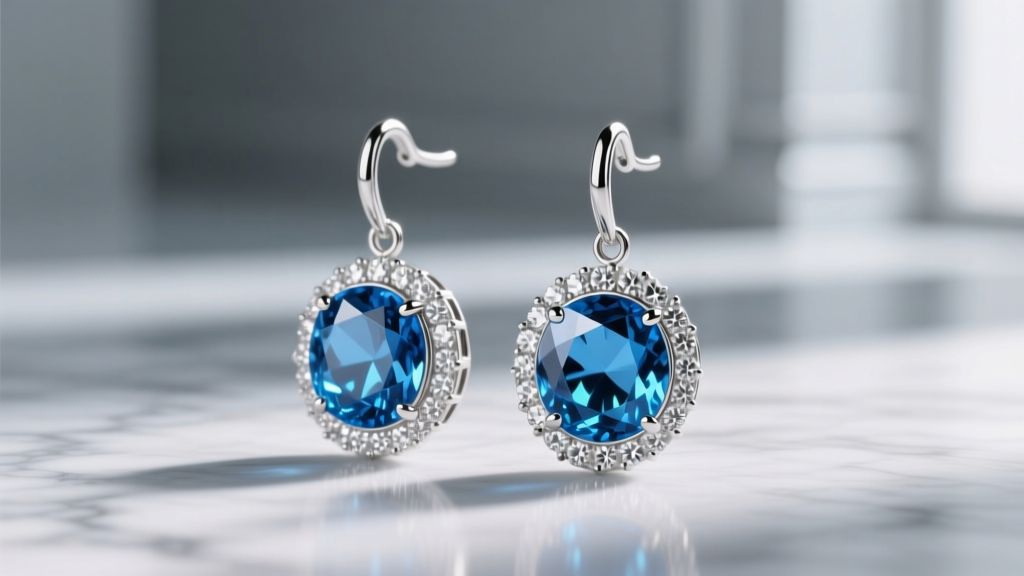
Metal Pairings: Enhancing the Gemstone
The metal you choose will either elevate or mute your November birthstone. Here is the 2026 standard for metal-to-gemstone pairing:
- 14k or 18k Yellow Gold: The undisputed champion for Citrine. The warm undertones of yellow gold amplify the orange and yellow flashes within Madeira and Rio Grande citrine, creating a cohesive, vintage-inspired look.
- Rose Gold: Creates a beautiful, romantic contrast with pale lemon citrine and enhances the pinkish hues of Imperial Topaz.
- White Gold & Platinum: The mandatory choice for London Blue Topaz. The cool, silvery reflections of platinum or rhodium-plated white gold provide a crisp, icy backdrop that makes the deep blue of the topaz pop dramatically.
Pricing & Value Comparison Chart
To help you budget and identify fair market value, consult the comparison table below. Prices reflect the 2026 retail market for well-cut, eye-clean stones in standard 14k gold earring settings.
| Gemstone Variety | Mohs Hardness | Cleavage Risk | Avg. Price per Carat | Ideal Earring Style | Best Metal Pairing |
|---|---|---|---|---|---|
| Lemon Citrine | 7 | None | $5 - $15 | Cluster Studs | 14k Yellow Gold |
| Madeira Citrine | 7 | None | $40 - $80 | Bezel Drops | 18k Yellow Gold |
| London Blue Topaz | 8 | High (Basal) | $10 - $25 | Halo Dangles | Platinum / White Gold |
| Swiss Blue Topaz | 8 | High (Basal) | $15 - $30 | Huggie Accents | White Gold |
| Imperial Topaz | 8 | High (Basal) | $1,000 - $3,500+ | Protected Studs | 18k Rose Gold |
Care and Maintenance for November Stones
Both citrine and topaz require specific care routines to maintain their brilliance in earring form. Because earrings are frequently exposed to hairspray, perfumes, and natural skin oils, they can quickly develop a cloudy film.
- Cleaning: Use only warm water, a mild dish soap, and a soft baby toothbrush. Never use ultrasonic cleaners for Topaz, as the high-frequency vibrations can trigger the stone's perfect cleavage, causing it to fracture internally.
- Storage: Topaz (Mohs 8) can easily scratch Citrine (Mohs 7). Store your birthstone November earrings in individual soft cloth pouches or separate compartments in a jewelry box to prevent cross-scratching.
- Wear Order: Always put your gemstone earrings on after applying makeup, hairspray, and perfume to prevent chemical buildup on the facet junctions.
"When investing in high-carat November birthstones, the setting is just as important as the stone itself. A well-engineered bezel not only protects topaz from cleaving but also provides a sleek, modern silhouette that aligns with current 2026 jewelry trends." — Senior Gemologist Appraisal Notes
The Expert Verdict
Choosing between citrine and topaz for your birthstone November earrings ultimately comes down to lifestyle and aesthetic preference. If you desire a warm, autumnal glow with high durability and zero cleavage risks, Madeira Citrine in 18k yellow gold is an unbeatable, budget-friendly choice. However, if you prefer striking, icy brilliance and are willing to invest in protective halo or bezel settings, London Blue Topaz in platinum offers a luxurious, high-end look that rivals sapphires at a fraction of the cost. By prioritizing precision cuts, appropriate post gauges, and protective settings, your November birthstone earrings will remain a cherished staple in your collection for decades to come.


