The Woman With The Pearl Earring Movie: Pearl Earring Buying Guide
Discover how to buy luminous pearl drop earrings inspired by The Woman With The Pearl Earring movie. Expert guide on sizing, metals, and lobe support.

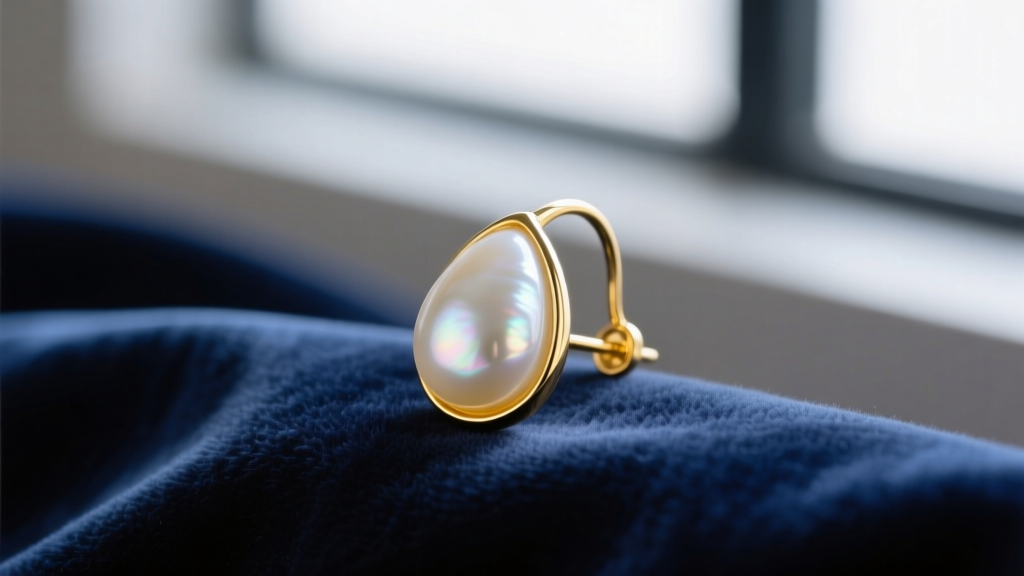
When audiences first watched the woman with the pearl earring movie, the striking visual of Griet’s single, luminous teardrop pearl became an instant icon of cinematic jewelry. The 2003 film, based on Tracy Chevalier’s novel and Johannes Vermeer’s legendary painting, elevated a single piece of jewelry from a mere accessory to a central plot device. The earring in the film is not just a stud; it is a massive, light-catching drop that symbolizes beauty, class tension, and artistic obsession.
For jewelry enthusiasts and collectors, replicating this iconic look requires more than buying a standard pearl stud. It demands an understanding of pearl sizing, nacre quality, historical metal aesthetics, and the biomechanics of supporting heavy jewelry on the earlobe. This comprehensive buying guide will walk you through exactly what to look for when sourcing a 'Vermeer-style' pearl earring in 2026, ensuring you get a piece that is both historically evocative and structurally sound.
The Iconic Allure: Decoding the Movie's Signature Jewel
In the film, the earring is characterized by its substantial size, its slightly asymmetrical teardrop (or baroque) shape, and its mirror-like luster that catches the soft, directional light of Vermeer’s studio. To achieve this exact aesthetic, you must look beyond standard round pearls. The visual weight of the earring is what gives it its dramatic presence on screen. A standard 7mm Akoya pearl will simply not deliver the cinematic gravity required. You need a pearl that commands attention, typically ranging from 12mm to 15mm in diameter, with a pronounced drop or baroque silhouette that elongates the neck and draws the eye.
Pearl Types: Sizing, Luster, and Origin
Not all pearls are created equal, and when you are hunting for the dramatic scale seen in the woman with the pearl earring movie, your options narrow significantly. The Gemological Institute of America (GIA) categorizes pearls by their origin and cultivation method, which directly impacts their maximum size and luster profile.
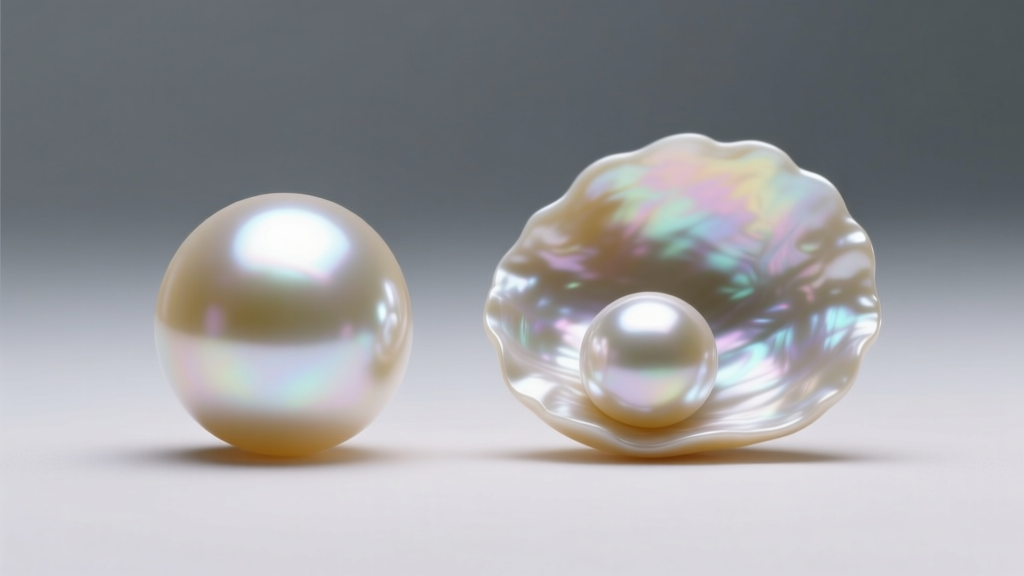
White South Sea Pearls
White South Sea pearls are the gold standard for large, luxurious drops. Cultivated primarily in Australia and the Philippines, these pearls naturally grow to sizes between 10mm and 15mm. They possess a soft, satiny luster that closely mimics the historical pearls of the 17th century. A 14mm teardrop South Sea pearl will give you the exact cinematic scale, but expect to pay a premium for high-luster specimens with clean surfaces.
Edison Freshwater Pearls
For a more accessible alternative that does not sacrifice size or luster, Edison freshwater pearls are the modern buyer's secret weapon. These are bead-nucleated freshwater pearls that can reach 13mm to 16mm. They often exhibit a sharper, more metallic luster than South Sea pearls and come in stunning teardrop and baroque shapes. While their luster is slightly different from the historical ideal, their size and price point make them an exceptional choice for a dramatic drop earring.
Why Skip Akoya?
Akoya pearls are famous for their sharp, mirror-like luster, but they rarely exceed 9mm or 10mm. For the specific, oversized look required by the movie's aesthetic, Akoya pearls will simply look too small and delicate.
| Pearl Type | Average Size Range | Luster Profile | Estimated Price (Per Pair, 12mm+) |
|---|---|---|---|
| White South Sea | 10mm - 15mm | Soft, satiny, luxurious | $800 - $3,500+ |
| Edison Freshwater | 11mm - 16mm | Sharp, metallic, bright | $150 - $600 |
| Akoya | 6mm - 9.5mm | Sharp, mirror-like | N/A (Too small for this look) |
The Setting and Metal: Achieving the 17th-Century Aesthetic
The metalwork holding the pearl is just as crucial as the gem itself. In the 17th century, white gold and platinum were not used in European jewelry; yellow gold was the undisputed standard. To capture the warm, painterly glow of the movie's cinematography, you should seek out settings in 18k yellow gold. The rich, buttery tone of 18k gold complements the soft white or silver overtones of a large pearl, creating a historical authenticity that 14k or 10k gold cannot match.
However, pure 24k gold is too soft to support the weight of a 14mm pearl drop. An 18k alloy (75% gold, 25% copper and silver) provides the necessary tensile strength while maintaining that deep, historical color. Look for simple, unadorned settings—either a basic gold cap (bell cap) or a minimal gold wire wrap. Elaborate diamond halos or modern geometric cages will instantly break the period illusion.
Weight Distribution and Earlobe Health
This is the most overlooked factor when buying oversized pearl drops. A high-quality 14mm South Sea pearl can weigh between 4 and 6 grams per earring. When suspended from the earlobe, this concentrated weight creates a pendulum effect that can stretch, tear, or permanently damage the piercing fistula over time.
Post Gauge and Thickness
Standard commercial earrings use 20-gauge (0.81mm) or even 22-gauge (0.64mm) wire posts. Under the weight of a massive pearl, a 20-gauge post will slowly bend downward, causing the pearl to droop and point at the floor rather than hanging elegantly. For heavy drops, you must insist on an 18-gauge (1.02mm) or 16-gauge (1.29mm) post. This thicker wire will remain rigid and keep the pearl oriented correctly.
Securing the Earring
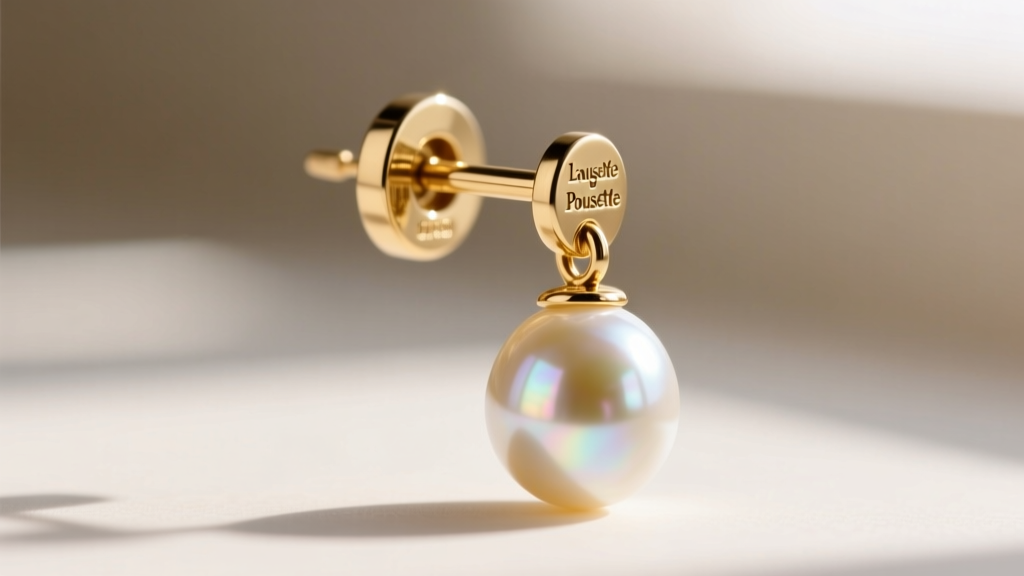
Standard friction 'butterfly' backs are entirely inadequate for heavy pearls; the weight will cause the earring to slowly slide off the post, leading to catastrophic loss. According to guidelines from Jewelers of America, securing valuable and heavy jewelry requires specialized backs. You should look for:
- La Pousette Backs: These feature a mechanical locking mechanism that clicks securely into a grooved post, making it nearly impossible for the earring to fall off accidentally.
- Silicone O-Rings or Discs: If your earring has a standard post, pairing it with high-quality medical-grade silicone stoppers provides immense friction and grips the earlobe gently, distributing the weight over a wider surface area to prevent sagging.
- Earlobe Support Patches: For extended wear, adhesive invisible earlobe support patches can be applied behind the ear to bear the brunt of the pearl's weight, protecting your piercing from stretching.
What to Look For: The 5-Point Vermeer Checklist
When evaluating a specific pearl for this iconic look, use this strict grading framework to ensure you are getting a stone worthy of a masterpiece:
- Luster (The 'Glow'): The pearl must reflect light sharply. Look for a 'mirror-like' or 'very high' luster grade. If the pearl looks chalky or dull, it will not catch the light cinematically.
- Shape (The Silhouette): Avoid perfectly round pearls. Seek out 'teardrop', 'oval', or 'semi-baroque' shapes. The slight asymmetry is what makes the earring look organic and historically accurate.
- Surface Cleanliness: Because the pearl is so large, blemishes are more visible. Accept minor surface characteristics (small bumps or ridges), but avoid pearls with deep cracks or chalky spots that compromise the nacre.
- Nacre Thickness: For South Sea pearls, ensure the nacre is at least 0.8mm thick. Thin nacre will peel over time, especially on heavy drops that experience friction against the neck.
- Drill Hole Quality: The drill hole at the top of the pearl should be small, clean, and centered. A ragged or overly large drill hole indicates poor manufacturing and can weaken the structural integrity of the pearl's tip.
Styling the 'Vermeer Drop' for Modern Wear
While the movie is set in the 1660s, wearing a massive pearl drop in 2026 requires a modern styling approach to avoid looking like you are wearing a costume. The most striking way to wear this piece is to borrow directly from the film's most famous frame: asymmetry. Wearing a single, massive pearl drop in one ear while leaving the other bare (or wearing a tiny, invisible stud) creates an avant-garde, high-fashion silhouette that feels incredibly contemporary.
Pair the earring with structured, minimalist clothing. A sharp-shouldered black blazer, a high-necked charcoal turtleneck, or a crisp white poplin shirt will provide a clean, uncluttered canvas that allows the pearl's luster to take center stage. Avoid wearing the pearl with other heavy, competing jewelry; let the drop be the sole focal point of your ensemble, just as it was the focal point of Vermeer's canvas and Webber's camera lens.


