Cabochon Earrings Trend 2026: The Rise of Tactile Gemstones
Discover the 2026 cabochon earrings trend. Learn how to style smooth, bezel-set tactile gemstones like moonstone and onyx for a quiet luxury aesthetic.

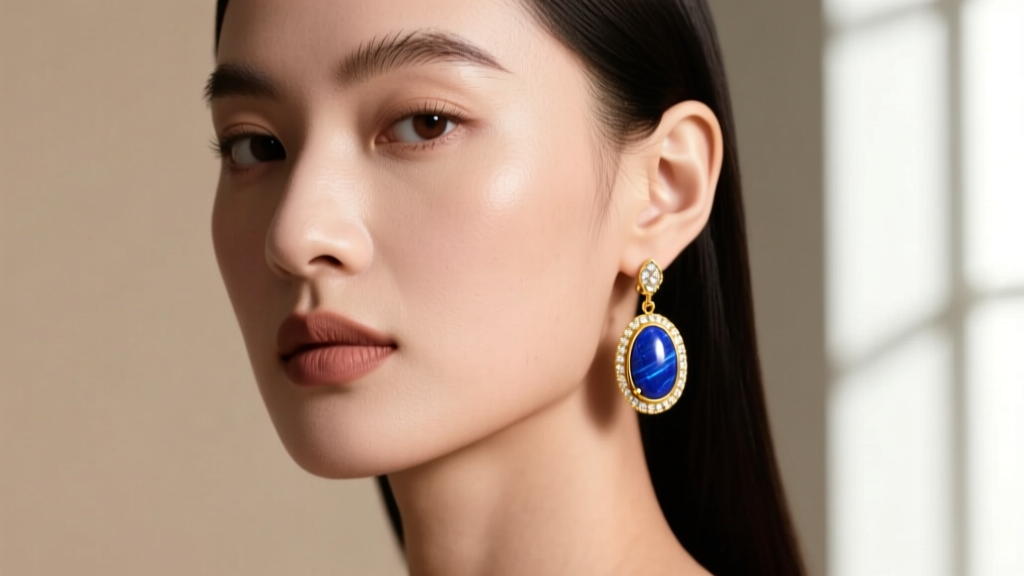
The jewelry landscape in 2026 has decisively pivoted away from the hyper-sparkly, heavily faceted silhouettes that dominated the early 2020s. In its place, a new aesthetic has taken root: Tactile Luxury. At the forefront of this movement are cabochon earrings. Characterized by their smooth, convex, and non-faceted surfaces, cabochon-cut gemstones offer a moody, grounded elegance that perfectly aligns with the modern desire for 'quiet luxury' with a sensory twist. Whether you are exploring high-dome moonstones or sleek, low-profile black onyx, understanding the structural and stylistic nuances of cabochon earrings is essential for navigating this year's market.
The 2026 Shift: Why Cabochon Earrings Are Dominating
Unlike faceted stones that rely on precise geometric angles to refract light, cabochons (from the French word caboche, meaning head) rely on their natural color, internal inclusions, and optical phenomena like adularescence or chatoyancy. According to the Gemological Institute of America (GIA), the cabochon cut is the oldest method of shaping gemstones, traditionally reserved for opaque or highly included stones that would not benefit from faceting.
In 2026, designers are intentionally selecting premium, translucent stones like jadeite, opal, and chrysoprase for cabochon cutting. The trend is driven by a consumer desire for jewelry that feels organic and touchable. Cabochon earrings catch the light in soft, sweeping glows rather than sharp flashes, making them incredibly versatile for both boardroom environments and evening wear.
Anatomy of a Cabochon: Cut, Setting, and Gauge Specs
To evaluate a pair of cabochon earrings like an industry insider, you must look beyond the stone and examine the structural engineering. Because cabochons lack the sharp girdle of a faceted stone, they require entirely different setting techniques.
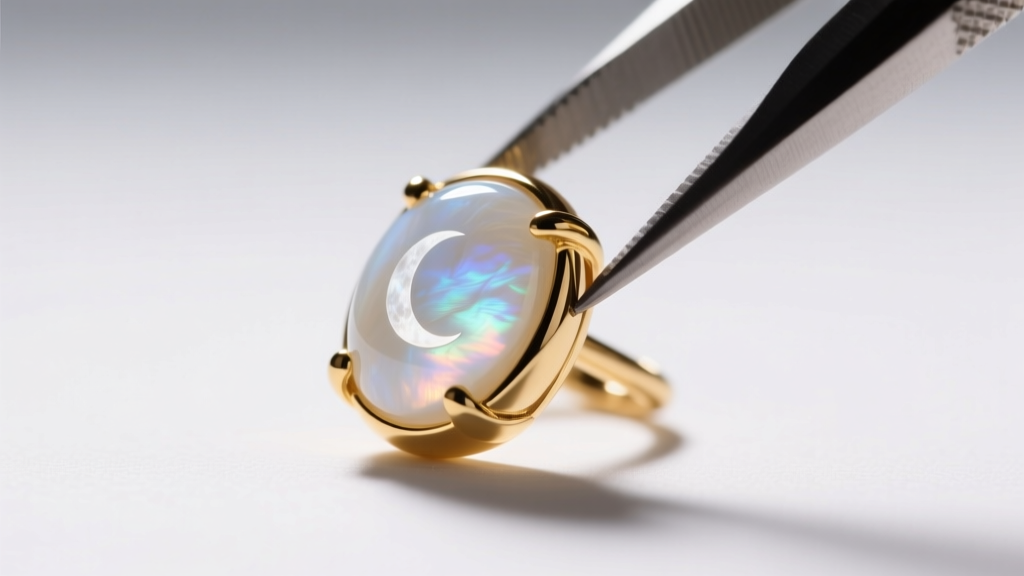
The Setting Debate: Bezel vs. Prong
While prong settings are occasionally used for low-dome cabochons, the bezel setting is the undisputed king of cabochon jewelry in 2026. A bezel involves a continuous ribbon of metal (usually 22-gauge or 24-gauge fine gold or silver) that is pushed and burnished over the curved edge of the stone.
- Full Bezel: Encircles the entire stone. Offers maximum protection for softer gems like turquoise (Mohs 5-6) but covers more surface area.
- Half-Bezel / Tab Setting: Uses two or four distinct metal tabs to secure the stone. This allows more light to enter translucent stones like moonstone, enhancing the 'schiller' effect without sacrificing security.
The Structural Imperative: Post and Wire Gauges
A common failure mode in mass-produced cabochon drop earrings is a bent post. Cabochons, particularly high-dome ovals and teardrops, carry more physical weight and have a higher center of gravity than flat faceted stones.
- Standard 20-Gauge Posts: Acceptable for small, lightweight cabochon studs (under 8mm).
- 18-Gauge or 16-Gauge Posts: Mandatory for drop or dangle cabochon earrings. The thicker wire prevents the earring from drooping forward on the earlobe, ensuring the stone sits flush and faces outward.
Material Matrix: Pairing Metals with Tactile Gems
The metal you choose dramatically alters the visual temperature of a cabochon. In 2026, high-contrast pairings are trending heavily. Below is a strategic framework for selecting your metal and stone combinations, complete with current market pricing for fine jewelry grades.
| Gemstone | Mohs Hardness | Ideal Metal Pairing | 2026 Price Range (14k Gold) |
|---|---|---|---|
| Black Onyx | 7.0 | 14k Yellow Gold (High Contrast) | $250 - $600 |
| Rainbow Moonstone | 6.0 - 6.5 | Platinum or White Gold (Enhances glow) | $400 - $950 |
| Sleeping Beauty Turquoise | 5.0 - 6.0 | 18k Yellow Gold (Warm, Southwestern) | $800 - $2,200 |
| Australian Opal | 5.5 - 6.5 | 14k Rose Gold (Highlights fire) | $1,500 - $4,500+ |
Face Shape & Silhouette: Styling Drop vs. Stud Cabochons
Because cabochons possess a distinct physical depth (the 'dome'), they interact with facial geometry differently than flat jewelry. Here is how to map cabochon silhouettes to specific face shapes for optimal styling.
- Round Faces: Avoid large, circular cabochon studs, which will echo and exaggerate the roundness of the face. Instead, opt for elongated cabochon drop earrings (like a marquise or teardrop onyx). The vertical line draws the eye downward, creating a slimming, lengthening effect.
- Square Faces: Soften a strong jawline with high-dome oval or round cabochon studs. The smooth, continuous curves of the stone provide a visual counterweight to angular facial features.
- Heart-Shaped Faces: Balance a narrower chin with chandelier or multi-stone cabochon dangles that add volume at the bottom of the ear. Cluster settings featuring small, low-dome lapis lazuli cabochons work beautifully here.
- Oval Faces: The universal shape. Oval faces can effortlessly pull off the 2026 trend of oversized, geometric cabochon ear cuffs that transition from the lobe to the mid-cartilage.
Care and Failure Modes: Protecting Your Smooth Stones
The very smoothness that makes cabochons so appealing also makes their surface scratches highly visible. Unlike faceted stones, where a scratch might be hidden in a light reflection, a scratch on a high-dome cabochon will disrupt the continuous light glide across the surface.
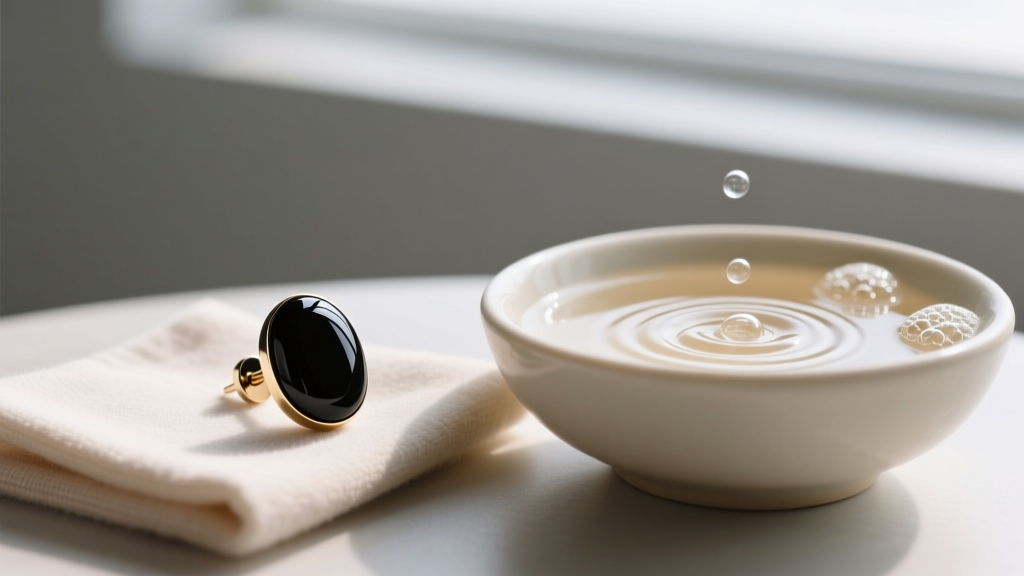
Expert Warning: Never place porous cabochon earrings (specifically turquoise, opal, and lapis lazuli) in an ultrasonic jewelry cleaner. The high-frequency vibrations can cause internal fracturing, and the chemical solutions can strip the natural oils from the stone, leading to a dull, chalky appearance. As noted by gemological care guidelines from Blue Nile, opaque and porous gems require strictly mechanical, gentle cleaning.
The Correct Cleaning Protocol
- Mix a few drops of pH-neutral dish soap in lukewarm (never hot) water.
- Use a baby-hair toothbrush to gently sweep the bezel wall where dust and lotion accumulate.
- Rinse briefly under a slow stream of distilled water to prevent hard water spotting on the dome.
- Pat dry with a lint-free microfiber cloth. Do not rub aggressively.
Final Verdict: Investing in the Cabochon Revival
The 2026 cabochon earrings trend is not a fleeting micro-trend; it is a fundamental correction in the jewelry market toward tactile, grounded, and historically rich designs. When investing in cabochon earrings, prioritize structural integrity—demand 18-gauge posts for drops and precise, gapless bezel settings. By choosing the right metal pairing and respecting the unique care requirements of smooth, domed gemstones, you secure a piece of jewelry that feels as luxurious to the touch as it looks to the eye.


