How to Evaluate the Cost of 1 Carat Diamond Earrings in 2026
Learn how to calculate the true cost of 1 carat diamond earrings in 2026. Step-by-step pricing guide covering the 4Cs, lab-grown vs. natural, and settings.

Introduction: Navigating the Diamond Earring Market
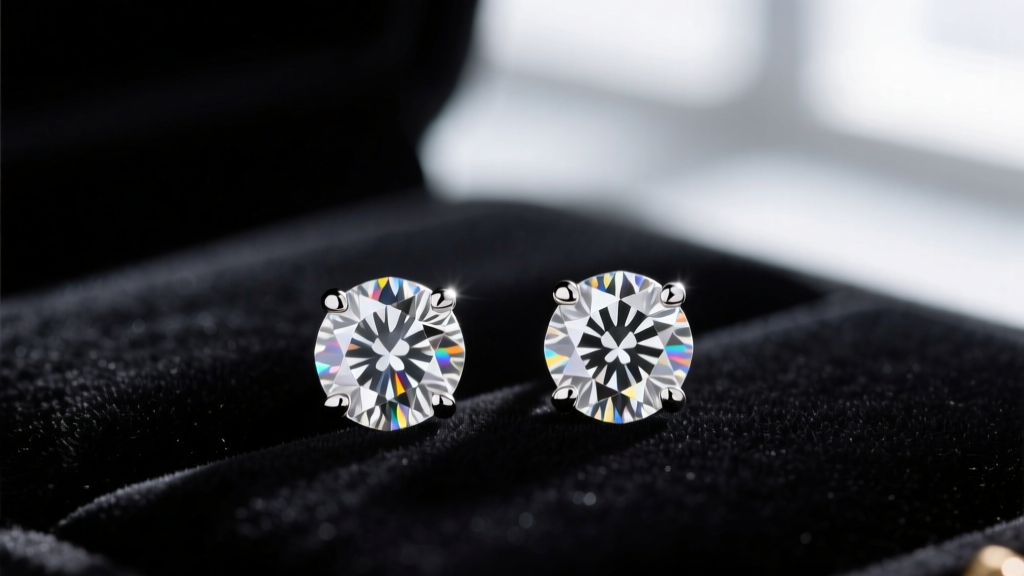
When shoppers begin searching for the perfect pair of studs, the most common query is the cost of 1 carat diamond earrings. However, this seemingly simple question masks a complex web of gemological variables, retail markups, and terminology traps. In 2026, the diamond market has evolved significantly, with lab-grown options disrupting traditional pricing models and online configurators offering unprecedented transparency. This step-by-step guide will teach you how to accurately evaluate, budget, and negotiate for 1-carat diamond earrings, ensuring you pay for optical beauty rather than inflated brand premiums.
Step 1: Decode the '1 Carat' Terminology (CTW vs. Individual Weight)
The first step in determining the cost of 1 carat diamond earrings is understanding what '1 carat' actually means in the jewelry industry. Retailers almost exclusively use Carat Total Weight (CTW) for earrings. Therefore, a '1-carat pair' consists of two 0.50-carat diamonds (one for each ear). If you want a 1-carat diamond in each ear, you must search for a 2 CTW pair, which will exponentially increase the price due to the rarity of larger rough stones.
A standard 0.50-carat round brilliant diamond measures approximately 5.1mm to 5.2mm in diameter. Knowing this physical dimension helps you verify that you are not being sold shallow-cut stones that spread wider but lack depth and brilliance.
Step 2: Analyze the Baseline Pricing Matrix
To accurately forecast your budget, you must understand how the 4Cs (Cut, Color, Clarity, Carat) impact the final price. For earrings, the grading priorities differ vastly from engagement rings. Because earrings are viewed from a social distance of 2 to 3 feet, you can safely compromise on Color and Clarity without any visible detriment, provided the Cut is exceptional. Cut is the sole factor responsible for light return and sparkle.
| Quality Tier | Natural Diamond Price (1 CTW) | Lab-Grown Price (1 CTW) | Recommended Specs (Earring Specific) |
|---|---|---|---|
| Premium / Investment | $3,800 - $5,500+ | $900 - $1,400 | Excellent Cut, D-F Color, VVS1-VS1 Clarity |
| Mid-Range (Sweet Spot) | $2,200 - $3,500 | $500 - $850 | Excellent/Ideal Cut, G-H Color, VS2-SI1 Clarity |
| Budget / Value | $1,200 - $2,000 | $300 - $450 | Very Good Cut, I-J Color, SI2-I1 Clarity |
Note: Prices reflect 2026 market averages for loose stones paired with standard 14k gold settings. According to the American Gem Society, prioritizing an 'Ideal' or 'Excellent' cut grade is non-negotiable for maximizing the perceived size and brilliance of smaller 0.50ct stones.
Step 3: Weigh Natural vs. Lab-Grown Diamonds
The most significant decision affecting the cost of 1 carat diamond earrings in 2026 is the origin of the stone. Lab-grown diamonds are chemically, physically, and optically identical to mined diamonds. The Gemological Institute of America (GIA) grades them using the exact same 4Cs framework as natural stones.
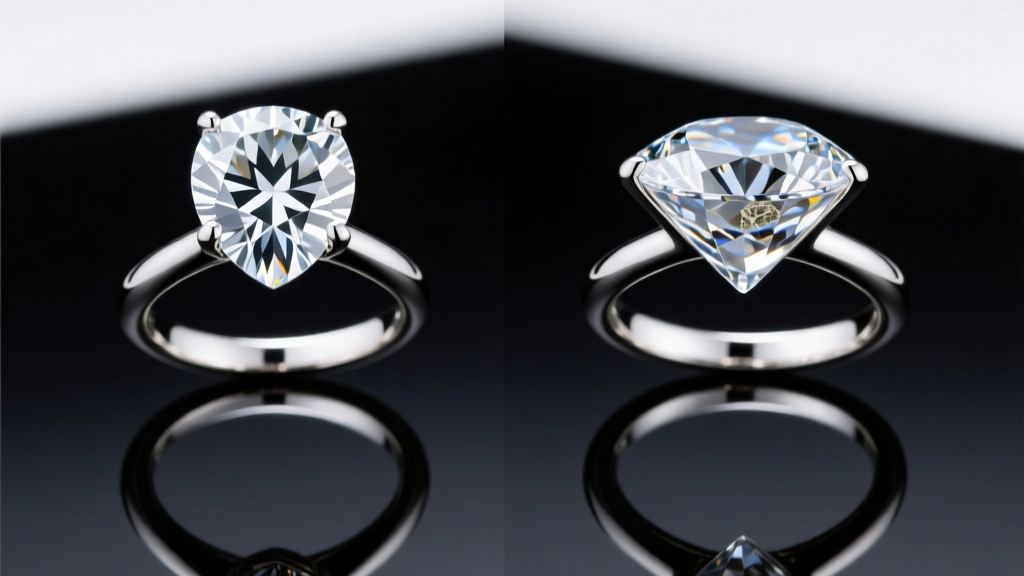
Over the past few years, the wholesale price of lab-grown diamonds has plummeted due to increased production efficiency in CVD (Chemical Vapor Deposition) and HPHT (High Pressure High Temperature) foundries. While a natural 1 CTW pair in the 'Mid-Range' tier will cost around $2,800, the identical lab-grown equivalent will cost roughly $650. If your primary goal is maximizing visual impact and optical performance on a strict budget, lab-grown is the undisputed winner. However, if you view jewelry as a store of value or a traditional heirloom, natural diamonds still retain a higher, albeit depreciating, resale floor.
Step 4: Factor in Setting Styles and Metal Weights
The mounting hardware is frequently overlooked when calculating the total cost. The setting must securely hold the diamond while complementing its shape. Here is how different settings impact the final price tag:
- 3-Prong Martini Setting: The most popular and cost-effective choice. It uses less metal, allowing more light to enter the pavilion of the diamond. Expect to pay $150-$250 for 14k gold.
- 4-Prong Crown / Basket Setting: Offers a more substantial look and added security. The extra metalwork and structural base add roughly $50-$100 to the total cost compared to a martini setting.
- Bezel Setting: A rim of metal surrounds the diamond. While highly secure and modern, a bezel can make a 0.50ct stone look slightly smaller and requires precise custom casting, adding $200-$400 to the price.
Crucial Metal Weight Metric: Ensure the setting has adequate structural integrity. A sturdy 14k gold post and basket should weigh at least 1.2 to 1.5 grams per earring. Lightweight 'whisper' settings (under 0.8 grams) will cause the earring to droop forward on the earlobe, ruining the visual angle of the diamond.
Step 5: Verify Certification and Retailer Markups
Never purchase 1-carat diamond earrings without an independent grading report. The Federal Trade Commission (FTC) strictly regulates jewelry advertising, but uncertified stones leave you entirely vulnerable to inflated color and clarity claims.
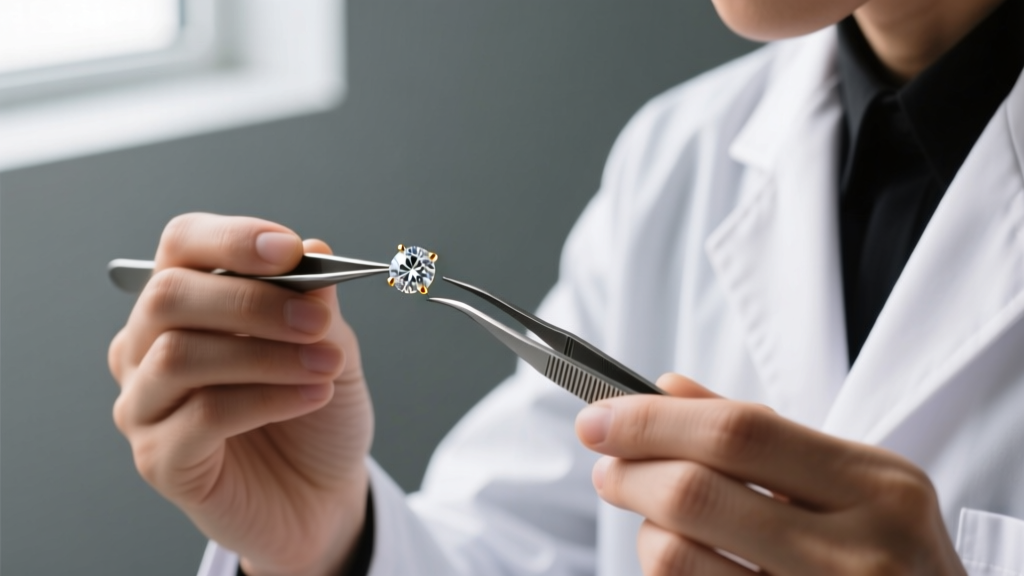
- For Natural Diamonds: Insist on a GIA (Gemological Institute of America) or AGS (American Gem Society) report. These labs are renowned for their strict, consistent grading.
- For Lab-Grown Diamonds: IGI (International Gemological Institute) and GCAL are the industry leaders, providing highly detailed reports that include light performance analysis.
Retailer markup is the final hidden cost. Traditional brick-and-mortar mall jewelers typically apply a 100% to 300% markup on diamond earrings to cover overhead and inventory holding costs. Conversely, online-first retailers (such as James Allen, Blue Nile, or Ritani) operate on a 15% to 30% margin by utilizing virtual inventory networks. By purchasing online and verifying the certificate number directly on the lab's website, you can shave thousands off the cost of natural stones.
Step 6: Execute Your Purchase Strategy
To finalize your acquisition of 1-carat diamond earrings at the best possible price, follow this execution checklist:
- Filter by Cut First: Use online search filters to isolate only 'Ideal' or 'Excellent' cut grades. Discard all 'Very Good' or lower grades for round brilliants.
- Drop the Clarity: Filter for SI1 or SI2 clarity. Review the high-resolution 360-degree videos or request a loupe inspection to ensure the inclusions are not black carbon spots located directly under the table facet.
- Match the Pair: If buying loose stones to be set by a jeweler, ensure the two 0.50ct diamonds are matched in diameter (within 0.1mm) and color grade to prevent a visibly mismatched pair.
- Negotiate the Setting: If purchasing from an independent jeweler, ask for a 'cash or wire transfer' discount, which can often reduce the final out-the-door price by 3% to 5% by bypassing credit card processing fees.
Conclusion
Understanding the true cost of 1 carat diamond earrings requires looking past the marketing jargon and focusing on gemological data. By recognizing the CTW terminology, leveraging the optical forgiveness of earring viewing distances, and choosing the right origin and setting, you can secure a breathtaking pair of diamonds that aligns perfectly with your financial parameters. Whether you opt for the heritage of a natural stone or the modern brilliance of a lab-grown diamond, a methodical, step-by-step approach guarantees a purchase you will be thrilled to wear every day.


