How to Clean and Maintain 4mm Earrings Men Wear Daily
Learn expert care, maintenance, and cleaning tips for 4mm earrings men wear daily. Prevent tarnish, odor, and infection with our material-specific guide.

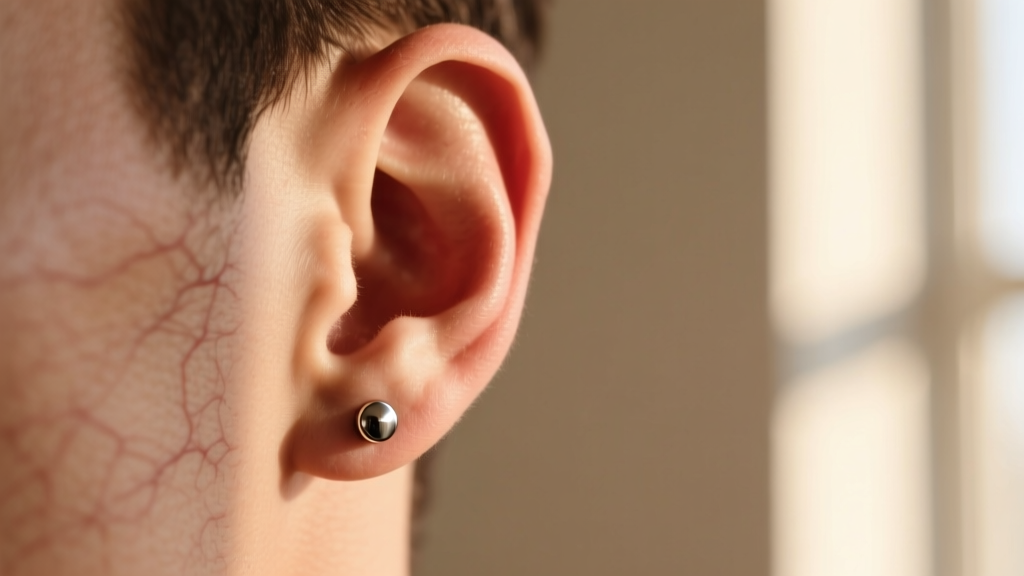
The Hidden Maintenance Reality of Men's 4mm Studs
The 4mm stud earring is a cornerstone of modern men's jewelry. It offers a subtle, masculine profile that works in both professional and casual settings. However, because 4mm earrings men typically choose sit flush against the earlobe or cartilage, they create a micro-environment that traps sebum, dead skin cells, sweat, and environmental pollutants. Unlike larger dangle earrings that allow for airflow, the low-profile nature of a 4mm stud means the backing and the post are in constant contact with the skin, making a rigorous cleaning protocol non-negotiable.
Failing to maintain your earrings doesn't just lead to the dreaded 'ear cheese'—a foul odor caused by oxidized sebum and bacteria—but can also result in contact dermatitis, localized infections, and permanent damage to the jewelry itself. Whether you are wearing an 18-gauge (1.0mm) or 16-gauge (1.2mm) post, understanding the metallurgy and biology of your piercings is the first step toward lifelong wearability.
Material Breakdown: What Are Your 4mm Earrings Made Of?
The cleaning method you employ must be dictated by the specific metal alloy of your jewelry. Using the wrong chemical agent can strip platings, cause galvanic corrosion, or trigger severe allergic reactions.
ASTM F136 Implant-Grade Titanium
This is the gold standard for body jewelry. Titanium is highly biocompatible, entirely nickel-free, and resistant to corrosion from acidic human sweat. Care Tip: Titanium can safely withstand ultrasonic cleaners and mild chemical soaks. However, if your titanium has been anodized (treated with electricity to create a colored oxide layer), avoid harsh abrasives or ultrasonic baths, as they can dull the vibrant finish.
14k and 18k Solid Gold
Gold is a classic choice, but it is alloyed with other metals for strength. 14k gold contains more alloy metals (like copper and silver) than 18k, making it slightly more durable but more prone to tarnishing when exposed to sulfur compounds in sweat. Care Tip: Never use chlorine-based cleaners or bleach on gold, as it will permanently weaken the molecular structure of the alloy, leading to micro-fractures in the post.
316L Surgical Stainless Steel
While widely available and affordable, 316L steel contains between 8% and 10.5% nickel. According to the Mayo Clinic, nickel allergy is one of the most common causes of allergic contact dermatitis. Care Tip: If you wear steel, you must clean the post daily to prevent nickel salts from building up and penetrating the skin barrier. If you experience itching or flaking, immediately switch to titanium.
The Ultimate Cleaning Protocol
To keep your 4mm studs pristine and your fistulas (the piercing tunnel) healthy, adopt this three-tiered maintenance schedule.
Daily Maintenance: The Saline Wipe
Every evening, before bed, spray a sterile 0.9% sodium chloride wound wash (available at any pharmacy) onto a clean, non-woven gauze pad. Gently wipe the front of the 4mm stud, the post, and the earring backing. This removes the day's accumulation of sweat and environmental dust without disrupting the skin's natural microbiome. Avoid using cotton swabs, as they can leave microscopic fibers tangled around the earring post.
Weekly Deep Clean: The Soap Soak
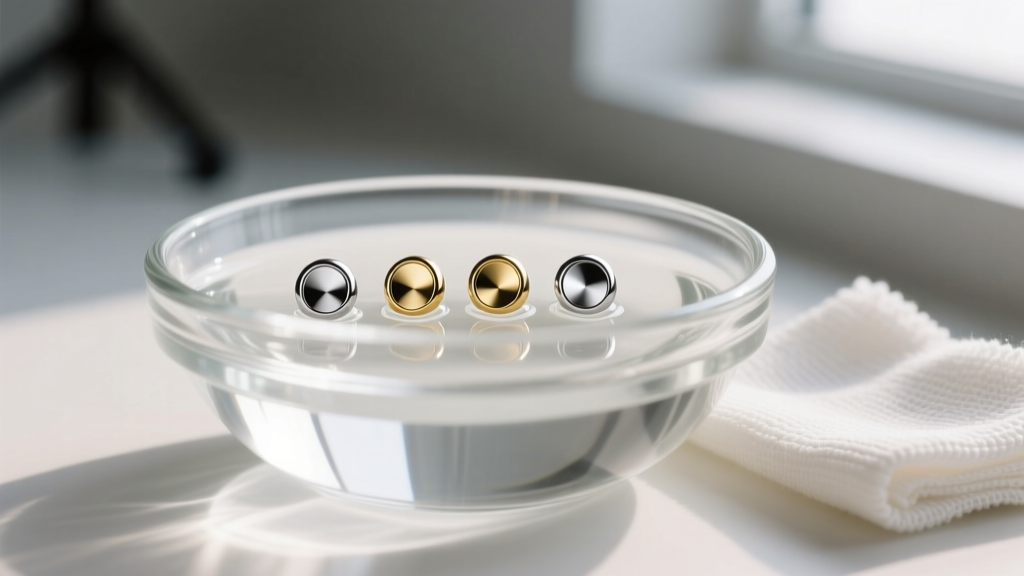
Once a week, remove your earrings entirely. Place them in a small glass bowl filled with warm water and a few drops of fragrance-free, dye-free liquid castile soap. Let them soak for 10 minutes. Afterward, use an extra-soft baby toothbrush to gently scrub the junction where the 4mm top meets the post, as well as the grooves of the earring backing. Rinse thoroughly with distilled water to prevent hard water spots, and dry completely with a microfiber cloth before reinserting.
Monthly Hardware Inspection
Inspect the post for micro-bends. Men who sleep on their sides often put lateral pressure on 18-gauge (1.0mm) posts, causing them to warp. A bent post will constantly irritate the fistula lining. Additionally, check the tension on friction backs or the threading on screw-backs to ensure they haven't degraded.
Upgrading Your Hardware: Backs and Gauges
The maintenance of 4mm earrings men wear is heavily influenced by the hardware securing them. Standard 'butterfly' friction clutches are notorious for trapping dead skin and are easily lost in bedsheets. Furthermore, the narrow wire of a standard 20-gauge or 18-gauge post can cause the 'cheese cutter effect,' where the heavy 4mm top slowly migrates downward through the earlobe tissue over time.
The Expert Solution: Upgrade to a 16-gauge (1.2mm) or 14-gauge (1.6mm) flat-back labret. According to the Association of Professional Piercers (APP), internally threaded or threadless (press-fit) flat-back jewelry provides a vastly superior fit. The flat disc sits flush against the back of the ear, eliminating the gap where bacteria breed, and the thicker gauge prevents bending during sleep. Threadless jewelry, which relies on a slight bend in the pin for tension, is particularly excellent for men's earrings as it virtually eliminates the risk of losing the backing.
Troubleshooting Common 4mm Earring Issues
| Issue | Root Cause | Expert Solution |
|---|---|---|
| Foul Odor ('Ear Cheese') | Oxidized sebum and dead skin cells trapped behind the friction back. | Switch to a flat-back labret; implement daily 0.9% sterile saline wipes. |
| Bent or Warped Post | Lateral pressure from side-sleeping on a thin 18g or 20g wire post. | Upgrade to a 16g solid titanium or gold post with a flat disc back. |
| Dull or Cloudy Gemstone | Soap film, lotion, and natural skin oils coating the pavilion of the stone. | Use an ultrasonic cleaner (only for diamonds/sapphires) or a specialized gem soak. See GIA guidelines for porous stones like opals. |
| Green/Black Skin Staining | Galvanic corrosion from copper alloys in low-karat gold or brass reacting to acidic sweat. | Discard the jewelry; upgrade to ASTM F136 Titanium or high-purity 18k nickel-free gold. |
| Itching and Flaking | Nickel contact dermatitis from 316L surgical steel or white gold alloys. | Remove immediately. Cleanse the area with saline and switch to hypoallergenic metals. |
What to Avoid: The Cleaning Agents That Destroy Jewelry
When maintaining your 4mm earrings, what you don't use is just as critical as what you do use. Never clean your earrings with rubbing alcohol or hydrogen peroxide. While these are common household disinfectants, they are far too harsh for healing or healed fistulas and will dry out the skin, leading to micro-tears. Furthermore, alcohol can degrade the structural integrity of certain gemstone settings and strip the rhodium plating off white gold earrings.
Similarly, avoid toothpaste. Many DIY jewelry cleaning guides suggest using baking soda or toothpaste, but these are highly abrasive. They will create microscopic scratches in your gold or steel, creating a rough surface that actually attracts more bacteria and dirt over time, accelerating the tarnishing process.
Final Thoughts on Long-Term Wear
The appeal of 4mm earrings men favor lies in their understated elegance and everyday versatility. By treating your jewelry not just as an accessory, but as a piece of wearable hardware that interacts with your body's biology, you ensure it remains a staple in your wardrobe for decades. Invest in high-quality, implant-grade materials, upgrade to flat-back hardware, and stick to a disciplined, gentle cleaning routine. Your piercings—and your style—will thank you.


