Expert Care and Cleaning Tips for Large Green Earrings
Discover expert cleaning, maintenance, and storage tips for large green earrings. Learn safe protocols for emerald, malachite, and enamel pieces.

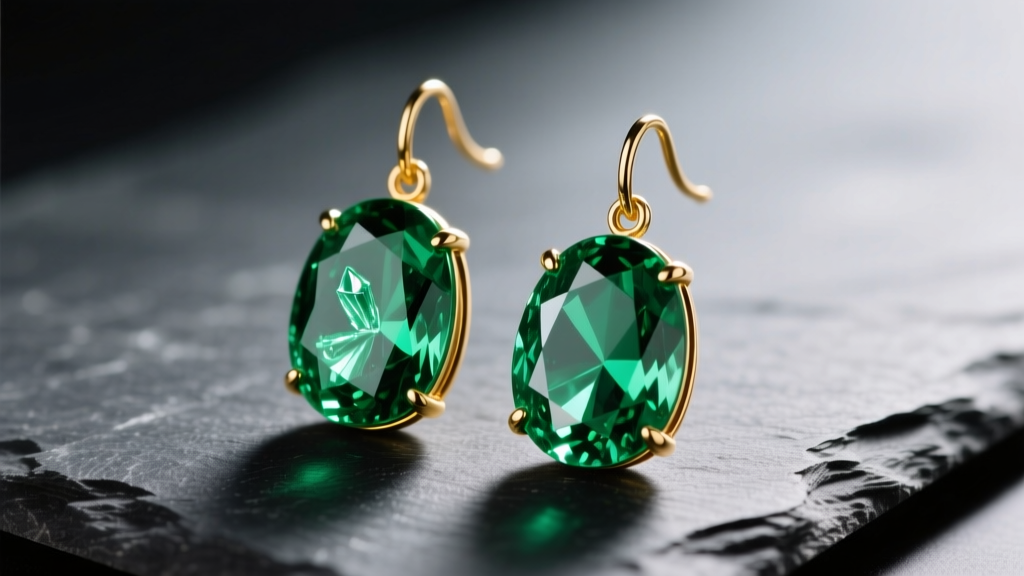
As oversized silhouettes continue to dominate 2026 trend forecasts, large green earrings have cemented their status as essential statement pieces. Whether your collection features vivid natural emeralds, banded malachite, carved jade, or vibrant vitreous enamel, the substantial carat weight and diverse mineral compositions of these earrings demand specialized maintenance. A one-size-fits-all cleaning approach will inevitably lead to catastrophic failure, from shattered gemstones to bent structural wire. This comprehensive guide provides actionable, material-specific protocols to preserve the brilliance and structural integrity of your heaviest green earrings.
The Material Matrix: Identifying Your Green Gemstones
Before applying any cleaning solution, you must accurately identify the green material in your earrings. The Mohs hardness scale and porosity levels dictate entirely different care regimens.
- Emerald (Mohs 7.5–8): Despite their high hardness rating, natural emeralds are heavily included (known as jardin) and almost universally treated with cedar oil or synthetic resins like Opticon to mask fractures. Heat and harsh chemicals will leach these fillers, leaving the stone cloudy and brittle.
- Malachite (Mohs 3.5–4): This striking banded copper carbonate mineral is incredibly soft and highly porous. It is sensitive to heat, acids, and even prolonged exposure to water, which can cause the vibrant green bands to dissolve or fade.
- Chrysoprase & Jade (Mohs 6.5–7): These microcrystalline quartz and silicate minerals are far more durable and lack the severe fracture networks of emeralds, making them the safest green stones for frequent wear and active lifestyles.
- Green Enamel & Resin: Often used in modern architectural earring designs, enamel is essentially fused glass. It is highly susceptible to thermal shock and impact chipping.
Step-by-Step Cleaning Protocols by Stone Type
The most common mistake jewelry owners make is tossing statement pieces into an ultrasonic cleaner. The Gemological Institute of America (GIA) explicitly warns that ultrasonic vibrations can easily fracture oil-treated emeralds and shatter enamel work. Instead, follow these targeted protocols.
The Safe Wash Method (For Emeralds, Jade, & Chrysoprase)
- Mix a few drops of pH-neutral, lotion-free dish soap (such as original Dawn) into a bowl of lukewarm distilled water. Tap water contains chlorine and hard minerals that can leave a film on large facet tables.
- Submerge the earrings for no more than 3 to 5 minutes.
- Using an extra-soft baby toothbrush, gently sweep the bristles across the back of the settings (the pavilion) where sebum and cosmetic buildup accumulate.
- Rinse briefly under a slow stream of distilled water, ensuring the drain is securely plugged.
- Pat dry with a lint-free microfiber cloth. Never use paper towels, as their wood-pulp fibers can cause micro-scratches on polished gold or silver settings.
The Dry-Wipe Method (For Malachite & Turquoise)
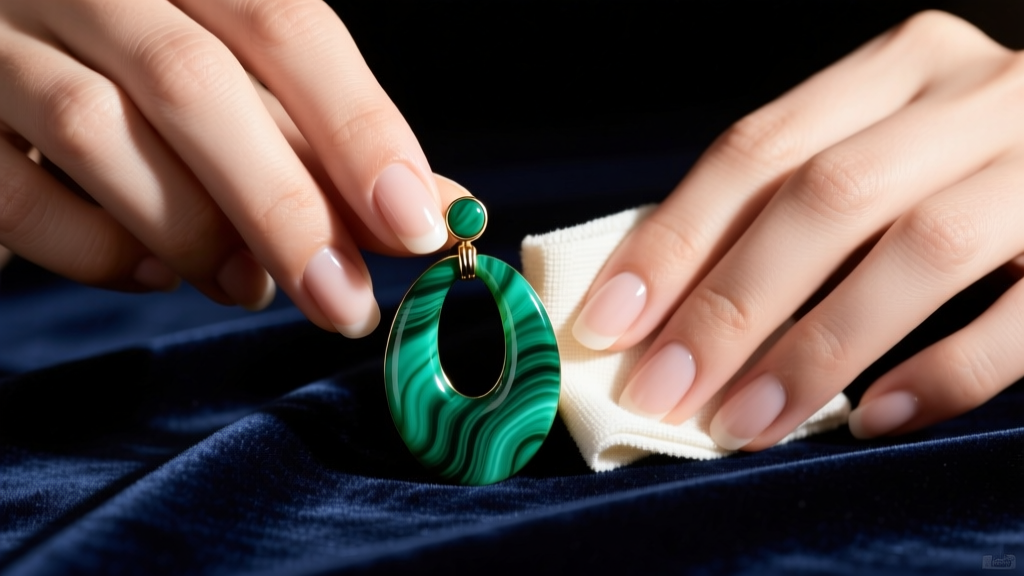
Because malachite is copper-based and reacts poorly to moisture and the lactic acid in human sweat, it should never be submerged. After every wear, gently buff the surface with a dry, untreated microfiber cloth to remove skin oils. If heavy buildup occurs, slightly dampen the cloth with distilled water—never apply liquid directly to the stone.
Structural Maintenance for Heavy Silhouettes
Large green earrings suffer from immense kinetic stress and gravitational pull. The physical weight of a 20-carat emerald drop or a solid brass malachite hoop places severe tension on the metalwork. To prevent catastrophic loss, you must audit the structural components bi-annually.
Wire Gauge and Ear Wires
Standard earring wires are typically crafted from 20-gauge or 22-gauge wire. For heavy statement drops, this is insufficient; the wire will bend, warp, and eventually snap. Ensure your large earrings utilize at least 16-gauge or 14-gauge wire for the ear hook. If you are purchasing custom or artisan pieces, request reinforced leverbacks or French wires with a thicker gauge.
Clutches and Backings
Heavy dangles will pull the earlobe downward, causing the earring to droop and increasing the risk of it slipping out. Ditch standard butterfly friction backs. Instead, invest in medical-grade silicone stoppers or locking screw-backs. For oversized hoops, ensure the post features a deep groove for the clutch to lock into securely.
Prong and Jump Ring Audits
Use a 10x jeweler's loupe to inspect the prongs holding large cabochons or faceted stones. Heavy stones can wiggle loose from their settings during daily movement. Furthermore, check the jump rings connecting the drop to the ear wire. These must be soldered closed; unsoldered jump rings will inevitably pull apart under the swinging weight of a large earring.
Preventing Metal Tarnish and 'Green Skin'
To keep the price accessible, many large, fashion-forward green earrings utilize brass, copper, or bronze bases rather than solid 18k gold. While beautiful, copper-heavy alloys oxidize rapidly when exposed to the sulfur and acids in human skin, resulting in the dreaded 'green earlobe' effect.
Pro-Tip: To create an invisible barrier between copper alloys and your skin, apply a thin coat of clear, hypoallergenic nail polish to the earring posts and the back of the settings. Reapply every few months as the polish wears away from friction.
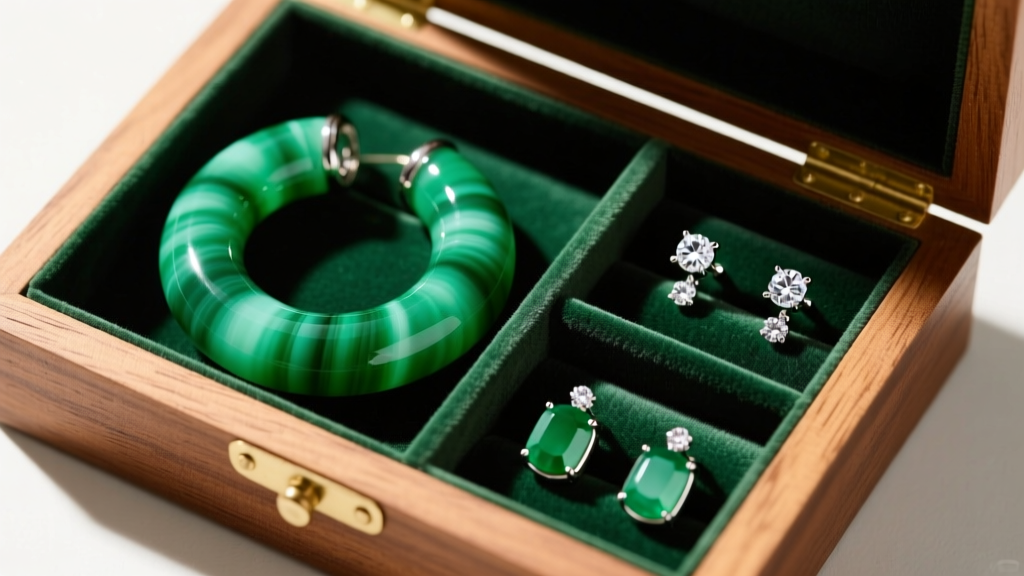
For sterling silver settings paired with green stones, tarnish is the primary enemy. Store your silver and green stone earrings with 3M anti-tarnish strips in an airtight ziplock bag. Never use silver dip solutions on pieces featuring malachite or emeralds, as the harsh thiourea chemicals will permanently etch the surface of these porous and treated stones.
Gemstone Care & Troubleshooting Matrix
Use this quick-reference table to troubleshoot common issues and identify the correct maintenance pathway for your specific large green earrings.
| Material | Mohs Hardness | Approved Cleaning Method | Primary Risk Factor & Failure Mode |
|---|---|---|---|
| Natural Emerald | 7.5 – 8.0 | Lukewarm soapy water, soft brush | Ultrasonics leach cedar oil, revealing white fractures |
| Malachite | 3.5 – 4.0 | Dry microfiber wipe only | Acids and water dissolve copper carbonate bands |
| Chrysoprase | 6.5 – 7.0 | Standard wash, mild ultrasonic | Prolonged direct sunlight can fade the vibrant apple-green hue |
| Green Enamel | N/A (Glass) | Damp cloth wipe | Thermal shock and impact cause micro-chipping and cracking |
| Jade (Jadeite) | 6.5 – 7.0 | Standard wash, mild ultrasonic | Harsh acids destroy the surface polish of Type B/C treated jade |
When to Seek Professional Restoration
Some maintenance tasks strictly require a professional lapidary or bench jeweler. If your large emerald earrings begin to look cloudy, white, or heavily fractured, the oil treatment has likely dried out. A jeweler can safely clean the stones and perform a professional re-oiling process under a vacuum chamber to restore their translucency. Similarly, if a malachite cabochon becomes deeply scratched or loses its high-gloss polish, it cannot be fixed at home; it must be re-polished using specialized cerium oxide compounds on a lapidary wheel. The American Gem Society recommends having high-value, oversized statement pieces professionally inspected and cleaned by a certified gemologist at least once a year to ensure the structural integrity of the heavy mounts.
By respecting the unique mineralogical properties of your stones and reinforcing the structural metalwork, your large green earrings will remain a vibrant, secure, and stunning focal point of your jewelry wardrobe for decades to come.


