How to Clean and Maintain Large Red Earrings Safely
Discover expert cleaning, structural maintenance, and storage tips for large red earrings, from coral and ruby to enamel and resin statement pieces.

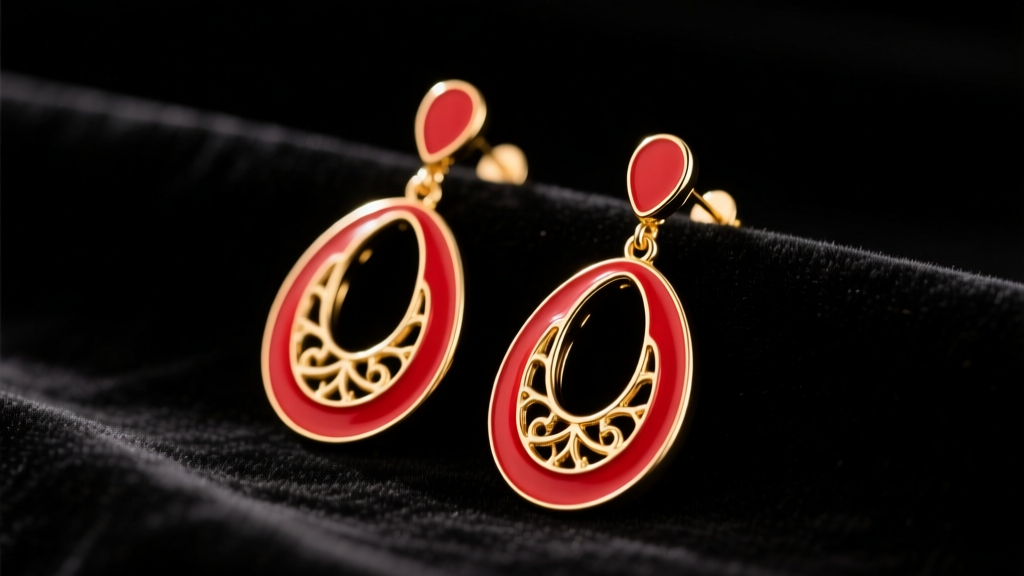
The Unique Vulnerabilities of Oversized Red Statement Pieces
Large red earrings are undeniable showstoppers. Whether they feature deep crimson rubies, vibrant carved coral, or striking vitreous enamel, their visual weight demands attention. However, their physical weight and the specific chemical properties of red pigments and gemstones introduce unique maintenance challenges. The "pendulum effect"—the continuous swinging of a heavy dangle earring—places immense micro-stress on jump rings and ear wires. Furthermore, the color red in jewelry is notoriously susceptible to UV fading, chemical etching, and heat damage depending on the material.
To keep your statement pieces looking pristine, you must move beyond generic jewelry wipes and adopt a material-specific, structurally aware maintenance routine. This guide breaks down the exact protocols required to care for large red earrings in 2026, ensuring they remain vibrant and secure for years to come.
Material-Specific Cleaning Protocols
The term "red" encompasses a vast array of materials, each with distinct hardness levels (measured on the Mohs scale) and porosity. Using the wrong cleaning method can permanently cloud a gemstone or strip a finish.
Organic Reds: Coral and Carnelian
Red coral is an organic gemstone with a Mohs hardness of just 3.5 to 4, making it exceptionally soft and porous. It is highly sensitive to acids, including the natural lactic acid in human sweat. Over time, wearing large coral drops against the neck or jawline without wiping them down will cause the surface to lose its polish and develop a chalky, dull appearance.
- Do: Wipe coral earrings gently with a damp, lint-free microfiber cloth immediately after wearing. Use a drop of mild, phosphate-free dish soap (like Dawn) in lukewarm water for deeper cleaning, but never soak them.
- Don't: Never use ultrasonic cleaners, steamers, or commercial silver dips. According to the Gemological Institute of America (GIA), ultrasonic vibrations can easily fracture organic gems with natural inclusions or internal stress lines.
Crystalline Reds: Ruby, Garnet, and Spinel
While rubies (Mohs 9) and spinels (Mohs 8) are incredibly hard and durable, large statement earrings often utilize composite or heavily included stones to keep costs and weight manageable. Fracture-filled rubies—treated with lead glass to mask internal cracks—are prevalent in large, affordable red earrings. These treatments are highly unstable.
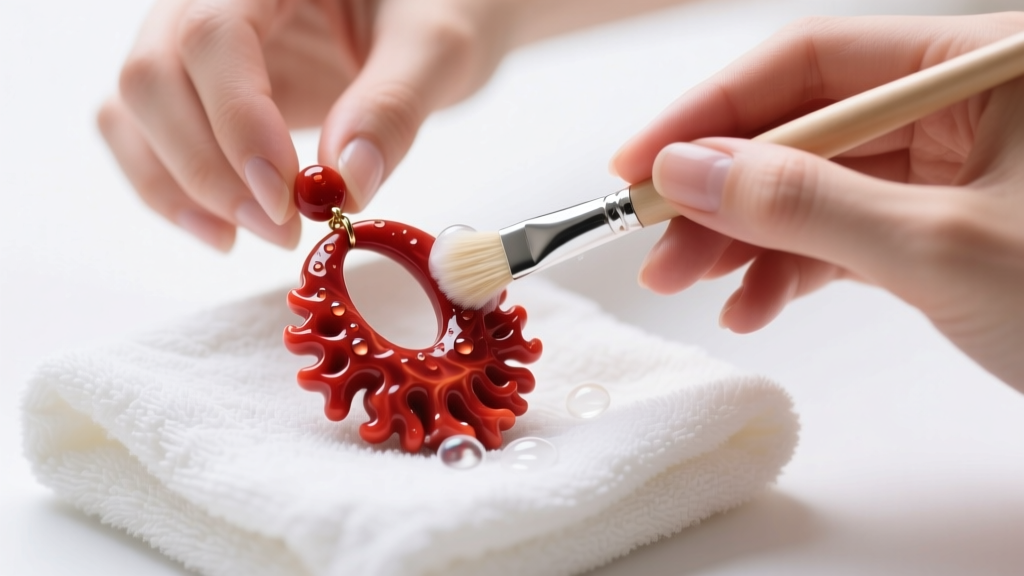
- Do: Clean solid, untreated rubies and garnets with warm water, mild soap, and a soft-bristled baby toothbrush. Rinse thoroughly and dry with a microfiber cloth to prevent water spots.
- Don't: Avoid harsh chemicals like ammonia or bleach. As noted in the GIA Ruby Care Guide, even mild acids like lemon juice can severely damage the lead-glass fillers in treated rubies, causing them to cloud and eventually crumble.
Manufactured Reds: Enamel, Resin, and Anodized Titanium
Many large, lightweight red earrings rely on cold enamel (epoxy resin) or anodized titanium for their bold color. Cold enamel is essentially a hardened plastic that reacts poorly to solvents. Anodized titanium gets its red hue from an oxide layer created by electricity; while durable, this layer can be scratched off by abrasive polishes.
- Do: Clean enamel and resin with a dry or slightly damp microfiber cloth. For titanium, use warm soapy water and pat dry.
- Don't: Never use rubbing alcohol, acetone, or perfume near cold enamel, as these solvents will cause irreversible clouding and yellowing.
Structural Maintenance: Securing Heavy Drops
The most common way people lose large red earrings isn't through theft or misplacement—it's through structural failure caused by the earring's own weight. A large resin or gemstone drop earring can easily weigh between 10 and 25 grams. Standard 20-gauge ear wires are simply too thin to support this weight without bending, which eventually leads to metal fatigue and snapping.
Upgrading Findings and Backings
If your large red earrings feature thin, pliable wire hooks, take them to a jeweler to have the hooks replaced with 18-gauge or 16-gauge work-hardened wire. Additionally, the connection points (jump rings) on heavy dangles must be soldered shut. An unsoldered jump ring will slowly twist open under the pendulum motion of walking, dropping the earring.
For the earlobe itself, standard friction backs (butterfly backs) are insufficient for heavy pieces. The weight of the earring will cause the back to slide down the post, putting painful pressure on the earlobe and risking loss. Upgrade to La Pousette backs (which feature a locking mechanism) or use high-quality silicone O-ring stoppers behind standard friction backs to distribute the weight and lock the earring in place.
Troubleshooting Common Issues
When maintaining a diverse collection of red statement earrings, you will inevitably encounter specific issues. Use this diagnostic table to identify and resolve them quickly.
| Problem | Likely Cause | Expert Solution |
|---|---|---|
| Chalky, dull surface on red coral | Acidic sweat etching the porous surface | Wipe with a damp cloth after every wear; apply a microscopic layer of mineral oil annually to restore luster. |
| Cloudy, milky appearance in red enamel | Exposure to alcohol-based perfumes or hand sanitizers | Unfortunately, cold enamel damage is permanent. Prevent by applying perfume before putting on earrings. |
| Ear wire bending or losing its shape | Wire gauge too thin (20g+) for the earring's weight | Have a jeweler swap the hook for an 18-gauge or 16-gauge work-hardened sterling silver or gold-filled wire. |
| Red gemstone looking fractured or cloudy | Ultrasonic cleaning of a fracture-filled ruby | Stop ultrasonic use immediately. Clean only with a damp cloth. Consult a gemologist to assess treatment stability. |
| Earring constantly slipping forward | Heavy drop pulling the earlobe down | Use silicone ear support patches behind the lobe and secure with a La Pousette locking earring back. |
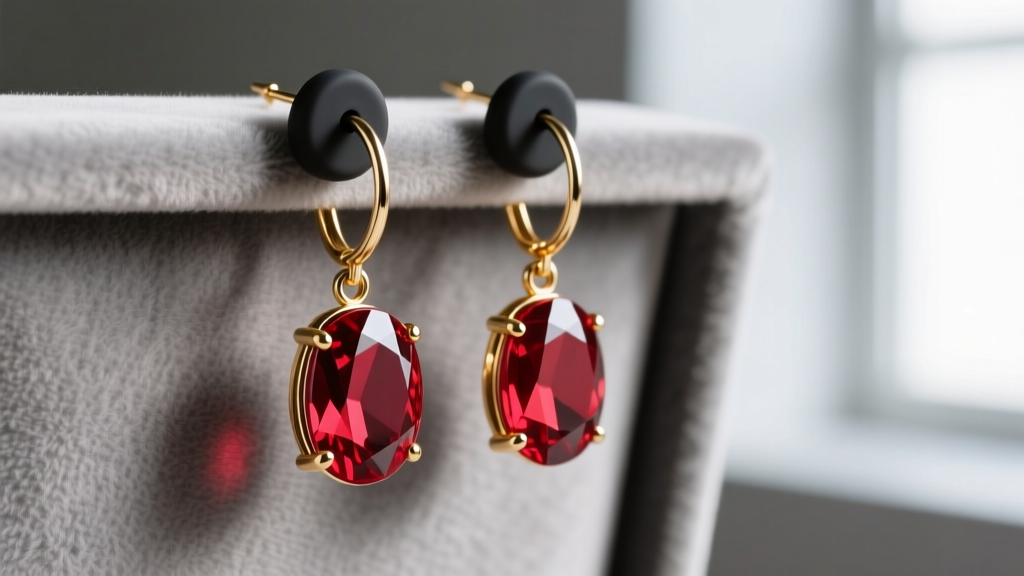
Safe Storage Solutions to Prevent Color Fading
The color red is particularly vulnerable to ultraviolet (UV) light degradation. This is especially true for dyed red agates, red resins, and certain heat-treated gemstones. Storing large red earrings in a jewelry box that sits on a sunlit vanity will cause the vibrant crimson hues to bleach into a washed-out pink or brown over a period of 6 to 12 months.
The Ideal Storage Environment
"To preserve the structural integrity and color saturation of statement pieces, store them in a dark, climate-controlled environment, individually wrapped to prevent micro-scratches from adjacent metal findings."
- UV Protection: Store all red earrings in opaque, fabric-lined jewelry boxes or drawers. Never leave them on open acrylic displays near windows.
- Anti-Tarnish: If your red stones are set in sterling silver, the sulfur in the air will cause the silver to tarnish, creating a dark halo that muddies the vibrancy of the red stone. Place 3M anti-tarnish strips in your jewelry drawers, replacing them every 6 months.
- Physical Separation: Large earrings with intricate metalwork or prong-set stones can easily scratch softer materials. Store each pair in its own soft flannel pouch or a dedicated compartment to prevent the heavy drops from tangling and bending.
Establishing a Routine Care Schedule
Maintenance shouldn't be an afterthought. Implement this simple schedule to ensure your large red earrings remain in pristine condition:
- After Every Wear: Wipe down organic gems (coral, carnelian) and enamel with a dry microfiber cloth to remove skin oils and environmental pollutants.
- Monthly: Inspect all jump rings and prongs. Use a jeweler's loupe (10x magnification) to check for gaps in the jump rings or lifted prongs that could result in a lost stone.
- Bi-Annually: Wash crystalline red gems (rubies, garnets, spinels) in warm soapy water. Check silicone earring backs for degradation and replace them if they have become stiff or discolored.
By respecting the specific material properties and structural demands of your large red earrings, you ensure that these bold, beautiful pieces continue to make a flawless statement without the risk of damage or loss.


