The Ultimate Care Guide for Evil Eye Dangle Earrings
Learn how to properly clean, store, and maintain your evil eye dangle earrings. Expert tips for enamel, glass, and metal components.

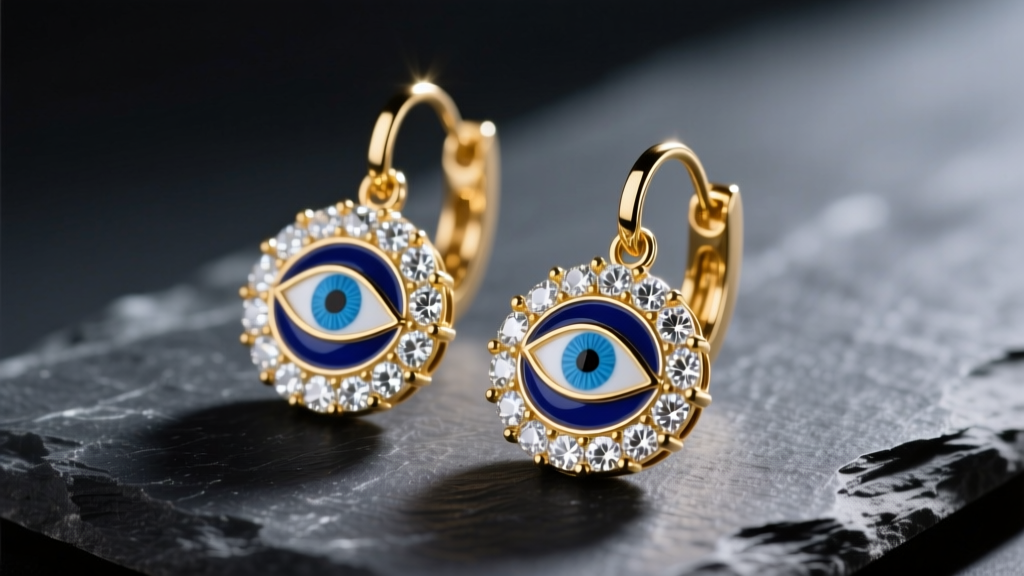
Evil eye dangle earrings are more than just a striking fashion statement; they are deeply rooted in cultural symbolism, designed to ward off negative energy and protect the wearer. However, their intricate construction—often combining delicate dangle mechanisms, vibrant enamel or glass inlays, and precious metal frameworks—makes them uniquely vulnerable to wear, tarnish, and mechanical failure. Unlike simple stud earrings, dangles are in constant motion, subjecting their jump rings and hinges to continuous friction and stress.
If you want your protective talismans to maintain their brilliance and structural integrity for years to come, a specialized care regimen is non-negotiable. This comprehensive guide breaks down the exact protocols for cleaning, maintaining, and storing your evil eye dangle earrings, ensuring they remain as potent and beautiful as the day you acquired them.
The Anatomy of Evil Eye Dangles: Why They Need Special Care
To properly care for your earrings, you must first understand their structural vulnerabilities. A typical evil eye dangle consists of three primary zones:
- The Motif (The Eye): Usually crafted from vitreous enamel, cold enamel (resin), hand-blown glass, or paved with cubic zirconia (CZ). Each material reacts differently to chemicals and temperature changes.
- The Metal Framework: Commonly 925 sterling silver, 14k/18k solid gold, or gold vermeil (a thick layer of gold over a sterling silver base). The crevices around the eye setting are prime traps for sebum, lotions, and environmental dust.
- The Articulation Points: The jump rings, French wire hooks, or leverbacks that allow the earring to dangle. These are the highest-stress points and the most common sites of mechanical failure.
Step-by-Step Cleaning Protocols by Material
The biggest mistake jewelry owners make is applying a one-size-fits-all cleaning method. According to the Gemological Institute of America (GIA), different gemstones and synthetics require vastly different care routines. Here is how to tackle the specific materials found in evil eye dangles.
Glass and Cubic Zirconia Eyes
Glass and CZ are relatively durable but prone to accumulating a cloudy film from skin oils and hairspray. Never use ultrasonic cleaners if the CZ stones are set with adhesive rather than prongs, as the high-frequency vibrations can shatter the glue bond.
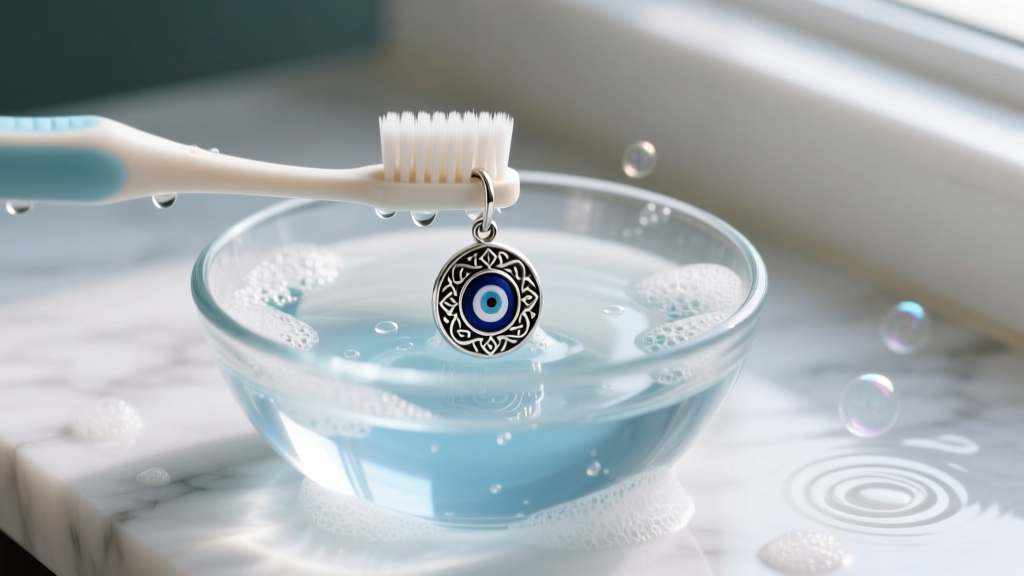
- Mix three drops of mild, phosphate-free dish soap (like Dawn) into one cup of lukewarm distilled water. Avoid tap water, as chlorine and hard minerals can leave microscopic deposits.
- Submerge the earrings for exactly 3 to 5 minutes to loosen debris.
- Use a soft-bristled baby toothbrush to gently sweep the back of the setting and the crevices around the stones.
- Rinse under a gentle stream of distilled water and pat dry with a lint-free microfiber cloth.
Enamel and Resin Inlays
Enamel work requires extreme caution. Vitreous enamel is essentially fused glass with a Mohs hardness of around 5 to 6. While it resists scratching, it is highly susceptible to thermal shock and blunt impact. Cold enamel (epoxy resin) is softer and can be permanently clouded by alcohol-based cleaners or prolonged UV exposure.
- For Vitreous Enamel: Wipe gently with a damp microfiber cloth. Do not soak for extended periods, as water can seep into microscopic cracks and oxidize the underlying metal base, causing the enamel to pop off.
- For Resin/Cold Enamel: Use only a dry, untreated jewelry polishing cloth. Avoid all liquid cleaners, ultrasonic machines, and steam cleaners, which will melt or craze the resin.
The Metal Framework (Sterling Silver vs. Gold Vermeil)
Sterling silver (925) naturally tarnishes when exposed to sulfur compounds in the air and skin. Gold vermeil, which must have a minimum of 2.5 microns of gold plating over sterling silver, requires a gentler touch to prevent wearing through the gold layer.
- Sterling Silver: Use a dedicated silver polishing cloth impregnated with anti-tarnish agents for the plain metal areas. Avoid rubbing the cloth directly over oxidized (blackened) detailing, as it will remove the intentional patina.
- Gold Vermeil: Clean only with the mild soapy water solution mentioned above. Never use abrasive silver dips or polishing pastes, as they will strip the gold plating down to the silver core in seconds.
Maintenance: Securing Jump Rings and Dangle Hinges
Because dangle earrings swing with every movement, the jump rings connecting the evil eye charm to the ear wire endure relentless micro-friction. Most commercial dangle earrings use unsoldered jump rings (rings with a tiny cut in the metal) for assembly. Over time, these can pull apart, resulting in a lost charm.
The Microfiber Test: Once a month, run the jump ring of your earring across a piece of tightly woven microfiber cloth. If the ring snags or catches the fibers, the seam has opened.
How to Fix an Open Jump Ring:
- Do not pull the ends apart laterally (outward), as this distorts the perfect circle and weakens the metal.
- Use two pairs of flat-nose jewelry pliers. Grip each side of the cut.
- Twist one end toward you and the other away from you (a torsional movement).
- Apply a tiny drop of jewelry-grade cyanoacrylate adhesive to the seam before twisting it shut for a semi-permanent bond, or have a local jeweler laser-solder the ring for a permanent fix.
Proper Storage to Prevent Tangling and Enamel Chipping
Improper storage is the leading cause of damaged dangle earrings. Tossing them into a communal jewelry box guarantees that the French wires will hook onto other chains, and the enamel eyes will scratch against harder gemstones like diamonds or sapphires.
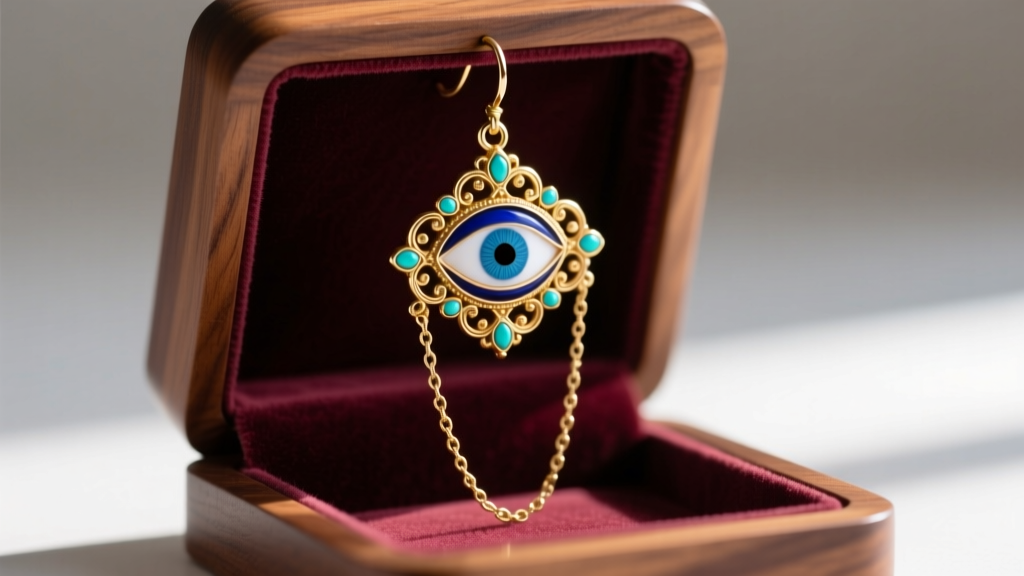
Follow these storage rules recommended by Jewelers of America:
- Use a Multi-Tier Hanging Stand: Dangles should ideally be stored hanging freely. A velvet-lined wooden stand with individual pegs keeps the ear wires separated and prevents the charms from resting on hard surfaces.
- Individual Polyethylene Bags: If storing in a drawer, place each earring in its own anti-tarnish polyethylene zip bag. Squeeze out excess air before sealing to slow the oxidation process of the sterling silver components.
- Silica Gel Packets: Drop a small silica gel desiccant packet into your jewelry drawer or storage box to control ambient humidity, which accelerates silver tarnishing and degrades resin adhesives.
Troubleshooting Common Evil Eye Earring Issues
Even with meticulous care, issues can arise. Use this diagnostic table to identify and resolve common problems without causing further damage to your jewelry.
| Issue | Probable Cause | Expert Solution |
|---|---|---|
| Cloudy or milky CZ stones | Lotion or soap residue trapped under the pavé setting. | Soak in warm distilled water with a drop of ammonia-free glass cleaner. Gently brush the underside of the stones. |
| Enamel chipping or flaking | Impact damage or moisture trapped beneath the enamel layer causing base metal oxidation. | Stop wearing immediately. Take to a professional enamelist or jeweler for re-firing or cold enamel patching. |
| Gold vermeil turning black/silver | Wear and tear exposing the 925 sterling silver core, which is now tarnishing. | Do not polish. Take to a jeweler to have the piece professionally re-plated with a fresh 2.5-micron layer of gold. |
| Ear wire feels loose or won't stay in | The tension loop of the French wire has been bent outward. | Use nylon-jaw pliers to gently squeeze the tension loop back toward the center wire until it clicks securely into the notch. |
What to Avoid: The Enemies of Evil Eye Jewelry
To maximize the lifespan of your dangle earrings, strictly avoid the following environments and substances:
- Chlorine and Salt Water: Swimming pools and the ocean are highly corrosive. Chlorine will permanently pit sterling silver and degrade the alloys in gold, while salt water will rapidly oxidize the metal and dull glass surfaces.
- Hairspray and Perfume: Always apply your cosmetics, perfumes, and hairsprays before putting on your earrings. The alcohol and aerosol propellants in these products will strip the polish from metals and create a cloudy, irreversible film over resin and glass eyes.
- Extreme Temperature Shifts: Do not wear vitreous enamel earrings in a sauna or hot tub, then immediately step into freezing air. The rapid thermal expansion and contraction will cause the glass-like enamel to crack away from the metal backing.
By treating your evil eye dangle earrings with the specialized care they require, you ensure that their protective gaze remains sharp, vibrant, and structurally sound for a lifetime of wear.


