Care for Pearl Earrings: The Painting of Girl with Pearl Earring
Learn how to clean and preserve teardrop pearl earrings with expert care tips inspired by the iconic painting of girl with pearl earring.

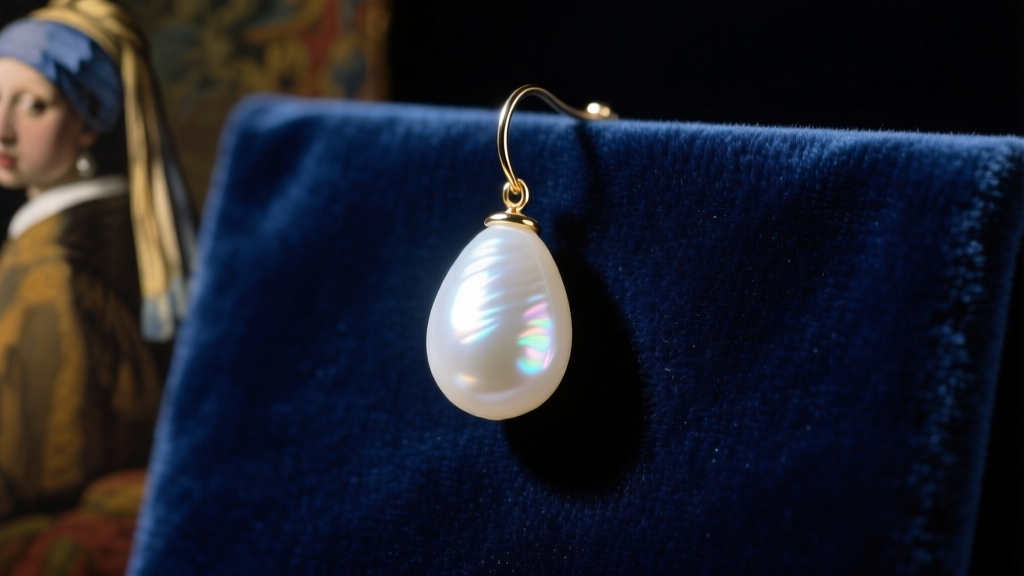
Johannes Vermeer’s masterpiece, the painting of girl with pearl earring, has captivated art lovers and jewelry enthusiasts for centuries. The luminous, oversized teardrop pearl catching the light in the young woman's ear is more than just a historical fashion statement; it is a masterclass in the visual power of nacre. However, achieving and maintaining that breathtaking, mirror-like luster in real life requires a meticulous approach to jewelry care. Unlike diamonds or sapphore, pearls are organic gems that demand specialized maintenance to prevent irreversible damage.
Whether you own a pair of South Sea teardrops, Akoya drops, or freshwater baroque pearls, the protocols for preserving their structural integrity and optical brilliance are stringent. In this comprehensive guide, we break down the exact chemical sensitivities, cleaning methodologies, and hardware maintenance routines required to keep your pearl drop earrings as captivating as Vermeer's iconic subject.
The Chemistry of Nacre: Understanding Pearl Vulnerability
To properly care for pearl earrings, you must first understand their microscopic anatomy. Nacre is composed of microscopic aragonite (calcium carbonate) platelets bound together by conchiolin, an organic protein. This composite structure gives pearls their unique orient and luster, but it also makes them incredibly fragile compared to crystalline gems.
- Hardness: Pearls rank between 2.5 and 3.0 on the Mohs scale, meaning they can be easily scratched by dust (which contains quartz, a 7.0) or metal jewelry settings.
- pH Sensitivity: Calcium carbonate is highly reactive to acids. Exposure to substances with a pH below 4.0 (like citrus, vinegar, or certain skincare acids) will literally dissolve the nacre layers.
- Protein Degradation: The conchiolin matrix is vulnerable to harsh alkalis and prolonged dehydration, which causes the pearl to 'craze' or develop a network of fine surface cracks.
Because of these chemical realities, the Gemological Institute of America (GIA) strictly warns against using commercial jewelry dips, ultrasonic cleaners, or steamers on any organic gemstones. The high-frequency vibrations of an ultrasonic bath will shatter the nacre layers, while heat will destroy the conchiolin and melt the adhesives used in earring settings.
Step-by-Step Cleaning Protocol for Teardrop Pearl Earrings
Routine maintenance is the key to preserving the mirror-like finish seen in the painting of girl with pearl earring. Human sweat, sebum, and cosmetic residues build up on the nacre surface, blocking light refraction and causing the pearl to appear dull and yellowed over time.
The Post-Wear Wipe Down
After every wear, gently wipe the pearls with a clean, untreated 100% cotton or microfiber cloth. Do not use paper towels or tissues, as the wood fibers can leave micro-scratches on the polished surface. This simple mechanical removal of skin oils prevents acidic degradation.
The Deep Clean (Monthly or As Needed)
- Prepare the Solution: Mix a few drops of pH-neutral, unscented liquid castile soap into a bowl of distilled water. Never use tap water; the chlorine, fluoride, and heavy minerals can etch the nacre.
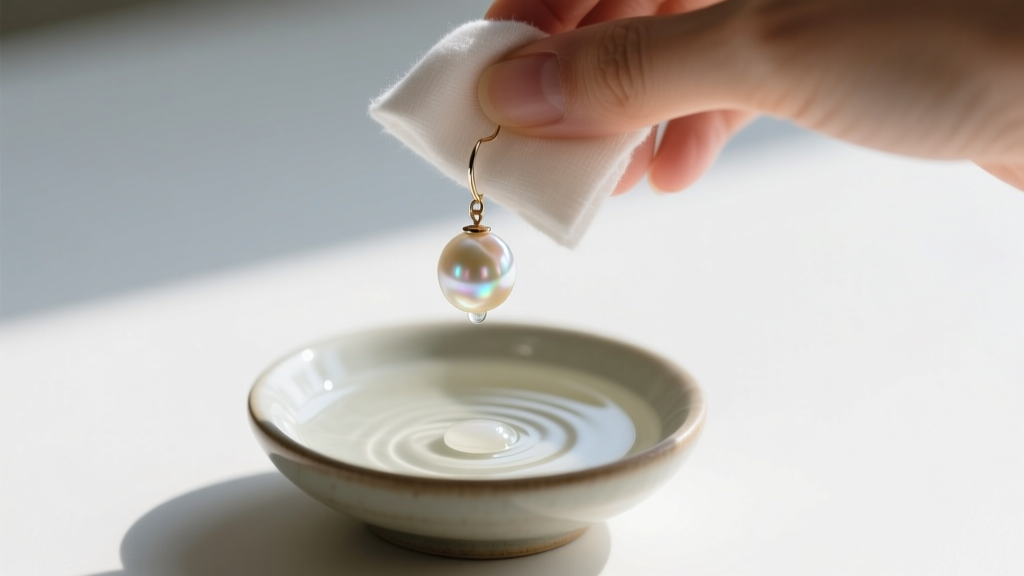
- Dampen, Don't Soak: Dip a soft cotton swab or lint-free cloth into the solution and wring it out until it is barely damp. Submerging pearl earrings is a critical error. Water can seep into the drill hole, compromising the internal structural integrity and rotting the silk or synthetic threading if the drops are strung.
- Gentle Friction: Wipe the pearl gently in a circular motion. Pay special attention to the top drill hole and the underside of the drop, where sebum accumulates.
- Rinse and Dry: Wipe the pearl with a cloth dampened only with pure distilled water to remove soap residue. Lay the earrings flat on a dry, soft towel. Never hang pearl earrings to dry; the weight of the wet pearl can stretch the internal threading or stress the glue joint at the cup setting.
Hardware and Setting Maintenance
The pearl itself is only half of the equation. Teardrop pearl earrings typically rely on a cup-and-post setting or a shepherd hook ear wire. The failure modes of these settings are a leading cause of lost pearls.
Expert Insight: Most pearl drop earrings are secured to their metal findings using jeweler's epoxy or cyanoacrylate adhesives. Heat from hair dryers, hot yoga, or leaving your jewelry on a sunlit dashboard will soften these glues, causing the pearl head to detach and fall off the ear wire.
To ensure your hardware remains secure, inspect the glue joint monthly. If you see a visible gap between the pearl's flat drill hole and the metal cup, or if the pearl wiggles when gently touched, stop wearing the earring immediately and take it to a bench jeweler for a re-cementing. According to the American Gem Society (AGS), professional re-tipping and re-gluing should be done every 3 to 5 years depending on wear frequency.
Common Pearl Earring Settings and Failure Modes
| Setting Type | Common Metal Grades | Primary Failure Mode | Preventative Action |
|---|---|---|---|
| Cup and Post | 14K/18K Gold, Sterling Silver | Epoxy degradation from oils and heat | Wipe base with alcohol (avoiding pearl) before re-gluing |
| Shepherd Hook Drop | 18K Gold, Platinum, Argentium | Wire bending and metal fatigue | Gently squeeze wire loops with nylon-jaw pliers |
| Drill-Through Wire | 14K Gold-Filled, Niobium | Friction wear enlarging the drill hole | Use a silicone earring back to reduce lateral movement |
Storage and Preservation: Preventing Nacre Dehydration
Unlike the painting of girl with pearl earring, where the gem remains perfectly preserved in oil paint, real pearls are susceptible to environmental dehydration. Conchiolin requires a minimal amount of ambient moisture to remain flexible. When pearls are stored in excessively dry environments, the organic matrix shrinks, leading to concentric cracking and peeling.
The 'Last On, First Off' Rule
Pearls must be the last thing you put on and the first thing you take off. Hairspray, perfume, and setting powders contain alcohols and volatile organic compounds (VOCs) that strip moisture from the nacre and leave a cloudy, irreversible film on the surface. Always wait at least 15 minutes after applying cosmetics before putting on your pearl drops.
Proper Storage Environments
- Avoid Airtight Plastics: Storing pearls in sealed plastic bags or safety deposit boxes without ambient humidity will accelerate dehydration and cause the nacre to craze.
- Use Breathable Pouches: Store earrings in soft cotton or linen pouches. This protects them from dust (quartz scratches) while allowing the gems to 'breathe' and absorb necessary ambient moisture.
- Wear Them Often: The best way to maintain a pearl's luster is to wear it. The natural oils and humidity from your skin provide the exact micro-environment nacre needs to stay hydrated and luminous.
- Silica Gel Warning: Never store pearls with silica gel desiccant packets. These packets are designed to aggressively pull moisture from the air and will rapidly dehydrate your organic gems.
Modern vs. Historical Pearl Maintenance
Art historians have long debated the exact nature of the earring depicted in Vermeer's work. Given the massive size and perfect teardrop shape, many experts believe the subject was actually wearing a glass imitation or a polished tin drop, as natural pearls of that exact geometry and volume were astronomically rare and prohibitively expensive in 17th-century Delft. Today, thanks to modern culturing techniques (particularly from the South Sea and Tahitian regions), genuine teardrop pearls are accessible, but they carry the biological vulnerabilities that glass or tin do not.
While a glass imitation requires nothing more than a wipe with window cleaner, a modern cultured South Sea drop requires a deep respect for its organic origins. By adhering to strict pH-neutral cleaning protocols, avoiding ultrasonic vibrations, and carefully monitoring the integrity of your metal settings, you ensure that your pearl earrings will retain their breathtaking, light-catching luster for generations to come.


