DIY Stud Earrings: 2026 Style Trends & Crafting Guide
Discover the top 2026 trends for DIY stud earrings. Learn expert techniques for setting raw crystals, choosing titanium posts, and avoiding adhesive failure.

The 2026 Shift: From Mass-Produced to Bespoke Earscapes
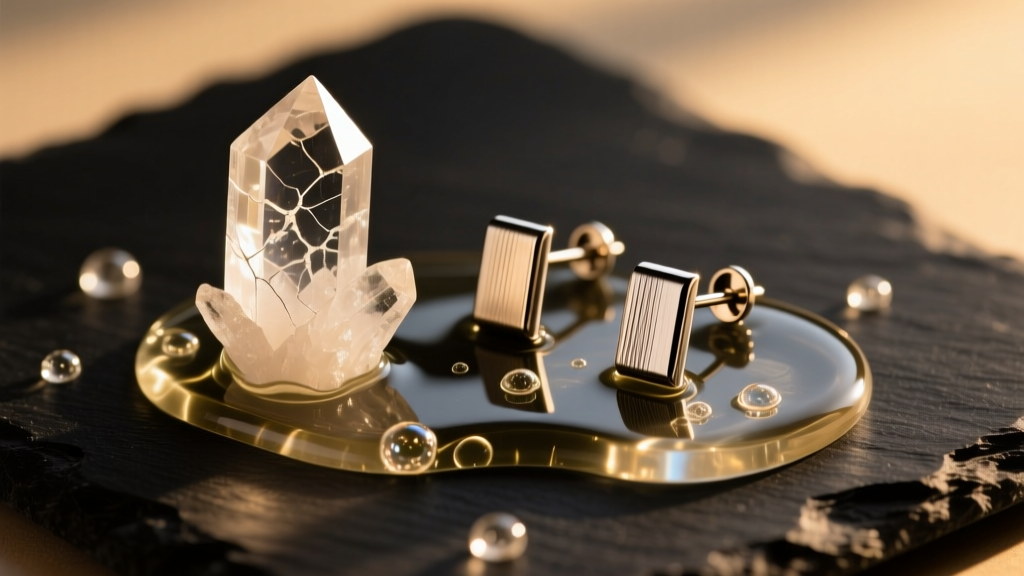
The landscape of ear styling has undergone a radical transformation as we move through 2026. The era of the perfectly symmetrical, mass-produced diamond solitaire is yielding to the 'crafted ear' movement. Today's jewelry enthusiasts are no longer just curating their piercings; they are engineering them. The search for diy stud earrings has spiked not merely as a cost-saving measure, but as a pursuit of hyper-personalization and sustainable adornment. According to trend analysts at the Rio Grande Jewelry Supply, there has been a massive surge in the retail purchase of raw jewelry findings, bezel cups, and loose gemstones by hobbyists rather than traditional trade jewelers.
This shift is driven by a desire for asymmetry, mixed metallurgy, and the integration of unconventional materials like upcycled horology components and raw, unpolished geodes. However, crafting fine jewelry at home requires a rigorous understanding of metallurgy, adhesive chemistry, and anatomical gauge sizing. In this comprehensive guide, we break down the dominant 2026 trends and provide the technical frameworks necessary to craft durable, hypoallergenic DIY stud earrings that rival professional bench work.
Trend Forecast: Top 3 DIY Stud Aesthetics for 2026
1. Raw Geode and Crystal Clusters
Polished cabochons are taking a backseat to raw, uncut crystal clusters. The 2026 aesthetic favors the natural, jagged geometry of unpolished amethyst, clear quartz, and drusy agate. According to the Gemological Institute of America (GIA), the visual appeal of raw stones lies in their unique light refraction patterns, which differ vastly from faceted cuts. For DIY crafters, this means utilizing deep-walled bezel cups and opaque backing adhesives to secure irregular stone bases without obscuring the natural topography of the crystal cluster.
2. Upcycled Heirloom Micro-Studs
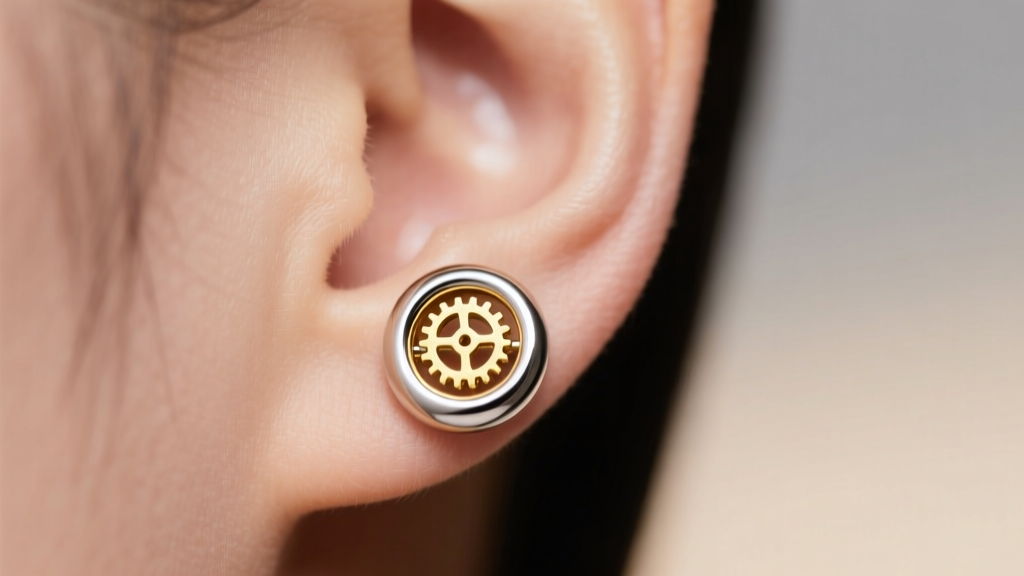
Sustainability is paramount in 2026. A major trend involves harvesting micro-components from broken vintage watches, antique brooches, and damaged heirloom rings, then re-engineering them into minimalist 4mm to 6mm micro-studs. Tiny brass gears, oxidized silver filigree, and salvaged seed pearls are being soldered or bonded to modern titanium posts, creating a striking juxtaposition between Victorian-era craftsmanship and contemporary minimalist silhouettes.
3. Mixed-Metal Asymmetry and Galvanic Styling
The rule of matching metals is officially dead. The current trend champions intentional mixed-metal asymmetry—pairing a 14k gold-filled bezel on the left ear with an oxidized sterling silver geometric stud on the right. However, DIYers must be cautious: when dissimilar metals touch in the presence of moisture (like sweat), they can create a galvanic cell, leading to rapid corrosion. The 2026 workaround is using clear UV resin as an invisible dielectric barrier between mixed metal components during the assembly process.
The Metallurgy of DIY: Choosing Hypoallergenic Posts
The most critical failure point in any DIY earring project is the post material. The skin on the earlobe is highly permeable, and the micro-abrasions caused by inserting a post make it susceptible to contact dermatitis. The Mayo Clinic identifies nickel as the leading cause of metal allergy, a metal frequently found in cheap 'surgical steel' and brass findings.
When sourcing posts for your DIY stud earrings, you must look beyond marketing buzzwords like 'hypoallergenic' and demand specific alloy certifications. Below is a technical comparison of common post materials available to hobbyists:
| Material | Alloy / Standard | Nickel Content | Best Use Case | Durability |
|---|---|---|---|---|
| Implant-Grade Titanium | ASTM F136 (Ti-6Al-4V ELI) | 0% (Trace) | Fresh piercings, highly sensitive lobes | Extremely High (Resists bending) |
| Commercial Pure Titanium | Grade 1 to 4 | 0% | Healed lobes, lightweight DIY clusters | High (Slightly softer than F136) |
| Niobium | Unalloyed Elemental | 0% | Cartilage studs, anodized color projects | Medium (Highly malleable) |
| 316L Surgical Steel | Marine Grade Stainless | 8% - 10.5% | Strictly for healed, non-sensitive lobes | Very High (Rigid) |
| Brass / Nickel Silver | Copper-Zinc Alloy | Often 10%+ | Display pieces only (Not for piercing) | Low (Tarnishes, corrodes) |
Gauge Sizing Note: Standard lobe piercings are typically 20-gauge (0.81mm) or 18-gauge (1.02mm). If you are crafting heavy raw crystal cluster studs, you must use an 18G or even 16G (1.29mm) post to prevent the earring from drooping or causing 'cheese-cutter' migration through the earlobe tissue.
Adhesive Engineering: Preventing the 'Pop-Off' Failure Mode
The most common complaint among DIY jewelry makers is the 'pop-off'—where the decorative element shears away from the post pad due to adhesive failure. Selecting the correct chemical bond is entirely dependent on the materials you are joining and the surface area available.
UV Curing Resin (The 2026 Standard)
UV resin has revolutionized home jewelry crafting. Cured in 60 seconds under a 365nm UV lamp, it forms a hard, crystal-clear acrylic bond. It is ideal for securing flat-backed cabochons into shallow bezel cups or sealing porous stones. Limitation: UV resin shrinks slightly upon curing and becomes brittle if applied in layers thicker than 3mm. It also cannot cure if the stone is entirely opaque and blocks the UV light from reaching the bottom layer.
Two-Part Epoxy (330 or 220)
For heavy, irregular raw stones where mechanical interlocking is required, a two-part jeweler's epoxy is mandatory. Epoxy provides superior shear strength and gap-filling properties. The 330 formula offers a 5-minute working time and cures rock-hard in 24 hours, while the 220 formula provides a 30-minute working time for complex cluster arrangements. Pro-Tip: Always score the smooth metal pad of the earring post with 400-grit sandpaper before applying epoxy to create microscopic grooves for the adhesive to grip.
E6000 Industrial Strength
While popular in general crafts, E6000 is a flexible, solvent-based adhesive that remains slightly rubbery after its 72-hour cure time. It is excellent for bonding flexible materials or components that will experience high vibration, but it is generally discouraged for fine jewelry studs due to its tendency to degrade when exposed to cosmetics, perfumes, and natural skin oils over time.
Step-by-Step: Crafting a 20G Titanium Raw Cluster Stud
Let us synthesize these concepts into a practical workflow for crafting a trending raw quartz cluster stud that is both durable and safe for sensitive skin.
- Preparation: Select a 20G ASTM F136 titanium post with a 6mm deep-walled bezel cup. Clean the cup with isopropyl alcohol to remove manufacturing oils.
- Scoring: Gently score the interior walls and base of the bezel cup with a diamond burr bit or fine sandpaper to increase surface adhesion.
- Adhesive Application: Mix a micro-drop of two-part jeweler's epoxy. Fill the bezel cup to about 70% capacity, ensuring no epoxy breaches the top rim.
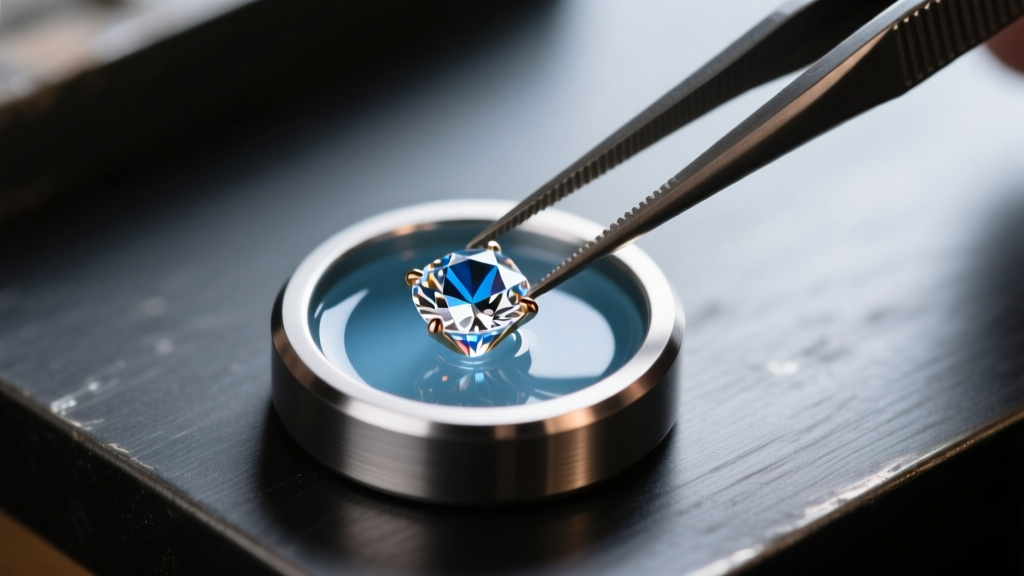
- Stone Setting: Using wax-tipped tweezers, press your raw quartz cluster into the epoxy. Apply gentle, sustained pressure for 60 seconds to force the adhesive into the stone's natural crevices.
- Curing and Cleanup: Wipe away any squeezed-out epoxy with an alcohol-dampened cotton swab before it skins over. Allow the piece to cure undisturbed on a level surface for 24 hours.
- Backing Selection: Pair the finished stud with titanium friction backs or, for maximum security against heavy clusters, upgrade to screw-back ear nuts to prevent loss.
Final Thoughts on the Bespoke Ear Trend
The rise of DIY stud earrings in 2026 represents a broader cultural shift toward mindful consumption and individualized style. By understanding the underlying science of implant-grade metallurgy, anatomical gauge requirements, and advanced adhesive chemistry, hobbyists can transcend simple crafting and enter the realm of bespoke jewelry engineering. Whether you are encapsulating upcycled vintage watch parts in UV resin or setting raw, unpolished geodes in titanium bezels, the modern crafted ear is limited only by your technical precision and creative vision.


