Why Do Earrings Turn Green? Causes and Easy Fixes
Discover why do earrings turn green on your skin. Learn the science behind copper oxidation, how to prevent it, and which hypoallergenic metals to buy.

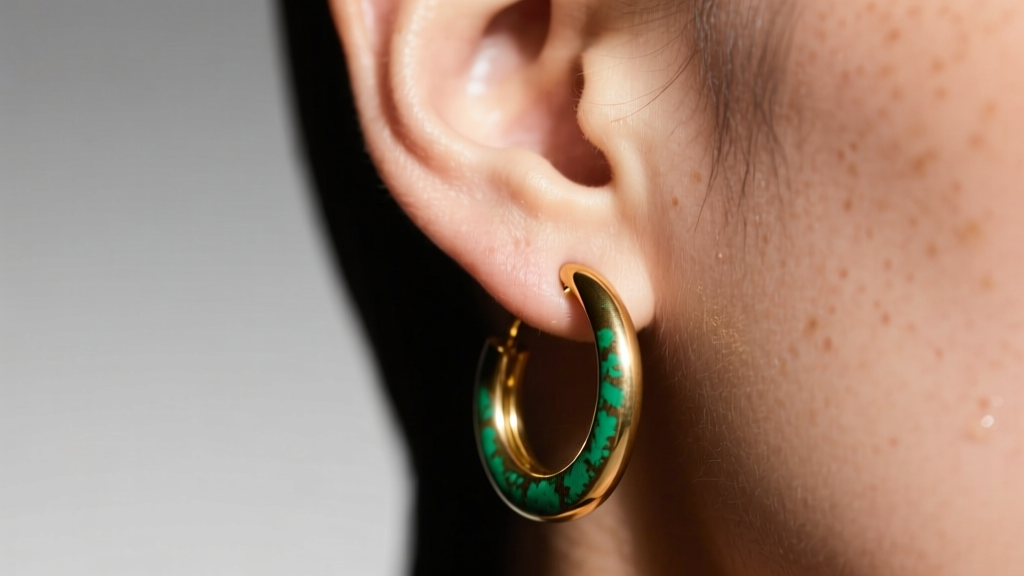
The Chemistry: Why Do Earrings Turn Green?
Welcome to the frustrating world of jewelry oxidation. You put on a beautiful pair of vintage-inspired hoops or affordable studs, and by the end of the day, your earlobes are sporting an unmistakable green tint. If you have ever asked yourself, "why do earrings turn green?" you are not alone. This phenomenon is incredibly common, yet it is widely misunderstood. Many beginners mistakenly assume that a green stain indicates a severe metal allergy or a toxic reaction. In reality, it is almost always a harmless chemical reaction between the metal alloys in your jewelry and the natural environment of your skin.
To understand the science, we must look at the periodic table. The primary culprit is almost always copper. Pure copper is a reddish-orange metal that is highly reactive. When copper is exposed to oxygen, moisture, and the natural acids found in human sweat, it undergoes a chemical reaction called oxidation. This reaction produces copper chloride and copper carbonate—compounds that are distinctly green. Think of the Statue of Liberty, which is coated in copper that has oxidized over decades to form a green patina. In jewelry making, pure copper is rarely used on its own because it is too soft to hold intricate shapes or secure gemstones. Instead, it is alloyed with other metals to create brass, bronze, and even sterling silver. When the copper within these alloys reacts with your skin's moisture, the resulting green copper salts are absorbed into the outermost layer of your epidermis, leaving a temporary, harmless stain.
Metal Breakdown: Which Earrings Cause Green Skin?
Not all metals are created equal. The likelihood of your earrings turning your skin green depends entirely on the specific alloy composition. According to the Gemological Institute of America (GIA), understanding your jewelry's metal content is the first step in proper care and wearability. Below is a comprehensive breakdown of common earring materials and their oxidation risks.
| Metal Type | Copper Content | Green Stain Risk | Average Price Range (Studs) |
|---|---|---|---|
| Brass / Bronze | 60% - 90% | Very High | $5 - $25 |
| Sterling Silver (925) | 7.5% | Moderate (if unplated) | $20 - $60 |
| Gold-Plated / Vermeil | Varies (Base metal) | High (when plating wears) | $15 - $50 |
| Solid 14k Yellow Gold | ~12% - 15% | Low | $100 - $300+ |
| Implant-Grade Titanium | 0% | None | $15 - $45 |
Sterling Silver (925): Many people are surprised to learn that sterling silver can cause green stains. By law, sterling silver must contain 92.5% pure silver and 7.5% other metals—usually copper. If the earrings lack a protective rhodium plating, that 7.5% copper is enough to leave a faint green ring on highly acidic skin.
Gold-Plated Jewelry: Plated earrings feature a microscopic layer of gold over a base metal (often brass or copper). Once friction and sweat wear through that thin gold layer, the reactive base metal is exposed to your skin, triggering rapid oxidation.
The Role of Sweat, pH, and Lotions
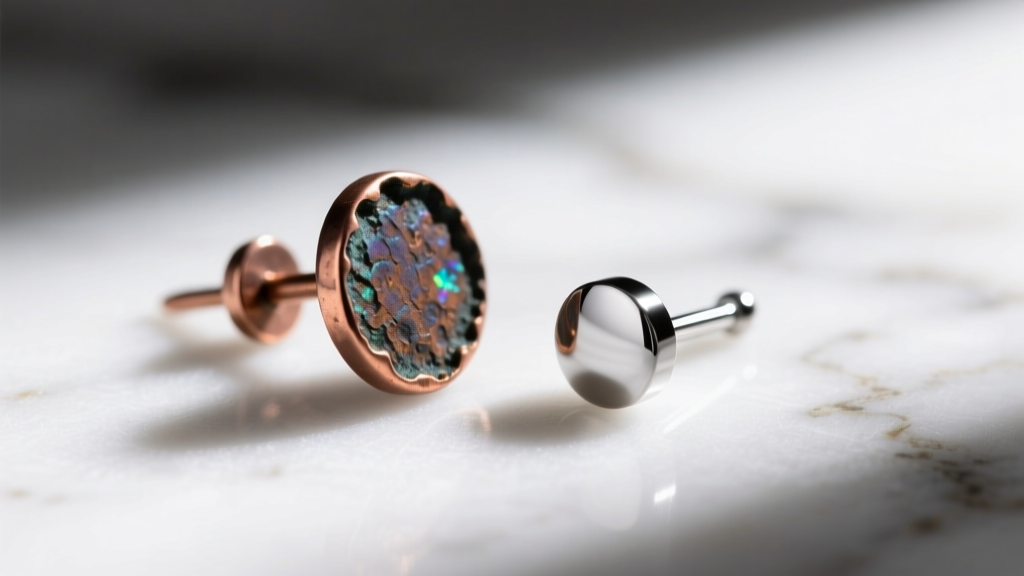
The environment of your earlobe plays a massive role in accelerating oxidation. Human sweat is not just water; it is a complex mixture of salts, urea, and lactic acid. The pH level of human sweat typically ranges from 4.5 to 7.0. If your diet, stress levels, or hydration cause your sweat to lean toward the more acidic end of that spectrum, it will break down copper alloys much faster.
Furthermore, everyday cosmetics act as chemical catalysts. Lotions, perfumes, sunscreens, and hairsprays contain compounds that cling to the microscopic pores of your earlobes. When these products mix with the metal alloys in your earrings, they create a highly corrosive micro-environment. This is why you might notice that earrings turn green on hot, humid summer days, or immediately after applying a new body moisturizer, but remain perfectly clean during dry, inactive winter evenings.
How to Stop Earrings From Turning Your Ears Green
If you have a favorite pair of fashion earrings and want to know how to stop the staining, you need to create a physical barrier between the metal and your skin. Here are the most effective, expert-approved methods:
- Apply a Polymer Sealant: Products like Jeweler's Skin Guard or a simple coat of clear polyurethane-based nail polish can coat the earring post and backing. Apply a thin layer to the parts of the earring that touch your skin and let it cure for 24 hours. Reapply every few weeks as friction wears it down.
- Upgrade to Rhodium Plating: If you have expensive sterling silver or white gold earrings that are staining, take them to a local jeweler to be dipped in rhodium. Rhodium is a platinum-group metal that is completely non-reactive and provides a brilliant, protective shield over the copper alloys beneath.
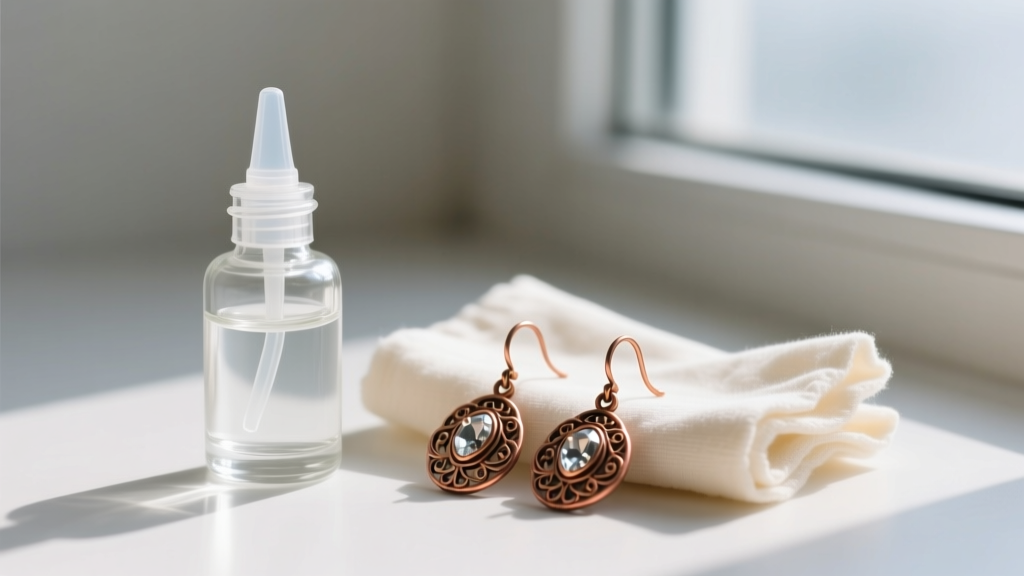
- Maintain a Strict Cleaning Routine: Wipe your earrings down with a soft microfiber cloth and a gentle jewelry cleaner after every wear. Removing the invisible layers of sebum, dead skin cells, and acidic sweat prevents the oxidation process from starting while the earrings sit in your jewelry box.
- Keep Ears Dry: Never sleep in fashion earrings, and always remove them before showering or swimming. Chlorine in pools is notoriously aggressive and will strip plating and accelerate copper oxidation in minutes.
Best Hypoallergenic Metals for Sensitive Earlobes
If you are tired of playing defense with sealants and polishing cloths, the ultimate solution is to upgrade your jewelry collection to inert, non-reactive metals. When shopping for everyday studs, huggies, or cartilage hoops, look for these specific material grades:
Implant-Grade Titanium (ASTM F136): This is the gold standard for body jewelry. Titanium is completely nickel-free, contains zero copper, and is biocompatible. It is lightweight, highly durable, and will never turn your skin green or cause an allergic reaction. Standard lobe piercings typically accommodate 20-gauge or 18-gauge titanium posts perfectly.
Niobium: Similar to titanium, niobium is a highly reactive element that forms a protective oxide layer, making it completely safe for sensitive skin. It is often used in seamless hoops and clickers for cartilage piercings.
Solid 14k or 18k Yellow Gold: While gold alloys do contain trace amounts of copper, the ratio in high-karat solid gold is low enough that it rarely causes green stains unless the wearer has extremely acidic skin. Avoid 10k gold, as it contains a much higher percentage of filler alloys like copper and zinc.
Expert Note: Do not confuse a green stain with an allergic reaction. A green stain is a harmless copper salt residue that washes off with soap and water. If your earlobes are red, swollen, itchy, or weeping fluid, you are likely experiencing allergic contact dermatitis, most commonly triggered by nickel. For severe allergies, consult a board-certified dermatologist, as noted by the American Academy of Dermatology, and strictly wear implant-grade titanium or platinum.
Frequently Asked Questions
Is the green stain from earrings dangerous?
No. The green discoloration is simply copper chloride or copper carbonate. It sits on the surface of the epidermis and is not absorbed into the bloodstream. It can be easily removed with rubbing alcohol, makeup remover, or a thorough wash with warm soap and water.
Why do my expensive sterling silver earrings turn green?
Sterling silver is an alloy containing 7.5% copper. If the earrings are not plated with rhodium, or if the rhodium plating has worn away from years of friction, the exposed copper will react with your sweat. To fix this, have the earrings professionally re-plated or coat the posts with a clear jewelry sealant.
Can I wear fashion jewelry if I have sensitive skin?
It is not recommended. Fashion jewelry is typically made from brass or zinc alloys and plated with thin layers of silver or gold. Not only will the copper content turn your skin green, but the hidden nickel content often triggers severe contact dermatitis. Stick to ASTM F136 titanium or solid 14k gold for peace of mind.


