Can I Change My Earrings After 2 Weeks? Material & Healing Guide
Wondering if you can change your earrings after 2 weeks? Discover the material science of healing fistulas, safe metals, and swapping risks.

The Short Answer: Biology vs. The Calendar
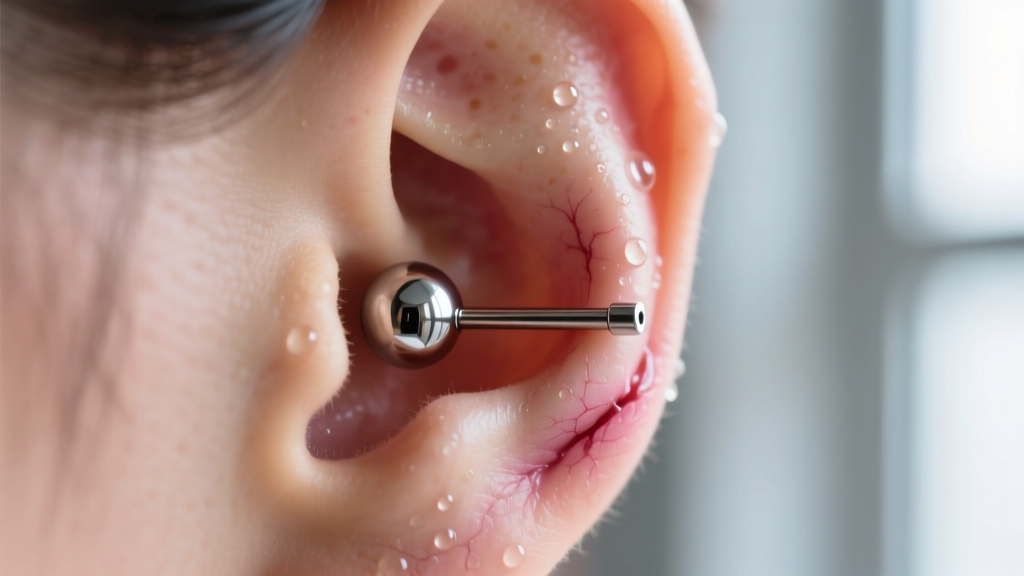
If you are asking, "can I change my earrings after 2 weeks?" the immediate answer from any reputable piercer or dermatologist is a resounding no. However, the complete answer requires understanding the intersection of wound healing biology and jewelry metallurgy. In 2026, the professional piercing industry has moved far beyond the outdated "six-week rule" popularized by mall kiosks. We now evaluate healing based on tissue maturation, fistula formation, and the specific material properties of the jewelry interacting with your open wound.
At the two-week mark, a fresh piercing is still in the proliferative phase of healing. The body is actively laying down a fragile matrix of collagen and new blood vessels. The epithelial tube (the fistula) that will eventually protect your ear from bacteria and foreign debris is only partially formed. Removing the initial jewelry at this stage collapses this fragile tunnel, forcing the body to restart the healing cascade and drastically increasing the risk of hypertrophic scarring, contact dermatitis, and bacterial infection.
Material Properties: What Happens During an Early Swap
The danger of changing earrings too early is heavily compounded by the material you are swapping into. When the fistula is immature, the tissue is highly permeable. Micro-tears caused by pushing a new earring post through the healing tract expose the bloodstream and deep dermal layers to the metal's surface alloys.
The Biocompatibility Hierarchy
Not all metals are created equal. The Association of Professional Piercers (APP) strictly regulates which materials are safe for initial piercings. If you attempt a swap at two weeks with substandard metals, the porous, healing tissue will absorb nickel and other reactive ions, triggering an immune response.
| Material Grade | Nickel Release Rate | Surface Porosity | Safety for Early Swap |
|---|---|---|---|
| ASTM F-136 Titanium | Zero (Nickel-Free) | Mirror Polish (Non-Porous) | Safest (if absolutely necessary) |
| Niobium (99.9% Pure) | Zero | Highly Polishable | Safe |
| 14k/18k Solid Gold | Varies (Must be Ni-Free) | Low (if alloyed correctly) | Moderate Risk |
| 316L "Surgical" Steel | High (Up to 50µg/cm²/week) | Micro-porous | Unsafe (High Allergy Risk) |
| Sterling Silver / Plated | Variable / Toxic Base Metals | High (Oxidizes rapidly) | Extreme Hazard |
According to research published by the American Academy of Dermatology, nickel contact dermatitis is the most common allergic reaction to jewelry. When you force a 316L steel post through a 14-day-old fistula, the friction strips the metal's passive oxide layer, releasing nickel ions directly into the vascularized wound bed. This results in the classic symptoms of a "rejected" or "infected" piercing: intense itching, weeping clear fluid, and localized swelling.
The Mechanical Danger: Threading and Surface Finish
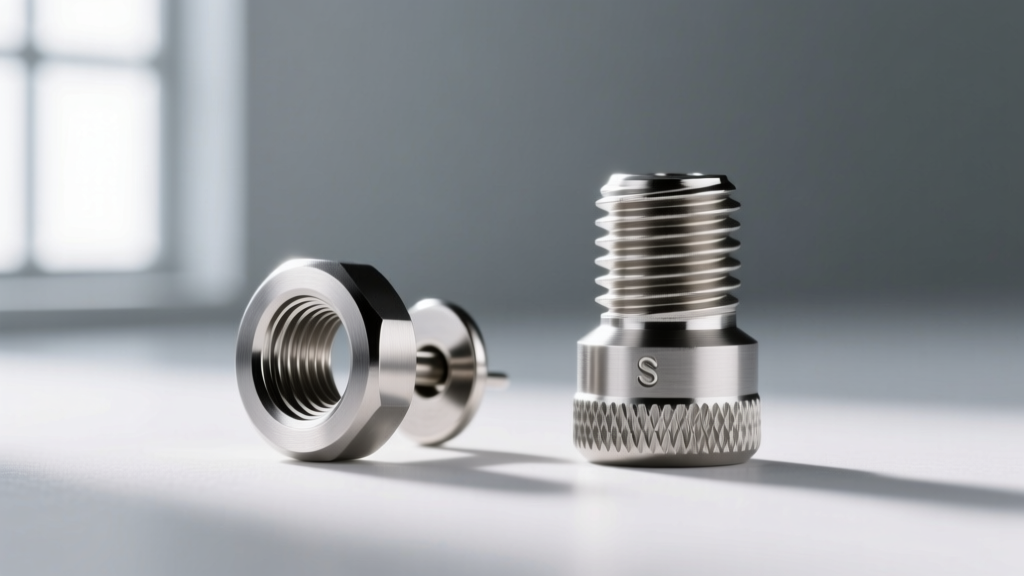
Material composition is only half the battle; the physical geometry of the earring post dictates whether your two-week swap will cause mechanical trauma. Standard fashion earrings utilize external threading, where the screw-like ridges are on the post itself. Pushing an externally threaded post through a fragile, two-week-old fistula acts like a tiny saw, creating micro-lacerations in the healing tissue.
Internally Threaded and Threadless Alternatives
Professional-grade jewelry utilizes internal threading (the screw is on the decorative end, and the post is perfectly smooth) or threadless (press-fit) tension systems. If you are in a situation where an early swap is mandatory, you must use a threadless or internally threaded ASTM F-136 titanium labret or barbell. The mirror-polished, smooth post glides through the delicate epithelial tube without snagging or tearing the newly formed cells.
The Harm Reduction Protocol: When You *Must* Change at 2 Weeks
While the golden rule is to leave initial jewelry in place for 8-12 weeks (lobes) or 9-12 months (cartilage), there is one major exception: allergic contact dermatitis or severe galvanic corrosion from poor-quality initial jewelry. If you were pierced with a mystery-metal stud from a retail store and your ear is swelling, burning, and turning green or black, leaving the toxic metal in place will cause tissue necrosis. In this specific scenario, swapping the jewelry at two weeks is a medical necessity.
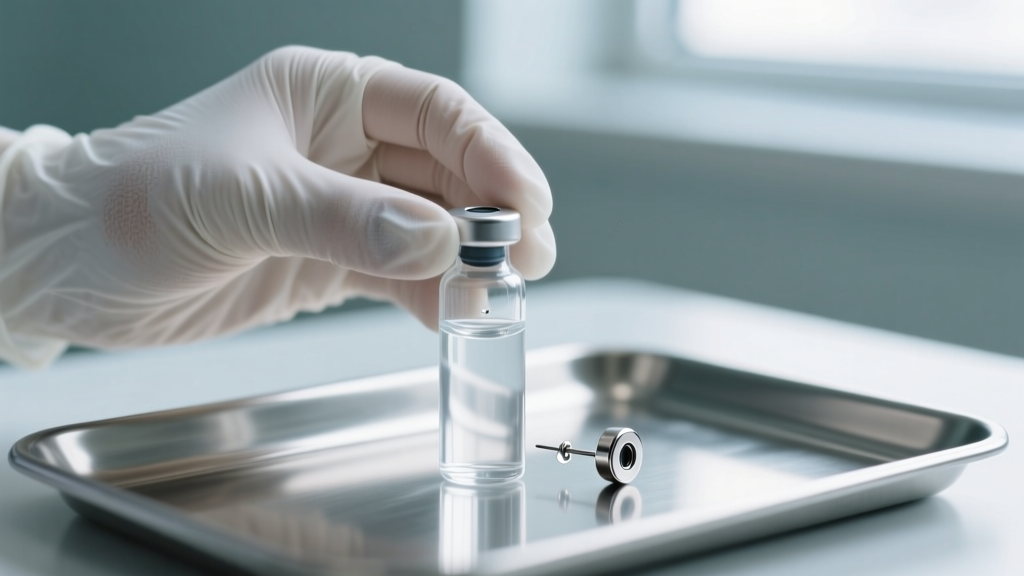
If you must perform an emergency swap on a healing lobe piercing, follow this strict harm-reduction protocol to minimize trauma:
- Preparation: Wash your hands thoroughly and don disposable nitrile gloves. Prepare a sterile field using a clean paper towel.
- Sterilize the Replacement: Your new jewelry must be ASTM F-136 implant-grade titanium. Soak the new post and end in a cup of sterile wound wash (0.9% sodium chloride) for 5 minutes.
- Lubrication: Never force dry metal through a healing fistula. Spray the new titanium post generously with sterile saline to act as a lubricant.
- The Swap: Gently unscrew or pull out the old jewelry. Immediately insert the smooth, saline-lubricated titanium post from the front of the ear, following the exact angle of the original piercing channel. Do not use a taper, as tapers can stretch and blow out a fresh 18G or 16G hole.
- Secure and Clean: Attach the threadless end or screw on the backing. Mist the area with sterile saline and gently pat dry with non-woven gauze. Avoid cotton balls, which leave microscopic fibers in the wound.
Differentiating Healing Lymph from Early-Swap Infections
After an early jewelry change, your body will likely react with increased exudate. It is vital to distinguish between normal healing lymph and a bacterial infection caused by introducing pathogens during the swap.
- Normal Lymph: Pale yellow, clear, or slightly whitish fluid that dries into a soft crust. This is composed of dead white blood cells and plasma, indicating the body is repairing the micro-tears caused by the jewelry swap.
- Contact Dermatitis: Clear, watery weeping accompanied by intense itching, redness, and flaking skin. This is an allergic reaction to the new metal, requiring an immediate upgrade to pure niobium or titanium.
- Bacterial Infection: Thick, opaque, green or dark yellow pus (purulent exudate) accompanied by radiating heat, throbbing pain, and systemic symptoms like a fever. This requires a visit to a physician for targeted antibiotics, not just a jewelry change.
The 2026 Piercing Consensus: Patience is the ultimate aftercare product. Unless you are experiencing a severe allergic reaction to substandard initial jewelry, changing your earrings after 2 weeks disrupts the epithelialization process, introduces mechanical trauma, and exponentially increases the likelihood of permanent hypertrophic scarring. Trust the biology, invest in implant-grade titanium, and wait for the fistula to mature.


