Cheetah Earrings in 2026: Material Guide & Properties
Discover the material science behind cheetah earrings in 2026. Compare enamel, acetate, acrylic, and PVD steel for durability, weight, and skin safety.

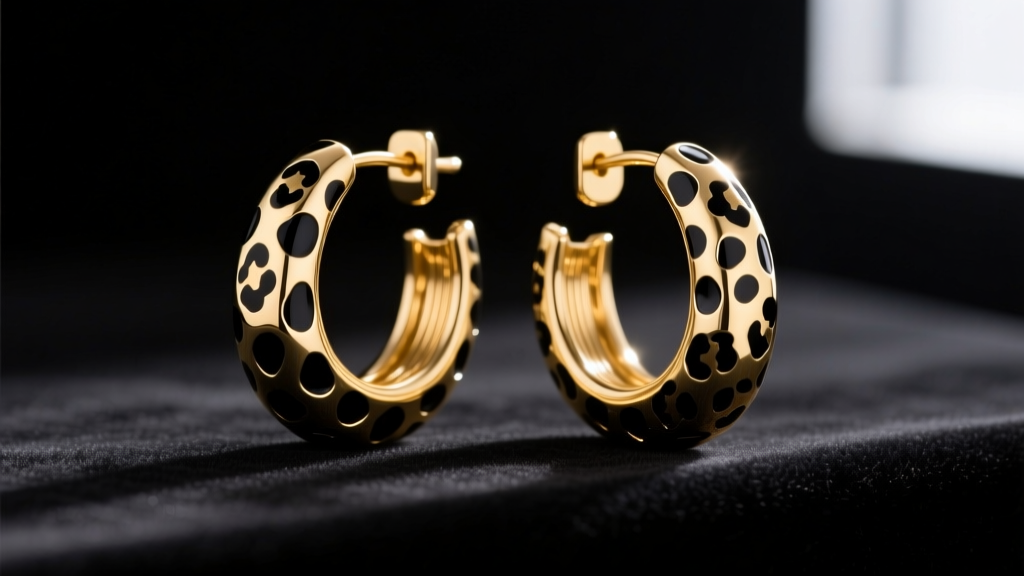
The Anatomy of Cheetah Earrings: Beyond the Print
When we talk about cheetah earrings, the conversation usually revolves around the bold, unapologetic aesthetic of the animal print. However, as a senior jewelry analyst observing the 2026 market, the true differentiator between a disposable fast-fashion accessory and a lifelong wardrobe staple lies entirely in material science. The cheetah pattern is notoriously difficult to execute flawlessly across different mediums. Achieving the organic, asymmetrical rosettes and solid spots of a cheetah coat requires distinct manufacturing techniques depending on whether the base is metal, resin, or polymer.
In this comprehensive guide, we strip away the aesthetic bias and examine the metallurgical and chemical properties of the four dominant materials used in cheetah earrings today. Whether you are looking for lightweight cartilage-friendly studs or statement-making lobe dangles, understanding these material properties is critical for avoiding contact dermatitis, structural failure, and premature tarnishing.
Material Breakdown: Enamel, Acetate, Acrylic, and PVD Steel
The method used to apply the cheetah pattern dictates the earring's weight, hypoallergenic properties, and lifespan. Here is a deep dive into the four primary material categories dominating the 2026 landscape.
1. Vitreous Enamel over Brass or Sterling Silver
High-end cheetah print earrings utilize vitreous enamel, a powdered glass fused to a metal base at temperatures exceeding 1,400°F (760°C). The cheetah spots are created using the champlevé technique, where microscopic troughs are carved into the metal and filled with contrasting glass powder. Vitreous enamel is incredibly durable, UV-resistant, and will not yellow over time. However, because it requires a metal base, the earrings are heavier. If the base metal is brass, it must be heavily gold-plated to prevent the copper content from reacting with sweat, which can cause green skin discoloration and allergic reactions.
2. Cellulose Acetate
For chunky, oversized cheetah hoops and thick huggies, cellulose acetate is the gold standard. Derived from plant-based cellulose (usually cotton or wood pulp), acetate is naturally hypoallergenic. The cheetah pattern is not printed on the surface; rather, it is created by layering different colored acetate sheets (amber, black, and cream) and cutting them into blocks. When sliced and tumbled, the cross-section reveals a deep, 3D cheetah pattern. Acetate is lightweight and warm to the touch, but it is susceptible to chemical degradation if exposed to harsh solvents like acetone or high-concentration alcohols.
3. PMMA Acrylic (Laser-Cut)
Budget-friendly cheetah earrings are frequently made from Polymethyl Methacrylate (PMMA), commonly known as acrylic. The pattern is either laser-engraved or applied via UV printing on the surface. While acrylic allows for hyper-detailed, photographic cheetah prints and extreme lightweight properties, it is inherently brittle. According to materials research discussed by the Santa Fe Symposium on Jewelry Manufacturing Technology, polymers like PMMA are highly susceptible to stress cracking around drill holes, making them a poor choice for heavy dangle styles that experience kinetic swinging.
4. PVD-Coated 316L Surgical Steel
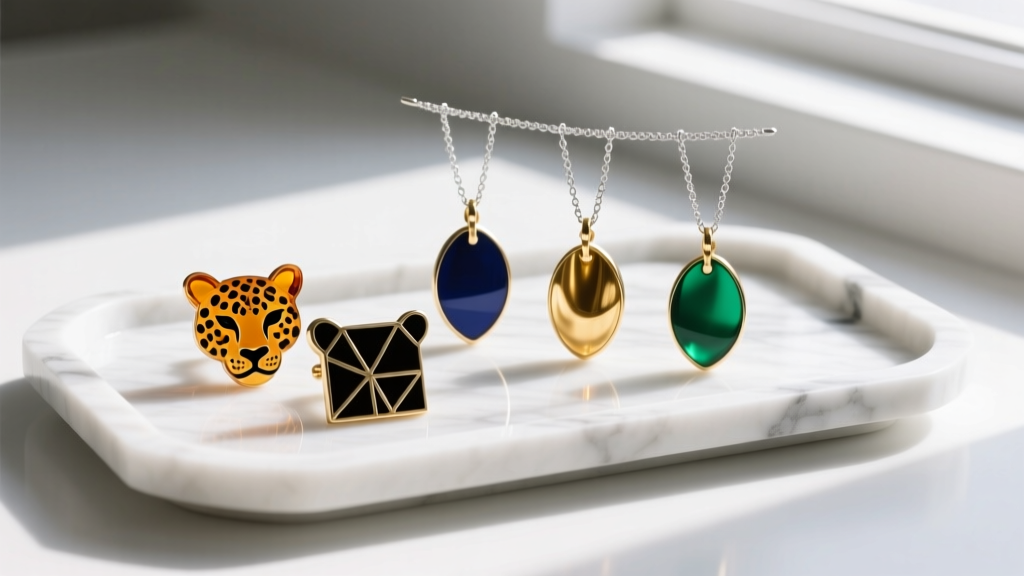
The most significant innovation in 2026 is the use of Physical Vapor Deposition (PVD) over 316L surgical stainless steel. PVD binds a microscopic layer of gold or black titanium to the steel in a vacuum chamber, creating a waterproof, scratch-resistant surface. The cheetah pattern is laser-etched through the gold layer to reveal the dark steel beneath, or vice versa. This material is entirely nickel-free and hypoallergenic, making it the safest option for fresh piercings and sensitive cartilage, as noted by the American Academy of Dermatology regarding the prevention of nickel-induced contact dermatitis.
Comparative Data: Weight, Durability, and Hypoallergenic Properties
To help you make an informed purchasing decision, we have compiled a technical comparison matrix based on 2026 manufacturing standards. This table highlights the biomechanical and chemical realities of each material.
| Material | Base Composition | Avg. Weight (per pair) | Hypoallergenic Rating | Primary Failure Mode | Price Range (2026) |
|---|---|---|---|---|---|
| Vitreous Enamel | Glass / Brass or Silver | 8g - 14g | Moderate (Depends on base) | Enamel chipping from impact | $65 - $180 |
| Cellulose Acetate | Plant-based Polymer | 3g - 7g | Excellent | Surface scratching / Warping | $35 - $85 |
| PMMA Acrylic | Synthetic Polymer | 1g - 4g | Good (Post dependent) | Micro-fractures at drill holes | $12 - $30 |
| PVD Steel | 316L Stainless Steel | 5g - 10g | Excellent (Nickel-Free) | Clasp tension fatigue | $40 - $95 |
Structural Failure Points and How to Avoid Them
Every material has a specific breaking point. Understanding these failure modes will save you from losing a favorite piece of jewelry.
- The Acrylic Drill Hole Fracture: In laser-cut acrylic cheetah dangles, the jump ring passes through a tiny drilled hole. The kinetic energy of walking causes the metal ring to act like a saw against the brittle PMMA. Solution: Always look for acrylic earrings where the drill hole is reinforced with a tiny metal eyelet or grommet.
- Cold Enamel Yellowing: Many mid-tier brands use "cold enamel" (an epoxy resin) instead of fired vitreous enamel to create the cream-colored base of the cheetah print. Epoxy resins undergo photo-oxidation when exposed to UV light, turning a sickly yellow within 6 to 12 months. Solution: Check the product specs for "fired" or "vitreous" enamel. If it simply says "enamel" on a sub-$40 earring, it is likely epoxy.
- Galvanic Corrosion on Plated Brass: If the gold plating on a brass cheetah earring wears thin, your sweat (an electrolyte) will create a galvanic cell between the gold and the exposed copper/brass. This accelerates corrosion and leaves a green copper salt residue on your earlobe.
"The longevity of patterned metal jewelry is entirely dependent on the depth of the plating and the stability of the base alloy. In 2026, PVD coatings offer a 10x increase in wear resistance compared to traditional electroplating." — Journal of Jewelry Metallurgy & Design
Post and Wire Specifications: Gauge and Backing Guide
The material of the earring face is only half the equation; the hardware that pierces your skin is equally critical. Cheetah print earrings, especially dangles and large hoops, carry specific weight distributions that dictate the necessary wire gauge.
Standard Lobe Piercings (20G vs. 18G)
Most standard lobe piercings are done at 20-gauge (0.81mm) or 18-gauge (1.02mm). If you are buying heavy vitreous enamel or solid brass cheetah dangles, you must opt for an 18-gauge or even 16-gauge (1.29mm) post. A thin 20-gauge wire supporting a 14-gram earring will trigger the "cheese-cutter effect," where the wire slowly migrates downward through the earlobe tissue due to gravity and kinetic movement, eventually tearing the piercing.
Cartilage and Flat Backs
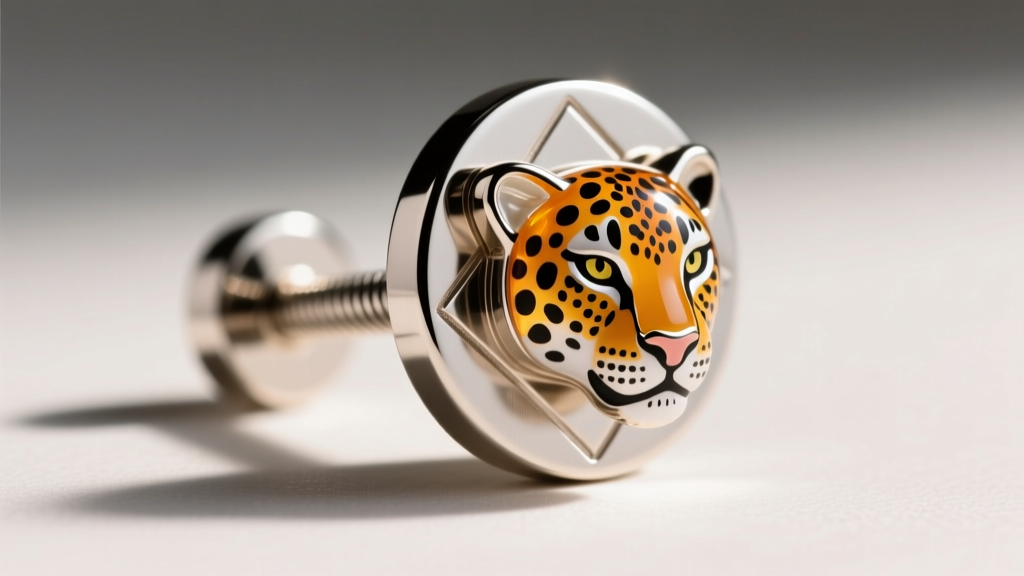
For cartilage piercings (helix, tragus, conch), butterfly backings are a biomechanical nightmare. They trap moisture, harbor bacteria, and the long posts can dig into the side of your head while sleeping. If you are wearing small cheetah studs or huggies in the cartilage, always seek out threadless or internally threaded flat-back posts made from implant-grade titanium (ASTM F136). The flat disc distributes pressure evenly against the back of the ear, preventing the dreaded "cartilage bump" (hypertrophic scarring) caused by localized pressure and friction.
Care and Maintenance by Material
To maximize the lifespan of your cheetah earrings, tailor your cleaning routine to the specific material:
- Acetate: Never use alcohol-based cleaners or hand sanitizers on acetate. The alcohol strips the natural plasticizers, causing the material to turn white, brittle, and crack. Clean only with a damp microfiber cloth and mild soap.
- Vitreous Enamel: Safe for ultrasonic cleaners, but avoid sudden temperature shocks (like moving from hot water to cold air), which can cause the glass enamel to craze or pop off the metal base.
- PVD Steel: Virtually indestructible in daily wear. Can be cleaned with warm soapy water and a soft brush. Avoid abrasive polishing cloths, which can wear down the microscopic PVD layer over time.
Final Verdict: Choosing the Right Cheetah Earrings for Your Lifestyle
The cheetah print trend in 2026 is no longer just about making a visual statement; it is about investing in pieces that respect both your body and your budget. If you have sensitive skin or active cartilage piercings, PVD-coated 316L steel and cellulose acetate are your safest, most durable options. For heirloom-quality, luxurious statement pieces that will survive decades of wear, seek out vitreous enamel over solid sterling silver. Avoid un-reinforced PMMA acrylic for any earring that dangles or carries weight, and always verify the gauge thickness of the post to protect your earlobe tissue from long-term stretching. By prioritizing material properties over fast-fashion aesthetics, you ensure your wild side remains flawlessly intact for years to come.


