How to Choose the Perfect Red Garnet Earrings: A Beginner's Guide
Discover how to choose the perfect red garnet earrings. Learn about gemstone grades, metal pairings, and earring styles in this beginner-friendly guide.

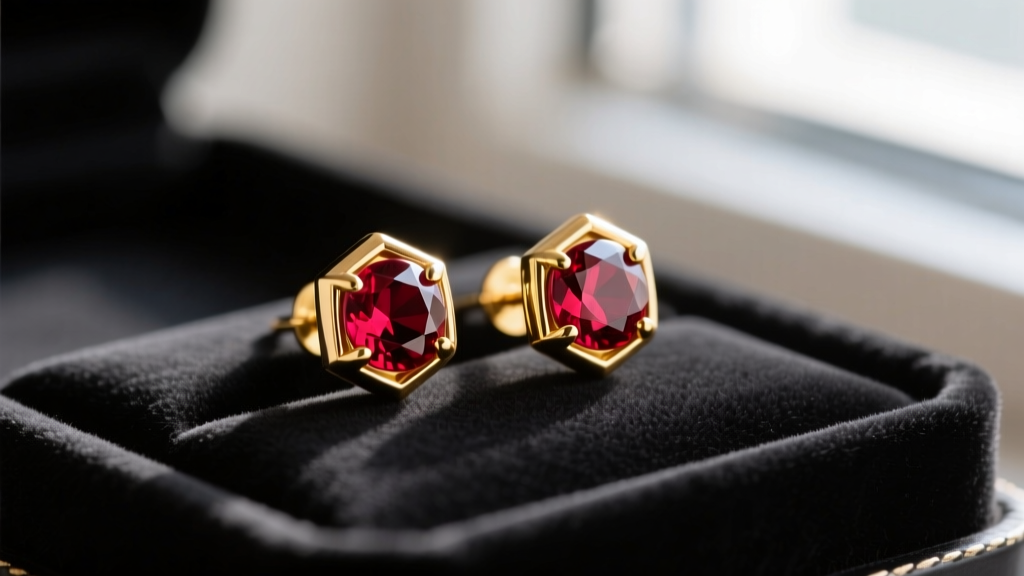
When building a timeless jewelry collection, few pieces offer the rich, historical allure and vibrant color of red garnet earrings. Whether you are shopping for a January birthstone gift or simply want to add a touch of deep crimson to your everyday rotation, garnets are an exceptional choice. However, not all garnets are created equal. As a beginner, navigating the gemological nuances, metal pairings, and piercing specifications can feel overwhelming.
This comprehensive guide will walk you through everything you need to know to confidently select, wear, and care for red garnet earrings, ensuring you get the best value and aesthetic for your investment.
Understanding Red Garnet: More Than Just a January Birthstone
The term 'garnet' does not refer to a single mineral, but rather a complex group of silicate minerals that share a common crystal structure. According to the Gemological Institute of America (GIA), the red varieties of garnet are primarily classified into three distinct species, each with unique visual characteristics and price points:
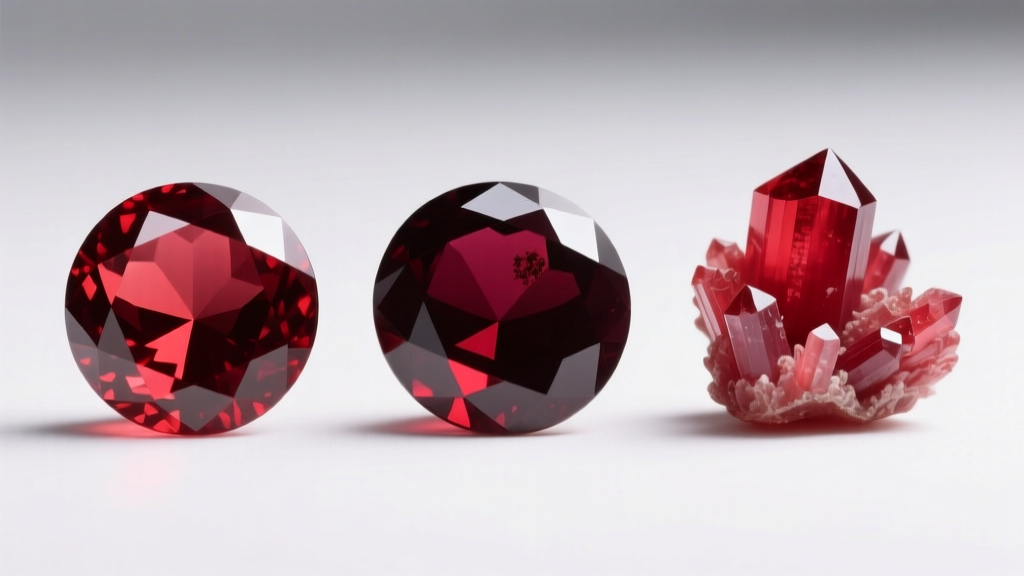
- Almandine: The most common and affordable red garnet. It typically exhibits a deep, slightly brownish-red hue. Because almandine crystals can grow quite large, they are frequently used in statement drop earrings and larger stud designs.
- Pyrope: The classic 'ruby-red' garnet. Pyrope is highly prized for its vivid, blood-red saturation without the brown secondary tones found in almandine. It is the premier choice for fine jewelry studs and huggies.
- Rhodolite: A hybrid of almandine and pyrope, rhodolite leans toward a purplish-red or raspberry hue. While technically a red garnet, its cooler undertones make it incredibly flattering against fair and olive skin tones.
On the Mohs scale of hardness, red garnets rank between 7.0 and 7.5. This makes them durable enough for daily wear in earrings, which are less prone to impact than rings. However, they can still chip if struck against a hard surface, so proper setting choices are crucial.
The 4 Cs of Red Garnet Earrings: A Buyer's Checklist
Evaluating red garnet earrings requires a slightly different approach than evaluating diamonds. Here is how the 4 Cs apply specifically to red garnets:
| The 4 Cs | What to Look For in Red Garnet | Beginner Pitfalls to Avoid |
|---|---|---|
| Color | Look for a pure, vivid red (Pyrope) or a rich raspberry (Rhodolite). The color should be saturated but not so dark that it appears black in low light. | Buying 'extinction-heavy' stones where the center appears completely black due to poor cutting and overly dark rough. |
| Clarity | Red garnets are typically 'eye-clean' (no visible inclusions to the naked eye). Almandine may contain tiny zircon halos, which are natural identifiers. | Paying premium prices for stones with visible surface-reaching fractures or heavy cloudiness. |
| Cut | Precision faceting is vital to maximize the stone's high refractive index (1.714 - 1.888). Oval and cushion cuts retain the most carat weight. | Native cuts with bulbous pavilions (bottoms) that make the stone look smaller than its carat weight suggests. |
| Carat | Garnet is denser than diamond. A 1.00-carat garnet will physically measure smaller than a 1.00-carat diamond. Focus on millimeter (mm) dimensions instead. | Assuming a 2-carat garnet stud will have the same physical footprint as a 2-carat diamond stud. |
Metal Pairings: Which Setting Enhances the Red?
The metal you choose for your red garnet earrings dramatically alters the stone's visual impact. Because garnets possess warm, earthy undertones, the alloy of your setting plays a massive role in the final aesthetic.
14k and 18k Yellow Gold
Yellow gold is the traditional and most historically accurate pairing for red garnet. The warm yellow hues of the metal amplify the fiery, blood-red tones of pyrope garnets. For daily wear, 14k gold (58.5% pure gold) offers superior scratch resistance compared to 18k gold, making it ideal for secure prong settings.
White Gold and Platinum
If you prefer a modern, high-contrast look, white gold or platinum is the way to go. The cool, silvery metal creates a stark visual boundary that makes the red garnet 'pop.' Ensure your white gold is rhodium-plated to prevent the yellowish tint of the underlying alloy from clashing with the gemstone.
Rose Gold
Rose gold offers a beautiful monochromatic harmony with red garnets. The copper alloys in rose gold echo the warm, reddish hues of the gemstone, creating a romantic and cohesive vintage aesthetic. This pairing is exceptionally popular for Victorian-inspired drop earrings and intricate filigree huggies.
Sterling Silver (925)
Sterling silver is the most budget-friendly option and provides a similar high-contrast look to white gold. However, silver is softer and prone to tarnishing. If buying silver red garnet earrings, look for bezel settings rather than delicate prongs, as silver prongs can bend over time, risking the loss of the stone.
Matching Earring Styles to Your Piercings
Red garnets are versatile and can be set in virtually any earring style. However, matching the style to your specific piercing gauge and placement is essential for comfort and security.
- Standard Lobe Studs (20g or 18g): A classic 6mm to 8mm round or oval red garnet stud is perfect for standard lobe piercings. Ensure the earring post is at least 10mm long to accommodate the earlobe thickness and the butterfly or screw back.
- Drop and Dangle Earrings (18g): Because garnets are relatively dense, large dangle earrings can cause earlobe stretching over time. If you choose heavy almandine drops, opt for styles with a French wire or a secure leverback closure to distribute the weight more evenly.
- Cartilage and Huggies (16g or 14g): For helix or tragus piercings, red garnet huggies or clickers are highly popular. Cartilage piercings typically require a thicker 16-gauge (1.2mm) or 14-gauge (1.6mm) post. Ensure the inner diameter of the huggie is at least 8mm to 10mm to prevent pressure on the healing or sensitive cartilage tissue.

Pricing Guide: What Should You Actually Pay?
One of the most appealing aspects of red garnet earrings is their accessibility. Unlike rubies, which command astronomical prices per carat, red garnets offer incredible value. According to the American Gem Society, garnets remain one of the most affordable precious-colored gemstones on the market. Here is a realistic pricing framework for a pair of red garnet earrings (total weight 2.00 carats) in 2026:
| Quality Tier | Estimated Price Range | Characteristics |
|---|---|---|
| Commercial Grade | $30 - $80 | Almandine garnets with brownish undertones, noticeable inclusions, set in sterling silver or 10k gold. Often mass-produced with native cuts. |
| Fine Grade | $150 - $400 | Vivid Pyrope or Rhodolite garnets, eye-clean, precision-cut for maximum brilliance. Set in 14k gold with secure, well-finished prongs. |
| Premium / Custom | $500 - $1,200+ | Top-tier, untreated Pyrope with exceptional clarity and custom lapidary work. Set in 18k gold or platinum, often featuring diamond accent halos. |
Care, Cleaning, and Common Failure Modes
While red garnets are durable, they require specific care to maintain their brilliance and structural integrity within the earring setting.
Safe Cleaning Methods
The safest way to clean your red garnet earrings is with warm water, a mild dish soap, and a soft-bristled baby toothbrush. Gently scrub behind the stone where lotion and skin oils accumulate, which can dull the garnet's natural fire.
Ultrasonic and Steam Cleaners
Generally, solid, untreated red garnets are safe in ultrasonic cleaners. However, never use a steam cleaner if you suspect the stone has been fracture-filled. While fracture filling is rare in high-quality pyrope, it is sometimes used in lower-grade almandine to improve apparent clarity. Sudden thermal shock from steam can cause these filled fractures to expand, permanently damaging the stone.
Proper Storage
Always store your red garnet earrings separately from diamonds, sapphires, and rubies. Because those stones rank higher on the Mohs scale (8 to 10), they can easily scratch the surface of your garnets if tossed together in a jewelry box. Use individual soft cloth pouches or a lined jewelry box with dedicated compartments.
Common Failure Modes to Watch For
- Prong Wear: Because garnet is harder than silver and gold alloys, a loose stone can actually wear away the inside of the metal prong over time. Check your prongs every six months with a jeweler's loupe.
- Girdle Chipping: The girdle (the outer edge) of the garnet is its most vulnerable point. If your earring is dropped on a tile floor, the girdle can chip. Always opt for V-prongs or bezel settings if you lead an active lifestyle.
Final Thoughts
Investing in red garnet earrings is a brilliant way to introduce rich, historical color into your jewelry wardrobe without the exorbitant price tag of rubies. By understanding the differences between almandine and pyrope, selecting the right metal for your skin tone, and matching the gauge to your specific piercing, you can curate a pair of earrings that will last a lifetime. Whether you choose a simple 18k gold stud or an intricate sterling silver drop, the deep, romantic red of the garnet is guaranteed to turn heads.


