Chrome Hearts Baby Fat Earring: Troubleshooting Fakes & Fit Issues
Troubleshoot common Chrome Hearts Baby Fat earring issues. Learn to spot fakes, fix sagging lobes, and clean oxidized .925 silver safely.

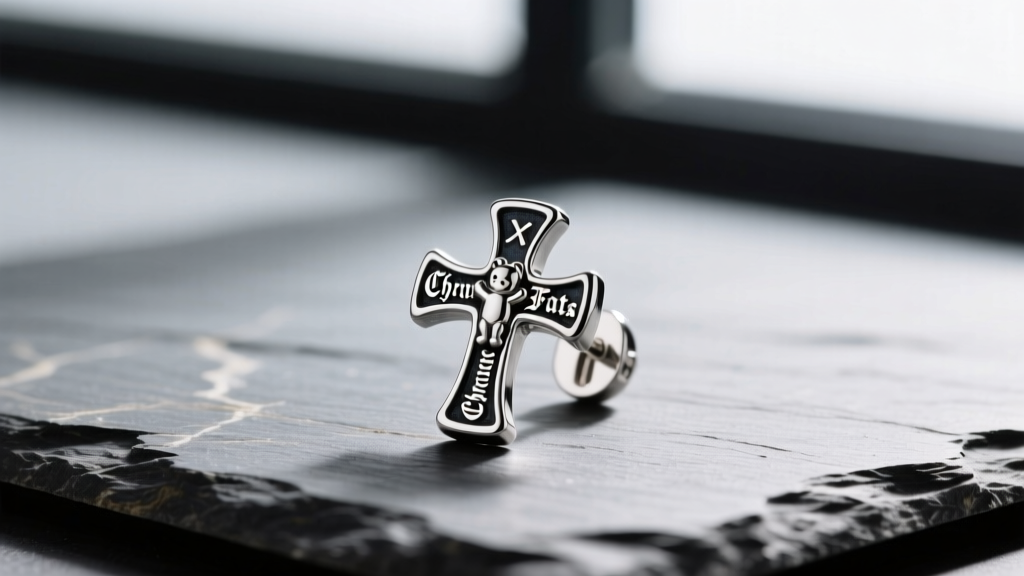
The Chrome Hearts Baby Fat earring remains one of the most coveted grail pieces in the luxury streetwear and fine jewelry crossover market. Known for its chunky, gothic motifs and heavy .925 sterling silver construction, the Baby Fat line—particularly the cross and heart studs—carries significant weight both physically and culturally. However, as we navigate the secondary market in 2026, owning these pieces comes with a unique set of metallurgical, structural, and authentication challenges. From lobe sagging caused by dense silver to the rampant proliferation of high-tier counterfeits, troubleshooting your Baby Fat earrings requires domain-level expertise. This guide provides actionable, technical solutions to the most common problems faced by collectors and daily wearers alike.
The Authentication Dilemma: Spotting Counterfeit Baby Fat Motifs
The secondary market is currently saturated with "super-fakes" that mimic the lost-wax casting process used by Chrome Hearts. To authenticate a Chrome Hearts Baby Fat earring, you must move beyond basic visual checks and examine the metallurgical and structural evidence.
- The Weight Test: Authentic Baby Fat cross studs are cast in solid .925 sterling silver and typically weigh between 3.1 and 3.4 grams per earring. Counterfeits made from zinc alloy or silver-plated brass often fall short, weighing under 2.2 grams. Use a digital jeweler's scale (accurate to 0.01g) to verify the mass.
- Hallmark Depth and Typography: Genuine pieces feature deep, cast-in or hand-stamped hallmarks reading "CHROME HEARTS", "925", and often a copyright symbol. Fakes frequently use shallow laser-etching. Under a 10x jeweler's loupe, authentic stamps will show microscopic tooling marks or casting porosity, whereas laser etching will appear perfectly flat and uniformly burned.
- Post Soldering: Examine where the ear post meets the back of the Baby Fat motif. Chrome Hearts uses high-temperature silver solder, leaving a slightly textured, organic joint. Fakes often exhibit a perfectly smooth, machine-soldered bead or, worse, visible glue residue.
For absolute certainty on high-ticket purchases, the Gemological Institute of America (GIA) recommends X-ray Fluorescence (XRF) testing to verify the exact elemental breakdown, ensuring the copper-to-silver ratio matches true .925 standards without hidden lead or nickel fillers.
Gauge Friction and Lobe Sagging: Resolving Fit Problems
Because of the dense, chunky nature of the Baby Fat designs, wearers frequently experience the "pendulum effect," where the heavy silver drags the earlobe downward, causing the piercing hole to stretch or the earring to face the floor rather than sitting flush.
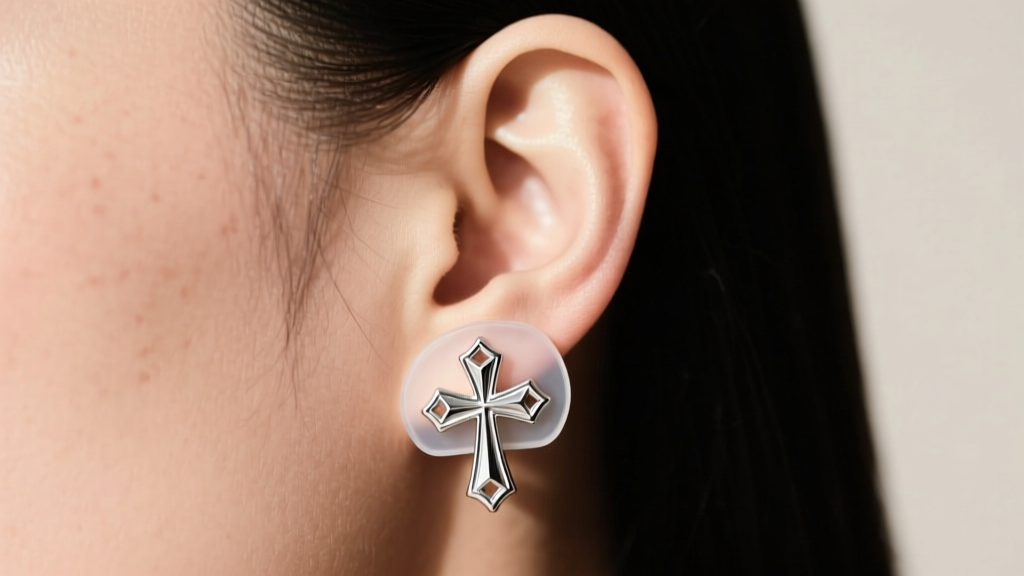
Understanding the Gauge and Post Mechanics
Standard Chrome Hearts ear posts are typically 18-gauge (1.02mm) or occasionally 19-gauge. While this is standard for fine jewelry, it is structurally insufficient to support 3.5 grams of silver on a relaxed or previously stretched lobe. According to guidelines from the Association of Professional Piercers (APP), heavy jewelry requires active lobe support to prevent permanent tissue thinning.
Actionable Fit Solutions
- Silicone Ear Support Patches: Apply a medical-grade, invisible silicone ear patch (like those from the brand Lobe Wonder) behind the earlobe before inserting the earring. The patch distributes the 3.4g weight across a 15mm surface area, preventing the post from slicing through the tissue.
- Upgrading the Post (With Caution): If your lobes are severely stretched, a master jeweler can carefully desolder the 18g post and replace it with a 16-gauge (1.29mm) titanium or hardened silver post. Warning: This will require stretching your piercing and may slightly decrease the resale value for purist collectors.
The Oxidation Trap: Cleaning Without Erasing Details
Chrome Hearts relies heavily on intentional oxidation—a process where the recessed areas of the silver are blackened using potassium sulfide (liver of sulfur) to create high contrast against the polished high points. The most catastrophic mistake an owner can make is using a chemical silver dip.
"Chemical dips containing thiourea do not discriminate between accidental environmental tarnish and intentional artistic patina. One soak will strip your Baby Fat earring completely white, destroying its depth and significantly lowering its market value."
The Correct Cleaning Protocol
To remove environmental silver sulfide (tarnish) from the high points without touching the blackened crevices, you must use mechanical, non-abrasive methods.
- Tools: A soft horsehair detailing brush and a calcium carbonate-based polish (such as Goddard's Silver Polish Foam).
- Technique: Apply a microscopic amount of polish to the horsehair brush. Gently buff only the raised, polished surfaces of the Baby Fat cross or heart. The soft bristles will not reach deep into the oxidized crevices, preserving the factory contrast.
- Rinsing: Use distilled water (never tap water, which contains chlorine and sulfur) to rinse the polish, then dry immediately with a microfiber cloth.
For deep, scientific insights on preserving intentionally patinated silver, the Canadian Conservation Institute provides extensive documentation on avoiding abrasive thiourea compounds in archival jewelry care.
Clutch Failures: Upgrading Your Backing Hardware
The standard "butterfly" friction backs provided with most luxury earrings are notoriously inadequate for heavy pieces like the Baby Fat line. The tension springs in standard silver clutches wear out quickly, and the friction notch on the 18g post can smooth over time, leading to lost earrings.
Secure Backing Alternatives
Stop relying on standard metal clutches. Instead, implement one of the following hardware upgrades:
- Silicone O-Rings (1mm inner diameter): These provide immense friction against the post groove and grip the skin slightly, preventing the heavy silver from rotating or slipping. They are cheap, effective, and easily replaceable.
- Flat-Disc Silicone Stoppers: Wider than O-rings, these discs distribute the backing pressure across a wider area of the back of the earlobe, which is especially helpful if the heavy earring is causing localized pressure points behind the ear.
Troubleshooting Matrix: Quick Fixes for Baby Fat Owners
| Problem | Root Cause | Expert Solution |
|---|---|---|
| Earring faces downward | Heavy silver (3.4g) overpowers lobe tension | Apply silicone ear support patches behind the lobe |
| Earring falls out randomly | Friction clutch springs have lost tension | Replace with 1mm silicone O-rings or flat-disc stoppers |
| Silver looks flat/white | Previous owner used thiourea chemical dip | Consult a jeweler for professional liver of sulfur re-patina |
| Post feels loose in hole | 18g post is too thin for a relaxed piercing | Use a silicone O-ring to create artificial friction on the post |
| Black crevices turning green | Copper oxidation reacting to skin pH/sweat | Clean with horsehair brush; apply micro-crystalline wax sealant |
Long-Term Care and Storage Protocols
Because .925 sterling silver contains 7.5% copper, it is highly reactive to sulfur and humidity. When you are not wearing your Chrome Hearts Baby Fat earrings, they must be stored correctly to prevent the high-polish areas from developing a yellowish sulfur film.
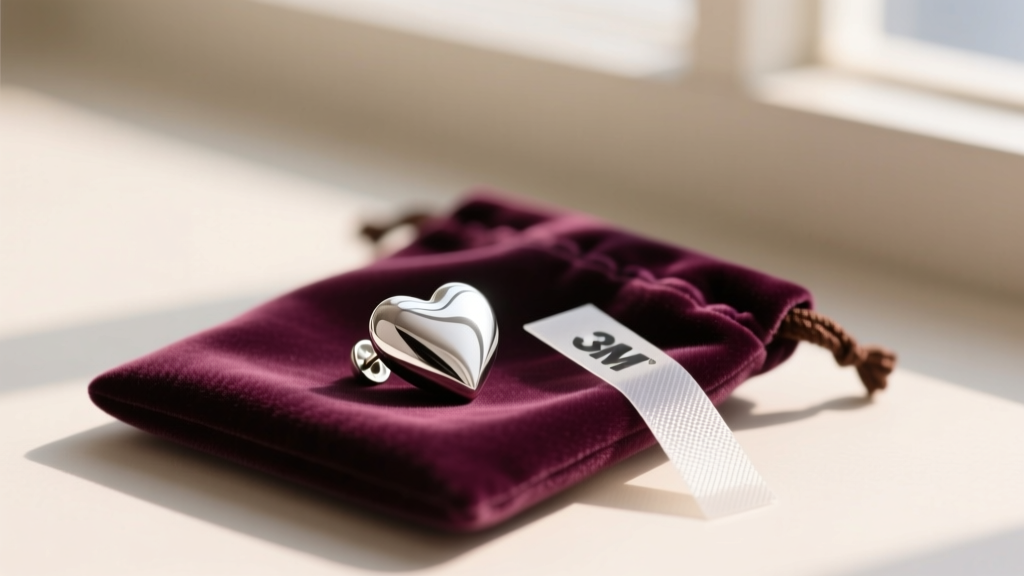
Always store the earrings in an airtight polyethylene ziplock bag alongside a 3M anti-tarnish strip. The strip actively absorbs airborne sulfur compounds before they can react with the copper alloy in the silver. Avoid storing your jewelry in the bathroom, where aerosolized cosmetics and high humidity accelerate the tarnishing process exponentially. By treating your Baby Fat earrings with the same rigorous care as a museum artifact, you ensure they remain a pristine, heavy-hitting staple in your rotation for decades to come.


