Flatscreen Earrings Buying Guide: Styles, Fit & Materials
Discover everything about flatscreen earrings. Our 2026 buying guide covers geometric panel styles, flat-back labrets, gauge sizes, and premium metals.

The Dual Meaning of Flatscreen Earrings in Modern Jewelry
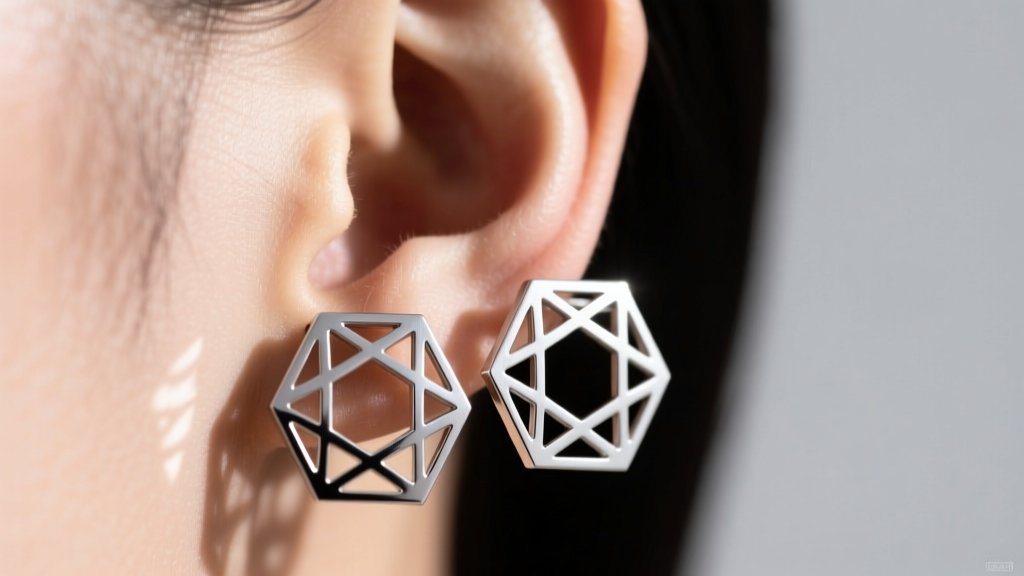
When navigating the contemporary jewelry market, the term 'flatscreen earrings' often causes confusion among buyers. In 2026, this keyword actually refers to two distinct categories of ear adornments. The first is the literal interpretation: avant-garde, architectural earrings featuring flat, screen-like geometric panels, laser-cut mesh, or brutalist metal facades that sit flush or parallel to the ear. The second is a widespread consumer misnomer for 'flat-back' or 'flat disc' labret earrings, which are the gold standard for cartilage and helix piercings.
Whether you are hunting for statement-making geometric panels or seeking the perfect comfortable sleeper for your conch piercing, understanding the nuances of design, weight distribution, and metallurgy is critical. This comprehensive buying guide breaks down exactly what to look for, ensuring your purchase is both aesthetically striking and biologically safe for your piercings.
Material Grades: What Touches Your Skin?
The foundation of any high-quality earring is its material composition. Because flatscreen panel designs and flat-back labrets both require prolonged contact with the skin—often in fresh or healing piercings—hypoallergenic standards are non-negotiable. According to the Association of Professional Piercers (APP), only specific grades of metal should be worn in the body.
Approved Metals for 2026
- Implant-Grade Titanium (ASTM F136): The undisputed king of body jewelry. It is completely nickel-free, lightweight, and highly resistant to corrosion. Ideal for the posts of flat-back labrets and the structural frames of geometric panels.
- Niobium: A highly reactive metal that is naturally hypoallergenic and can be anodized into vibrant colors without using toxic dyes or platings.
- Solid 14k or 18k Gold: Must be nickel-free and ideally alloyed with palladium or silver. Avoid gold-plated or gold-vermeil flatscreen earrings for cartilage piercings, as the thin gold layer will eventually wear off, exposing reactive base metals.
| Material | Standard / Grade | Avg. Price Range | Best Use Case |
|---|---|---|---|
| Titanium | ASTM F136 | $25 - $80 | Healing piercings, daily wear flat-backs |
| Niobium | Unalloyed / Pure | $30 - $90 | Color-anodized geometric panels |
| 14k/18k Gold | Palladium Alloy | $120 - $400+ | Healed lobes, luxury statement pieces |
| Surgical Steel | 316L (ASTM F138) | $10 - $40 | Healed lobes only (contains trace nickel) |
Sizing Guide: Gauge, Post Length, and Panel Dimensions
Sizing is where most buyers make critical errors. A beautiful flatscreen geometric panel will cause severe lobe stretching if the gauge is too thin, while a flat-back labret will cause cartilage bumps if the post is too long.
Understanding Gauge Thickness
The gauge refers to the thickness of the post or wire that passes through your piercing. For architectural flatscreen earrings that feature larger, heavier mesh panels, you must match the gauge to the weight of the jewelry to prevent the 'cheese-cutter effect,' where thin wire slowly slices through the earlobe.
- 20G (0.8mm) to 18G (1.0mm): Standard for lightweight lobe earrings. Only suitable for flatscreen panels if they feature a hollow-core or honeycomb laser-cut design that keeps the weight under 3 grams.
- 16G (1.2mm): The universal standard for cartilage, helix, and conch piercings. Most premium flat-back labrets are manufactured in this thickness.
- 14G (1.6mm): Used for industrial scaffolds, thicker conch piercings, or heavy statement lobe pieces.
- 6mm (1/4 inch): Ideal for healed, thin earlobes or snug helix piercings.
- 8mm (5/16 inch): The most common size for standard helix, flat, and conch piercings.
- 10mm (3/8 inch): Reserved for fresh piercings to accommodate swelling, or thicker cartilage folds like the tragus.
- Entry-Level ($15 - $45): Typically mass-produced 316L surgical steel or gold-plated brass. Acceptable for fully healed, temporary lobe wear, but not recommended for cartilage or daily sleepers.
- Mid-Tier ($50 - $150): The sweet spot for ASTM F136 titanium and threadless mechanisms. Brands in this tier offer precise CNC-machined posts and high-quality synthetic or genuine semi-precious stones.
- Fine Jewelry ($200 - $800+): Solid 14k/18k gold, ethically sourced diamonds, and bespoke laser-cut architectural panels. These pieces are often custom-ordered to match your exact post length and gauge requirements.
Post Length for Flat-Back Labrets
If you are buying flat-back earrings for cartilage, post length is crucial. A post that is too long will snag on hair and clothing, leading to irritation bumps. A post that is too short will embed into the swelling tissue.
Threading Mechanisms: Internal vs. Threadless
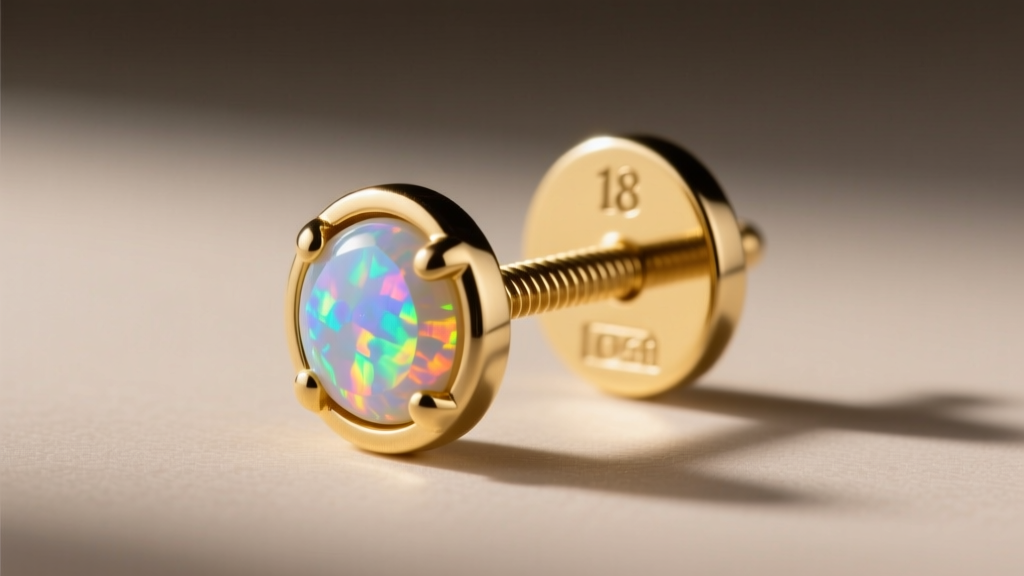
For flat-back cartilage earrings, the way the decorative end attaches to the post dictates both security and tissue health. The Neometal education guidelines and professional piercers universally condemn externally threaded jewelry, where the screw threads are on the post itself, as they tear the fistula (the piercing channel) upon insertion.
The Threadless (Push-Pin) Revolution
Threadless jewelry, often utilizing a slight bend in the pin to create tension against the inside of the hollow post, has become the industry standard for high-end flatscreen and flat-back designs. It offers a seamless insertion process and unparalleled security. If you prefer threaded options, strictly seek out internally threaded pieces, where the post is smooth and the screw is hidden inside the decorative gem or panel.
Weight Distribution and Piercing Placement
When buying literal flatscreen earrings—those featuring flat, geometric, screen-like facades—weight distribution is your primary enemy. A solid brass or steel panel measuring 25mm x 25mm can easily weigh 8 to 12 grams. Wearing this on a standard 20G lobe piercing will result in rapid tissue stretching and discomfort.
Expert Tip: Look for 'hollow-back' or 'skeletonized' flatscreen designs. Modern laser-cutting technology allows jewelers to remove up to 60% of the metal mass from the back of a solid-looking panel, reducing the weight to a lobe-friendly 2 grams without sacrificing the bold, architectural front profile.
For heavier solid panels, consider upgrading your lobe piercing to 14G or 12G, or opt to wear the piece as a clip-on or ear cuff if your anatomy does not support the weight.
2026 Pricing Tiers and Brand Expectations
The market for geometric panels and premium flat-backs is segmented by manufacturing quality and material purity.
Care, Maintenance, and Troubleshooting
Maintaining the crisp aesthetic of flatscreen earrings requires specific care routines, especially for the intricate laser-cut mesh designs which can trap sebum and skincare products.
Cleaning Geometric Panels
Avoid ultrasonic cleaners for any flatscreen earrings featuring glued-in gemstones or anodized titanium, as the high-frequency vibrations and heat can strip the color or loosen the adhesive. Instead, use a soft-bristled baby toothbrush and a mild, fragrance-free liquid soap to gently agitate the crevices of the mesh. Rinse with distilled water to prevent hard water spots from dulling the metal's finish.
Troubleshooting Flat-Back Snagging
If your flat-back disc is catching on your hair or headphones, the issue is likely an improperly seated threadless pin or a post that is 1mm too long. Visit a professional piercer to have the post downsized. Never attempt to bend the post yourself, as this will compromise the structural integrity of the metal and void any manufacturer warranties.
Final Verdict: Choosing Your Perfect Pair
Whether you are investing in a bold, architectural flatscreen panel to frame your face or upgrading your daily cartilage setup with a premium titanium flat-back labret, the rules of engagement remain the same: prioritize implant-grade materials, respect your anatomy's gauge and weight limits, and always opt for threadless or internally threaded mechanisms. By focusing on these technical specifications over fleeting fast-fashion trends, you ensure your ear curation remains healthy, comfortable, and undeniably sophisticated for years to come.


