Citrine Dangle Earrings: 2026 Budget & Value Guide
Discover how to evaluate citrine dangle earrings in 2026. Compare natural vs. treated stones, metal settings, and pricing tiers for smart buying.

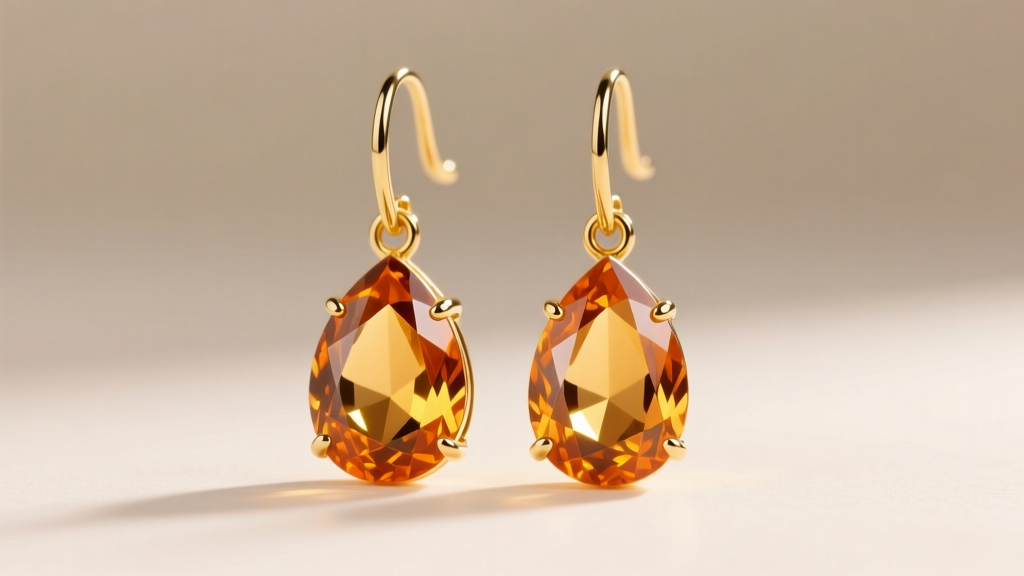
The True Market Value of Citrine Dangle Earrings
As we navigate the jewelry market in 2026, warm-toned gemstones continue to dominate trend forecasts, and citrine remains a quintessential favorite for its golden brilliance and relative affordability. However, when shopping for citrine dangle earrings, the line between genuine value and inflated pricing can easily blur. The dangle silhouette, which requires larger carat weights to achieve the desired visual impact, amplifies the importance of understanding exactly what you are paying for. A 10-carat briolette citrine dangle can cost anywhere from $30 to over $600, depending entirely on the stone's origin, treatment, and the structural integrity of the metal setting.
Before pulling out your credit card, it is crucial to understand that the vast majority of citrine on the commercial market is not naturally occurring. According to the Gemological Institute of America (GIA), most commercial citrine is actually amethyst or smoky quartz that has been heat-treated to achieve its golden-yellow to orange-brown hues. While heat treatment is a stable, universally accepted practice in the gemological community, it drastically alters the baseline value of the stone. Budget-conscious buyers must learn to differentiate between natural, treated, and lab-created options to ensure they are paying a fair market price for their dangle earrings.
Decoding Citrine Grades and Pricing Tiers
To accurately assess the budget and value of citrine dangle earrings, we must break down the market into three distinct categories. Pricing below reflects 2026 market averages for a standard pair of dangles featuring approximately 8 to 12 total carats of citrine, set in mid-tier metals like gold vermeil or 10k solid gold.
| Citrine Category | Origin & Treatment | Visual Characteristics | Estimated Price Range (Pair) | Value Retention |
|---|---|---|---|---|
| Lab-Created / Simulated | Hydrothermal quartz or glass | Flawless, highly saturated, lacks natural inclusions | $25 - $75 | None (Costume value) |
| Standard Heat-Treated | Heated amethyst/smoky quartz | Yellow to golden-orange, minor inclusions, reddish flashes | $80 - $180 | Low to Moderate |
| Natural / Madeira | Earth-mined, untreated | Pale yellow (natural) or deep reddish-orange (Madeira) | $250 - $700+ | High (Collector value) |
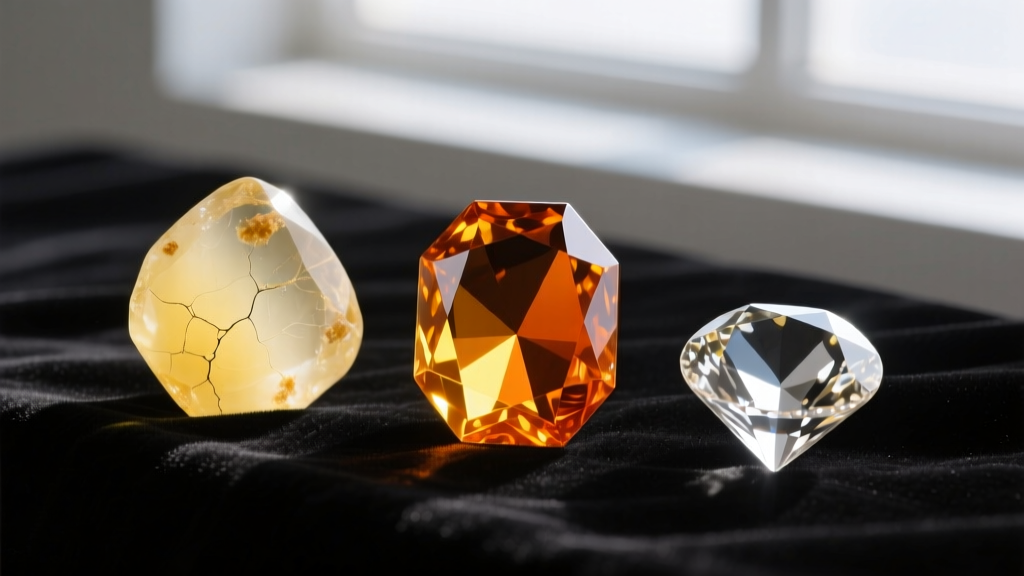
The Madeira Premium: Is It Worth the Hype?
If you are browsing high-end collections, you will inevitably encounter the term "Madeira citrine." Named after the fortified Portuguese wine, Madeira citrine boasts a deep, reddish-orange hue that is highly prized. Genuine, untreated Madeira citrine is exceptionally rare and commands a 40% to 60% premium over standard golden citrine. However, many retailers deceptively label deeply heat-treated amethyst as "Madeira" to justify inflated price tags. If a pair of deep reddish-orange dangle earrings is priced under $150, you are almost certainly looking at heat-treated amethyst, not natural Madeira. True value in this tier requires a reputable gemological certificate verifying the absence of heat treatment.
Metal Settings and Earring Mechanics: The Hidden Costs
When evaluating the budget for dangle earrings, the gemstone is only half the equation. The metal setting and the mechanical findings dictate both the longevity and the baseline cost of the piece. Dangle earrings are subject to kinetic stress; every time you turn your head, the stone swings, placing torque on the jump rings, bezels, and ear wires.
Gauge Sizes and Finding Durability
Budget brands frequently cut costs by using ultra-thin 24-gauge or 22-gauge French wire hooks. When paired with a heavy 15x20mm citrine briolette, a 24-gauge wire will easily bend, warp, or snap under the stone's weight. For optimal value and durability, insist on 20-gauge ear wires or, preferably, leverback findings. Leverbacks provide a secure, closed-loop mechanism that prevents heavy citrine drops from slipping out of the ear lobe during wear. If a retailer is selling heavy citrine dangles on flimsy, un-soldered jump rings, the structural failure mode is imminent, rendering the purchase a poor long-term value regardless of the gemstone's quality.
Gold Vermeil vs. Solid Gold
In 2026, high-quality gold vermeil (a thick layer of 14k or 18k gold over a sterling silver base) remains the sweet spot for budget-conscious buyers. By FTC guidelines, vermeil must have a minimum gold thickness of 2.5 microns. A pair of 2.5-micron vermeil citrine dangles will typically cost between $90 and $140, offering the luxurious look of solid gold without the $400+ premium. However, if you plan to wear your dangle earrings daily, the friction and environmental exposure will eventually wear through the vermeil plating. For everyday heirloom value, investing in solid 14k gold settings is non-negotiable, as the metal will never tarnish or flake, preserving the structural integrity of the prongs holding your citrine.
Red Flags: Spotting Overpriced or Simulated Citrine
The market is saturated with simulated stones masquerading as genuine gems. To protect your budget, you must be able to identify the hallmarks of deceptive citrine dangle earrings. The American Gem Society (AGS) emphasizes the importance of full disclosure regarding gemstone enhancements, but not all online retailers adhere to these ethical standards.

- The "Flawless" Trap: Natural and even heat-treated citrine typically contains minor inclusions, such as color zoning, liquid feathers, or tiny crystal needles. If your citrine dangles are completely flawless, heavily saturated, and cost under $50, they are likely hydrothermal lab-created quartz or molded glass.
- Adhesive Degradation in Bezel Settings: Many budget-friendly dangle earrings use glued-in bezel settings rather than traditional prong or folded-bezel metalwork. Over time, exposure to cosmetics, perfumes, and natural skin oils will degrade the epoxy, causing the citrine drop to fall out and be lost. Always inspect the setting to ensure the metal is physically securing the stone.
- Dye Concentrations: Some lower-grade quartz is fractured and dyed yellow to mimic citrine. Using a 10x jeweler's loupe, inspect the girdle and surface-reaching fractures of the stone. If you see concentrated pockets of yellow dye pooling in the cracks, you are looking at a low-value treated stone that will eventually fade in sunlight.
"Consumers have the right to know if a gemstone has been treated, dyed, or created in a laboratory. Undisclosed treatments fundamentally misrepresent the value and durability of the jewelry piece." — FTC Jewelry Guides, Section 23.22
Final Verdict: Maximizing Your Investment
Assessing the value of citrine dangle earrings requires looking past the initial sparkle and examining the structural and gemological realities of the piece. If your budget is strictly under $75, embrace high-quality lab-created citrine set in durable sterling silver or thick vermeil, recognizing it as fashionable accessory jewelry rather than an investment. If your budget allows for the $150 to $300 range, prioritize heat-treated citrine with excellent color saturation, securely set in 20-gauge solid 10k or 14k gold leverback findings. Finally, for collectors and purists willing to spend upwards of $400, demand certification for natural, untreated Madeira citrine to ensure your golden dangles hold their value for decades to come. By matching your expectations to the correct pricing tier, you can confidently acquire stunning citrine dangle earrings without falling prey to market markups.


