Troubleshooting Gold Drop Earrings Wedding Day Issues
Fix sagging, snags, and skin reactions with our expert guide to troubleshooting gold drop earrings wedding day issues for a flawless bridal look.

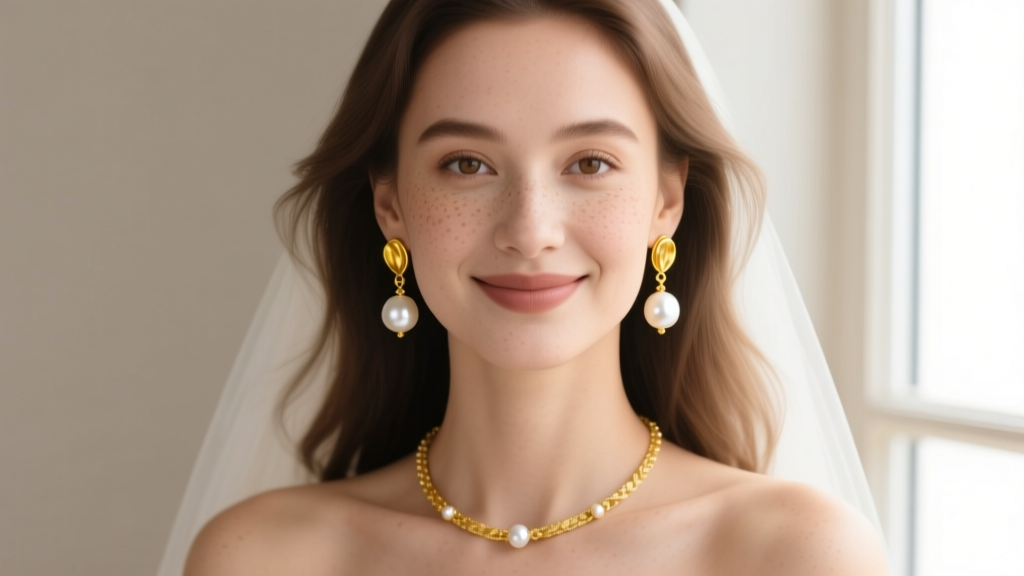
The Physics of Bridal Jewelry: Why Drop Earrings Fail
When curating the perfect bridal aesthetic, the structural integrity of your jewelry is often an afterthought. However, gold drop earrings wedding styles present unique mechanical challenges. Unlike studs that sit flush against the earlobe, drop and dangle earrings operate on a fulcrum point—the piercing hole itself. The longer and heavier the drop, the greater the kinetic leverage applied to the earlobe tissue. Combine this with the high-stress, high-movement environment of a wedding day, and you have a recipe for torn lobes, lost heirlooms, and allergic flare-ups.
As jewelry stylists, we see the same day-of disasters repeatedly. This comprehensive troubleshooting guide addresses the specific failure modes of gold drop earrings, providing actionable, metallurgical, and mechanical solutions to ensure your bridal jewelry survives from the first look to the final dance.
The Weight Dilemma: Preventing Earlobe Sag and Tearing
Solid gold is dense. An 18k yellow gold drop earring measuring just two inches in length with a modest gemstone cluster can easily weigh between 8 and 12 grams per ear. While this sounds light, the concentrated downward force on a 20-gauge (0.81mm) piercing hole creates significant tissue stress. Over an 8-hour wear period, this leads to the dreaded "earlobe sag," where the earring pulls the piercing downward, causing the drop to face the floor rather than framing the face.
Troubleshooting Heavy Drops
- Upgrade the Post Gauge: Most standard drop earrings are fitted with 20-gauge or 22-gauge wires. If your earrings are heavy, consult a bench jeweler to swap the hooks for 18-gauge (1.02mm) or 16-gauge (1.29mm) wires. This thicker metal resists bending and distributes weight across a wider surface area of the piercing channel.
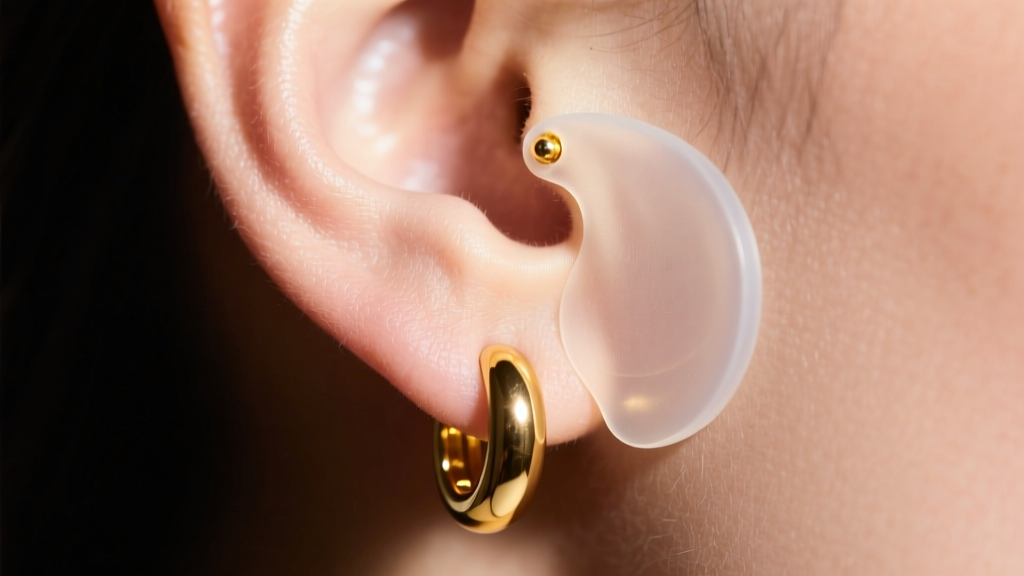
- Deploy Lobe Support Patches: Products like LobeWonder or clear silicone earlobe support patches are essential. These adhesive strips feature a reinforced matrix that absorbs the downward leverage, transferring the weight from the delicate piercing channel to the broader, stronger tissue of the upper earlobe.
- Hollow vs. Solid Construction: If you are in the purchasing phase, opt for electroformed or hollow-constructed gold drops. These offer the exact same visual volume and exterior karat purity but weigh up to 60% less than solid cast alternatives.
Snag Hazards: Veils, Hair, and Lace Entanglement
The most common cause of lost bridal earrings is entanglement. Tulle veils, intricate lace bodices, and elaborate updos are natural magnets for exposed earring wires. When a bride hugs a guest or dances, a snagged fishhook wire can easily rip through the earlobe or snap off entirely.
Clasp Security Comparison for Bridal Drops
Not all earring backs and wires are created equal. Below is a structural analysis of common clasp types used in gold drop earrings, ranked by their suitability for high-movement bridal environments.
| Clasp / Wire Type | Security Level | Snag Risk | Best Application |
|---|---|---|---|
| Fishhook (Standard) | Low | Extreme | Lightweight, casual daytime drops |
| French Wire with Silicone Stopper | Medium | High | Medium-weight drops, seated dinners |
| Leverback | High | Low | Heavy bridal drops, active dancing |
| Locking French Wire | Very High | Very Low | Heirloom pieces, outdoor weddings |
The Fix: If your chosen gold drop earrings feature standard fishhook wires, take them to a jeweler two weeks before the wedding to have locking french wires or leverback clasps soldered on. The small bench fee (typically $25–$50) is a fraction of the cost of replacing a lost diamond or gold heirloom.
Contact Dermatitis & Alloy Reactions Under Stress
Wedding days induce stress sweating, and the combination of perspiration, bridal makeup, and gold alloys can trigger sudden contact dermatitis. According to the American Academy of Dermatology, nickel allergy is the most common cause of allergic contact dermatitis, affecting up to 18% of adults.
Understanding Gold Alloys and Skin Reactions
Pure 24k gold is entirely hypoallergenic but too soft for jewelry. Therefore, it is alloyed with other metals. The Gemological Institute of America (GIA) notes that 14k gold contains only 58.5% pure gold. The remaining 41.5% is often a mix of copper, silver, zinc, and crucially, nickel—especially in 14k white gold.
- The White Gold Trap: Many bridal gold drop earrings are crafted in 14k white gold and plated with rhodium for a bright finish. As the rhodium wears thin from friction and sweat, the underlying nickel alloy is exposed to the skin, causing red, itchy, and weeping earlobes.
- The Solution: For sensitive skin, insist on 18k yellow gold or 18k rose gold. 18k alloys contain 75% pure gold, leaving less room for reactive base metals. If you must have white gold, ensure it is alloyed with palladium rather than nickel, or request a thick, fresh coat of rhodium plating one week prior to the wedding.
Environmental Factors: Hairspray, Sweat, and Tarnish
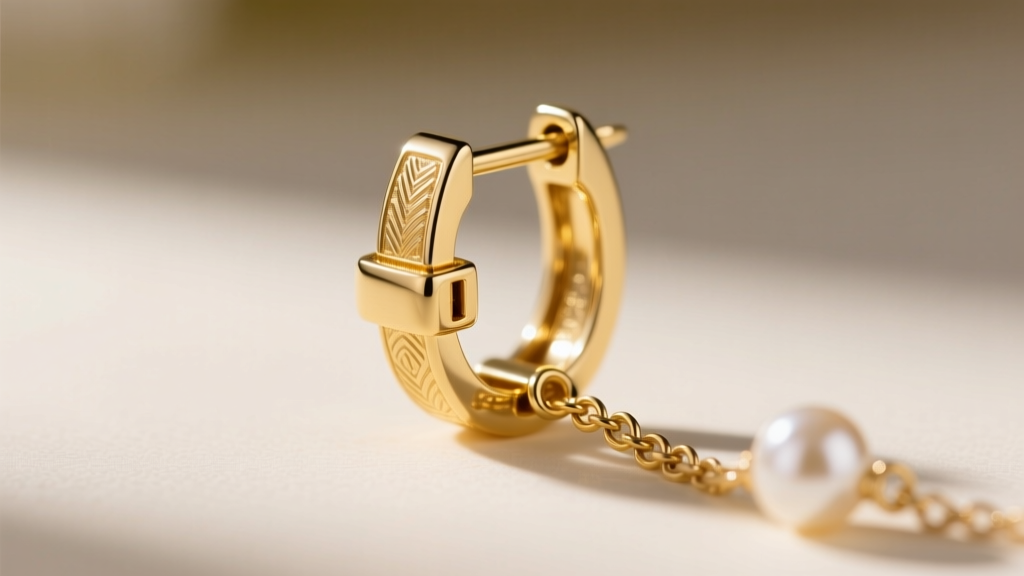
Bridal prep environments are highly corrosive to fine jewelry. Aerosol hairsprays, setting sprays, and perfumes contain alcohols and polymers that coat the surface of gold and gemstones, creating a cloudy, dull film that ruins photography lighting. Furthermore, the copper and silver alloys in 14k gold can oxidize and tarnish when exposed to the sulfur compounds found in certain hairsprays and sweat.
The "Last On, First Off" Protocol
To troubleshoot environmental dulling, strictly enforce the "Last On, First Off" rule. Your gold drop earrings should be the absolute final item you put on after your hair is set, your makeup is sealed, and your perfume has dried. Conversely, they must be the first item removed at the end of the night before makeup removal or showering. If your earrings do become coated in styling products during prep, a gentle wipe with a microfiber polishing cloth and a drop of mild dish soap on a soft toothbrush will restore their refractive brilliance without damaging the gold finish.
The Maid of Honor's Emergency Repair Kit
Even with meticulous planning, mechanical failures happen. The Maid of Honor or bridal stylist must carry a dedicated jewelry emergency kit. Do not rely on generic sewing kits; include these specific troubleshooting tools:
Pro-Tip: Store these items in a small, hard-shell pill organizer to prevent them from getting crushed in a bridal suite tote bag.
- Extra Silicone O-Rings and Friction Backs: Essential for securing French wires if the primary locking mechanism fails or gets lost.
- Lobe Support Tape: Pre-cut strips of matte, skin-safe medical tape or dedicated lobe patches to instantly fix sagging drops mid-reception.
- Cyanoacrylate Jewelry Glue: A precision-tip adhesive for re-seating a loose gemstone that has vibrated out of its prong setting during dancing. (Never use standard Super Glue, as it emits fumes that can cloud gemstones).
- Untreated Jeweler's Polishing Cloth: For quick removal of sweat and oils before the professional photographer begins the portrait session.
- Clear Nail Polish: A temporary, emergency barrier coat that can be painted over the earring post if the bride suddenly develops an allergic reaction to the alloy and no hypoallergenic alternatives are available.
By anticipating these specific structural, metallurgical, and environmental failure modes, you ensure that your gold drop earrings remain a flawless complement to your bridal vision, rather than a day-of distraction.


