Claire's Christmas Earrings: 2026 Material & Safety Guide
An expert metallurgical breakdown of Claire's Christmas earrings in 2026, analyzing base metals, nickel risks, and hypoallergenic holiday alternatives.

The Holiday Sparkle vs. Contact Dermatitis
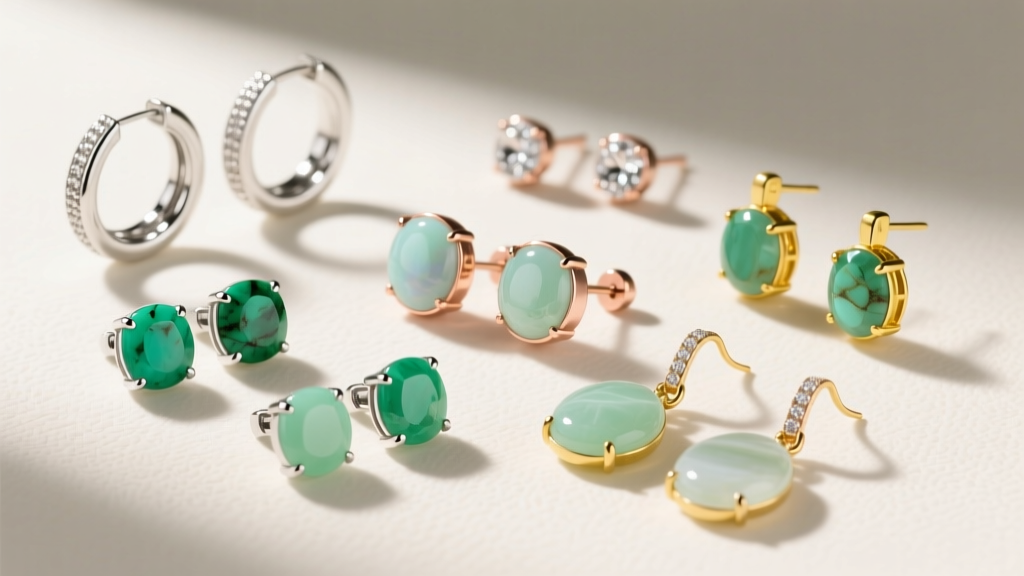
As the 2026 holiday season approaches, the nostalgia of mall-centric jewelry shopping remains a cultural touchstone. For many, hunting for claire's christmas earrings is an annual tradition, offering affordable, trend-driven pieces like enameled reindeer studs, glittering snowflake drops, and oversized jingle bell hoops. Priced between $5 and $15, these accessories are undeniably festive. However, from a metallurgical and dermatological perspective, fast-fashion holiday jewelry presents significant risks for sensitive ears. The hidden cost of these budget-friendly pieces often manifests as allergic contact dermatitis, localized fistula irritation, and galvanic corrosion. In this comprehensive material guide, we dissect the exact alloy compositions, plating thicknesses, and structural failure modes of mall-store holiday earrings, providing you with the scientific framework needed to protect your piercings while maintaining your festive style.
Decoding the Metallurgy of Mall-Store Holiday Jewelry
To understand why holiday earrings from fast-fashion retailers often cause adverse reactions within 24 to 48 hours of wear, we must examine the base metals and finishing processes used in their manufacturing. Unlike fine jewelry, which relies on solid precious metals, mass-market seasonal accessories prioritize low production costs and high visual impact.
The Base Metal Reality: Zamak and Brass Alloys
The vast majority of novelty holiday earrings are cast from Zamak, a zinc-based alloy family. Zamak typically consists of 95% zinc, 4% aluminum, and trace amounts of magnesium and copper. While Zamak is excellent for intricate, low-cost casting (allowing for detailed snowflake and star shapes), it is highly reactive. To make it look like silver or gold, manufacturers apply a microscopic layer of electroplating. However, this "flash plating" is incredibly thin—usually between 0.1 and 0.5 microns. By comparison, high-quality vermeil requires a minimum of 2.5 microns. Once this ultra-thin barrier is compromised by skin friction, sweat, or the natural acidity of your earlobe, the underlying zinc and copper are exposed. Copper oxidation is the primary culprit behind the dreaded "green skin" effect, while zinc exposure can cause localized contact irritant dermatitis.
The "Surgical Steel" Misconception
Many holiday earring packaging labels boast "surgical steel" or "stainless steel" posts. In the jewelry industry, this almost always refers to 316L or 304 stainless steel. While these alloys are highly durable and resistant to rust, they are not nickel-free. 316L stainless steel contains between 8% and 10.5% nickel to maintain its crystalline structure and corrosion resistance. For the estimated 15% to 20% of the global population with a nickel allergy, prolonged contact with 316L steel posts—especially in the warm, moist environment of a healing or irritated earlobe—will inevitably trigger an immune response characterized by erythema, pruritus, and weeping.
Material Comparison Chart: Fast Fashion vs. Fine Alternatives
When evaluating your holiday jewelry options, understanding the material grade is critical. The table below contrasts the typical specifications of mall-store seasonal earrings against professional-grade, hypoallergenic alternatives.
| Material Type | Nickel Content | Plating Thickness | Typical Price Range | Allergy Risk Level |
|---|---|---|---|---|
| Zamak (Zinc Alloy) | Trace (in plating) | 0.1 - 0.5 microns | $3 - $12 | High (Irritant/Copper) |
| 316L Surgical Steel | 8% - 10.5% | N/A (Solid Alloy) | $5 - $20 | Moderate to High |
| Brass (Copper/Zinc) | Trace | 0.2 - 1.0 microns | $5 - $15 | Moderate (Oxidation) |
| ASTM F136 Titanium | 0% (Nickel-Free) | N/A (Solid Alloy) | $30 - $85 | None (Biocompatible) |
| Niobium | 0% (Nickel-Free) | N/A (Solid Element) | $25 - $60 | None (Hypoallergenic) |
Nickel Release Rates and the EU Nickel Directive
The scientific benchmark for jewelry safety is the EU Nickel Directive (REACH), which mandates that post-assemblies inserted into pierced ears must not release nickel at a rate greater than 0.2 µg/cm²/week. While fast-fashion brands manufacturing for the US market are not strictly bound by this specific European regulation, the biological mechanism of nickel sensitization remains universal. When you wear heavy, novelty holiday dangles, the kinetic energy and weight of the earring cause micro-friction against the fistula (the piercing hole). This friction acts as a mild abrasive, accelerating the wear of any protective rhodium or silver plating and exponentially increasing the nickel ion release rate directly into the dermal tissue. According to the American Academy of Dermatology, once a nickel allergy is developed, it is typically a lifelong condition, making prevention during the holidays paramount.
How to Test Your Holiday Earrings at Home
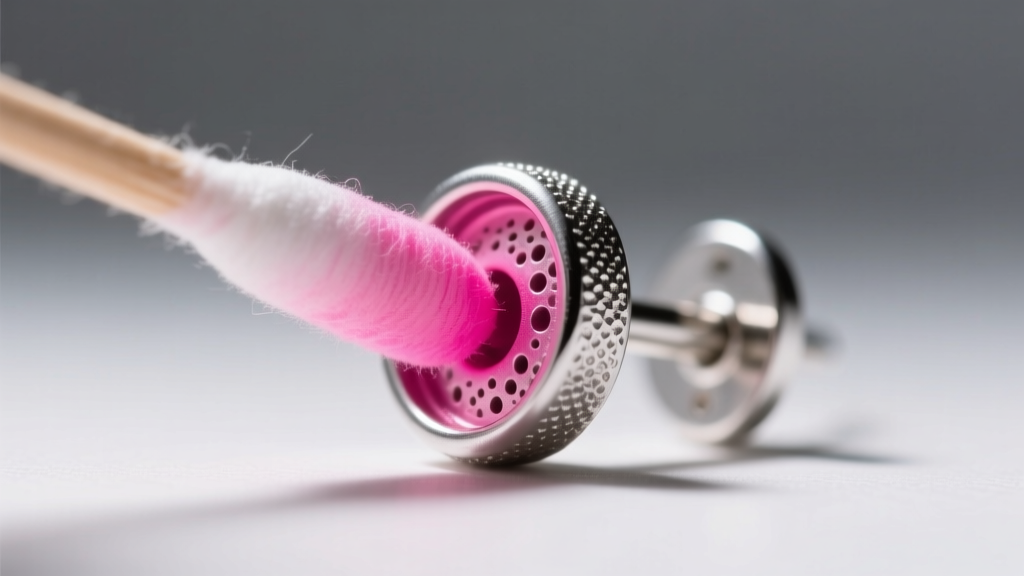
Before wearing any unverified seasonal earrings, you can perform a Dimethylglyoxime (DMG) test. Available online for under $15, this liquid reagent kit allows you to swab the earring post. If the cotton swab turns a vibrant pink or red, the item is actively leaching free nickel and should not be worn in a piercing. This is particularly useful for vintage or inherited holiday jewelry where the material provenance is unknown.
Debunking the Clear Nail Polish Hack
A pervasive myth in fast-fashion jewelry communities suggests that coating earring posts with clear nail polish creates a safe, hypoallergenic barrier. From a materials science perspective, this is a flawed and potentially dangerous strategy. Standard nail polish is highly porous at a microscopic level and degrades rapidly when exposed to the natural sebum, sweat, and friction of the human body. Furthermore, as the polish chips, it creates microscopic crevices that trap nickel salts and bacteria directly against the skin, often resulting in a more severe, localized infection than if the earring had been left uncoated. If you must wear a questionable earring post for a brief holiday event, utilize medical-grade silicone earring post covers or swap the post entirely using a jeweler's pliers and a replacement 20G (0.81mm) titanium wire.
2026 Safe Alternatives for Festive Ear Styling
You do not have to sacrifice holiday aesthetics for dermatological safety. In 2026, several specialized jewelry brands offer festive designs using biocompatible materials. When shopping for safe holiday earrings, look for the following specifications:
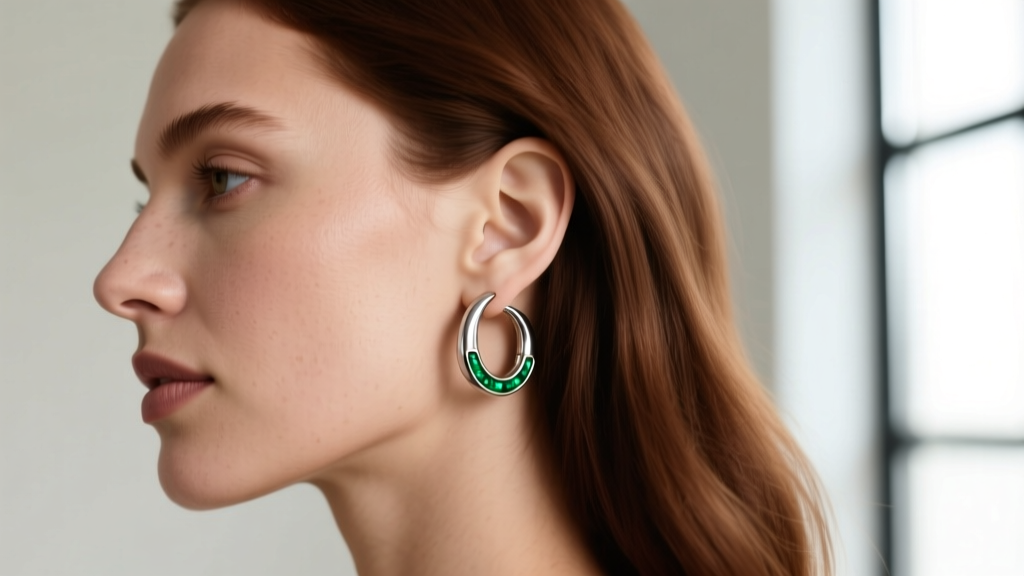
- ASTM F136 Grade 5 Titanium: The gold standard for body jewelry. It is entirely nickel-free, lightweight, and impervious to corrosion. Many independent artisans now offer titanium studs featuring festive red and green anodized titanium beads or bezel-set Swarovski crystals.
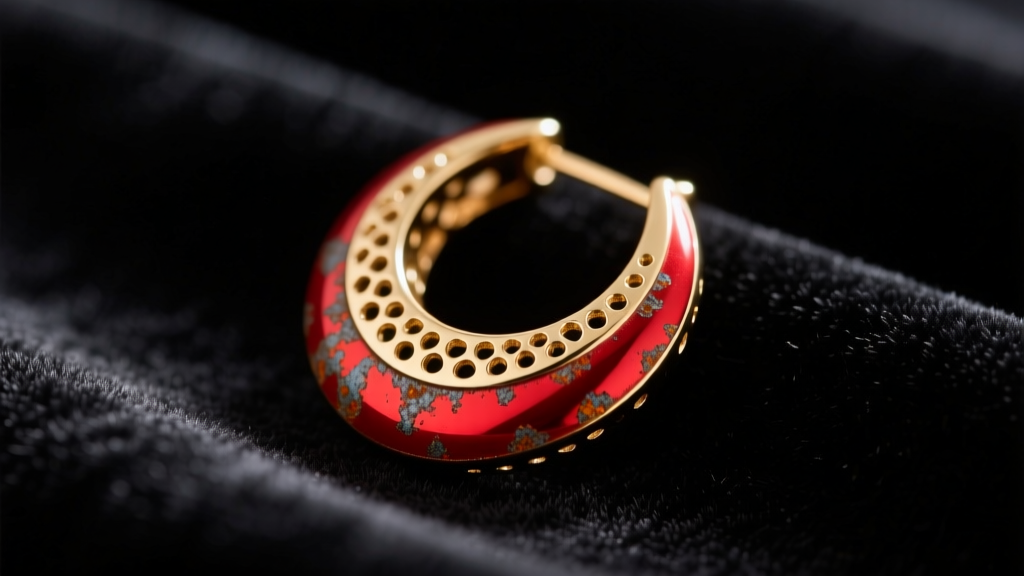
- Niobium with Enamel: Niobium is a highly reactive elemental metal that can be safely anodized into vibrant, permanent colors without the use of toxic dyes or heavy metal paints. Look for niobium huggies featuring kiln-fired glass enamel in holiday motifs.
- Solid 14k or 18k Gold (Nickel-Free Alloyed): Ensure the gold is alloyed with silver, copper, or palladium rather than nickel. Avoid "gold-plated" or "gold-filled" holiday pieces, as the underlying brass core will eventually expose itself through wear.
- Structural Gauge Awareness: Heavy holiday dangles (like oversized ornaments or bells) should never be hung on 22G (0.64mm) or 20G (0.81mm) wires. The thin wire acts like a cheese-cutter, causing micro-tears in the earlobe. Opt for dangles that hang from a sturdy 18G (1.0mm) or 16G (1.2mm) titanium hoop base to distribute the weight evenly.
Final Verdict on Festive Fast-Fashion Earrings
While the charm and affordability of mall-store seasonal accessories are undeniable, the metallurgical reality of claire's christmas earrings makes them unsuitable for anyone with sensitive skin, metal allergies, or healing piercings. The combination of ultra-thin flash plating, reactive Zamak cores, and nickel-bearing stainless steel posts creates a high-risk environment for contact dermatitis. By understanding the science of metal ion release and pivoting toward biocompatible alternatives like ASTM F136 titanium and solid niobium, you can celebrate the 2026 holiday season with ear styling that is as safe as it is spectacular. Protect your piercings, invest in verified materials, and let your holiday sparkle come without the itch.