Claire's Clip On Earrings: Material Safety & Alloy Guide
An expert analysis of Claire's clip on earrings, breaking down base metal alloys, nickel risks, and safe wear strategies for non-pierced ears.

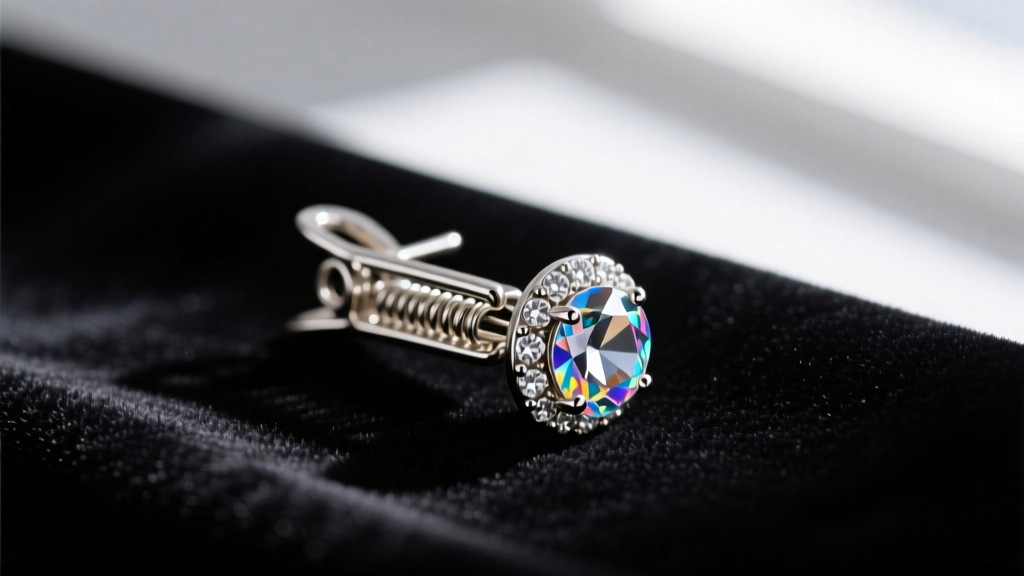
The Material Reality of Fast-Fashion Clip-Ons
For decades, Claire's has been the go-to destination for affordable, trend-driven accessories. While their pierced jewelry lines have seen improvements in surgical steel and titanium offerings, the market for non-pierced ears remains heavily reliant on traditional manufacturing methods. When evaluating Claire's clip on earrings from a metallurgical and dermatological perspective, it is crucial to understand the exact materials in contact with your skin. In 2026, while global regulations on heavy metals in consumer goods have tightened, fast-fashion clip-ons still predominantly utilize base metal alloys and flash-plating techniques that require careful wear management.
Unlike fine jewelry, which relies on solid precious metals, mall-tier clip-ons prioritize low production costs and high design versatility. This results in a specific set of material properties, structural failure modes, and allergic risks that every non-pierced jewelry wearer must navigate.
Breakdown of Common Metals and Alloys Used
The vast majority of metal-based Claire's clip on earrings are not made of solid silver or gold. Instead, they are cast from base alloys and subsequently plated. Understanding this core composition is the first step in assessing their safety and longevity.
Zamak and Pot Metal Alloys
The structural foundation of most Claire's metal clip-ons is Zamak, a family of alloys with a base of zinc, combined with aluminum, magnesium, and copper. Zamak is favored in mass manufacturing because it has a low melting point (around 385°C), allowing for intricate, detailed casting in molds without expensive equipment. However, raw Zamak is highly susceptible to oxidation and corrosion. To prevent this, the alloy is electroplated.
Flash Plating vs. Micron Plating
The silver or gold finish on Claire's clip on earrings is typically achieved through 'flash plating.' This process deposits an ultra-thin layer of precious metal—often less than 0.2 microns thick—over a nickel or copper undercoat. By comparison, high-quality vermeil requires a minimum of 2.5 microns of gold. Because flash plating is microscopic, the friction from the clip-on mechanism and the natural acidity of human sweat will wear through the top layer in a matter of weeks, exposing the reactive undercoat.
The Mechanics of Clip-On Tension and Skin Interaction
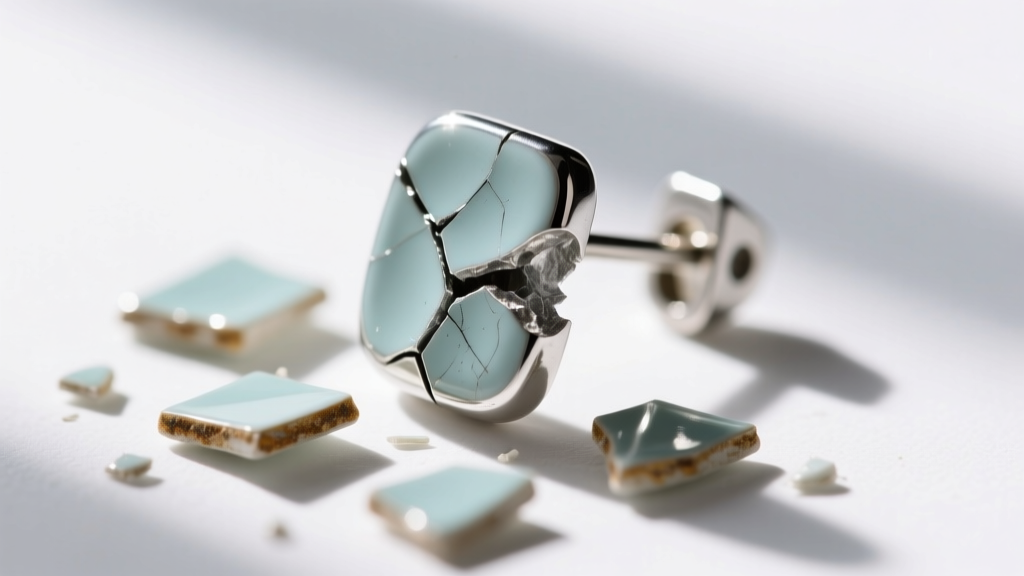
Material safety is not just about chemical composition; it is also about mechanical interaction. The standard tension-clip mechanism used on most of Claire's clip on earrings relies on a spring-loaded hinge that exerts roughly 15 to 30 grams of continuous lateral force on the earlobe.
- Localized Ischemia: Continuous pressure restricts capillary blood flow in the earlobe, making the skin more vulnerable to irritation and slower to heal from micro-abrasions.
- Moisture Trapping: The tight seal between the metal pad and the skin traps sweat and sebum. Human sweat has a pH ranging from 4.5 to 7.0, creating a mildly acidic environment that accelerates the corrosion of flash plating.
- Friction Wear: Every time the earring is clipped on or removed, the metal pad scrapes against the same microscopic area of the alloy, acting as an abrasive that strips the protective topcoat.
The Nickel Factor: Understanding Contact Dermatitis
The most significant material hazard associated with fast-fashion clip-ons is nickel exposure. Nickel is frequently used as an under-plate beneath gold or silver flash plating because it provides a smooth, bright surface that enhances the final finish. However, it is also the leading cause of allergic contact dermatitis.
According to the American Academy of Dermatology, nickel allergy is a Type IV delayed hypersensitivity reaction. When the flash plating on Claire's clip on earrings wears thin, sweat dissolves microscopic amounts of nickel sulfate, which then penetrates the epidermis. The combination of chemical leaching and the mechanical pressure of the clip creates a perfect storm for contact dermatitis, characterized by erythema (redness), pruritus (itching), and in severe cases, blistering.
While the European Union's REACH regulation strictly limits nickel migration to 0.5 µg/cm²/week for prolonged skin contact, US regulations remain less stringent regarding non-pierced accessories. Consequently, buyers must assume that any unmarked metal clip-on from a fast-fashion retailer contains a nickel undercoat.
Material Comparison: Claire's vs. Specialty Alternatives
To contextualize the material properties of Claire's clip on earrings, we must compare them against specialized non-pierced alternatives available in the 2026 market.
| Material / Brand Type | Core Composition | Nickel Risk | Durability & Weight |
|---|---|---|---|
| Claire's Standard Metal | Zamak alloy, flash-plated | High (once plated wears) | Heavy, prone to hinge fatigue |
| Claire's Acrylic / Resin | Injection-molded PMMA | Zero (Nickel-free) | Lightweight, brittle drop-risk |
| Specialty Hypoallergenic | Niobium or Grade 23 Titanium | Zero (Inert metals) | Extremely durable, lightweight |
| Vintage Clip-Ons (Pre-1990) | Brass, heavy micron-plated | Moderate to High | Very heavy, thick durable plating |
Acrylics and Resins: The Non-Metal Alternative
For those who love the aesthetic of Claire's but suffer from metal sensitivities, the retailer's acrylic and resin clip-on options offer a material workaround. Polymethyl methacrylate (PMMA) and epoxy resins are inherently hypoallergenic and contain no heavy metals. However, these materials present their own structural challenges.
The primary failure mode of acrylic clip-ons is the adhesive bond between the resin decorative element and the metal tension clip. Because acrylics cannot be soldered, they are glued using cyanoacrylate-based industrial adhesives. Exposure to heat, humidity, and the oils from your skin can degrade this adhesive over time, leading to the decorative face snapping off the clip mechanism.
How to Safely Wear and Modify Fast-Fashion Clip-Ons
If you choose to wear Claire's clip on earrings, implementing a proactive material barrier strategy can significantly reduce the risk of allergic reactions and extend the life of the plating. As detailed in clinical dermatology literature, preventing the initial sensitization to nickel is far easier than managing a developed allergy.
1. Polyurethane Barrier Coatings
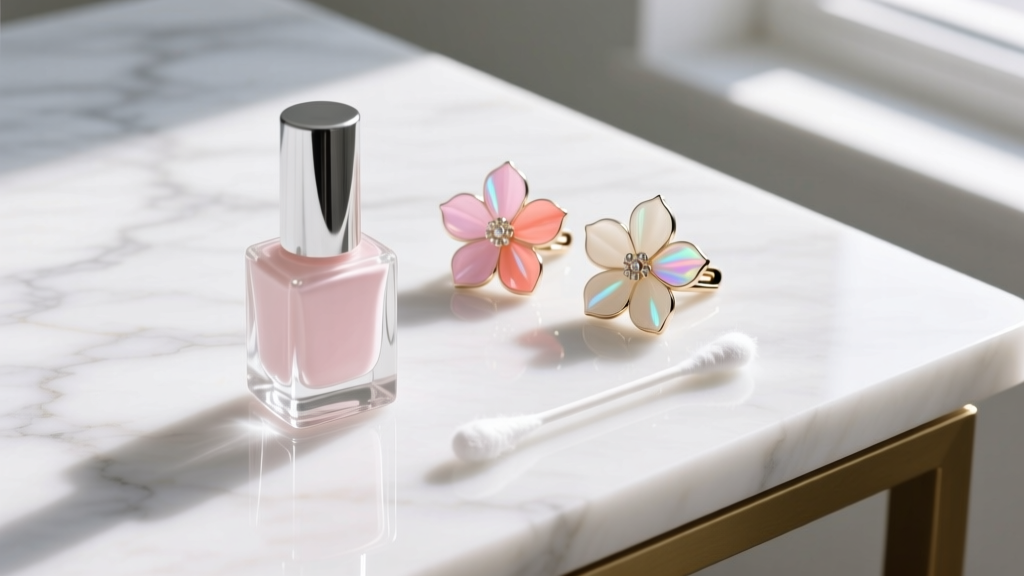
Products like Jewelry Shield or standard clear polyurethane nail polish can be applied to the back of the clip and the earring post. This creates a physical, non-porous membrane between the base metal and your skin. Reapply this coating every 4 to 6 wears, as the friction of the clip will eventually wear it away.
2. Silicone Clip Pads
Adhesive silicone or foam clip-on pads serve a dual purpose. Materially, they block metal-to-skin contact. Mechanically, they increase the surface area of the grip, allowing you to slightly bend the metal tension clip outward to reduce pressure on the earlobe while maintaining a secure hold.
3. Strict Wear-Time Limits
Because sweat accelerates the breakdown of flash plating, limit the continuous wear of base-metal clip-ons to 4-6 hours. Remove them immediately after exercising or in high-humidity environments to prevent the acidic breakdown of the metal undercoat.
Final Verdict: Navigating the Alloy Landscape
Claire's clip on earrings remain an accessible, highly stylized option for non-pierced ears, particularly for occasional wear, costume events, or trend-testing before committing to a piercing. However, from a strict material science perspective, their reliance on Zamak alloys and microscopic flash plating makes them unsuitable for daily, prolonged wear—especially for individuals with known metal sensitivities. By understanding the metallurgy of your accessories and employing simple barrier methods, you can safely enjoy fast-fashion designs without compromising your dermatological health.


