How to Clean, Style, and Authenticate Milor Italy Earrings
Learn how to properly clean, authenticate, and style Milor Italy earrings. Step-by-step care for 925 silver and gold-plated Italian craftsmanship.

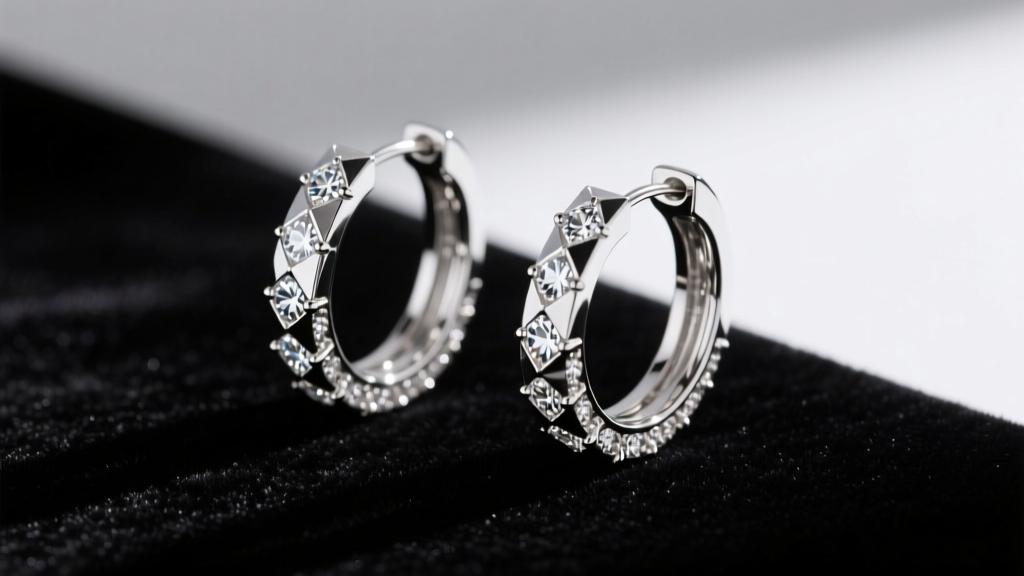
Milor Italy has long been synonymous with accessible luxury, offering intricate Italian craftsmanship that rivals high-end designer boutiques. Known for their signature diamond-cut finishes, meticulous milgrain detailing, and versatile sterling silver bases, Milor earrings are a staple in many jewelry collections. However, owning these pieces is only half the equation; knowing how to properly maintain, authenticate, and style them is essential for preserving their brilliance. This comprehensive, step-by-step guide will walk you through the exact protocols for caring for your Milor Italy earrings, ensuring they remain a radiant part of your wardrobe for decades.
Understanding Milor Italy's Signature Craftsmanship
Before diving into cleaning and maintenance, it is crucial to understand the metallurgical and structural techniques that define Milor Italy earrings. The brand primarily utilizes 925 sterling silver as its foundation, an alloy consisting of 92.5% pure silver and 7.5% copper or other trace metals for added durability. This base is then frequently treated with either a rhodium flash or a heavy gold vermeil plating.
Material Grades and Plating Thickness
When dealing with Milor's gold-toned pieces, you are typically looking at gold vermeil rather than standard gold plating. According to the Federal Trade Commission Jewelry Guides, vermeil must consist of a sterling silver base coated with gold of at least 10 karat fineness, with a minimum thickness of 2.5 microns. Milor often exceeds these baseline standards, utilizing 14k or 18k gold layers that provide a rich, warm hue. Furthermore, their rhodium-plated silver pieces benefit from a hard, tarnish-resistant shield that mimics the look of white gold or platinum. Understanding these layers is critical, as using the wrong cleaning agents can strip these precious micron-thin coatings, exposing the raw silver beneath to rapid oxidation.
Step-by-Step Guide: How to Authenticate Milor Italy Earrings
As we navigate the 2026 vintage and secondary jewelry market, the proliferation of counterfeit Italian-marked jewelry has become a significant concern. Authenticating Milor Italy earrings requires a keen eye for structural hallmarks and finishing techniques.
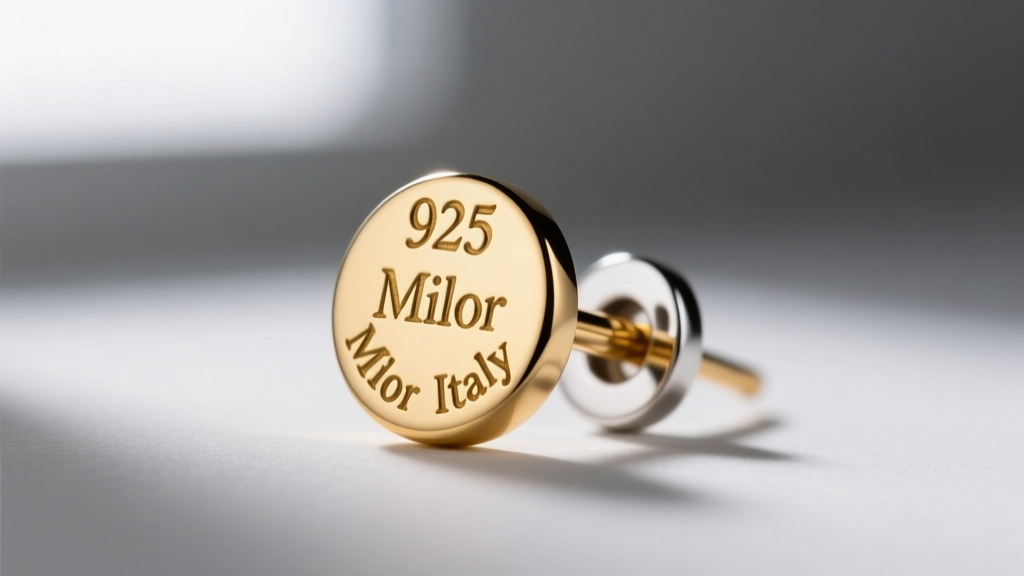
- Step 1: Inspect the Hallmarks. Genuine Milor earrings will feature a clear, laser-etched or deeply stamped '925' mark indicating sterling silver, alongside the 'Milor' brand name and 'Italy' origin stamp. On smaller pieces like huggies or studs, this is often located on the inside of the post or the flat back of the earring clutch.
- Step 2: Analyze the Diamond-Cut Facets. Milor's diamond-cut technique involves using a diamond-tipped tool to carve precise, geometric facets directly into the metal. Counterfeits often attempt to mimic this using chemical etching or cheap stamping, which results in rounded, dull edges. Authentic Milor facets will have razor-sharp transitions that catch light aggressively from multiple angles.
- Step 3: Evaluate the Hinge and Clasp Mechanics. For hoop and huggie styles, Milor utilizes high-tension click-shut hinges or sturdy omega backs. The closure should engage with a distinct, crisp 'click' and leave no visible gap between the post and the catch. Flimsy wires or loose, rattling hinges are immediate red flags.
The Ultimate Cleaning Routine for Milor Earrings
The intricate textures of Milor earrings—specifically the milgrain (tiny beaded edges) and diamond-cut grooves—are notorious for trapping sebum, cosmetics, and environmental dust. A standard wipe-down is insufficient. Follow this step-by-step cleaning protocol to restore their factory-level brilliance without damaging the plating.
What to Avoid (The Rhodium and Vermeil Warning)
Never use ultrasonic cleaners on diamond-cut or milgrain Milor earrings. The high-frequency micro-vibrations can dull the sharp edges of the hand-carved facets over time and potentially loosen any tension-set cubic zirconia accents. Additionally, avoid commercial silver dip solutions, which contain harsh thiourea compounds that will instantly strip gold vermeil and degrade rhodium plating.
| Cleaning Agent / Tool | Suitable for Milor Finishes? | Why / Actionable Advice |
|---|---|---|
| Ultrasonic Cleaners | No | Vibrations dull diamond-cut facets and loosen settings. |
| Commercial Silver Dips | No | Harsh chemicals strip gold vermeil and rhodium layers. |
| Jeweler's Rouge Cloths | No | Mild abrasives will sand off 2.5-micron gold plating. |
| Baby Toothbrush + Dish Soap | Yes | Soft bristles safely dislodge dirt from milgrain grooves. |
| Microfiber Lint-Free Cloth | Yes | Polishes rhodium safely without micro-scratching. |
The Step-by-Step Wash
- Prepare the Solution: Mix a few drops of phosphate-free, mild dish soap into a bowl of lukewarm (never hot) distilled water.
- Soak Briefly: Submerge the earrings for exactly 3 to 5 minutes. This loosens hardened oils trapped in the milgrain beading.
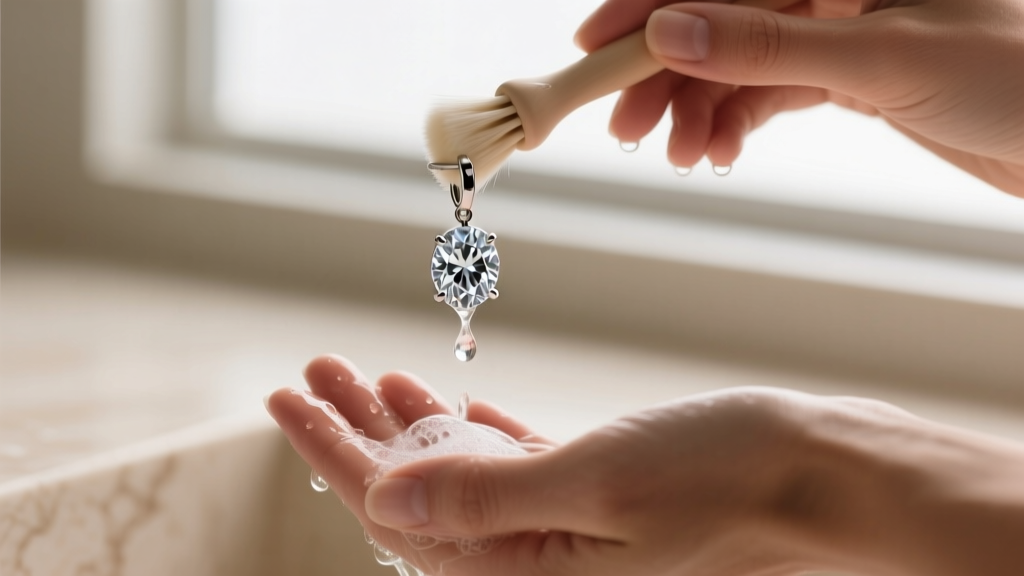
- Gentle Agitation: Using a brand-new, ultra-soft baby toothbrush, gently sweep the bristles along the grooves and diamond-cut lines. Do not scrub aggressively; let the bristles do the lifting.
- Rinse and Dry: Rinse under a gentle stream of lukewarm distilled water. Pat dry immediately with a microfiber cloth, then allow them to air-dry completely on a paper towel before storing to prevent water spots on the rhodium.
How to Style Milor Italy Earrings for Different Face Shapes
Milor Italy offers a vast array of silhouettes, from intricate filigree drops to bold, textured hoops. Styling these pieces effectively requires balancing the visual weight of the earring with your natural facial geometry.
Diamond-Cut Hoops vs. Milgrain Drops
For round face shapes, the goal is to create the illusion of length and angles. Opt for Milor's elongated, diamond-cut teardrop or rectangular drop earrings. The sharp, light-catching facets draw the eye vertically, slimming the profile. Avoid small, round huggies, which can exaggerate facial roundness.
For square face shapes, characterized by a strong jawline, you want to soften the angles. Milor's milgrain-edged oval hoops or curved filigree dangles are ideal. The intricate, rounded beading of the milgrain adds a soft, romantic texture that balances a sharp jawline without adding harsh geometric lines.
For heart-shaped faces, where the forehead is wider and the chin is narrow, choose Milor earrings that are wider at the bottom. Chandelier styles or bottom-heavy textured drops will beautifully balance your proportions, drawing attention to the elegant taper of your chin.
Troubleshooting Common Wear Issues
Even with meticulous care, vintage or frequently worn Milor earrings may experience minor mechanical or cosmetic issues. Here is how to address them like a professional jeweler.
Expert Tip: If your Milor omega-back earrings feel too loose and slide down the earlobe, do not attempt to bend the metal clip with pliers, as this can snap the tension wire. Instead, use clear silicone earring stoppers on the post to provide friction and hold the omega back securely in place.
Tarnish Beneath Rhodium: If you notice a yellowish or dark tint showing through the rhodium plating on the high-contact areas of your earrings, the rhodium has worn thin. According to the Gemological Institute of America (GIA), rhodium plating is a surface treatment that naturally wears away over time with friction. The solution is not to polish it (which will make it worse), but to take the earrings to a local jeweler for a professional rhodium re-dip, a relatively inexpensive process that restores the piece to its original, blinding white luster.
Stiff Hinges on Huggies: If the click-shut hinge on a pair of Milor huggies becomes stiff or fails to close completely, it is likely clogged with microscopic debris or lacks lubrication. Apply a microscopic drop of synthetic sewing machine oil to the hinge pin using a toothpick. Open and close the hinge several times to work the oil in, then wipe away any excess with a microfiber cloth. Never use WD-40, as its harsh solvents can degrade the metal alloy over time.
By understanding the specific material grades, employing the correct cleaning tools, and styling them to complement your unique features, your Milor Italy earrings will continue to deliver exceptional Italian luxury and brilliance for years to come.


