How to Clean, Authenticate, and Style Aurora Borealis Earrings
Learn how to authenticate, safely clean, and style aurora borealis earrings. Expert tips on vintage AB crystals, metal settings, and face shapes.

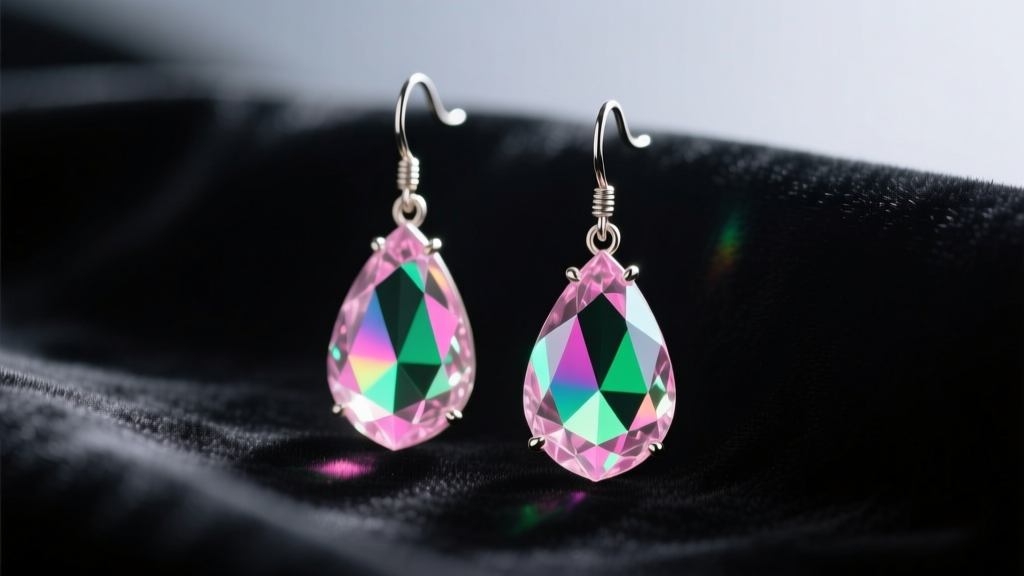
Aurora borealis (AB) earrings are among the most captivating pieces in any jewelry collection. Characterized by their mesmerizing, iridescent rainbow sheen, AB crystals mimic the shifting colors of the northern lights. Whether you have inherited a pair of vintage 1950s rhinestone clips or invested in modern precision-cut AB drops, understanding how to care for, authenticate, and style these unique gemstones is essential for preserving their brilliance.
In this comprehensive guide, we break down the exact science behind the AB finish, provide a step-by-step protocol for safe cleaning, and offer expert styling frameworks to ensure your earrings complement your unique features.
The Science and History of the Aurora Borealis Finish
The aurora borealis effect in jewelry was not born from a natural gemstone, but from a revolutionary mid-century collaboration. In 1955, Manfred Swarovski partnered with Christian Dior to develop a new type of crystal finish that would mimic the shimmering, multi-colored lights of the Arctic sky. According to Lang Antiques, this was achieved through an early form of Physical Vapor Deposition (PVD).
The process involves placing cut glass or lead crystal into a vacuum chamber. A micro-thin layer of vaporized metal—typically titanium, gold, or a specialized metallic alloy—is then introduced. The metal condenses onto the surface of the crystal's facets, creating a semi-transparent coating that refracts light into vivid hues of pink, green, blue, and gold. Because this coating is measured in nanometers, it is incredibly delicate, which dictates how these earrings must be handled and cleaned.
Step 1: Authenticating Vintage vs. Modern AB Earrings
If you are shopping for vintage aurora borealis earrings or trying to date a piece from your family collection, it is crucial to understand the evolution of the manufacturing process. Early AB stones differ significantly from modern precision-cut alternatives.
| Feature | Vintage AB (1950s–1980s) | Modern AB (1990s–Present) |
|---|---|---|
| Coating Method | Early vapor deposition or foil-backing with iridescent films. | Advanced, highly controlled PVD titanium/metallic vapor coating. |
| Visual Signature | Deeper, "oilier" rainbow shift; colors may pool in the crevices of the facets. | Uniform, pristine "soap bubble" sheen; highly consistent color refraction. |
| Common Settings | Prong-set in rhodium-plated brass or sterling silver; heavy soldering. | Bezel, prong, or high-strength jewelry epoxy; lighter base metals or gold-filled. |
| Wear Patterns | Coating may rub off on high facets, revealing clear or grey glass underneath. | Highly durable, but can still scratch or chip if dropped on hard surfaces. |
| Maker's Marks | Coro, Trifari, early block "SC" (Swarovski), Dior stamps. | Swarovski Swan logo (post-1988), Precision Cut brands, independent artisans. |
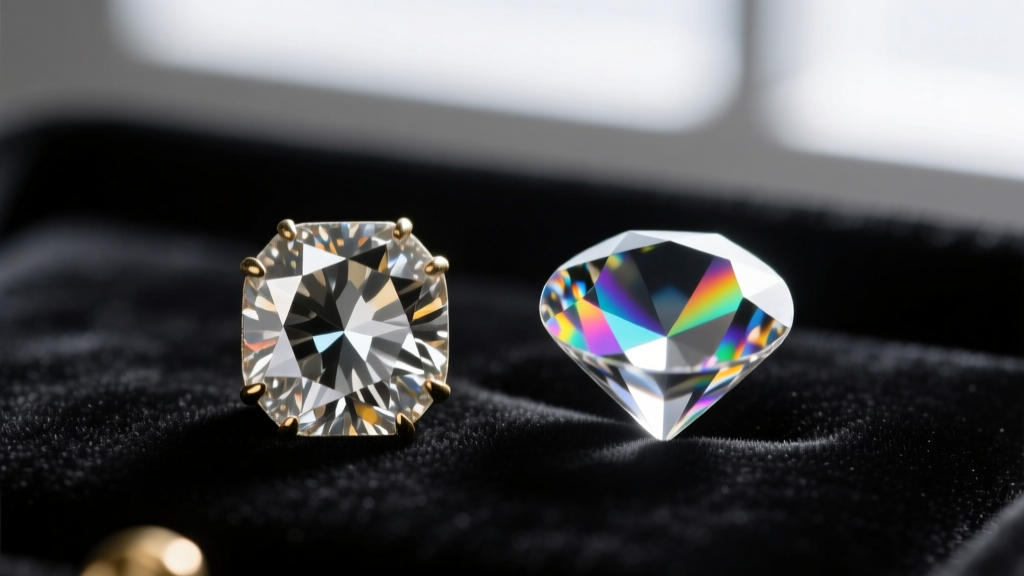
Pro Tip: Use a 10x jeweler's loupe to inspect the girdle (the widest edge) of the crystal. If you see a distinct line where a foil backing is glued to the flat bottom of the stone, you are likely looking at a pre-1960s piece. True vapor-coated AB stones will have the iridescent finish wrapping seamlessly around the edges of the facets.
Step 2: Selecting the Right Metal Setting and Gauge
While the AB crystal itself is the star of the show, the metal setting that holds it against your skin dictates the longevity and comfort of the earring. Because AB crystals are often heavy (especially vintage lead glass), the structural integrity of the post and clutch is paramount.
Understanding Earring Gauges
The "gauge" refers to the thickness of the earring post that passes through your piercing. Selecting the correct gauge prevents stretching or irritation.
- 20-Gauge (0.81mm): The industry standard for most commercial stud and drop earrings. Ideal for standard lobe piercings.
- 18-Gauge (1.02mm): Slightly thicker, often used for heavier vintage AB dangles or high-end designer pieces to provide extra structural support and prevent the post from bending under the weight of the crystal.
- 16-Gauge (1.29mm): Rarely used for standard lobes, but common if you are wearing AB huggies or hoops in cartilage or helix piercings.
Hypoallergenic Metals for Sensitive Ears
Vintage AB earrings are notorious for causing contact dermatitis because they were frequently crafted from nickel-heavy base metals plated with thin layers of gold or rhodium. If you have sensitive skin, look for modern AB earrings set in implant-grade titanium (ASTM F136), niobium, or solid 14k/18k gold. Avoid "gold-plated" or "nickel-free" white gold, as the underlying alloys can still trigger reactions once the plating wears down.
Step 3: The Step-by-Step Cleaning Protocol
The most common mistake jewelry owners make with aurora borealis earrings is treating them like diamonds or sapphires. According to the Gemological Institute of America (GIA), organic and coated materials require specialized, gentle care. Never place AB earrings in an ultrasonic cleaner. The high-frequency cavitation bubbles will violently strip the micro-thin metallic vapor coating right off the glass, leaving you with dull, cloudy stones.
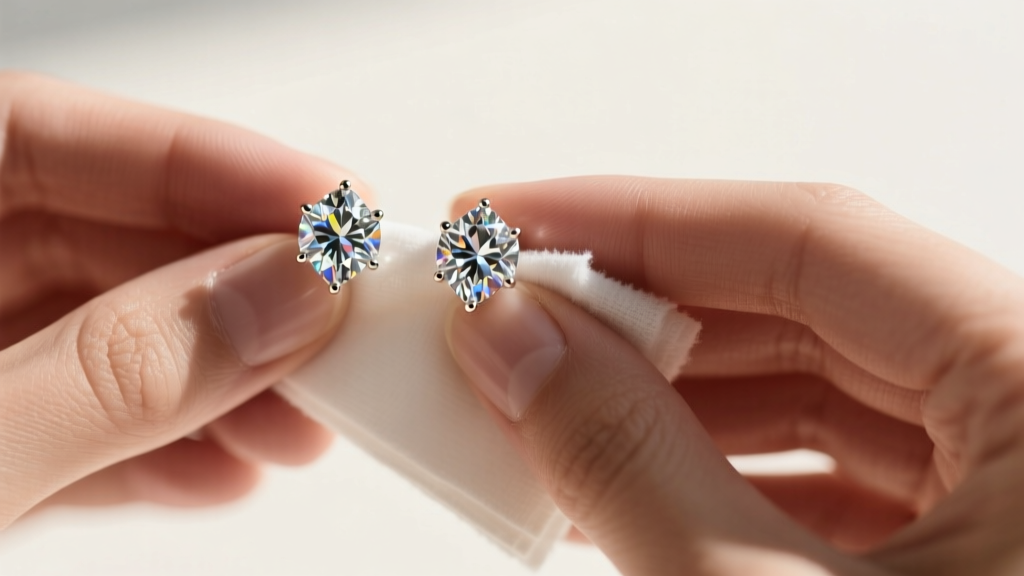
The Safe Cleaning Method
- Prepare the Solution: Mix a few drops of pH-neutral, lotion-free dish soap (such as Dawn Free & Clear) into a bowl of distilled water. Distilled water is critical; tap water contains minerals that can leave hard water spots on the AB coating.
- Soak Briefly: Submerge the earrings for no more than 3 to 5 minutes. This loosens body oils, hairspray, and dead skin cells trapped in the prong settings.
- Agitate Gently: Use an extra-soft baby toothbrush or a dedicated, clean makeup brush to lightly sweep the bristles over the facets. Do not scrub aggressively.
- Rinse and Dry: Rinse under a gentle stream of lukewarm distilled water. Immediately pat dry with a lint-free microfiber cloth. Allow them to air dry completely on a paper towel before storing to prevent moisture from tarnishing the metal setting.
Step 4: Styling AB Earrings for Your Face Shape
Aurora borealis crystals are inherently loud. They reflect every color in the visible spectrum, making them a natural focal point. The key to styling them is balancing their visual weight with your face shape and wardrobe.
Face Shape Framework
- Round Faces: Opt for elongated AB drop earrings or chandeliers. The vertical lines draw the eye downward, creating the illusion of a longer, more oval face shape. Avoid large, circular AB hoops or wide cluster studs.
- Square Faces: Soften a strong jawline with curved, flowing designs. AB teardrop dangles or rounded huggie hoops with small AB pave crystals will complement your angles without competing with them.
- Oval Faces: You have the versatility to pull off almost any style. Bold, geometric AB ear cuffs or oversized vintage clip-ons will look exceptionally balanced on your proportions.
- Heart-Shaped Faces: Choose earrings that are wider at the bottom than the top. AB chandelier earrings or inverted triangle drops will add visual weight to the lower half of your face, balancing a narrower chin.
Wardrobe Pairing Rules
Because AB crystals project a chaotic, multi-colored light show, they can easily clash with busy patterns. Treat your aurora borealis earrings as the sole pattern in your outfit. They look most striking against solid, muted, or deeply saturated backgrounds. A pair of vintage AB drop earrings against a navy blue silk blouse, an emerald green velvet dress, or a crisp black turtleneck allows the iridescent pinks and greens to truly pop without visual competition.
Conclusion
Aurora borealis earrings are more than just accessories; they are wearable pieces of mid-century innovation and modern optical engineering. By understanding the delicate nature of the vapor-deposited coating, choosing the correct hypoallergenic gauge for your piercings, and strictly avoiding ultrasonic cleaners, you can ensure your AB crystals remain as vibrant as the day they were cut. Whether you are rocking a pair of 1960s Trifari clips or modern titanium-set AB studs, these iridescent gems will continue to capture the light—and the room—for decades to come.
For more insights on preserving your jewelry collection, explore our archives on Swarovski's historical innovations and gemstone care guides.


