How to Clean, Care for, and Style Blue Shell Earrings
Learn how to safely clean, maintain, and style blue shell earrings. Discover expert tips on protecting delicate nacre from chemicals and daily wear.

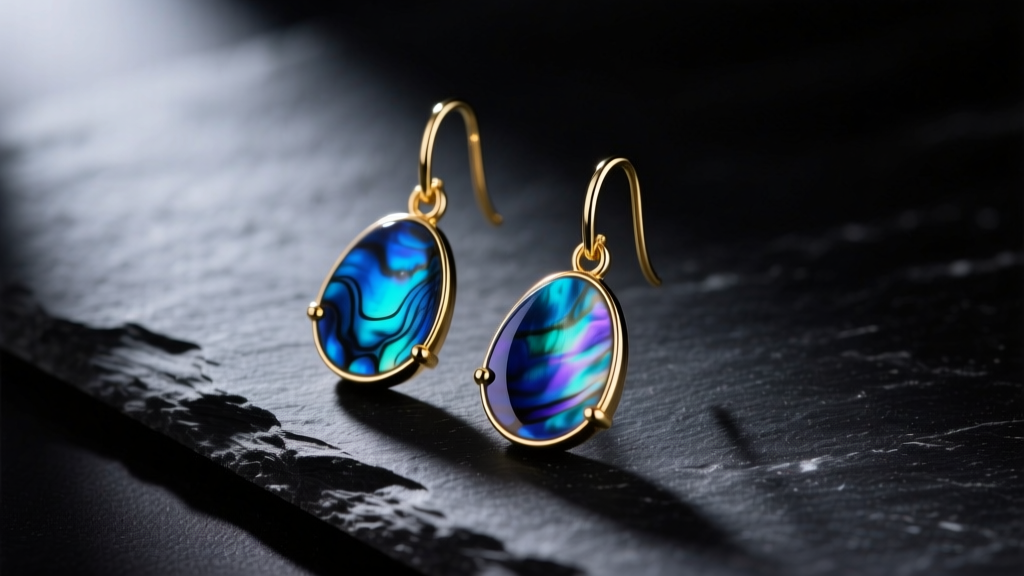
The Renaissance of Organic Gems in 2026
As we navigate the jewelry landscape of 2026, sustainable and organic materials have moved from niche alternatives to mainstream luxuries. Among the most coveted of these are blue shell earrings, featuring the mesmerizing, iridescent nacre of abalone, paua, and blue mussel. Unlike mined gemstones, shell is an organic marvel created by living mollusks. However, this biological origin makes it uniquely vulnerable to everyday environmental factors. Whether you own delicate abalone studs or statement paua shell dangles, understanding the gemological properties of your jewelry is the first step toward preserving its vibrant, oceanic blues and greens for decades to come.
Understanding the Science of Blue Shell
To properly care for blue shell earrings, you must understand what they are made of. Shell nacre is a composite material consisting of microscopic aragonite (calcium carbonate) platelets held together by an organic polymer called conchiolin. This structure gives shell its signature iridescence but also dictates its physical limitations.
- Mohs Hardness: Blue shell ranks between 2.5 and 3.0 on the Mohs scale, making it softer than a copper coin and highly susceptible to scratching from dust (which contains quartz particles at a 7.0 hardness).
- Porosity: The conchiolin matrix is porous, meaning it can easily absorb oils, perfumes, and acidic sweat, leading to a dull, chalky appearance over time.
- Chemical Sensitivity: Calcium carbonate reacts violently with acids. Even mildly acidic substances like lemon juice, vinegar, or human sweat can etch the surface of the shell, permanently destroying the polished finish.
Because of these factors, the Gemological Institute of America (GIA) categorizes shell alongside pearls and coral as delicate organic gems requiring specialized, non-abrasive care routines.
Step-by-Step Guide: How to Clean Blue Shell Earrings
Routine maintenance is critical, but aggressive cleaning will ruin the nacre. Follow this precise, four-step protocol to safely clean your blue shell earrings after wear.
What You Will Need
- Distilled water (never tap water, as chlorine and fluoride can damage the shell)
- pH-neutral liquid soap (such as unscented Castile soap or a dedicated pearl wash)
- Untreated, ultra-soft microfiber cloth
- A soft-bristled makeup brush (like a clean eyeshadow blending brush)
- Food-grade mineral oil or specialized shell-polishing oil
The 4-Step Cleaning Process
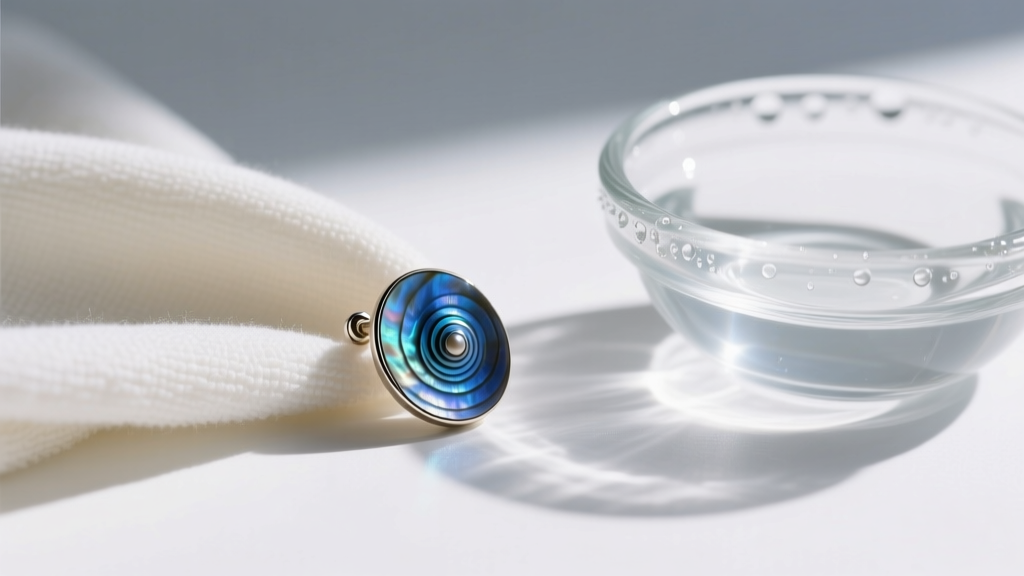
- Dry Dusting: Before introducing any moisture, use the soft-bristled makeup brush to gently sweep away microscopic dust and skin cells from the crevices where the shell meets the metal setting. This prevents dust from turning into an abrasive paste when wet.
- The Damp Wipe: Mix one drop of pH-neutral soap into a half-cup of distilled water. Dampen a corner of your microfiber cloth in the solution and wring it out until it is barely moist. Gently wipe the surface of the blue shell in a single, smooth direction. Never scrub in circles.
- The Rinse: Dampen a fresh section of the cloth with pure distilled water and wipe the shell to remove any soap residue. Do not submerge the earrings in water, as this can degrade the jeweler's epoxy used to secure the shell in its bezel.
- Dry and Nourish: Immediately pat the earrings completely dry with a soft towel. Once dry, apply a microscopic drop of mineral oil to a cloth and buff the shell gently. This rehydrates the conchiolin and restores the nacre's optical luster.
Critical Mistakes: The 'Never Do This' List
Many jewelry owners inadvertently destroy their organic gems by treating them like diamonds or sapphires. To protect your blue shell earrings, strictly avoid the following:
Warning: Never use ultrasonic cleaners, steam cleaners, or commercial silver dips on blue shell jewelry. The high-frequency vibrations of an ultrasonic cleaner will cause the aragonite layers to delaminate and shatter, while steam will literally cook the organic conchiolin, turning the vibrant blue shell gray and brittle.
- No Ammonia or Windex: Glass cleaners contain ammonia, which will instantly dissolve the calcium carbonate surface.
- No Toothpaste: Toothpaste contains silica and baking soda, both of which are harder than the shell and will leave permanent micro-scratches that cloud the iridescence.
- No Hairspray or Perfume: Always put your earrings on after applying cosmetics, hairspray, and fragrance. The alcohol and aerosol propellants in these products will strip the shell's natural moisture.
Styling Blue Shell Earrings: A 2026 Perspective
Blue shell is incredibly versatile, shifting between deep navy, electric cyan, and emerald green depending on the light. When styling blue shell earrings, consider both your face shape and the metal alloy used in the setting. The American Gem Society (AGS) notes that the right metal pairing not only enhances the visual depth of the nacre but also prevents galvanic reactions that can tarnish the shell's edges.
| Face Shape | Ideal Earring Style | Best Blue Shell Type | Recommended Metal Pairing |
|---|---|---|---|
| Round | Angular Dangles / Geometric Drops | Geometric Abalone Inlay | 14k White Gold or Platinum |
| Oval | Huggies / Medium Studs | Carved New Zealand Paua | Grade 23 Titanium |
| Square | Rounded Teardrops / Oval Hoops | Blue Mussel Cabochon | 18k Yellow Gold |
| Heart | Chandelier / Bottom-Heavy Dangles | Dyed Mother-of-Pearl | Rose Gold or Copper-Alloy |
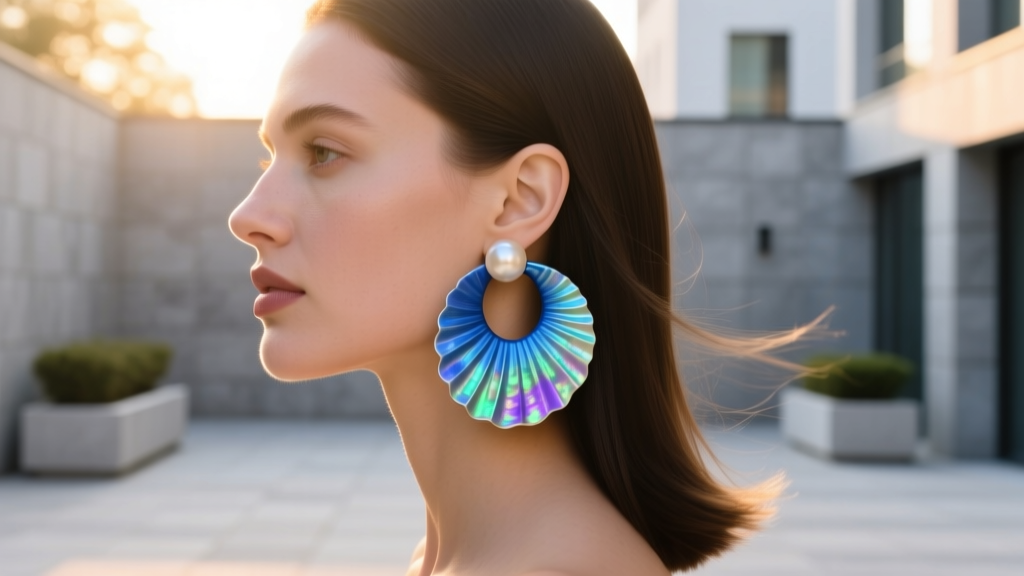
Hardware and Settings: What to Look For
When purchasing or evaluating blue shell earrings, the structural integrity of the jewelry is just as important as the shell itself. Because shell is brittle, it should ideally be set in a bezel setting or a flush inlay where the metal completely surrounds and protects the edges of the shell. Prong settings are highly discouraged for solid shell pieces, as the uneven pressure from the prongs can cause the nacre to crack over time.
Additionally, pay attention to the wire gauge of the earring hooks. Blue shell is surprisingly dense. If you are wearing large shell drops or heavy shell hoops, ensure the fishhook wire is at least 18-gauge (1.0mm) or 20-gauge (0.8mm). Standard 22-gauge or 24-gauge wires will bend under the weight of the shell, leading to stretched earlobes and an increased risk of the earring slipping out of the piercing.
Long-Term Storage Protocols
How you store your blue shell earrings when they are not on your ears dictates their lifespan. Never toss them into a communal jewelry box where they can rub against diamonds, sapphires, or metal chains. The friction will scratch the 2.5 Mohs surface almost immediately.
Store each pair individually in a soft, untreated flannel pouch. While anti-tarnish strips are excellent for keeping sterling silver settings bright, ensure the treated strip does not touch the shell directly, as some chemical tarnish-inhibitors can react with the porous nacre. Finally, keep your earrings in a climate-controlled environment; extreme dryness can cause the shell to crack, while high humidity can encourage mold growth on the organic conchiolin matrix. By treating your blue shell earrings with the respect these organic marvels deserve, you ensure their vibrant, oceanic fire remains a staple of your jewelry collection for years to come.


