Expert Care and Cleaning for Dangling Blue Earrings
Discover expert cleaning and maintenance tips for dangling blue earrings. Learn how to protect porous gems, secure jump rings, and restore shine.

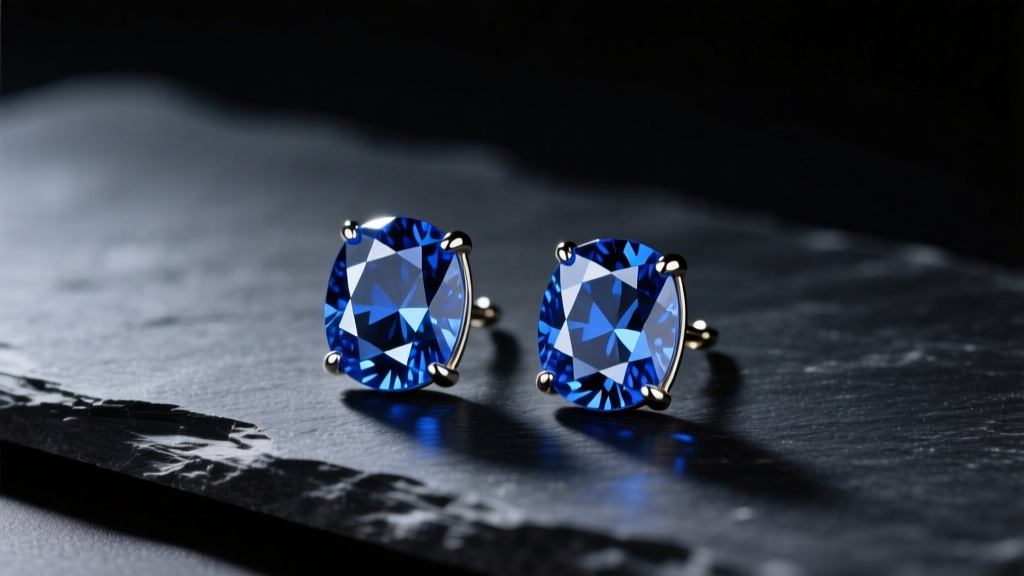
Dangling blue earrings are a staple in fine and fashion jewelry, offering dynamic movement and striking color. However, the combination of kinetic stress from the dangle mechanism and the varied chemical sensitivities of blue gemstones creates a unique maintenance challenge. Whether your earrings feature hard, brilliant-cut blue sapphires or porous, cabochon-cut turquoise, a one-size-fits-all cleaning approach will inevitably lead to damaged stones or broken findings.
This comprehensive guide breaks down the exact protocols required to clean, maintain, and repair dangling blue earrings, ensuring they remain secure and vibrant for years to come.
The Anatomy of Dangle Earrings: Where Damage Happens
Unlike studs, dangling blue earrings are subjected to constant kinetic stress. Every time you turn your head, the kinetic energy transfers through the ear wire, down the jump ring, and into the gemstone setting. Understanding the mechanical weak points is the first step in preventative maintenance.
- The Ear Wire (French Wire): Standard fashion earrings often use 22-gauge wire, which is too thin to support heavy blue gemstones like large lapis lazuli or solid sapphire drops. Over time, the weight causes the wire to stretch and bend. For heavy dangles, always ensure your ear wires are at least 20-gauge or 18-gauge.
- The Jump Ring: This is the small metal loop connecting the ear wire to the dangle component. If the jump ring was pulled apart laterally during manufacturing rather than twisted open, it will eventually gap, leading to a lost earring.
- The Setting Prongs: Dangles swing and bump against the neck and hair. This friction can catch prongs, pulling them away from the gemstone's girdle and loosening the stone.
Material-Specific Cleaning: Not All Blue Gems Are Equal
The most critical mistake jewelry owners make is assuming all "blue" stones share the same physical properties. The cleaning method for a blue topaz drop earring will completely destroy a turquoise dangle. According to the Gemological Institute of America (GIA), porous stones require drastically different care than crystalline ones.
Blue Gemstone Hardness and Sensitivity Chart
| Gemstone | Mohs Hardness | Porosity | Ultrasonic Safe? | Steam Safe? | Primary Cleaning Agent |
|---|---|---|---|---|---|
| Blue Sapphire | 9 | None | Yes (usually) | Yes | Mild dish soap & warm water |
| Blue Topaz | 8 | None | No (cleavage planes) | No | Mild dish soap & soft brush |
| Lapis Lazuli | 5 - 5.5 | High (calcite) | No | No | Dry microfiber cloth only |
| Turquoise | 5 - 6 | Very High | No | No | Damp cloth (water only) |
| Sodalite | 5.5 - 6 | Moderate | No | No | Damp cloth, no chemicals |
The Danger of Ultrasonic Cavitation
Ultrasonic cleaners use high-frequency sound waves to create microscopic bubbles that implode, blasting dirt away. While excellent for diamonds, this cavitation process can shatter blue topaz due to its perfect basal cleavage (internal planes of weakness). Furthermore, the heat and chemical baths used in ultrasonics will strip the natural waxes and oils from turquoise, causing it to turn a dull, chalky green.
Step-by-Step Cleaning Protocols
Protocol A: Hard Crystalline Stones (Sapphire, Topaz)
For durable blue stones, the goal is to remove sebum, lotion, and hairspray buildup that clouds the pavilion (bottom) of the gemstone, reducing light return.
- Prepare the Bath: Mix three parts warm (not hot) distilled water with one part mild, ammonia-free dish soap (like Dawn) in a glass bowl.
- Soak: Submerge the dangling earrings for 10 to 15 minutes to loosen debris.
- Agitate: Using a brand-new, extra-soft baby toothbrush, gently brush the back of the gemstone and the setting prongs. Brush in a circular motion, never aggressively scrubbing the prongs.
- Rinse and Dry: Rinse under lukewarm running water (ensure the drain is plugged). Pat dry with a lint-free microfiber cloth. Use a hairdryer on the "cool" setting to blow water out of the jump ring crevices to prevent metal oxidation.
Protocol B: Porous and Opaque Stones (Turquoise, Lapis Lazuli)
Porous stones act like sponges. They will absorb chemicals, lotions, and even the acids in your sweat, which alters their color matrix over time. The GIA notes that while sapphires are tough, stones with calcite matrices (like lapis) are highly reactive to acids.
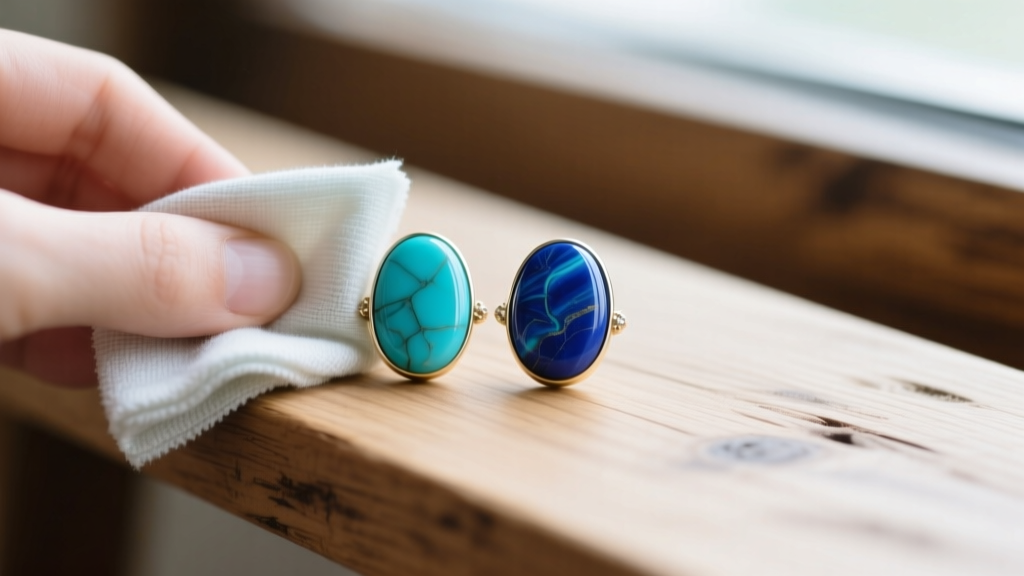
- Dry Wipe First: After every wear, wipe the stones with a clean, dry microfiber cloth to remove skin oils and sweat.
- Damp Cleaning (If Soiled): Dampen a cotton swab with plain, distilled water. Gently roll it over the surface of the turquoise or lapis. Do not let water pool around the bezel or prong settings, as moisture trapped against the metal can cause the adhesive or stone backing to degrade.
- Never Use Silver Dip: If your porous blue earrings are set in sterling silver, never use liquid silver polish or "silver dip" solutions. These contain thiourea and sulfuric acid, which will permanently stain turquoise and dissolve the calcite in lapis lazuli. Instead, use a treated silver polishing cloth, carefully avoiding the gemstone.
Troubleshooting Common Mechanical Failures
Because dangling blue earrings swing freely, their metal findings endure metal fatigue. Here is how to diagnose and fix the most common structural issues.
1. The Jump Ring Gap
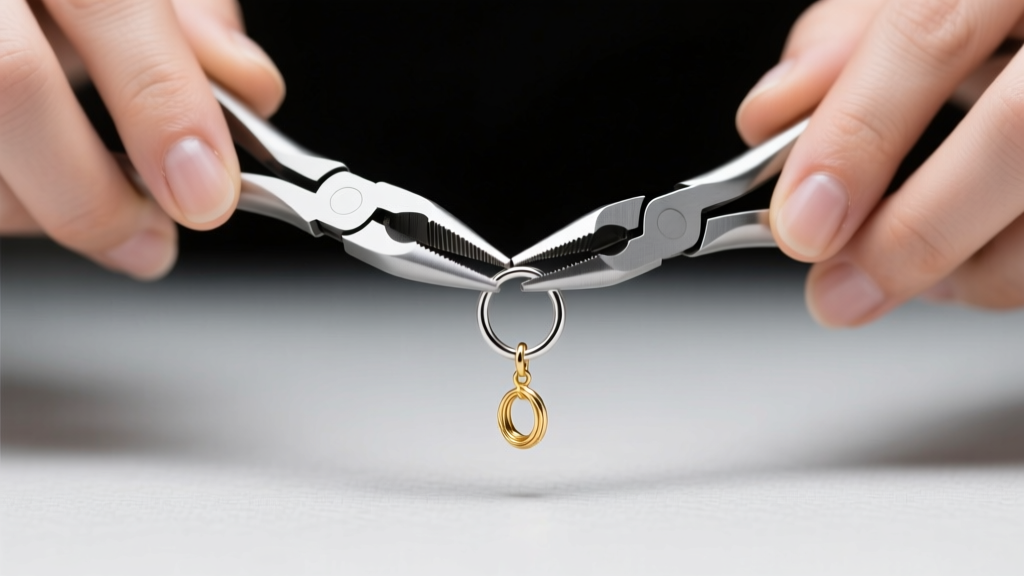
If you notice a tiny gap where the jump ring meets, do not pull the ring apart to close it. Pulling it outward distorts the circle and weakens the metal. Instead, use two pairs of flat-nose jeweler's pliers. Grip each side of the split and twist them laterally (one toward you, one away) to close the gap seamlessly.
2. Bent French Ear Wires
If your ear wires have lost their graceful curve and look crooked, do not bend them back with your fingers or metal pliers, which will leave deep gouges and compromise the metal's integrity. Use nylon-jaw pliers. The soft nylon grips the wire firmly without marring the silver or gold, allowing you to gently reshape the curve to match the opposite earring.
3. Loose Leverback Tension
Leverback earrings are ideal for heavy blue dangles because they lock securely. However, the internal tension wire can flatten over time, causing the lever to fail to "click" shut. To fix this, take a wooden toothpick and gently press upward on the small internal wire loop inside the hinge mechanism to restore its upward spring tension.
Storage and Preventative Care
How you store your dangling blue earrings is just as important as how you clean them. Tossing them into a communal jewelry box guarantees tangled chains, scratched gemstones, and bent wires.
- Individual Compartments: Store each pair in its own soft pouch or a dedicated compartment. Sapphire (Mohs 9) can easily scratch gold settings and softer stones like turquoise (Mohs 5) if they rub together.
- Hanging Storage: For long dangles, hanging organizers are superior to flat boxes. Hanging prevents the ear wires from being crushed and keeps the chains or articulated links from knotting.
- Anti-Tarnish Strips: If your earrings feature sterling silver findings, place a 3M anti-tarnish strip in the storage box. These strips absorb airborne sulfur compounds that cause silver sulfide (tarnish) to form, reducing the need for abrasive polishing.
- The "Last On, First Off" Rule: Always put your dangling blue earrings on after applying makeup, perfume, and hairspray, and take them off immediately upon returning home. This minimizes chemical exposure and reduces the risk of snagging the dangles on clothing.
By respecting the specific geological properties of your blue gemstones and maintaining the mechanical integrity of the dangle findings, you can preserve the brilliance and movement of your earrings for a lifetime.


