How to Clean Your Earring Hole: The Ultimate Aftercare Buyer Guide
Learn exactly how to clean your earring hole with our expert buyer's guide. Discover the best saline solutions, tools, and hypoallergenic jewelry.

The Biology of the Fistula: Why Product Choice Matters
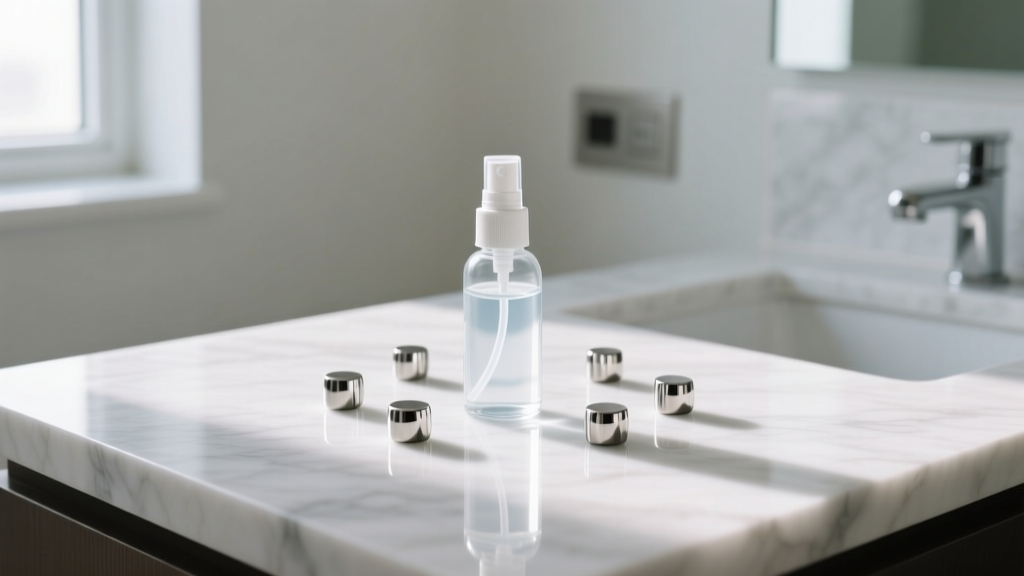
When researching how to clean your earring hole, it is crucial to understand the biology of the piercing itself. An earring hole is not merely a puncture wound; it is a fistula—a permanent tube of scar tissue that forms around the jewelry. Because this tissue lacks the robust immune defenses of regular skin, it requires specific, non-cytotoxic environments to thrive. Using harsh chemicals or improper tools can degrade the fistula lining, leading to chronic irritation, hypertrophic scarring, or contact dermatitis. According to the Association of Professional Piercers (APP), the primary goal of aftercare is to keep the area free of debris without disrupting the delicate cellular matrix. This means the products you buy must be isotonic, sterile, and free of unnecessary additives.
What to Look For When Buying Cleaning Solutions
The Gold Standard: Sterile Saline Wound Wash
When browsing the pharmacy aisle, your only purchase should be a can of sterile saline wound wash. The ingredient list must contain exactly two things: purified water and 0.9% sodium chloride. This specific concentration is isotonic, meaning it matches the natural salinity of your body's tears and blood, preventing cellular dehydration. Look for cans that use a sterile pressurized nozzle, which allows you to rinse the fistula without physically touching it. Brands like NeilMed Piercing Aftercare or H2Ocean are industry standards because they package their solutions in sterile, aerosolized cans that prevent bacterial backflow.
Ingredients to Strictly Avoid
Many consumers mistakenly buy rubbing alcohol, hydrogen peroxide, witch hazel, or tea tree oil, believing that stronger antiseptics yield cleaner piercings. This is a critical error. The Mayo Clinic explicitly warns against using these harsh astringents, as they are cytotoxic. They do not just kill bacteria; they obliterate the newly formed, healthy epithelial cells lining your earring hole, effectively resetting the healing clock and causing severe dryness and cracking. Furthermore, avoid any saline solutions labeled as "contact lens solution" or "nasal spray," as these frequently contain preservatives like benzalkonium chloride, which are known contact allergens.
The Best Jewelry Materials to Prevent Buildup
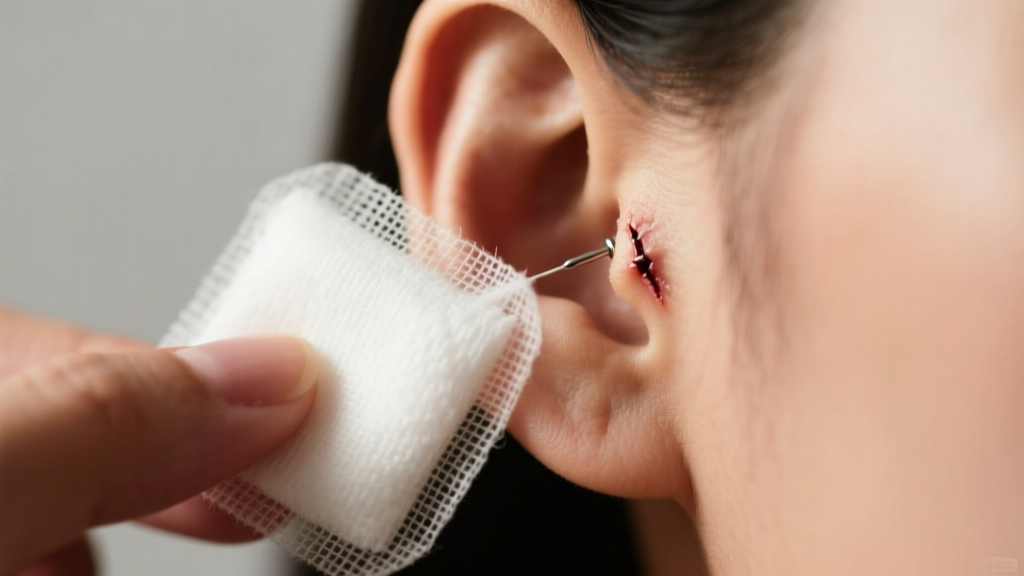
Learning how to clean your earring hole is only half the battle; the other half is buying jewelry that does not harbor bacteria or trigger allergic reactions. Low-quality metals create microscopic pitting where dead skin cells and sebum accumulate, making the hole impossible to fully sanitize. When shopping for everyday studs, hoops, or huggies, you must verify the exact material grade. Below is a buyer's comparison chart for common earring metals:
| Material | ASTM Standard | Nickel Content | Best For |
|---|---|---|---|
| Implant-Grade Titanium | F136 | None | Healing, Sensitive Holes, Cartilage |
| 14k/18k Solid Gold | N/A | Trace (Alloy dependent) | Healed Lobes, Everyday Wear |
| Niobium | N/A | None | Healed Piercings, Severe Metal Allergies |
| Surgical Steel | F138 | 8-12% | Avoid (High Nickel Release) |
Always look for the "ASTM F136" designation when buying titanium. This certifies that the metal is biocompatible and safe for long-term implantation in the human body. Avoid "surgical steel" entirely if you suffer from itchy, flaky, or easily irritated earring holes, as the high nickel content is a primary culprit for contact dermatitis.
Essential Tools for Your Aftercare Kit
Beyond the cleaning solution, the physical tools you use to interact with your ear matter immensely. Add these specific items to your shopping cart:
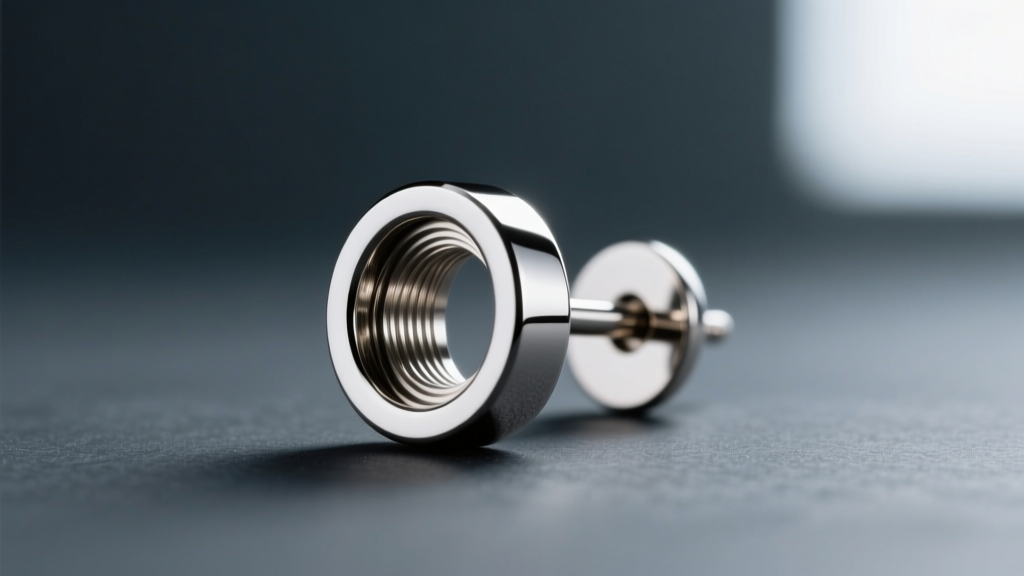
- Sterile Non-Woven Gauze (4x4): Unlike cotton balls or standard woven cotton pads, non-woven gauze does not shed microscopic fibers that can become tangled in the earring post and cause micro-tears in the fistula.
- Precision Cotton Swabs: Buy swabs with tightly wound, firm tips. Use these exclusively for applying saline to hard-to-reach cartilage folds, never for aggressive scrubbing.
- Ultrasonic Jewelry Cleaner (40kHz-45kHz): While you should never put your ear in an ultrasonic machine, buying a small tabletop cleaner for your jewelry is a game-changer. It vibrates sebum and soap scum out of the microscopic crevices of your earring clasps and posts.
Step-by-Step: How to Clean Your Earring Hole Properly
Once you have purchased the correct supplies, establishing a consistent, gentle routine is vital. Follow this protocol for both healing and fully healed piercings:
- Wash Hands: Scrub with liquid antibacterial soap for 20 seconds. Dry with a clean paper towel.
- Spray Saline: Apply the sterile 0.9% saline directly to the front and back of the earring hole. Let it sit for 30 seconds to soften any crusted lymph or sebum.
- Gently Wipe: Using a piece of sterile non-woven gauze, gently wipe away the softened debris. Do not drag or pull the jewelry.
- Dry the Area: Moisture trapped behind the earlobe breeds bacteria. Pat the area completely dry with a fresh piece of gauze, or use a hairdryer on the "cool" setting held at least 12 inches away.
Pro Piercer Tip: Never rotate, twist, or "click" your earrings during cleaning. This outdated advice tears the delicate fistula tissue and introduces environmental bacteria directly into the wound channel.
Troubleshooting Common Earring Hole Issues
Dealing with "Ear Cheese" (Sebum Buildup)
If you notice a grayish, foul-smelling paste accumulating on your earring posts, you are dealing with a mix of oxidized sebum, dead skin cells, and soap residue. This is incredibly common in standard 20G or 18G lobe piercings. To combat this, remove your earrings weekly and run them through your ultrasonic jewelry cleaner with a few drops of mild dish soap. For the earring hole itself, a warm compress applied for three minutes will open the pores and allow you to gently massage the sebum out of the fistula using clean fingers and saline.
Crusting, Flaking, and Itchiness
If the skin around your earring hole is dry, flaky, and intensely itchy, you are likely experiencing contact dermatitis or moisture-associated skin damage (MASD). Stop using all scented body washes near your ears. Switch to a hypoallergenic, fragrance-free cleanser for your hair and face. Ensure you are thoroughly drying behind your ears after showering, and verify that your jewelry is genuine implant-grade titanium or solid 14k gold. If the flaking persists despite these changes, consult a dermatologist, as it may be a localized psoriasis or eczema flare-up requiring a prescription topical treatment.


