How Do You Clean Earring Holes? A Material-Based Guide
Discover how do you clean earring holes effectively by understanding metal properties, surface finishes, and safe aftercare solutions for your piercings.

When dealing with buildup, odor, or irritation, a common question arises among jewelry wearers: how do you clean earring holes effectively? While most guides focus solely on the cleaning solutions, professional piercers and dermatologists know that the metallurgical properties of your earrings dictate the biological environment of your piercing. The fistula—the tube of healed skin lining your piercing hole—is highly reactive to the surface finish, alloy composition, and porosity of the metal resting inside it.
Understanding the intersection of material science and piercing biology is the key to maintaining odor-free, healthy earlobe and cartilage piercings. Below, we break down how different metals interact with sebum and dead skin cells, and provide a definitive, material-based protocol for cleaning your earring holes.
The Biology of the Fistula and Metal Reactivity
An earring hole is not merely a puncture wound; it is a fully formed fistula lined with stratified squamous epithelium. This skin tube naturally sheds dead keratinocytes and secretes sebum (skin oils) and apocrine sweat. When these biological byproducts mix with metal ions, the result is the infamous "ear cheese"—a grayish, odorous buildup that can cause localized contact dermatitis.
According to the Association of Professional Piercers (APP), the surface roughness of a metal plays a critical role in this accumulation. Metals with a matte or scratched finish (measuring above 0.2 µm Ra) harbor microscopic crevices where bacteria and dead skin cells anchor. Conversely, mirror-finished, biocompatible metals allow biological debris to be flushed out easily during routine cleaning.
How Earring Materials Dictate Piercing Hygiene
Before determining your cleaning regimen, you must identify the material currently sitting in your ear. Different alloys oxidize and react to cleaning agents in vastly different ways.
Implant-Grade Titanium (ASTM F136)
Titanium is the gold standard for piercing hygiene. Because it is entirely nickel-free and highly corrosion-resistant, it does not react with the saline or mild soaps used to clean earring holes. Its ability to be polished to a flawless mirror finish means sebum cannot easily adhere to the post. When wearing titanium, cleaning the fistula is a simple mechanical process of flushing out debris without worrying about chemical reactions between the metal and the cleaning agent.
14k and 18k Solid Gold
Solid gold is excellent for long-term wear, provided it is alloyed correctly. 14k and 18k gold offer the perfect balance of malleability and durability. However, white gold is often alloyed with nickel or palladium. If your earring hole becomes itchy or inflamed after cleaning, you may be experiencing a nickel allergy exacerbated by the moisture of the cleaning process. Always verify that your gold jewelry is nickel-free, especially for cartilage piercings where the tissue is more prone to hypertrophic scarring.
Surgical Steel (316L) and the Nickel Factor
While 316L surgical steel is widely used, it contains up to 14% nickel. Over time, the saline from your sweat and the moisture from cleaning your earring holes can cause microscopic corrosion on lower-grade steel posts. This corrosion creates a rough surface texture that traps bacteria and dead skin, leading to persistent odors even immediately after washing.
Step-by-Step: How Do You Clean Earring Holes Safely?
Now that you understand how your jewelry material impacts the fistula, here is the exact protocol for cleaning your earring holes. This method is designed to remove biological buildup without destroying the delicate cellular matrix of the piercing or corroding your jewelry.
1. The Saline Soak (For All Materials)
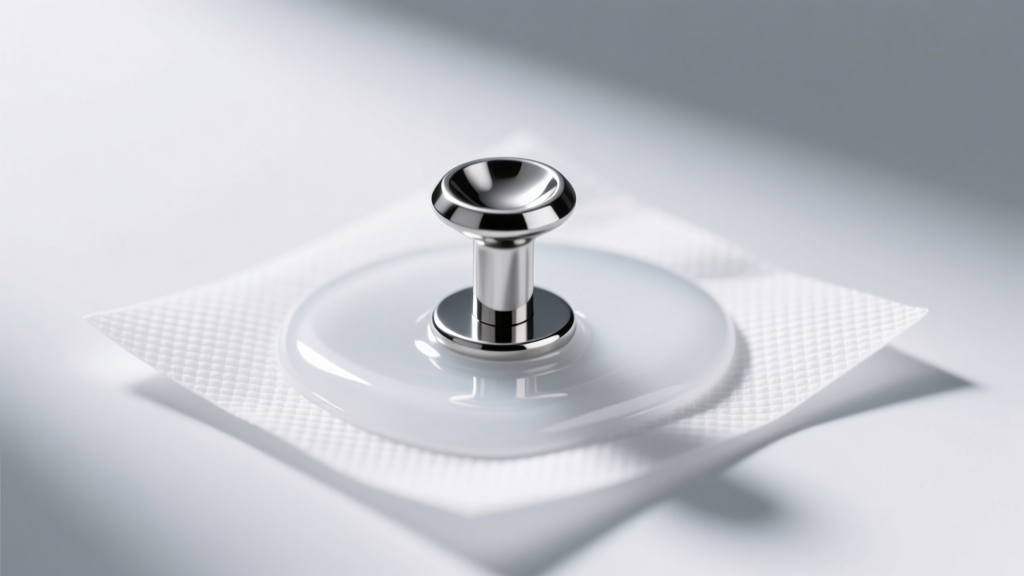
Use a sterile, isotonic saline solution (0.9% sodium chloride with no additives). Spray the solution directly into the earring hole or apply it using a non-woven sterile gauze. Avoid cotton swabs, as cotton fibers can snag on microscopic scratches in steel or gold posts, leaving debris inside the fistula.
2. Gentle Mechanical Rotation
While the saline is damp, gently glide the earring post back and forth. Do not force it. If you are wearing high-polish titanium or niobium, the debris will slide out effortlessly. If you feel resistance, the buildup has hardened; apply a warm saline compress for 3 minutes to soften the keratin plug.
3. Cleansing Agents vs. Metal Compatibility
Not all cleaning solutions are safe for all metals. Use the table below to ensure you are not accidentally damaging your jewelry or your fistula.
| Cleaning Agent | Chemical Composition | Effect on Tissue | Effect on Earring Materials |
|---|---|---|---|
| Sterile Saline | 0.9% NaCl | Isotonic, promotes healing | Neutral; safe for all metals |
| Mild Liquid Soap | Surfactants | Cleanses sebum effectively | Safe; may leave residue if not rinsed |
| Rubbing Alcohol | 70% Isopropanol | Cytotoxic; dries out fistula | Strips anodization; degrades acrylics |
| Tea Tree Oil | Terpenes | Highly irritating; causes burns | Can cause porous metals to trap oils |
Troubleshooting Material-Induced Piercing Issues
Sometimes, no matter how perfectly you execute your cleaning routine, the earring hole remains problematic. Here is how to diagnose the issue based on material failure modes.
Persistent Odor Despite Cleaning
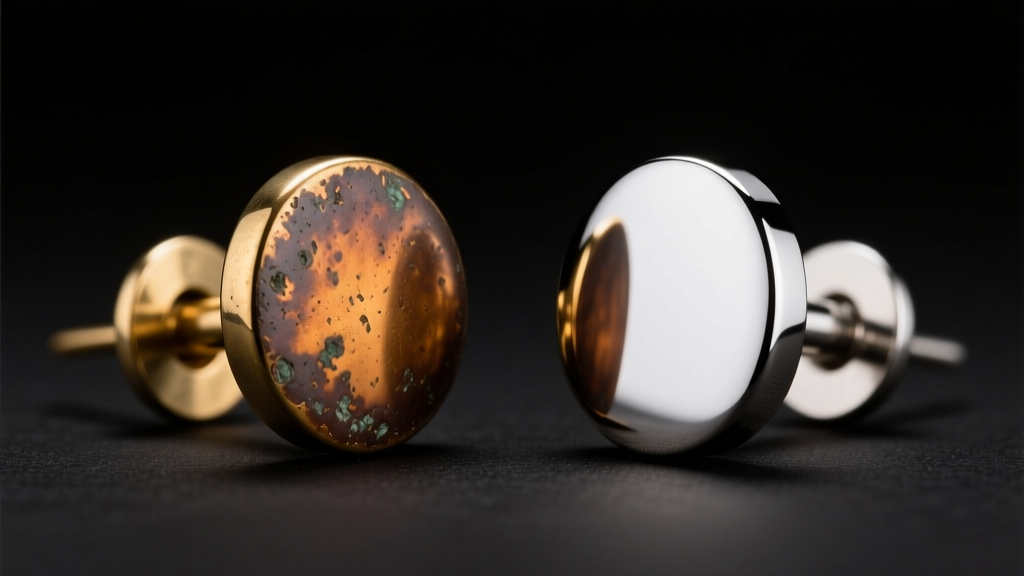
If your earring hole smells sour immediately after a saline wash, the issue is likely the jewelry's surface finish. Plated metals (like gold-plated brass) eventually wear down, exposing the porous brass underneath. Brass contains copper, which reacts with the acidic pH of human sweat to create copper salts. This reaction harbors odor-causing bacteria. The fix: Retire the plated jewelry and switch to a mirror-finished ASTM F136 titanium stud.
Green or Black Discharge
A green or black tint in the debris you clean out of your earlobe is a hallmark of copper oxidation. This occurs when wearing low-grade fashion jewelry or vintage pieces made of bronze or brass. The American Academy of Dermatology (AAD) notes that prolonged exposure to oxidizing base metals can lead to severe allergic contact dermatitis. If you see green discharge, remove the jewelry immediately, cleanse the hole with sterile saline, and allow the fistula to rest before inserting hypoallergenic niobium or titanium.
Expert Verdict on Long-Term Piercing Health
Ultimately, knowing how do you clean earring holes is only half the battle; the other half is curating a jewelry collection that supports biological hygiene. By prioritizing implant-grade titanium, high-polish solid gold, and avoiding harsh chemical astringents like alcohol or hydrogen peroxide, you maintain the structural integrity of both your fistula and your fine jewelry. Treat your earring holes with the same material respect you give to the jewelry itself, and you will enjoy a lifetime of comfortable, odor-free wear.