How to Clean Earring Holes: Fix Smelly, Crusty & Irritated Piercings
Learn how to clean earring holes to eliminate odor, crust, and irritation. Expert troubleshooting for lobe and cartilage piercings, plus material tips.

The Science Behind Piercing Odor and Buildup
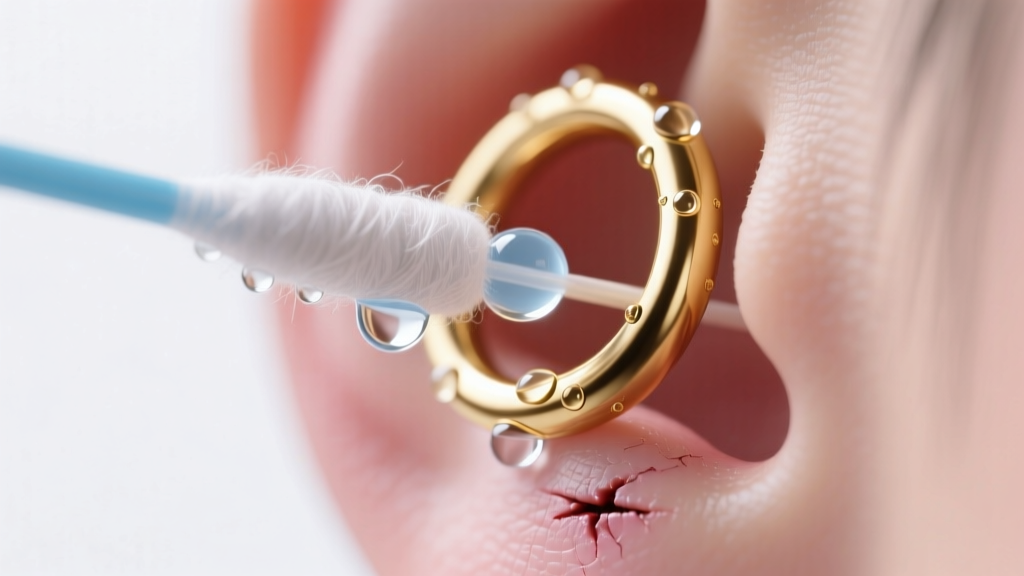
If you have ever removed your studs and noticed a foul, cheesy odor, you are not alone. Colloquially known as 'ear cheese,' this phenomenon is a completely natural biological process, but it requires proper management. The odor is primarily caused by anaerobic bacteria breaking down a mixture of sebum (your skin's natural oils), dead skin cells, and microscopic debris trapped within the fistula (the earring hole). When these lipids break down, they release isovaleric acid, which is responsible for the distinct, unpleasant smell.
Furthermore, wearing heavy dangle earrings or tight butterfly-back studs creates a low-oxygen environment inside the piercing channel. This anaerobic environment accelerates bacterial growth and traps crust. Understanding how to clean earring holes properly is not just about hygiene; it is about maintaining the structural integrity of the fistula and preventing chronic irritation or contact dermatitis.
Step-by-Step: How to Clean Earring Holes Properly
Many people make the mistake of using harsh chemicals like rubbing alcohol, hydrogen peroxide, or antibacterial soap. According to the Association of Professional Piercers (APP), these substances are cytotoxic. They destroy fibroblasts—the cells responsible for tissue repair—and strip the fistula of its natural moisture barrier, leading to micro-tears and chronic dryness.
- Remove the Jewelry: Always take your earrings out before cleaning. If you leave them in, you are merely cleaning the metal, not the inside of the fistula.
- Emulsify with Warm Water: In the shower, let warm (not hot) water run over your earlobes for 60 seconds. The heat softens hardened sebum and dead skin.
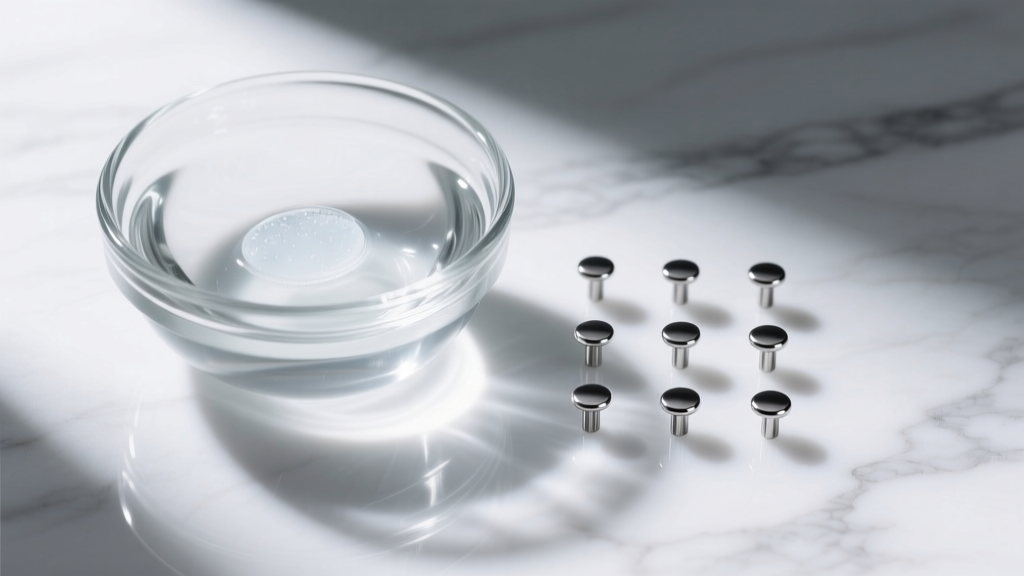
- Apply Sterile Saline: Use a 0.9% sterile sodium chloride wound wash. Spray it directly onto the front and back of the earring hole. Avoid homemade salt solutions, as improper ratios can cause hypertonic dehydration of the tissue.
- Gently Massage: Using a clean, lint-free gauze pad (avoid cotton swabs, which can leave fibers behind), gently massage the lobe around the hole to express trapped debris.
- Dry Thoroughly: Moisture breeds bacteria. Dry the area completely with a hairdryer on the cool setting or a disposable paper towel before reinserting your jewelry.
Troubleshooting Common Earring Hole Problems
Even with a strict cleaning routine, earring holes can develop specific issues based on jewelry weight, gauge size, and sleeping habits. Below is a diagnostic framework for the most frequent piercing problems.
| Problem | Primary Cause | Expert Solution |
|---|---|---|
| Hole Shrinking / Closing | Leaving holes empty; scar tissue contraction | Do not force jewelry. Use a sterilized 20G or 18G steel taper lubricated with pure jojoba oil to gently stretch the fistula back open. |
| Itchy, Flaky, Red Skin | Nickel allergy (Contact Dermatitis) | Switch immediately to ASTM F136 implant-grade titanium or 14k/18k solid nickel-free gold. Avoid 'surgical steel'. |
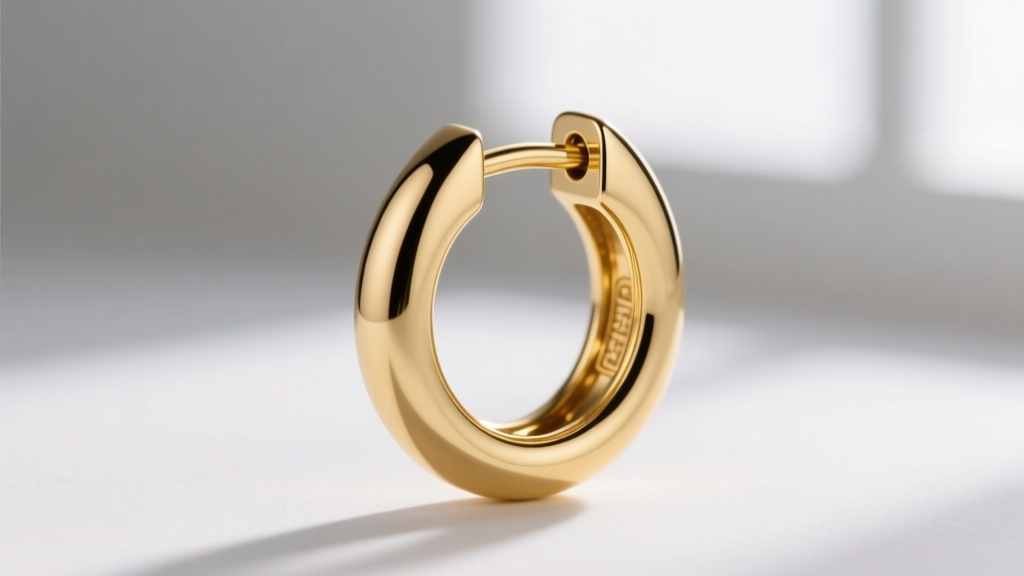
| Split or Torn Lobes | Heavy dangles snagging; sleeping in hoops | Downsize to lightweight 20G (0.8mm) huggies or flat-back labrets. Use a silicone o-ring back to distribute pressure. |
| Hard Bump Behind Lobe | Keloid or hypertrophic scarring from trauma | Apply warm saline compresses twice daily. If the bump is larger than the piercing hole, consult a dermatologist for corticosteroid injections. |
| Persistent Crust / Bleeding | Using butterfly backs that trap moisture | Upgrade to flat-back labret studs. The flat disc allows the back of the lobe to breathe and prevents pressure necrosis. |
Material Matters: Upgrading Your Jewelry to Prevent Irritation
You cannot troubleshoot a dirty or irritated earring hole without addressing the metal sitting inside it. The vast majority of 'infections' in fully healed lobes are actually allergic contact dermatitis caused by nickel. Standard 'surgical stainless steel' (often 316L) contains between 8% and 10% nickel. Over time, the nickel ions leach into the fistula, triggering an immune response that manifests as itching, clear fluid weeping, and dark gray discoloration of the skin.
- Implant-Grade Titanium (ASTM F136): The gold standard for sensitive ears. It is entirely nickel-free, lightweight, and highly biocompatible. Brands like Intrinsic Body or NeoMetal offer premium flat-back options in 18G and 16G.
- Solid 14k or 18k Gold: Ensure it is alloyed for body jewelry (usually with silver or copper, not nickel). Avoid gold-plated or vermeil jewelry, as the thin gold layer will eventually wear off inside the friction of the earring hole, exposing the brass or copper base metal.
- Niobium: A highly reactive metal that is anodized to create colors without using dyes or plating. It is an excellent, budget-friendly alternative to titanium for those with severe metal sensitivities.
According to the Mayo Clinic, once you develop a nickel allergy, it persists for life. Upgrading your core jewelry wardrobe to titanium or solid gold is a permanent fix for chronic earring hole irritation.
When to See a Professional: Infection vs. Irritation
Knowing how to clean earring holes is vital for maintenance, but you must also know when home care is no longer sufficient. It is incredibly common to mistake an irritation bump or an allergic reaction for a bacterial infection. Misdiagnosing the issue often leads people to use harsh antibacterial creams, which only worsens irritation.
Signs of a True Bacterial Infection:
- The lobe is hot to the touch and visibly swollen beyond the immediate piercing site.
- You are experiencing a throbbing, pulsating pain that radiates through the ear.
- The discharge is thick, opaque, and yellow, green, or brown (pus), accompanied by a foul, rotting odor.
- You have a systemic fever or swollen lymph nodes in your neck.
If you exhibit these symptoms, do not remove the jewelry. Removing the earring can cause the surface of the hole to close, trapping the infection inside the lobe and potentially forming an abscess. The American Academy of Dermatology advises seeking immediate medical attention for a prescription oral antibiotic.
Signs of Simple Irritation:
- Mild redness localized strictly to the entry and exit points of the hole.
- Itchiness or a tight feeling in the lobe.
- Clear or slightly white, watery discharge (lymph fluid) that dries into a light crust.
Irritation is solved by downsizing your jewelry, switching to flat-back titanium, and sticking to the 0.9% sterile saline cleaning routine outlined above. Patience and consistency are your best tools for maintaining healthy, odor-free earring holes for life.


