How to Clean and Maintain Electric Picks Bentley Earrings
Learn expert care, cleaning, and maintenance tips for Electric Picks Bentley earrings to protect their unique mixed-metal finishes and gemstones.

Understanding the Bentley Collection's Material Profile
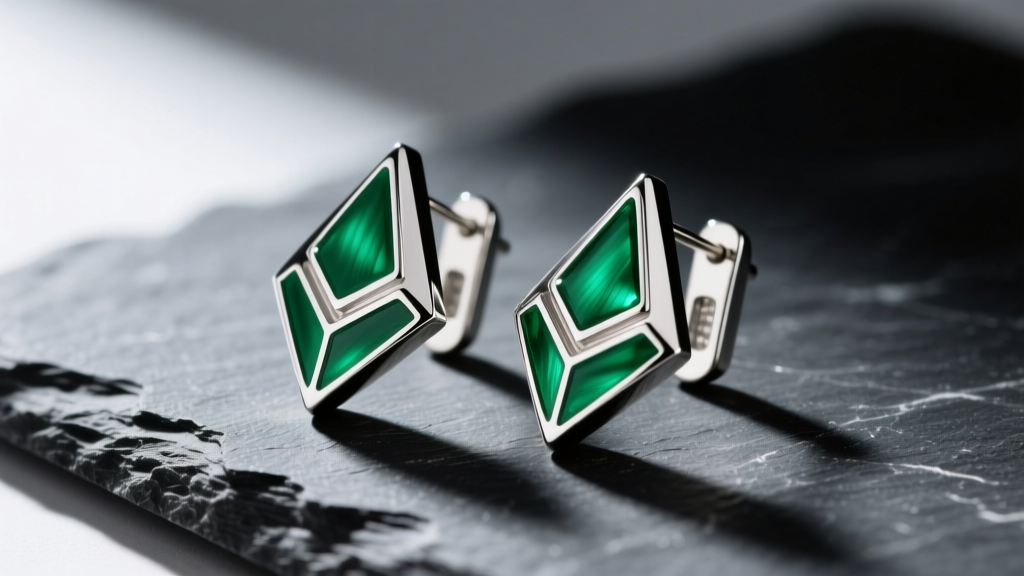
The Electric Picks Bentley earrings have carved out a unique niche in the contemporary jewelry market, celebrated for their avant-garde geometric silhouettes and mixed-material construction. To properly care for these pieces, you must first understand their anatomy. Unlike solid 14k or 18k gold studs, the Bentley line typically features a core of jeweler's brass or 316L stainless steel, finished with a proprietary Physical Vapor Deposition (PVD) coating or heavy rhodium electroplating. Furthermore, the signature accents often include kiln-fired enamel or bezel-set semi-precious stones.
As of 2026, the brand has increasingly shifted toward PVD coatings for their metallic finishes due to its superior hardness and hypoallergenic properties. However, PVD and rhodium layers are exceptionally thin—often ranging between 0.5 and 2.5 microns. Using abrasive polishing cloths, silver dip solutions, or ammonia-based cleaners will strip this microscopic layer, exposing the base metal to rapid oxidation. Additionally, the posts on the Bentley studs and hooks are generally crafted from ASTM F136 implant-grade titanium or 20-gauge (0.81mm) surgical steel to minimize contact dermatitis, requiring a completely different cleaning approach than the decorative faces.
Step-by-Step Cleaning Protocol for Bentley Earrings
Maintaining the high-contrast polish of your Electric Picks Bentley earrings requires a gentle, chemistry-conscious approach. Forget the harsh commercial jewelry dips; you need a pH-neutral, non-abrasive routine.
Daily Maintenance vs. Deep Cleaning
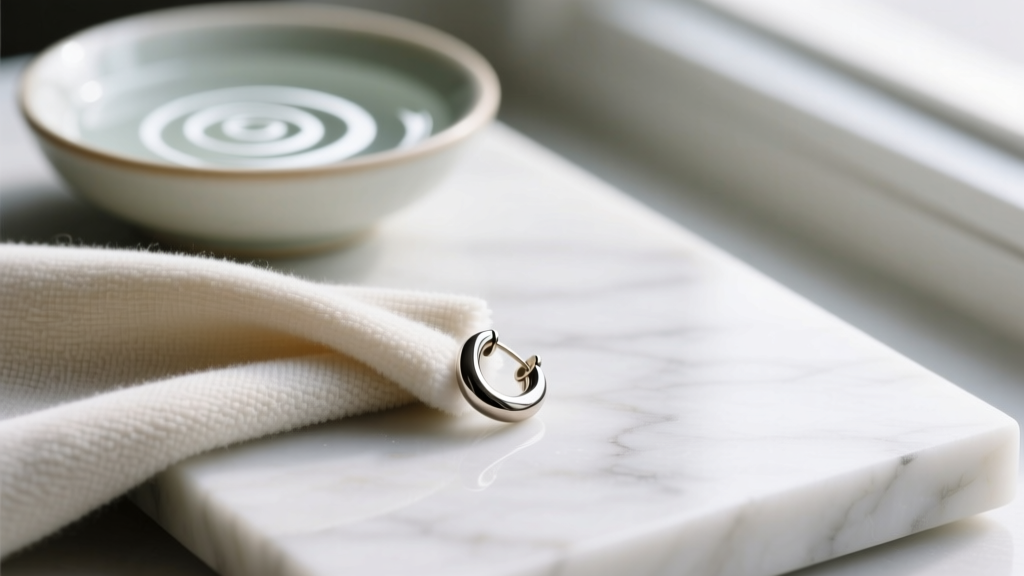
For daily upkeep, simply wipe the earrings with a dry, lint-free microfiber cloth after wearing them. This removes the acidic layer of sebum and sweat that accelerates tarnish. For a deep clean (recommended once a month), follow this precise protocol:
- Prep the Solution: Mix three drops of pH-neutral dish soap (such as Dawn Free & Clear) into a small bowl of distilled water. Avoid tap water, as dissolved minerals and chlorine can leave microscopic water spots on the rhodium and cloud the enamel.
- Targeted Agitation: Dip a soft-bristled baby toothbrush into the solution. Gently brush the crevices of the geometric metalwork and the bezels holding the stones. Do not scrub the enamel directly with bristles; instead, use a cotton swab.
- The Rinse: Rinse the earrings under a slow stream of distilled water. Ensure all soap residue is removed, as dried soap film will dull the PVD coating.
- Drying: Pat dry with a microfiber cloth, then use a can of compressed air (held at least six inches away) to blow moisture out of the tension clasps and earring backings.
The Ultrasonic Trap: What to Avoid
A common mistake among jewelry enthusiasts is tossing high-end fashion pieces into an ultrasonic cleaner. Ultrasonic machines operate by generating high-frequency sound waves (typically around 40kHz) that create microscopic cavitation bubbles in the liquid. While excellent for solid diamond and platinum pieces, this violent process is catastrophic for Electric Picks Bentley earrings.
The cavitation bubbles will easily shatter the brand's kiln-fired enamel inlays. Furthermore, the microscopic shockwaves can degrade the epoxy resin used to secure the semi-precious stones in their geometric bezels, leading to sudden stone loss. According to the Gemological Institute of America (GIA), ultrasonic cleaners should never be used on jewelry featuring enamel, porous gemstones, or plated finishes. Stick to manual, gentle agitation to preserve the structural integrity of the Bentley collection.
Storage and Tarnish Prevention Framework
Even with meticulous cleaning, improper storage will ruin the Bentley earrings. The base metals, if exposed to ambient humidity and sulfur compounds in the air, will eventually tarnish if the PVD or rhodium plating develops micro-scratches. Implementing a controlled storage environment is non-negotiable.
| Environmental Factor | Impact on Bentley Earrings | Preventative Storage Solution |
|---|---|---|
| High Humidity (>60%) | Accelerates copper oxidation in brass cores if plating is compromised. | Store with silica gel desiccant packets in an airtight acrylic jewelry box. |
| Ambient Sulfur | Causes silver sulfide tarnish on rhodium-plated elements. | Place 3M anti-tarnish strips or Pacific Silvercloth inside the storage drawer. |
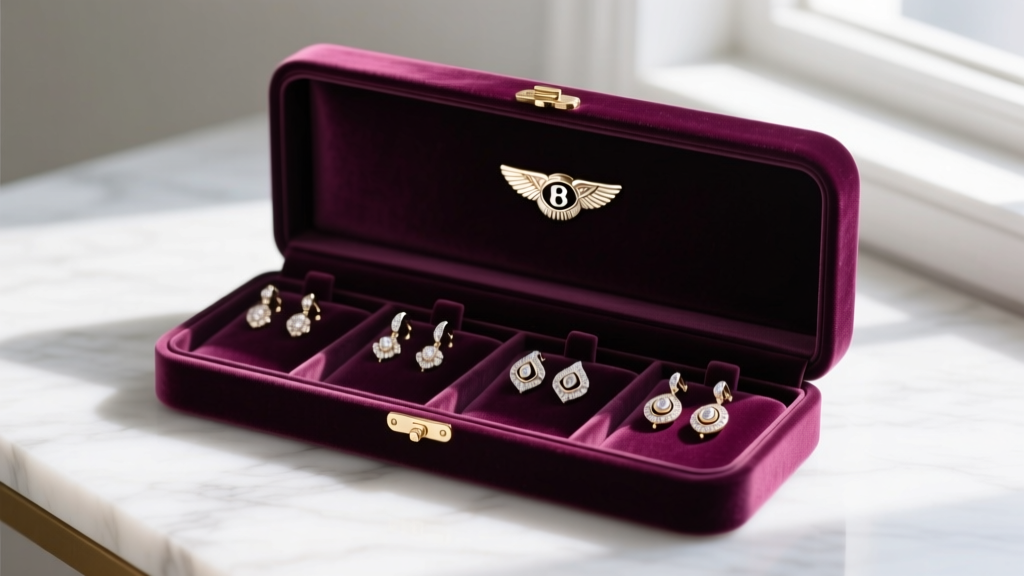
| Friction / Contact | Micro-scratches the PVD coating, dulling the mirror finish. | Keep in individual silicone-lined or soft velvet compartments; never pile together. |
Troubleshooting Common Bentley Earring Issues
Despite your best efforts, wear and tear can introduce specific issues. Here is how to troubleshoot them without causing further damage.
Cloudy or Sticky Enamel Inlays
If the colorful enamel accents on your Bentley drops look cloudy, this is usually caused by aerosolized hairspray, perfume, or body oils baking onto the surface. Do not scrape it. Instead, dip a cotton swab in 91% isopropyl alcohol and gently roll it over the enamel. The alcohol will dissolve the cosmetic buildup without harming the glass-like enamel finish. Avoid letting the alcohol pool in the metal joints, as it can degrade the adhesives over time.
Sticky or Jammed Tension Clasps
The Bentley ear cuffs and huggies often utilize a precision tension-fit hinge. Over time, dead skin cells and sebum can pack into the hinge mechanism, making it stiff or sticky. Never apply sewing machine oil or WD-40, which will attract dust and create a grinding paste. Instead, use a wooden toothpick to gently pick out the debris from the hinge barrel, then blast it with compressed air.
Bent 20-Gauge Titanium Posts
Sleeping in your earrings can easily bend a 20-gauge (0.81mm) titanium post. While titanium is incredibly strong and biocompatible—a fact supported by the American Academy of Dermatology regarding its use for sensitive ears—it is not immune to physical bending. To straighten a bent post, do not use your fingers or bare metal pliers, which will mar the surface. Wrap the jaws of a pair of flat-nose pliers in masking tape or use specialized nylon-jaw jewelry pliers to gently coax the post back to a 90-degree angle.
Expert Sourcing and Professional Servicing
While at-home maintenance will handle 95% of your care needs, the Electric Picks Bentley earrings may occasionally require professional intervention. If the PVD coating begins to wear off on high-friction areas (like the edges of the geometric drops), do not attempt to use silver polish to "buff" it. Polishing will only remove the remaining plating faster.
Instead, seek out a local jeweler who specializes in PVD re-coating or electroplating services. They can strip the remaining finish and apply a fresh layer of rhodium or gold PVD, restoring the earrings to their original factory luster. By combining this professional servicing with the meticulous at-home cleaning protocol outlined above, your Bentley earrings will remain a striking, pristine staple in your jewelry rotation for years to come.


