Queen of Hearts Earrings: 2026 Buying Guide & Style Tips
Discover our 2026 buying guide for queen of hearts earrings. Learn about enamel types, gemstone grades, gauge sizes, and pricing for every budget.

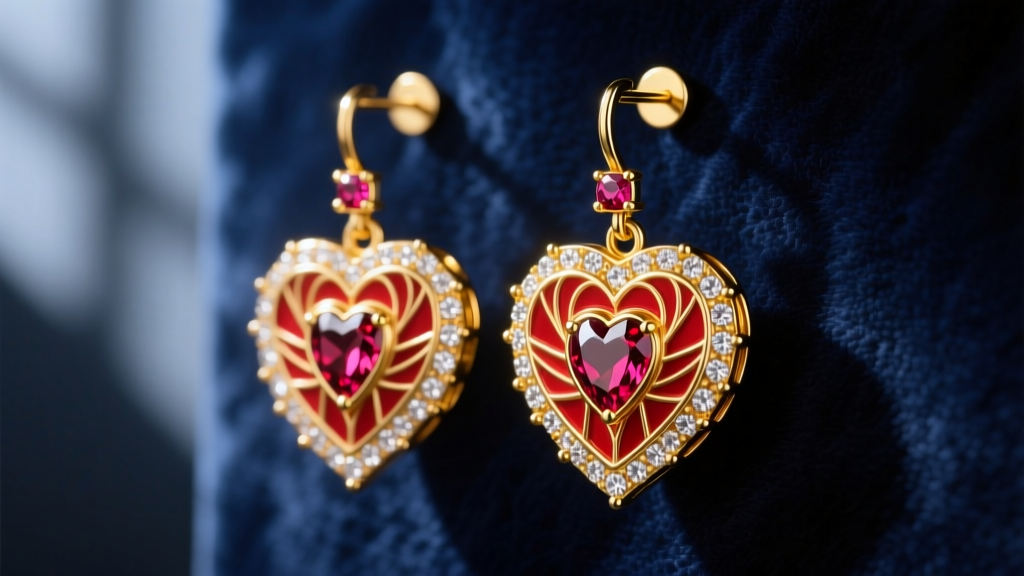
The search for the perfect 'queen of hearts earrings' has evolved far beyond simple costume jewelry or novelty playing card replicas. In 2026, this iconic motif sits at the intersection of whimsical storytelling, Tudor-inspired royal crests, and high-end artisanal craftsmanship. Whether you are drawn to the Alice in Wonderland aesthetic, the classic playing card geometry, or a romantic heart-and-crown hybrid, buying these earrings requires a keen eye for material integrity, structural security, and precise gauge sizing.
This comprehensive buying guide breaks down the exact specifications, material grades, and pricing tiers you need to know before investing in queen of hearts earrings this year.
Decoding the Motif: Three Distinct Design Categories
Before evaluating materials, you must identify which version of the motif you are purchasing, as this dictates the manufacturing technique and structural vulnerabilities.
- The Playing Card Silhouette: Characterized by sharp geometric lines, dual-tone enamel (red and black or red and white), and symmetrical heart cutouts. These are typically stamped from sheet metal and require precise cold-enamel or vitreous enamel filling.
- The Tudor Royal Crest: A heart overlaid with a crown, often featuring intricate filigree, milgrain detailing, and pavé gemstones. These are usually cast using the lost-wax method and demand high-karat gold or platinum to hold fine details.
- The Whimsical Storybook (Alice): Asymmetrical designs featuring dangling elements, miniature charms, and mixed metals. Because of the moving parts, the jump rings and solder points are the primary failure zones to inspect.
Material Deep Dive: Enamel and Gemstone Grades
The hallmark of premium queen of hearts earrings is the red element. In 2026, the market is split between advanced synthetic resins and traditional glass enamels, alongside a variety of red gemstones.
Enamel: Vitreous vs. Cold Epoxy
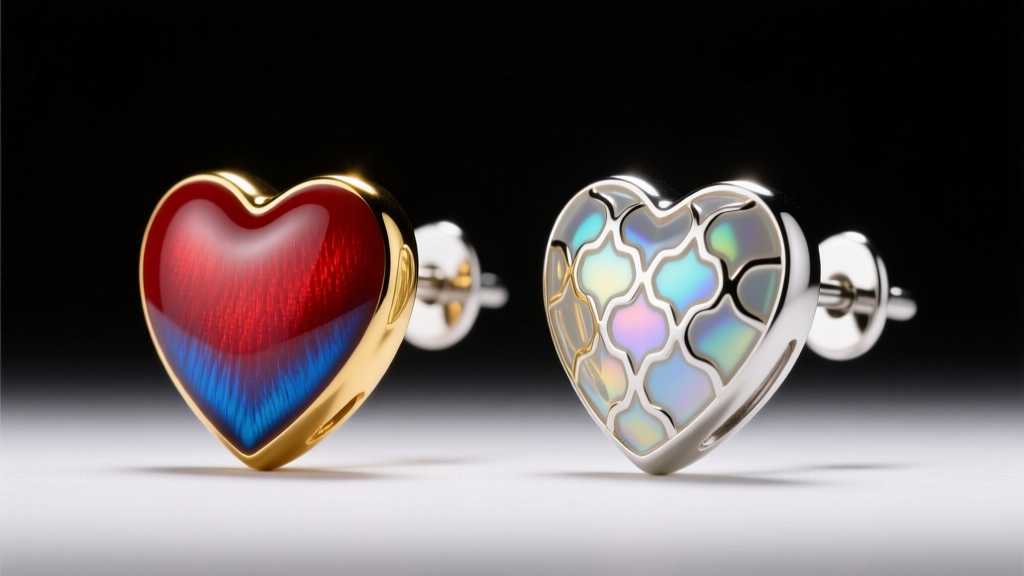
If your earrings feature opaque red surfaces, you must verify the enamel type. Vitreous enamel is made from finely ground glass fired at over 1400°F. It is highly resistant to scratching and UV fading, offering a luminous, deep red finish. However, it is brittle and can chip if dropped on tile. Cold enamel (epoxy resin) is poured and cured at room temperature. While more impact-resistant, epoxy is prone to micro-scratches and will yellow or dull after 2 to 3 years of exposure to skin oils and sunlight. Always demand vitreous enamel for fine jewelry pieces.
Red Gemstones: Ruby, Spinel, and Garnet
When the motif relies on gemstones rather than enamel, the Mohs hardness scale is your best purchasing metric. According to the Gemological Institute of America (GIA), understanding the durability of red stones is critical for earrings that may experience accidental impacts.
| Gemstone | Mohs Hardness | Cleavage / Durability | Best Earring Style | Price per Carat (Avg) |
|---|---|---|---|---|
| Burmese Ruby | 9.0 | Excellent, no true cleavage | Everyday Studs & Cartilage | $1,500 - $10,000+ |
| Red Spinel | 8.0 | Very Good, high brilliance | Dangles & Halo Settings | $200 - $2,000 |
| Rhodolite Garnet | 7.0 - 7.5 | Fair, can chip on edges | Protected Bezel Studs | $50 - $300 |
Pro-Tip: If you are buying garnet queen of hearts dangles, ensure the stones are set in a bezel or half-bezel setting. Prong-set garnets on swinging dangles are highly susceptible to edge-chipping from hair brushing and scarf snags.
The Technical Specs: Gauges, Posts, and Clasps
Aesthetic appeal means nothing if the earring is structurally unsound or causes irritation. The 'queen of hearts' motif often results in front-heavy designs, making the post gauge and clasp mechanism critical.
Gauge Sizing by Placement
Do not assume all earrings are made with standard posts. Cartilage placements require thicker, more stable jewelry to prevent migration and tearing.
- Standard Lobe (20G - 18G / 0.8mm - 1.0mm): Ideal for lightweight studs and small huggies. If the queen of hearts dangle exceeds 5 grams, an 18G post is mandatory to prevent the earring from drooping forward.
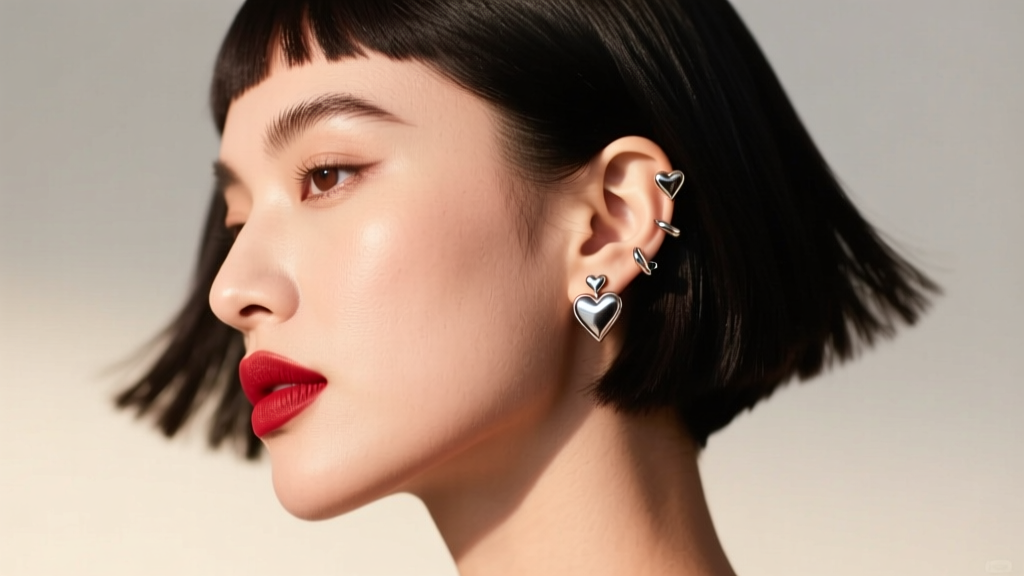
- Cartilage / Helix (16G / 1.29mm): If you are placing a queen of hearts motif in the upper ear, you need a 16G flat-back labret post. Standard 20G butterfly backs will cause pressure necrosis and irritation bumps in cartilage piercings.
Clasp Security for Heavy Motifs
For elaborate, gemstone-heavy queen of hearts dangles, standard friction push-backs are a liability. Look for La Pousette clasps (a spring-loaded, locking mechanism that clicks securely into a grooved post) or screw-backs. These ensure that a $2,000 pair of ruby and gold earrings will not slide off your earlobe unnoticed.
2026 Pricing Matrix: What Should You Pay?
Navigating the pricing of themed jewelry can be difficult, as brands often charge a 'novelty premium.' Use this matrix to determine if you are paying for actual material value or just the brand name.
- Tier 1: Fashion & Costume ($25 - $80): Expect sterling silver or brass base metals, cold epoxy enamel, and cubic zirconia or glass stones. Suitable for occasional wear, but expect the metal to tarnish and the enamel to scratch within a year.
- Tier 2: Semi-Fine Artisan ($150 - $450): Solid 14k gold vermeil or recycled sterling silver, vitreous guilloché enamel, and genuine rhodolite garnets or red spinel. This is the sweet spot for durability and luxury without the fine jewelry markup.
- Tier 3: High Fine Jewelry ($800 - $3,500+): Solid 18k gold or platinum, hand-painted miniature enamel portraits, and ethically sourced, GIA-certified rubies. These pieces are heirloom-quality and should come with a comprehensive manufacturer warranty.
Authenticity and Hallmarking
When investing in Tier 2 or Tier 3 queen of hearts earrings, always verify the metal hallmarks. The Federal Trade Commission (FTC) Jewelry Guides mandate that precious metals be accurately stamped. Look for '14K', '18K', or '925' stamped directly on the post or the back of the heart motif. If a piece claims to be solid gold but lacks a hallmark or a maker's mark, walk away.
Final Styling & Face Shape Dynamics
The visual weight of a queen of hearts earring can dramatically alter your facial proportions. For round face shapes, opt for elongated, vertical playing-card dangles that draw the eye downward and create the illusion of length. Avoid wide, circular Tudor crest huggies, which will widen the jawline. For square or angular faces, the soft curves of a Tudor heart-and-crown motif with rounded pavé edges will beautifully soften the jaw. Finally, if you wear your hair up frequently, showcase intricate enamel work and cartilage huggies; if you wear your hair down, stick to high-contrast ruby studs that will catch the light and remain visible through the movement of your hair.


