How to Clean and Maintain LCI Earrings for Lasting Brilliance
Discover expert care, cleaning, and maintenance tips for LCI earrings. Learn how to protect lab-created ice settings and restore maximum sparkle.

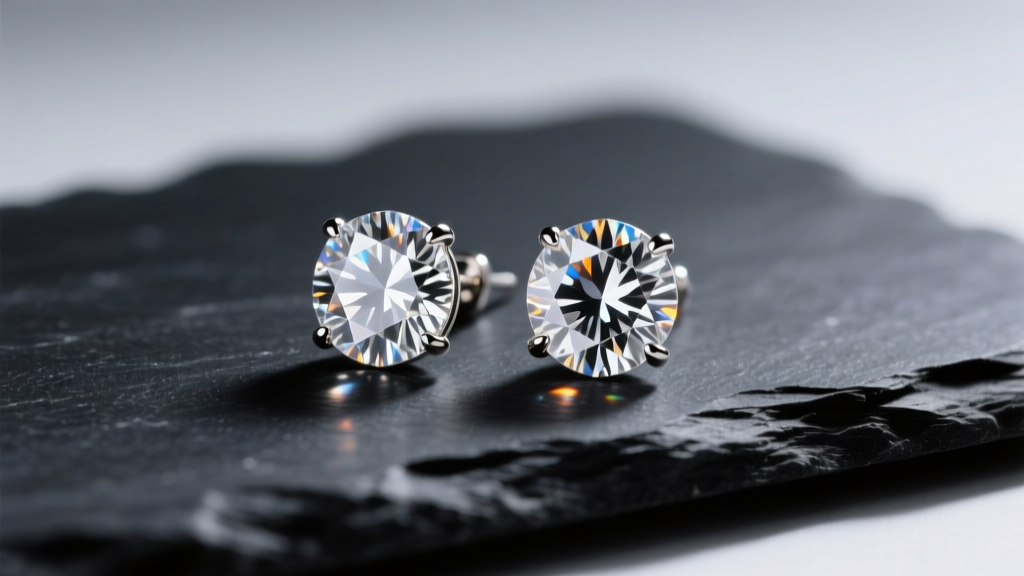
Understanding LCI Earrings and Their Unique Care Requirements
Lab-Created Ice (LCI) earrings have dominated the fine jewelry market, offering the exact chemical, physical, and optical properties of mined diamonds at a more accessible price point. However, owning a pair of high-quality LCI earrings means committing to a rigorous maintenance routine. Because lab-grown diamonds are pure crystallized carbon, they are highly oleophilic—meaning they naturally attract and hold onto oils, sebum, and cosmetic residues. In 2026, with the rise of heavier, more intricate micro-pave and tension settings in ear jewelry, understanding the specific failure modes and cleaning protocols for your LCI pieces is critical to maintaining their fire and brilliance.
The Science of Sparkle and Surface Grime
According to the Gemological Institute of America (GIA), a diamond's refractive index is what gives it its legendary sparkle. When a film of oil or lotion coats the pavilion (the bottom half) of your LCI earring, light leaks out the sides rather than reflecting back through the table (the top facet). This results in the dreaded 'cloudy' look. Unlike porous gemstones like opals or pearls, LCI stones themselves will not degrade from standard jewelry chemicals, but the alloy settings holding them can.
Material Breakdown: Posts, Settings, and Alloys
Before applying any cleaning solution, you must identify the metal alloy of your LCI earring settings and posts. The metal dictates the chemical safety of your cleaning regimen.
- 14k Gold (58.5% Pure Gold): Highly durable and standard for everyday LCI studs and hoops. The remaining 41.5% consists of copper, silver, and zinc. Avoid chlorine-based cleaners, which can cause 'stress corrosion cracking' in the copper alloys, leading to snapped earring posts.
- 18k Gold (75% Pure Gold): Softer and more prone to scratching. Often used in premium LCI drop earrings. Requires gentler brushing to avoid micro-abrasions on the polished surfaces.
- White Gold & Rhodium Plating: White gold is naturally yellowish and plated with rhodium. Harsh ultrasonic cleaning or abrasive pastes will strip this 0.75-micron plating, exposing the dull alloy beneath.
- Post Gauges: Standard lobe LCI studs typically use 20-gauge (0.81mm) or 18-gauge (1.02mm) posts. Cartilage or helix LCI pieces often require thicker 16-gauge (1.29mm) posts for structural integrity. Always check the gauge before using mechanical cleaning tools that might bend thinner posts.
The 2026 Standard: Step-by-Step Cleaning Protocol
For routine maintenance of LCI earrings, abandon the myth that toothpaste or baking soda are safe. These are highly abrasive and will scratch precious metal settings. Follow this professional-grade protocol recommended by Jewelers of America:
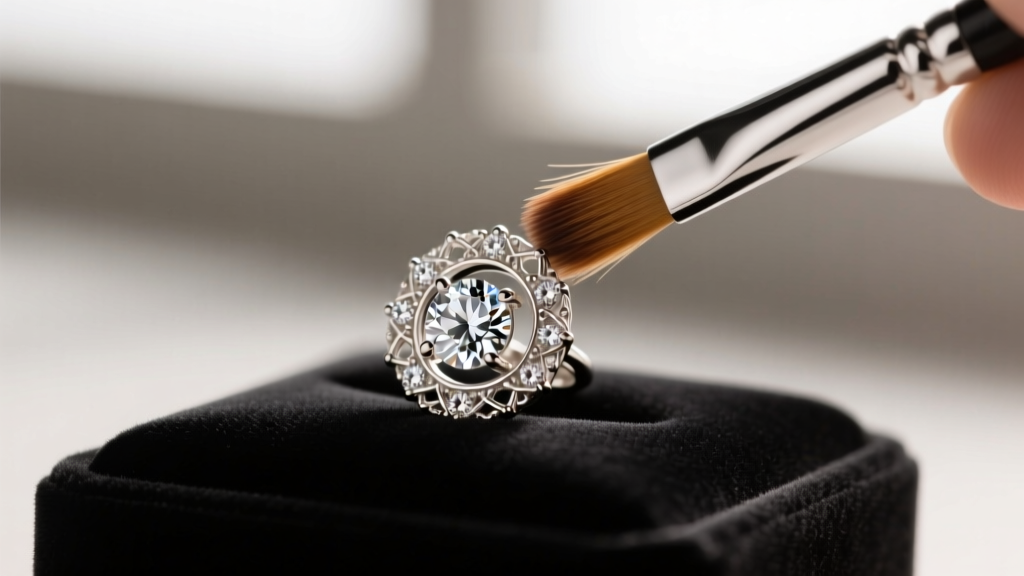
- Dry Dusting: Use a clean, dry, ultra-soft makeup brush to sweep away loose dust and dead skin cells from beneath the setting basket.
- Surfactant Soak: Mix warm water (not hot) with a few drops of mild, lotion-free dish soap (a basic degreasing surfactant). Soak the LCI earrings for 15–20 minutes to break down sebum and cosmetic bonds.
- Gentle Agitation: Using a baby toothbrush or a specialized jewelry brush with ultra-soft bristles, gently sweep the bristles across the table of the stone and carefully under the pavilion. Never scrub the prongs directly, as this can lift them over time.
- Rinsing: Rinse thoroughly under lukewarm running water. Crucial: Always place a silicone stopper in your sink drain to prevent catastrophic loss.
- Drying: Pat dry with a lint-free microfiber cloth. Avoid paper towels, as the wood pulp fibers can micro-scratch high-polish gold and leave lint trapped in the prongs.
A Warning on Ultrasonic Cleaners
While 40kHz ultrasonic cleaners are fantastic for solid solitaire LCI studs, they are incredibly dangerous for micro-pave LCI hoops or cluster earrings. The high-frequency vibrations can easily shake loose the tiny melee stones if the microscopic prongs have experienced even slight wear.
Maintenance Matrix: LCI vs. Alternative Stones
Understanding how LCI (Lab-Created Diamonds) compares to other popular earring stones helps tailor your long-term care expectations.
| Stone Type | Mohs Hardness | Oil Retention | Ultrasonic Safe? | Recommended Cleaning Frequency |
|---|---|---|---|---|
| LCI (Lab Diamond) | 10 | High (Oleophilic) | Yes (Solitaires only) | Weekly |
| Moissanite | 9.25 | Moderate | Yes | Bi-Weekly |
| Cubic Zirconia (CZ) | 8 - 8.5 | Very High | No (Causes clouding) | Weekly (Mild soap only) |
| White Sapphire | 9 | Moderate | Yes | Bi-Weekly |
Troubleshooting Common LCI Earring Issues
Even with meticulous care, everyday wear introduces specific mechanical and environmental challenges. Here is how to troubleshoot the most common complaints:
- Issue: The LCI stone looks permanently cloudy or milky.
Diagnosis: This is rarely internal damage. It is almost always a buildup of hard water spots or soap scum trapped under the gallery (the metal basket holding the stone). Solution: Soak in a 50/50 mixture of distilled white vinegar and water for 10 minutes, then brush gently. (Do not do this if your setting includes porous accent stones like pearls or emeralds). - Issue: The earring post feels tight or painful when inserting.
Diagnosis: Micro-bends in the post or buildup of oxidized skin cells on the metal. Solution: Wipe the post with a cotton swab dipped in rubbing alcohol to sanitize and dissolve debris. If the post is bent, do not bend it back yourself; take it to a jeweler to avoid metal fatigue and snapping. - Issue: The earring catches on hair or sweaters.
Diagnosis: A lifted or worn prong. Solution: Stop wearing the earring immediately. A lifted prong means the LCI stone is at imminent risk of falling out. A jeweler can re-tighten or re-tip the prong in minutes.
Professional Servicing and Storage Best Practices
To maximize the lifespan of your LCI earrings, implement a strict storage and servicing routine. Never toss your earrings into a communal jewelry box where diamonds can scratch adjacent gold or softer gemstones (remember, diamonds are a 10 on the Mohs scale and will easily gouge 18k gold).
Pro-Tip from the Bench: Store your LCI earrings in individual, soft-flocked compartments or anti-tarnish ziplock bags with a small packet of silica gel to control ambient humidity. For white gold settings, plan to have the rhodium plating professionally reapplied every 18 to 24 months to maintain that brilliant, icy white finish.
By treating your LCI earrings with the technical respect they deserve, you ensure that their optical performance and structural integrity remain flawless for decades. Consistent, gentle cleaning and mindful storage are the true secrets to keeping your lab-created ice looking indistinguishable from the day you first unboxed them.


