Expert Care & Cleaning Tips for Pearl Cluster Earrings
Learn how to safely clean, store, and maintain pearl cluster earrings. Expert tips on adhesives, nacre protection, and preventing metal tarnish.

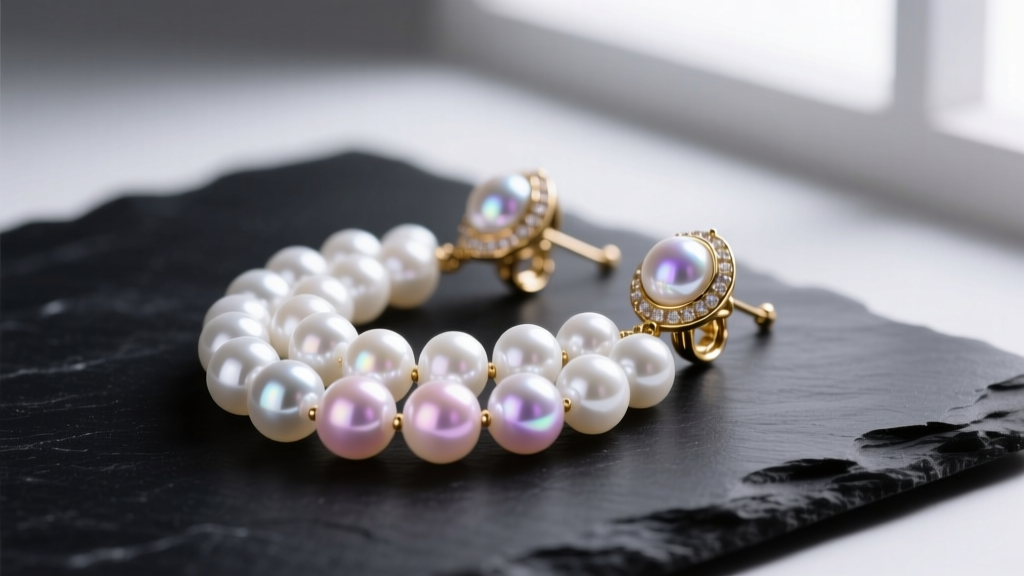
Pearl cluster earrings are a stunning, textured alternative to traditional single-stone studs. By grouping multiple smaller pearls—often ranging from 3mm to 6mm in diameter—jewelers create a floral, geometric, or organic silhouette that catches the light beautifully. However, this intricate design introduces unique maintenance challenges. Unlike a simple pearl stud, a cluster design features multiple points of adhesion, tight crevices between the gems, and a larger metal backing that can trap moisture, oils, and environmental pollutants.
If you own a pair of these exquisite pieces, standard jewelry cleaning methods can actually cause irreversible damage. Below is a comprehensive, expert-level guide to cleaning, maintaining, and storing pearl cluster earrings to ensure their nacre remains luminous and their settings secure for decades.
The Unique Vulnerability of Pearl Cluster Designs
To understand how to care for pearl cluster earrings, you must first understand their anatomy. Most cluster earrings are constructed using a metal base (often sterling silver or gold vermeil) with individual pearls glued into small metal cups or directly onto a flat backing.
This construction creates two major vulnerabilities:
- Adhesive Degradation: The jeweler's epoxy or resin used to secure the pearls is highly sensitive to prolonged moisture and harsh chemicals. When water gets trapped between the tightly packed pearls, it can slowly break down the adhesive bond, leading to lost stones.
- Nacre Dehydration and Acid Damage: Pearls are organic gemstones composed of calcium carbonate and conchiolin. With a Mohs hardness of just 2.5 to 4.5, they are easily scratched. Furthermore, the natural acids in human sweat, combined with trapped humidity in the cluster's crevices, can etch the nacre, causing it to lose its signature orient and luster.
Step-by-Step Cleaning Protocol for Pearl Clusters
Never use ultrasonic cleaners, steamers, or commercial jewelry dips on pearl cluster earrings. The high-frequency vibrations of an ultrasonic cleaner will shatter the pearls or instantly detach them from their settings, while the ammonia in commercial dips will strip the nacre's outer layers.
What You Will Need
- Distilled water (never tap water, which contains chlorine and heavy minerals)
- Mild, phosphate-free liquid castile soap
- Two ultra-soft microfiber cloths
- A clean, soft-bristled makeup blending brush (avoid toothbrushes, as even "soft" bristles can micro-scratch pearl nacre over time)
- Cotton swabs
The Wipe-Down Method
Follow these precise steps after every few wears to maintain your earrings without compromising the adhesive:
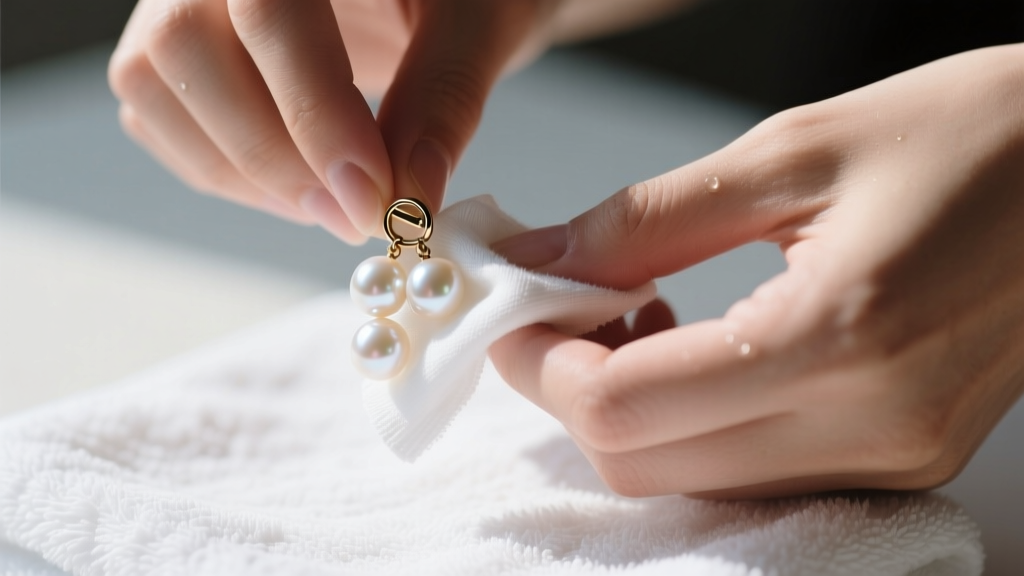
- Mix the Solution: Combine one cup of lukewarm distilled water with a single drop of castile soap. Do not use hot water, as extreme temperature changes can cause the pearls to expand and contract, cracking the nacre or breaking the glue seal.
- Dampen, Don't Soak: Lightly dampen your soft makeup brush in the solution. Tap off the excess moisture. You want the brush to be barely damp, not dripping.
- Gently Agitate: Lightly sweep the damp brush over the surface of the pearls and into the tight crevices of the cluster. This lifts trapped sebum, dead skin cells, and cosmetic residue without forcing water deep into the adhesive layer.
- Detail the Metal: Use a cotton swab lightly dampened with the solution to clean the metal backing and the post, keeping the swab away from the pearl bases.
- Immediate Drying: Immediately pat the earrings dry with a clean microfiber cloth. Allow them to air-dry completely on a towel in a well-ventilated room for at least two hours before storing them.
Protecting the Adhesive and Metal Settings
The longevity of your pearl cluster earrings depends heavily on the type of adhesive the jeweler used and how you treat the metal components. According to the Gemological Institute of America (GIA), pearls require a delicate touch, especially when mounted in complex settings.
Understanding Pearl Adhesives
Not all glues are created equal. Here is a breakdown of common adhesives used in pearl cluster earrings and their maintenance requirements:
| Adhesive Type | Water Tolerance | Chemical Tolerance | Maintenance Note |
|---|---|---|---|
| Two-Part Epoxy (e.g., Devcon) | Moderate | Low (Avoid Alcohol) | Industry standard. Avoid submerging; wipe clean only. |
| Cyanoacrylate (Super Glue) | Low | Very Low | Becomes brittle over time. Keep strictly dry. Avoid all solvents. |
| UV-Cured Resin | High | Moderate | More flexible, but prolonged UV exposure (sunlight) can yellow the resin. |
| Silicone-Based Gem Tac | Moderate | Low | Remains slightly flexible. Avoid pulling on pearls when cleaning. |
Tackling Metal Tarnish Safely
If the sterling silver base of your cluster earrings begins to tarnish, you must remove the oxidation without touching the pearls. Sulfur-based tarnish removers will permanently stain and dull calcium carbonate. Apply a tiny amount of specialized silver polish (like Wright’s Silver Cream) to a cotton swab. Carefully trace the exposed metal backing and the earring post. If any polish accidentally touches a pearl, wipe it off immediately with a damp cloth. Never use abrasive polishing cloths directly on the cluster, as they will snag on the pearls and potentially pull them from their settings.
Daily Wear Habits and Environmental Hazards
Preventative care is vastly superior to reactive cleaning. Because pearls are porous, they act like tiny sponges for airborne chemicals. The experts at Pearl Paradise emphasize that everyday cosmetics are the number one enemy of pearl jewelry.
The "Last On, First Off" Rule
Always put your pearl cluster earrings on after you have applied hairspray, perfume, lotions, and makeup. Aerosolized hairspray is particularly destructive; it coats the pearls in a microscopic layer of polymers that dulls their luster and is incredibly difficult to remove from the tight gaps of a cluster design without soaking the piece. When you return home, take your earrings off before removing your makeup or washing your face.
Avoiding Acidic Environments
Perspiration is highly acidic. If you are wearing pearl cluster earrings during a hot outdoor event or while dancing, the sweat will pool in the metal cups behind the pearls. This acid eats away at the nacre from the bottom up, a phenomenon known as "pearl sweating," which eventually causes the pearl to flake or detach entirely. Always wipe the backs of the clusters with a dry, soft cloth immediately after taking them off on a warm day.
Proper Storage: Hydration and Protection
How you store your pearl cluster earrings is just as critical as how you clean them. Pearls contain a small amount of water within their crystalline structure. If they are stored in an overly dry environment, they can dehydrate, leading to microscopic cracking and a chalky appearance.
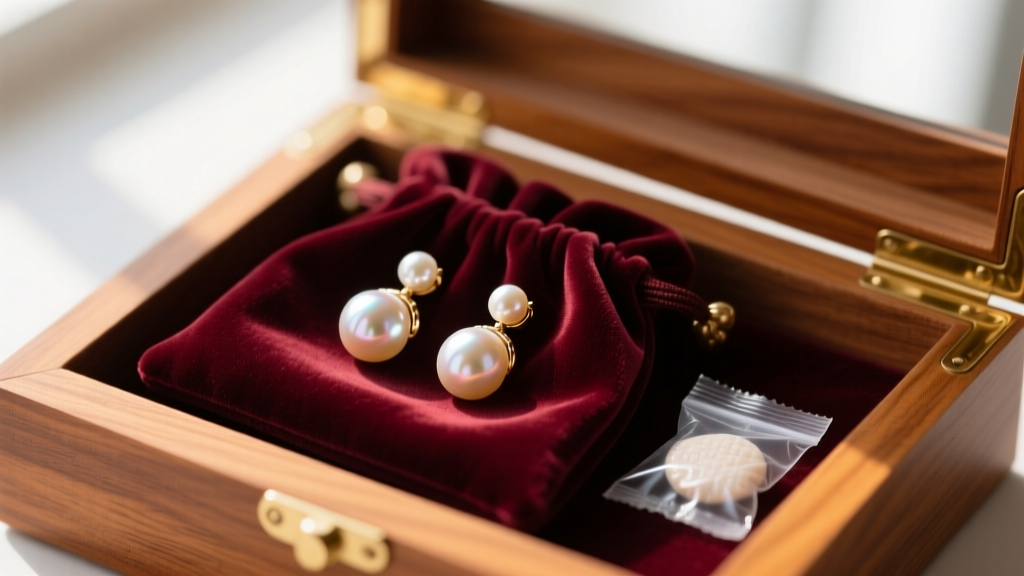
- Ditch the Plastic: Never store pearls in sealed plastic ziplock bags. Plastic traps harmful off-gassing chemicals and creates an environment that dehydrates the nacre.
- Use Breathable Fabrics: Store your earrings in a soft, untreated cotton or velvet pouch. This protects the pearls from being scratched by harder gemstones (like diamonds or sapphires) in your jewelry box while allowing them to "breathe" and absorb necessary ambient humidity.
- Lay Them Flat: While pearl necklaces should be laid flat to prevent silk stretching, pearl cluster earrings should also be stored flat or in a dedicated compartment. Hanging them can put uneven stress on the earring posts and the adhesive joints over time.
When to See a Professional Jeweler
Even with meticulous care, the adhesive in pearl cluster earrings will naturally degrade over a period of 5 to 15 years. Do not attempt to re-glue a loose pearl yourself using household super glue; cyanoacrylate emits fumes as it cures that will leave a permanent, cloudy white frost on the surrounding pearls.
Take your earrings to a professional bench jeweler if you notice:
- A visible gap or "lift" between the base of a pearl and the metal cup.
- A clicking sound when you gently tap the cluster (indicating a detached stone resting inside the setting).
- Discoloration or a chalky, matte patch on the nacre that does not improve with a gentle microfiber buffing.
Expert Insight: A professional jeweler will safely remove the loose pearl using a specialized solvent, clean the metal cup of old resin, and re-set the stone using a high-quality, jewelry-grade two-part epoxy that won't damage the nacre or leave visible residue.
By respecting the organic nature of pearls and the mechanical realities of cluster settings, you can ensure your earrings remain a brilliant, textured staple in your collection for a lifetime.


