Kite Earrings: Material Properties, Gem Cuts, and Metal Durability
Discover how material properties impact kite earrings. Compare gemstone durability, metal alloys for V-prongs, and structural fixes for lobe droop.

The Geometry of Kite Earrings: Why Material Choice Dictates Longevity
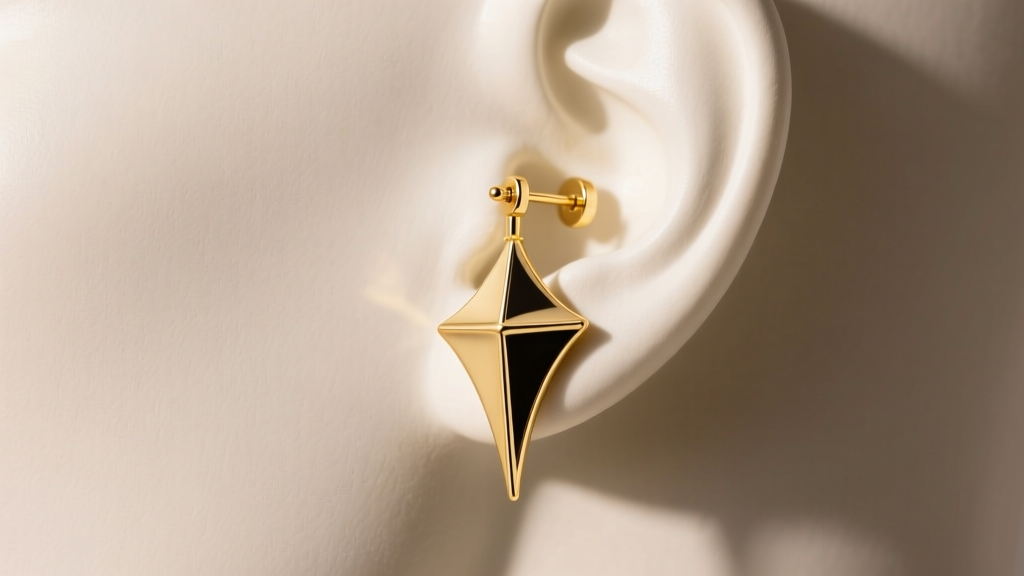
The kite earring silhouette—characterized by an elongated, four-sided geometric shape with two acute and two obtuse angles—has become a staple in modern fine jewelry. However, the striking visual appeal of the kite cut introduces unique structural vulnerabilities. Unlike round or oval cuts that distribute kinetic energy evenly, the sharp apexes of a kite shape act as focal points for impact stress. When selecting kite earrings, understanding the interplay between gemstone cleavage planes, metal tensile strength, and center-of-gravity mechanics is not just academic; it is essential for preventing catastrophic material failure.
In this comprehensive material guide, we dissect the specific metallurgical and gemological properties required to make kite earrings durable, comfortable, and structurally sound for daily wear.
Gemstone Materials: Cleavage Planes and Point Vulnerability
The kite cut is essentially a modified rhombus or elongated hexagon, typically cut in a length-to-width ratio between 1.5:1 and 2.0:1. This elongation forces the cutter to create extremely sharp points at the northern and southern apexes. The material you choose for the center stone will dictate how well those points survive daily wear.
Diamonds: The Cleavage Paradox
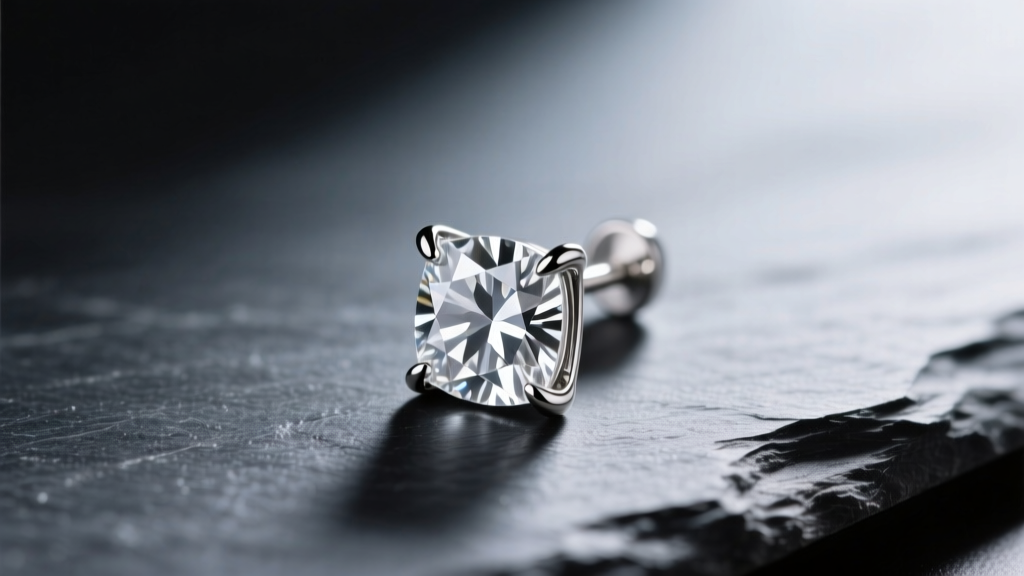
While diamonds rank a 10 on the Mohs scale of hardness, they possess distinct octahedral cleavage planes. According to the Gemological Institute of America (GIA), a sharp blow to the acute point of a kite-cut diamond can cause the stone to cleave or chip along these internal planes. If a kite diamond is set with standard round prongs, the exposed tips are highly susceptible to chipping against steering wheels, desks, or door frames.
Sapphires and Corundum: Superior Apex Durability
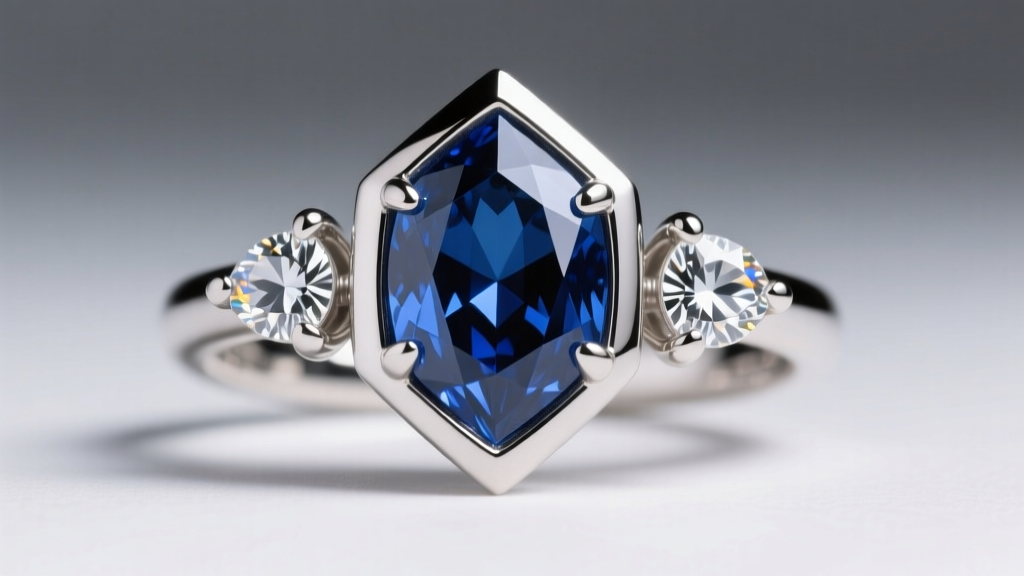
Corundum (sapphire) ranks a 9 on the Mohs scale but, crucially, lacks true cleavage. As noted in the GIA Sapphire Encyclopedia, sapphires exhibit a conchoidal to uneven fracture. This means that while a sapphire can still chip if subjected to extreme force, it is far less likely to split cleanly at the sharp kite tips compared to a diamond. For individuals with active lifestyles, a kite-cut sapphire offers superior structural forgiveness at the apexes.
Moissanite: Toughness and Refractive Challenges
Lab-created moissanite (Mohs 9.25) is exceptionally tough and lacks the cleavage vulnerabilities of diamond. However, because moissanite is doubly refractive, cutting it into an elongated kite shape can result in a "windowed" center (where light leaks out the bottom) if the pavilion angles are not precisely calibrated. When sourcing kite moissanite, prioritize stones with a deeper pavilion to maintain brilliance across the elongated table.
Metal Alloys for Geometric Frames: Tensile Strength vs. Malleability
The setting style for kite earrings is non-negotiable: you must use either a full bezel or specialized V-prongs at the acute tips. The metal alloy chosen for these settings must possess the correct yield strength to hold the sharp geometry without bending out of shape.
- Platinum (950/50 Ru): Platinum alloyed with Ruthenium is the gold standard for kite settings. It has high tensile strength and does not suffer from metal fatigue or work-hardening brittleness. When a platinum V-prong is pushed over the sharp tip of a kite stone, it holds securely and will not snap off over time.
- 14k Gold (58.5% Pure): Because 14k gold contains a higher percentage of alloying metals (like copper, silver, and zinc) than 18k gold, it is physically harder and more rigid. This makes 14k gold an excellent choice for thin, geometric bezel frames that need to resist bending when the earring is bumped.
- 18k Gold (75% Pure): While prized for its rich color, 18k gold is softer and more malleable. If used for a kite earring, the bezel or V-prongs must be cast slightly thicker to compensate for the lower yield strength, which can obscure the sharp, clean lines of the kite silhouette.
- Titanium (Grade 5): Increasingly popular in 2026 for avant-garde jewelry, Grade 5 titanium is incredibly lightweight and strong. However, it is nearly impossible to resize or re-tip if a prong wears down. Titanium is best reserved for bezel-set kite earrings where the metal completely encapsulates the stone.
The Center of Gravity Problem: Post Gauges and Ear Wire Mechanics
One of the most frequent complaints regarding elongated kite stud earrings is "forward droop." Because the kite shape extends significantly below the earlobe's piercing axis, the center of gravity pulls the top of the earring away from the ear. This is exacerbated by the weight of the metal basket and the gemstone.
Solving the Droop with Gauge Thickness
Standard earring posts are typically 0.8mm (20-gauge) or 0.9mm (18-gauge). For a kite earring that extends more than 15mm from the piercing hole, these standard gauges are insufficient to support the leverage created by the elongated shape.
The Expert Fix: Opt for kite earrings featuring a reinforced 1.0mm (approx. 16-gauge) post. The increased cross-sectional area provides the rigidity needed to keep the earring standing flush against the lobe. Alternatively, look for designs that incorporate a "jacket" or a wider decorative backing plate that sits behind the earlobe, distributing the weight across a larger surface area and acting as a physical counter-lever.
Material Matrix: Performance and Pricing Tiers
Below is a comparative breakdown of common material combinations used in kite earrings, evaluating their structural integrity, maintenance requirements, and approximate market pricing for a matched pair (assuming 1.50 total carat weight for the center stones).
| Gemstone | Metal & Setting | Apex Durability | Maintenance Level | Estimated Price Range |
|---|---|---|---|---|
| Natural Diamond | Platinum with V-Prongs | Moderate (Cleavage risk) | High (Annual prong checks) | $4,500 - $8,000+ |
| Blue Sapphire | 14k White Gold Bezel | High (No cleavage) | Low (Bezel protects tips) | $2,800 - $5,500 |
| Lab Moissanite | 18k Yellow Gold V-Prongs | Very High | Moderate (Softer gold) | $1,200 - $2,500 |
| Lab Diamond | Titanium Full Bezel | High (Encapsulated) | Very Low | $1,500 - $3,000 |
Expert Verdict: Matching Your Lifestyle to the Right Kite Earring
The kite earring is a triumph of geometric jewelry design, but it demands respect for material science. If you work in a clinical environment or frequently type on mechanical keyboards where your hands brush your earlobes, avoid exposed-tip diamond kites. Instead, choose a bezel-set kite sapphire in 14k gold. The bezel eliminates the snagging hazard, the sapphire resists apex chipping, and the 14k gold provides the rigidity needed to maintain the sharp geometric frame.
Conversely, if you prioritize maximum light return and are willing to commit to bi-annual jeweler inspections, a platinum-set kite diamond with custom V-prongs remains the pinnacle of luxury. Ensure the post is upgraded to 1.0mm to prevent the dreaded forward droop, ensuring your kite earrings sit perfectly flush and frame your face exactly as the designer intended.
Pro-Tip for Cleaning: Never use ultrasonic cleaners for kite earrings with fragile V-prongs. The high-frequency vibrations can loosen the tension on the acute tips. Instead, use a soft-bristled baby toothbrush and a mild degreasing solution, brushing gently from the center of the table outward toward the points to avoid catching the bristles on the prong tips.


