Expert Care and Cleaning Guide for Pink Ice Earrings
Learn how to safely clean and maintain pink ice earrings. Expert tips on removing tarnish, restoring sparkle, and protecting pavé gemstone settings.

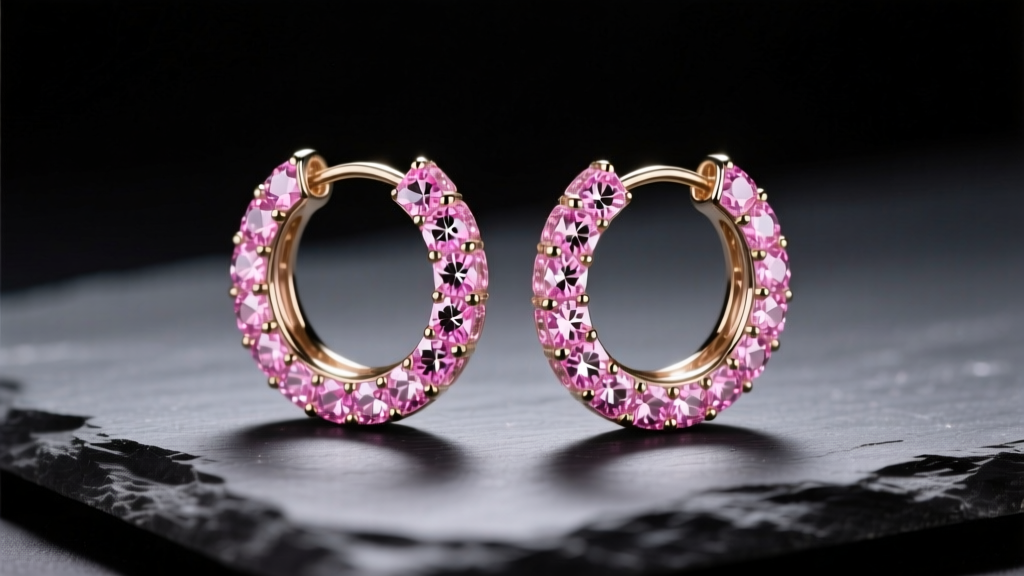
When you invest in a pair of pink ice earrings, you are purchasing a piece of jewelry designed to maximize light return and brilliance. The term 'pink ice' typically refers to pavé-set or clustered pink gemstones—most commonly pink cubic zirconia (CZ), pink sapphires, or pink spinel—arranged to mimic the continuous, icy sparkle of high-carat diamonds. However, the very architecture that gives these earrings their breathtaking fire makes them uniquely susceptible to dullness, cosmetic buildup, and micro-prong damage.
Maintaining the refractive brilliance of your pink ice earrings requires more than a quick wipe with a cloth. It demands an understanding of gemstone hardness, metal alloy reactivity, and the mechanical vulnerabilities of pavé settings. In this comprehensive 2026 care guide, we break down the exact protocols for cleaning, storing, and troubleshooting your pink ice earrings to ensure they retain their showroom sparkle for decades.
Material Breakdown and the Science of 'Ice'
Before applying any cleaning solution to your earrings, you must identify the exact gemstone and metal composition. The 'ice' effect relies entirely on light entering the top of the stone, bouncing off the pavilion facets, and returning to the eye. When microscopic layers of sebum, dead skin cells, and lotion coat the pavilion (the bottom of the stone), the refractive index drops dramatically, causing the 'ice' to look cloudy and gray.
Different pink gemstones react differently to cleaning agents and mechanical stress. According to the Gemological Institute of America (GIA), understanding the Mohs hardness scale and gemstone treatments is critical before submerging your jewelry in any solution.
| Gemstone Material | Mohs Hardness | Ultrasonic Safety | Chemical Sensitivity |
|---|---|---|---|
| Pink Cubic Zirconia (CZ) | 8.0 - 8.5 | Safe (but risky for pavé prongs) | Highly resistant; avoid harsh abrasives |
| Pink Sapphire | 9.0 | Safe (unless fracture-filled) | Vulnerable to ammonia if fracture-filled |
| Pink Spinel | 7.5 - 8.0 | Generally Safe | Resistant to most mild acids |
| Pink Tourmaline | 7.0 - 7.5 | Unsafe (vibration causes fractures) | Sensitive to heat and harsh chemicals |
The Daily Wear Protocol: Preventing Cloudiness
The most effective cleaning method is preventative maintenance. Pink ice earrings, particularly those with intricate halo or pavé designs, act as microscopic nets for environmental debris.
The 'Last On, First Off' Rule
Always put your pink ice earrings on after applying makeup, hairspray, perfume, and skincare products. Aerosolized hairspray and setting powders contain polymers that bond to the faceted edges of CZ and sapphires, creating a film that is notoriously difficult to remove with simple soap and water. Conversely, take them off first when you begin your evening skincare routine to prevent heavy night creams from packing into the tiny gaps between the pavé stones.
Environmental Hazards
- Chlorine: Never wear your earrings in swimming pools or hot tubs. Chlorine attacks the copper and zinc alloys in both sterling silver and 14k/18k white gold, leading to structural weakening and severe discoloration.
- Sulfur: If your pink ice is set in sterling silver, exposure to sulfur (found in hard-boiled eggs, certain air pollutants, and hot springs) will rapidly accelerate silver sulfide tarnish, turning the metal black.
- Gym Environments: Sweat is mildly acidic and contains salts that can degrade the rhodium plating on white gold settings over time.
Step-by-Step Deep Cleaning Routine
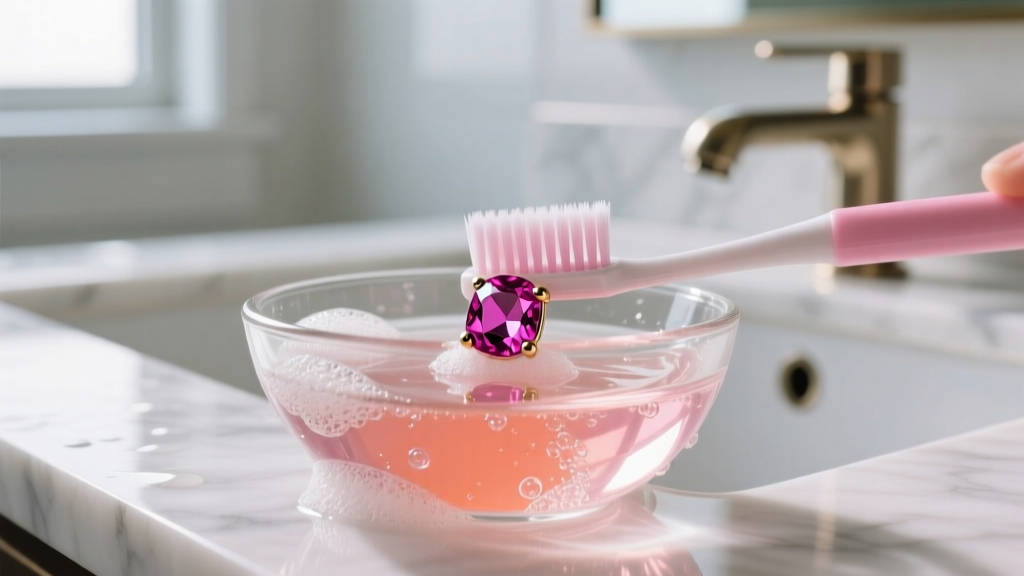
For routine maintenance (every 2 to 3 weeks), a gentle deep clean will restore the optical clarity of your pink ice stones. Jewelers of America recommends using mild, non-detergent soaps to avoid leaving a secondary film on the gemstones.
Tools Required
- 1 cup of lukewarm distilled water (tap water contains minerals that can leave hard water spots)
- 2 drops of mild, lotion-free dish soap (e.g., original blue Dawn)
- An ultra-soft baby toothbrush (bristle diameter of 0.1mm or less to avoid bending micro-prongs)
- A lint-free microfiber jewelry cloth
The Process
- Prepare the Bath: Mix the distilled water and dish soap in a small glass bowl. Ensure the water is lukewarm, never hot, as sudden temperature changes can shock certain gemstones.
- Soak: Submerge the pink ice earrings for exactly 10 to 15 minutes. This allows the surfactants in the soap to break down the lipid bonds of skin oils trapped under the pavé stones.
- Agitate Gently: Using the baby toothbrush, gently brush the earrings. Focus on the back of the settings (the pavilion) where the majority of oil accumulates. Use a sweeping motion away from the prongs to avoid lifting them.
- Rinse: Rinse thoroughly under a gentle stream of lukewarm distilled water. Ensure the drain is securely plugged.
- Dry: Pat dry with the microfiber cloth. Use a hairdryer on the 'cool' setting to blow out any remaining water droplets trapped between the tiny stones.
Metal Care: Sterling Silver vs. White Gold
The metal holding your pink ice requires its own specific maintenance protocol. The two most common bases for pink ice earrings are sterling silver and white gold, and they age very differently.
Sterling Silver (925)
Sterling silver is an alloy containing 92.5% pure silver and 7.5% copper. The copper is what causes tarnish. If your silver setting has developed a yellowish or blackish tint, you will need a dedicated silver polishing cloth infused with anti-tarnish agents. Never use liquid silver dips on pavé settings, as the harsh thiourea chemicals can become trapped under the stones and cause long-term corrosion of the prongs.
White Gold (14k or 18k)
White gold does not tarnish, but it is plated with a microscopic layer of rhodium to give it a bright, icy white finish. Over time, friction and skin acids wear this plating away, revealing the naturally yellowish-white gold alloy underneath. If the metal around your pink ice starts looking brassy or dull, it is time for a professional rhodium replating, which typically costs between $45 and $85.
The Danger Zone: Ultrasonics and Chemicals
While ultrasonic cleaners are fantastic for solid diamond solitaires, they are the leading cause of stone loss in pavé and cluster settings.
Expert Warning: Ultrasonic cleaners operate using high-frequency sound waves (typically 20-40 kHz) that create microscopic cavitation bubbles in the liquid. While this blasts away dirt, the intense vibrations can easily fatigue the delicate micro-prongs holding 1mm to 2mm pink 'ice' stones. Furthermore, if your pink sapphires have been fracture-filled with lead glass to improve clarity, the ultrasonic waves and the ammonia-based solutions often used in these machines will dissolve the filler, permanently ruining the stone.
Similarly, avoid bleach, acetone, and chlorine. Acetone (nail polish remover) will not damage the gemstones or the gold, but it can dissolve the adhesives used in some cheaper cluster settings where stones are glued rather than prong-set.
Long-Term Maintenance and Professional Servicing
Even with meticulous at-home care, mechanical wear and tear is inevitable. To protect your investment, integrate professional servicing into your annual routine.
Prong Tightening and Inspection
Every 12 months, take your pink ice earrings to a certified bench jeweler for a microscopic inspection. The jeweler will use a 10x loupe to check for lifted prongs, worn gallery wires, and loose butterfly backs or screw-backs. Standard lobe earrings are typically 20-gauge (0.81mm) or 18-gauge (1.02mm), while cartilage 'ice' studs might be 16-gauge (1.29mm). Ensuring the post and backing mechanism are secure prevents the catastrophic loss of the entire earring.
Proper Storage Protocols
How you store your earrings is just as important as how you clean them. Pink CZ and sapphires are hard enough to scratch softer jewelry, but the metal settings can still be scuffed.
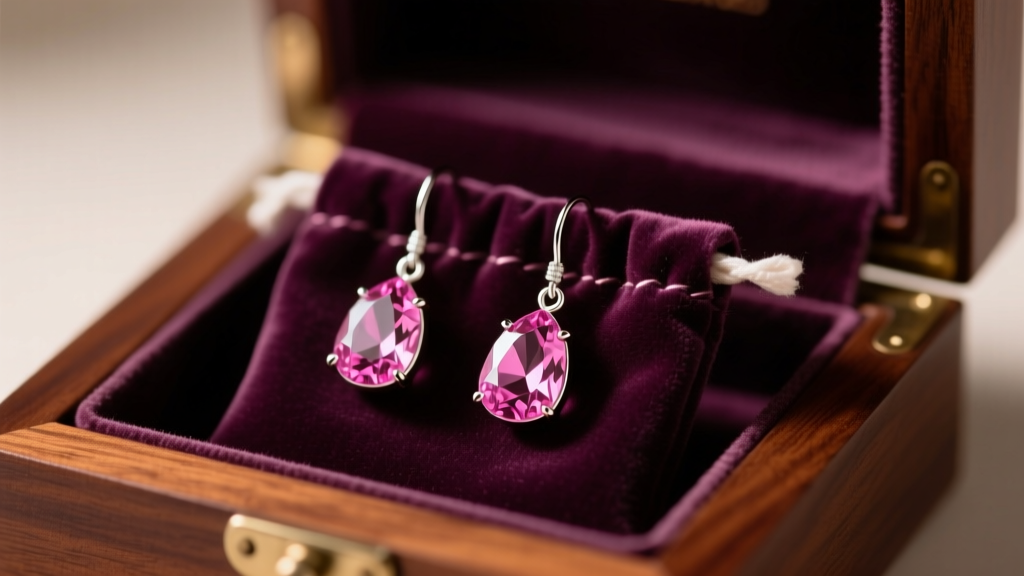
- Individual Compartments: Store each pair in its own soft pouch or individual velvet compartment to prevent the pavé stones from scratching against other pieces.
- Anti-Tarnish Strips: If your earrings are set in sterling silver, place a 3M anti-tarnish strip inside the jewelry box drawer. These strips absorb airborne sulfur compounds before they can react with the copper in the silver alloy.
- Climate Control: Avoid storing jewelry in high-humidity environments like bathroom vanity drawers. Opt for a bedroom dresser where the ambient humidity is stable.
Troubleshooting Common Issues
Persistent Cloudiness After Cleaning
If your pink ice earrings still look cloudy after a thorough soap-and-water soak, the buildup may be hardened cosmetic polymers or hard water scale. Create a targeted paste using baking soda and a few drops of distilled water. Apply it only to the metal setting using a cotton swab, avoiding the gemstones, to gently lift stubborn tarnish without scratching the stones.
Snagging on Clothing
If your pavé earrings frequently catch on silk blouses or knit sweaters, a micro-prong has likely lifted. Stop wearing the earring immediately. Continued wear will cause the prong to snap entirely, resulting in a lost stone. A jeweler can re-tip or burnish the prong back into place in under ten minutes for a nominal fee.
By treating your pink ice earrings with the technical respect their intricate settings demand, you ensure that their brilliant, fiery sparkle remains as captivating as the day you first put them on.


