Expert Care & Cleaning Tips for Red Chandelier Earrings
Learn expert care, cleaning, and maintenance tips for red chandelier earrings. Protect gemstones, enamel, and intricate metalwork from damage.

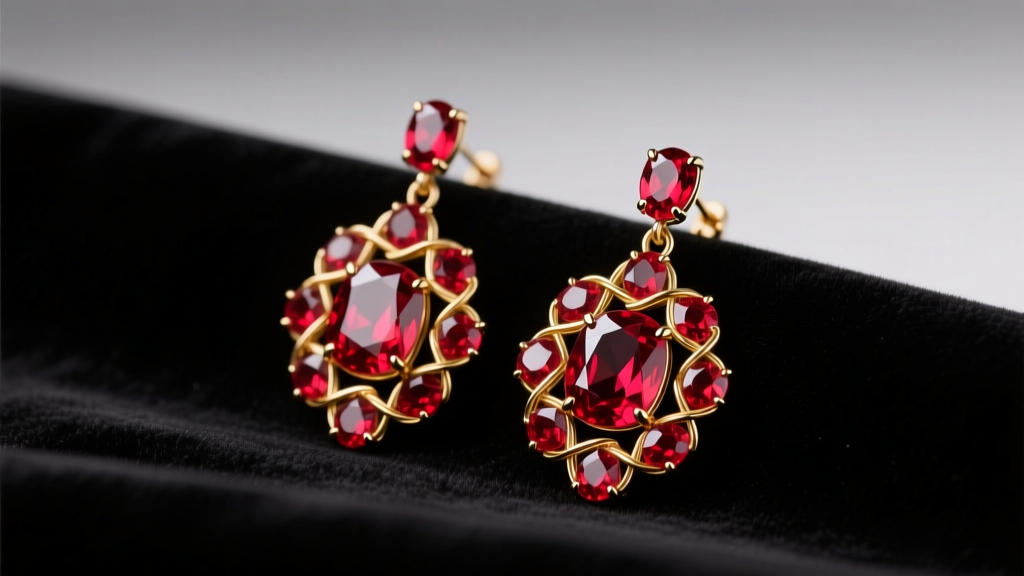
The Anatomy of Chandelier Earrings: Understanding Wear Points
Red chandelier earrings are essentially kinetic sculptures for your ears. Unlike simple studs or huggies, chandelier styles feature multi-tiered drops, intricate filigree, and numerous connection points. This constant movement creates unique maintenance challenges. The kinetic energy transferred through the ear wire to the primary jump rings, and down through the cascading tiers, leads to metal fatigue over time. When you combine this structural complexity with the specific vulnerabilities of red colorants—whether natural gemstones, treated stones, or delicate vitreous enamel—you must adopt a highly specialized care regimen to prevent catastrophic loss or irreversible damage.
Identifying Your 'Red': Material-Specific Cleaning Rules
The term 'red' in jewelry encompasses a vast array of materials, each with distinct physical properties. Before applying any cleaning solution, you must identify the exact material of your red chandelier earrings. According to the Gemological Institute of America (GIA), treating a fracture-filled ruby the same way you treat a solid carnelian cabochon can result in the destruction of the stone's clarity enhancement.
| Red Material | Mohs Hardness | Ultrasonic Safe? | Steam Safe? | Primary Vulnerability |
|---|---|---|---|---|
| Ruby (Corundum) | 9.0 | Generally Yes | Yes | Degradation of fracture fillings or lead-glass treatments. |
| Garnet (Rhodolite) | 6.5 - 7.5 | No | No | Thermal shock; expansion of internal inclusions. |
| Red Spinel | 8.0 | Yes | Yes | Chipping at the girdle if prongs are loose. |
| Carnelian | 7.0 | No | No | Porosity; leaching of artificial dyes in harsh chemicals. |
| Red Enamel/Resin | N/A | NEVER | NEVER | Cracking, clouding, and water trapping beneath the surface. |
The 4-Step Cleaning Protocol for Multi-Tiered Dangles
For the vast majority of red chandelier earrings (excluding those with porous stones or enamel), a gentle, manual cleaning process is vastly superior to automated ultrasonic machines. Ultrasonic waves can easily shake loose the delicate pave settings often found in chandelier tiers.
Step 1: The Dry Purge
Before introducing moisture, use a can of compressed air or a soft, clean makeup brush to dislodge dry debris, skin cells, and cosmetic powders trapped in the crevices of the wirework. Moisture turns cosmetic dust into a cement-like paste that is incredibly difficult to remove from intricate filigree.
Step 2: The Lukewarm Bath
Mix one drop of phosphate-free, mild dish soap into a cup of distilled lukewarm water. Distilled water is critical; tap water contains minerals that will leave cloudy hard-water spots on faceted red gemstones, dulling their brilliance. Submerge the earrings for no more than 3 to 5 minutes.
Step 3: Targeted Agitation
Use a baby toothbrush with ultra-soft bristles. Gently sweep the bristles across the back of the gemstone settings (the pavilion) where sebum and lotion accumulate. Never scrub the prongs directly; instead, sweep away from the prongs to avoid bending them outward.
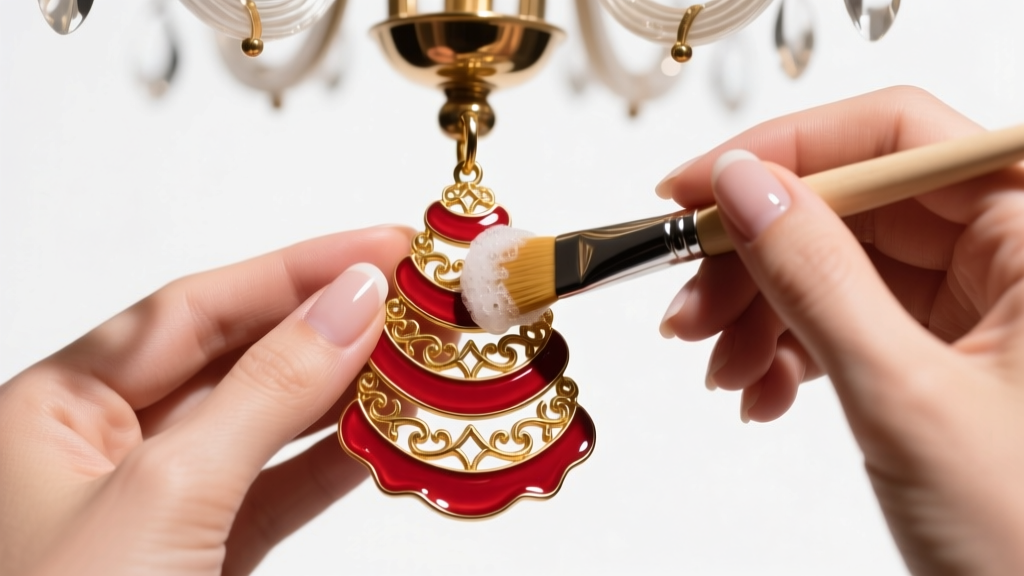
Step 4: The Cool Down and Dry
Rinse briefly under a gentle stream of distilled water. Pat dry with a lint-free microfiber cloth. To ensure no water remains trapped in the microscopic gaps of the jump rings, use a hairdryer on the 'cool' setting or a can of compressed air to blow out hidden moisture. Trapped water accelerates oxidation, leading to verdigris (green corrosion) if the earring's base alloy contains copper.
Structural Maintenance: Preventing Catastrophic Loss
Cleaning is only half the battle. The structural integrity of chandelier earrings requires monthly inspections. The sheer weight of multi-tiered drops places immense stress on the ear wire and the primary connection rings.
- Evaluate the Ear Wire Gauge: Many commercial chandelier earrings use 22-gauge French wire hooks to save on metal costs. If your earrings weigh more than 8 grams per ear, a 22-gauge wire will slowly warp and thin out, eventually snapping. Have a jeweler upgrade the hooks to 18-gauge or 20-gauge leverbacks for heavy pieces.
- Inspect the Jump Rings: Use a 10x jeweler's loupe to examine every jump ring connecting the tiers. If you see even a hairline gap where the ring closes, it must be squeezed shut with two pairs of flat-nose pliers. A gap of just 0.2mm is enough for a fine chain or lower tier to slip through and detach.
- Check Prong Tension: Gently run a piece of silk fabric over the gemstone settings. If the silk snags on a prong, that prong is lifted and requires immediate professional re-tipping to prevent the red gemstone from falling out.
Master Jeweler's Tip: For heavy red chandelier earrings, standard butterfly friction backs are insufficient. The weight of the dangle causes the earring to tilt forward, putting uneven pressure on the earlobe and causing the backing to slide off. Always upgrade to silicone disc backs, screw-backs, or locking leverbacks to secure heavy kinetic jewelry.
Storage Solutions to Prevent Tangling and Oxidation
Never throw chandelier earrings into a standard jewelry box drawer. Laying them flat guarantees that the delicate chains and wire tiers will become hopelessly tangled, and attempting to untangle them often results in bent filigree or snapped links.

The only correct way to store chandelier earrings is hanging. Invest in a multi-tiered hanging jewelry organizer with individual velvet hooks. Furthermore, red gemstones like garnet and spinel are often set in sterling silver or white gold, both of which are prone to tarnishing when exposed to ambient humidity and sulfur in the air. Place 3M Silver Protector anti-tarnish strips inside your hanging organizer or storage cabinet. These strips absorb airborne sulfur compounds and will keep your metal settings bright for up to 12 months without requiring chemical polishes.
When to Consult a Master Jeweler
While home maintenance is crucial, certain issues require professional intervention. If your red gemstones appear cloudy after a proper wash, the dirt may be trapped beneath a loose bezel setting, requiring a jeweler to carefully lift the metal, clean the stone, and burnish the bezel back into place. Additionally, if your chandelier earrings feature rhodium-plated white gold settings, the friction from daily wear will eventually wear the plating away, revealing the yellowish alloy beneath. A professional re-plating and ultrasonic deep clean (performed only after the jeweler verifies the safety of your specific red gemstones) will restore the piece to its original factory condition. For comprehensive guidelines on specific gemstone durability, always refer to the GIA Garnet and Gemstone Care Guides before attempting any deep cleaning.


