Troubleshooting Allergies & Infections: Best Earrings for Kids
Discover how to troubleshoot infections and allergies with the right earrings for kids. Expert tips on ASTM F136 titanium, gauge sizes, and healing care.

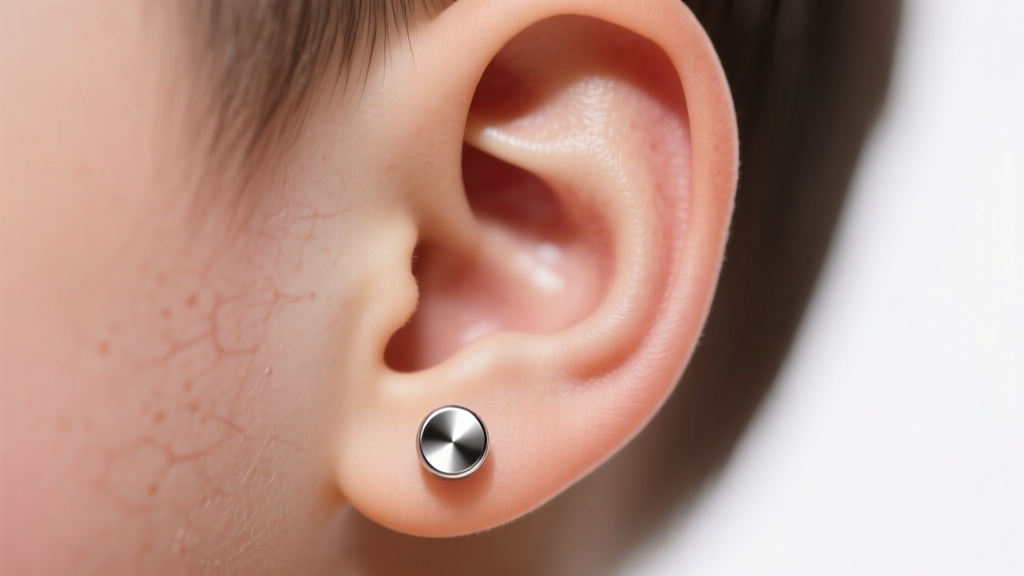
Piercing a child's ears is a major milestone, but it frequently comes with an unexpected wave of parental panic when the earlobes turn red, swell, or begin to flake. When searching for the safest earrings for kids, most parents are overwhelmed by conflicting advice and misleading marketing terms like 'hypoallergenic' or 'surgical steel.' As a jewelry style guide and trend radar, we see countless cases of allergic contact dermatitis and embedding that could have been entirely prevented with proper material science and anatomical sizing.
This comprehensive troubleshooting guide cuts through the marketing fluff. We will decode the exact metallurgical standards required for pediatric earlobes, differentiate between bacterial infections and metal allergies, and provide a step-by-step recovery protocol to save an irritated piercing.
The Most Common Earring Problems in Children
Before we can solve the problem, we must accurately diagnose it. Pediatric earlobes are highly vascular, sensitive, and prone to rapid swelling. The vast majority of complications with earrings for kids fall into three distinct categories:
- Embedment: The earring back or front sinks into the swelling tissue, restricting blood flow and requiring medical intervention to remove.
- Allergic Contact Dermatitis (ACD):strong> An immune system response to nickel or other reactive alloys, resulting in severe itching, clear fluid weeping, and flaky skin.
- Bacterial Infection: Pathogenic bacteria (often Staphylococcus aureus) enter the fistula, causing localized heat, yellow/green pus, and sometimes systemic fever.
Material Matters: Decoding Hypoallergenic Earrings for Kids
The term 'hypoallergenic' is largely unregulated in the jewelry industry. A piece labeled as such might simply be plated with a thin layer of gold over a highly reactive brass or nickel core. Once that plating wears off—which can happen in a matter of weeks with active children—the underlying metal triggers a severe reaction. To truly troubleshoot and prevent allergies, you must look for specific ASTM (American Society for Testing and Materials) certifications.
| Material Grade | Nickel Content | Biocompatibility | Avg. Price Range (Per Pair) |
|---|---|---|---|
| ASTM F136 Implant-Grade Titanium | 0% (Nickel-Free) | Excellent (MRI Safe) | $25 - $60 |
| Niobium (Un-anodized or Anodized) | 0% (Nickel-Free) | Excellent | $20 - $45 |
| 14k or 18k Solid Gold (Nickel-Free Alloy) | 0% (Must verify alloy) | Very Good | $80 - $250+ |
| 316L 'Surgical' Stainless Steel | 8% - 10% | Poor for Fresh Piercings | $5 - $15 |
Why 'Surgical Steel' is Often a Trap
The most pervasive myth in pediatric piercing is that 'surgical steel' is safe for fresh or sensitive piercings. 316L stainless steel contains between 8% and 10% nickel. While the chromium oxide layer on the surface can temporarily trap the nickel, the saline environment of a healing fistula or the sweat from an active child can break down this passive layer, leaching nickel directly into the tissue. The Association of Professional Piercers (APP) strongly advises against using 316L steel for initial piercings or for children with known metal sensitivities.
Troubleshooting Guide: Infection vs. Allergic Contact Dermatitis
Misdiagnosing an allergy as an infection often leads parents to use harsh antibacterial ointments or alcohol, which only exacerbates tissue trauma. Use this clinical checklist to differentiate the two:
Signs of Allergic Contact Dermatitis (Metal Allergy)
- Discharge: Clear, sticky, or slightly white fluid (lymph).
- Sensation: Intense, localized itching or a 'burning' sensation.
- Appearance: Redness that spreads outward from the jewelry, dry or flaky skin, and localized swelling.
- Onset: Can occur immediately or weeks after introducing a new metal.
Signs of Bacterial Infection
- Discharge: Thick, opaque yellow, green, or brown pus (often with a foul odor).
- Sensation: Throbbing pain, extreme tenderness to the touch, and radiating heat.
- Appearance: Deep red or purplish discoloration, severe localized swelling, red streaks radiating from the site.
- Systemic: The child may develop a fever or swollen lymph nodes in the neck.
Note: If you suspect a true bacterial infection, do not remove the earring, as the hole can close and trap the abscess inside the tissue. Seek immediate evaluation from a pediatrician.
Sizing and Fit: Preventing Embedment and Rejection
Even if you purchase perfect ASTM F136 titanium earrings for kids, improper sizing will cause severe complications. Pediatric earlobes vary wildly in thickness, and children's tissue swells significantly more than adult tissue in response to trauma.
The Gauge Debate: 20G vs. 18G
Most commercial mall kiosks pierce with 20-gauge (0.81mm) needles and jewelry. However, professional piercers increasingly recommend 18-gauge (1.02mm) or even 16-gauge (1.29mm) for pediatric lobes. A thicker post provides structural stability, reducing the 'cheese-cutter effect' where a thin 20G wire can slowly migrate and tear through the delicate lower lobe if the child snags the earring on a sweater or hairbrush.
Post Length and the Danger of Butterfly Backs
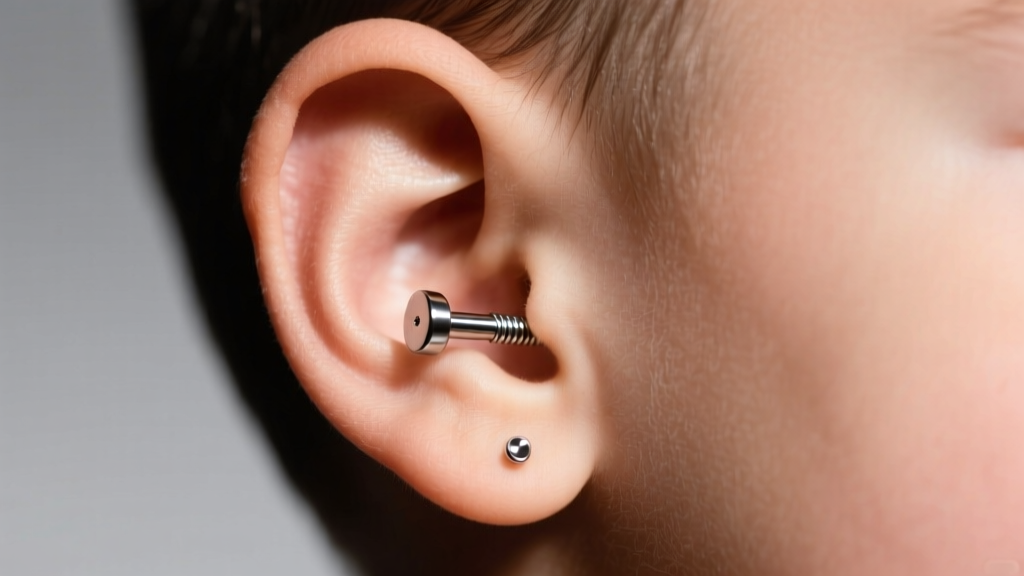
Standard earring posts are often 6mm long. When a child's lobe swells by even 2mm, a 6mm post with a push-on 'butterfly' back will instantly embed into the flesh. Furthermore, butterfly backs harbor immense amounts of bacteria in their tiny crevices and restrict airflow to the healing fistula.
The Solution: Opt for flat-back labret studs with an initial post length of 8mm to 10mm to accommodate swelling. Flat backs sit flush against the rear of the earlobe, eliminating the risk of the child poking themselves behind the ear while sleeping, and they do not trap debris. Once the swelling subsides (usually 2-4 weeks), you can downsize to a 5mm or 6mm post for long-term wear.
Step-by-Step Recovery Protocol for Irritated Piercings
If your child's piercing is irritated, red, or weeping lymph, implement this strict recovery protocol immediately. The American Academy of Pediatrics emphasizes gentle, non-cytotoxic cleaning methods to preserve healing cells.
- Stop All Harsh Chemicals: Immediately cease using rubbing alcohol, hydrogen peroxide, tea tree oil, or antibacterial soaps. These are cytotoxic and destroy the fragile new cells forming the fistula.
- Switch to Sterile Saline: Purchase a can of sterile wound wash containing only two ingredients: 0.9% sodium chloride and purified water. Spray the front and back of the piercing twice daily.
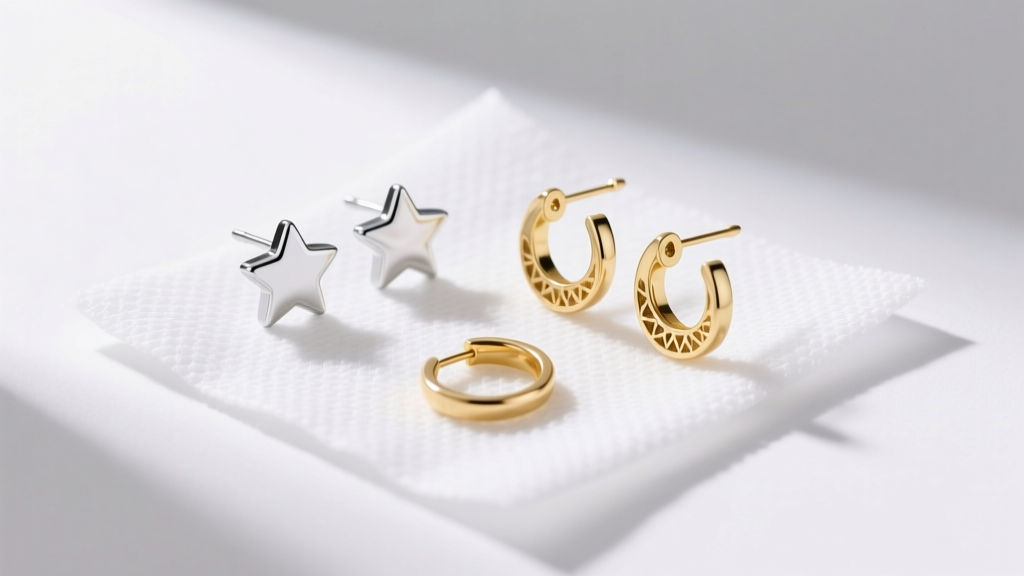
- Warm Compresses: For stubborn lymph crusties, soak a sterile non-woven gauze pad in warm sterile saline and hold it against the earlobe for 3-5 minutes to gently soften and wipe away debris. Never pick at crusties with fingernails.
- Verify the Jewelry: If the irritation persists beyond 48 hours of saline care, the jewelry is likely the culprit. Visit an APP-certified professional piercer to have the jewelry swapped to verified implant-grade titanium or niobium.
- Enforce the 'No-Touch' Rule: Children frequently touch their ears. Explain that twisting or playing with the earring tears the microscopic healing tissue and introduces staph bacteria from their hands.
Expert Verdict: Building a Safe Jewelry Box
Troubleshooting pediatric ear issues almost always traces back to two root causes: reactive metallurgy and poor mechanical design. By abandoning the myth of 'surgical steel' and investing exclusively in ASTM F136 titanium, niobium, or verified nickel-free solid gold, you eliminate the vast majority of allergic reactions. Pairing these safe metals with internally threaded or threadless flat-back labrets ensures the jewelry works in harmony with the child's anatomy rather than against it.
When shopping for earrings for kids, always demand proof of material certification from the jeweler. A reputable brand will gladly provide the exact alloy breakdown and polish quality of their pieces. Your child's comfort and safety are worth the investment in high-quality, anatomically correct jewelry that allows their piercings to thrive for a lifetime.


