Restoring Vintage 80's Earrings: Cleaning & Care Guide
Discover expert tips to clean, restore, and maintain vintage 80's earrings. Learn safe methods for gold plating, rhinestones, acrylics, and clip-ons.

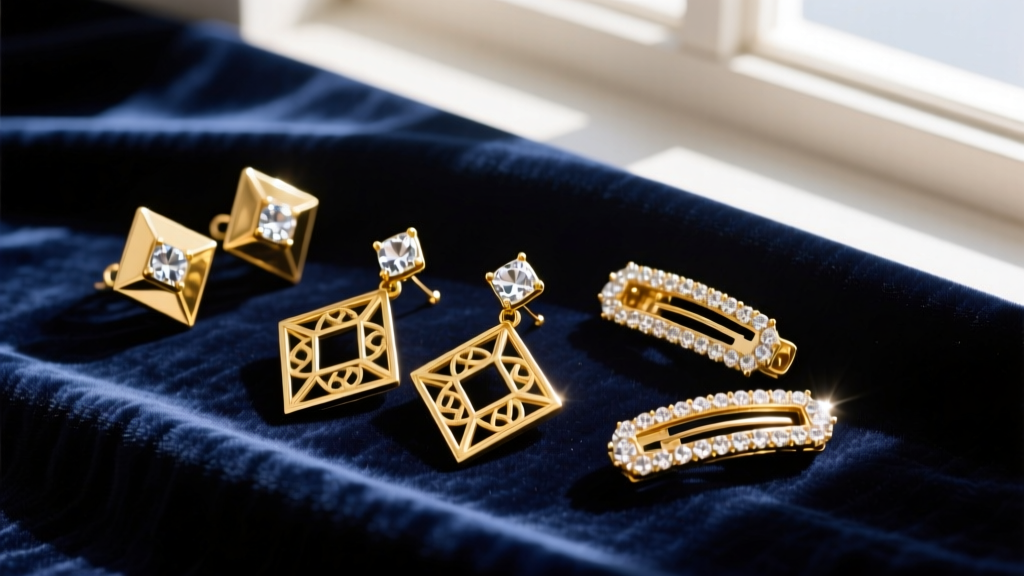
The 1980s was an era of unapologetic self-expression, and nowhere was this more evident than in jewelry. Bold geometric shapes, oversized resin drops, intricate pave rhinestone clips, and Memphis-style enamel work defined the decade. However, collecting and wearing vintage 80's earrings today presents a unique set of conservation challenges. Unlike solid fine jewelry, much of the costume jewelry from this era was crafted using thin electroplating, early synthetic polymers, and water-sensitive adhesives. Improper cleaning can strip finishes, cloud acrylics, and destroy delicate foil-backed stones in seconds.
To preserve these wearable pieces of fashion history, you must abandon modern jewelry cleaning habits. This comprehensive guide provides material-specific protocols, hardware restoration techniques, and storage solutions tailored specifically for the unique anatomy of 1980s costume earrings.
The Unique Anatomy of 1980s Costume Earrings
Before applying any cleaning solution, it is crucial to understand what your vintage 80's earrings are actually made of. According to the Federal Trade Commission (FTC) Jewelry Guides, the term 'gold plated' used in the 1980s often referred to a microscopic layer of gold electroplated over a base metal like brass, nickel, or 'pot metal' (a zinc alloy). This plating was frequently less than 0.5 microns thick. Furthermore, the adhesives used to secure rhinestones and the metallic foil backings applied to glass stones are highly susceptible to moisture degradation. Recognizing these vulnerabilities is the first step in preventing irreversible damage.
Material-Specific Cleaning Protocols
There is no universal cleaner for vintage jewelry. You must identify the primary material of your 80's earrings and treat them accordingly.
Gold and Silver Electroplating
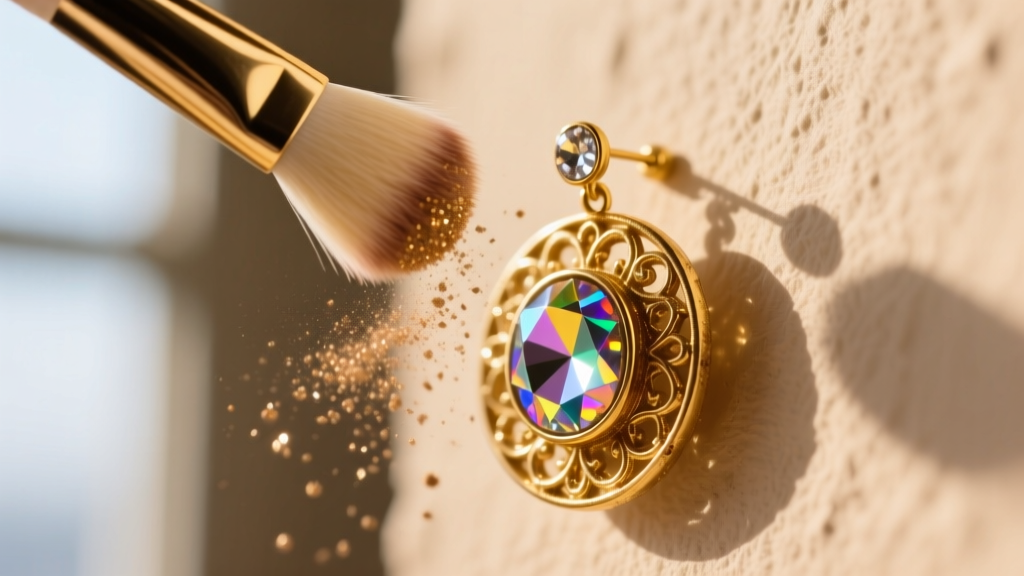
Never use liquid silver dips, baking soda paste, or commercial polishing liquids on 1980s gold or silver-plated earrings. These abrasive and chemical-heavy solutions will strip the microscopic plating right off the brass base, leaving you with dull, tarnished pot metal. Instead, use a dry, untreated microfiber cloth or a specialized jeweler's rouge cloth designed for plated metals. Gently buff the surface in one direction. For intricate filigree or textured gold-plated crevices, use a soft-bristled, clean makeup brush to dust away debris without applying friction to the plating.
Rhinestones and Pave Settings
Many iconic 80's earrings feature dense pave settings or large marquis-cut glass rhinestones. These stones are typically backed with a delicate metallic foil to enhance their sparkle. If water or liquid cleaner seeps beneath the stone, the foil will oxidize, turn black, and ruin the stone's brilliance. The Gemological Institute of America (GIA) warns against submerging any foil-backed or glued gemstones. To clean rhinestone earrings, use a dry, soft-bristled brush. If a stone is heavily soiled, slightly dampen a cotton swab with distilled water, carefully wipe the top facet of the stone, and immediately dry it with a microfiber cloth. Never let moisture reach the prongs or glue line.
Lucite, Acrylic, and Enamel
The 80s saw a massive surge in the use of Lucite and brightly colored acrylics, often carved into bold geometric drops or jelly-belly shapes. While durable, acrylic is highly porous and prone to 'crazing' (a network of fine cracks) when exposed to harsh chemicals. Never clean acrylic or enamel 80's earrings with rubbing alcohol, ammonia, or acetone, as these solvents will instantly cloud the plastic and melt the enamel. Instead, mix a few drops of mild, lotion-free dish soap (like original Dawn) into lukewarm water. Dip a soft cloth into the solution, wring it out until it is barely damp, and gently wipe the acrylic. Dry immediately with a lint-free towel.
Restoring the Hardware: Clip-Ons and Post Backs
Because ear piercing was not as universally prevalent for multiple piercings in the early 80s, clip-on earrings were incredibly popular. The mechanical hardware on these vintage pieces often requires mechanical restoration rather than chemical cleaning.
| Hardware Issue | Root Cause | Restoration Solution |
|---|---|---|
| Loose Clip-On Tension | Metal fatigue in the omega or paddle back hinge from decades of use. | Use nylon-jaw pliers to gently squeeze the hinge mechanism. Never use standard steel pliers, which will mar the plating. |
| Pinching / Discomfort | Loss of original foam or rubber padding on the pressure paddle. | Apply modern silicone earring cushions or adhere a small piece of moleskin padding to the back of the clip paddle. |
| Green Skin Reaction | Copper or nickel in the base metal reacting with skin acidity and moisture. | Paint the part of the earring that touches the skin with a thin layer of clear, flexible nail polish or a specialized jewelry barrier coating. |
| Wobbly or Spinning Posts | Adhesive failure between the metal post and the earring backplate. | Clean both surfaces with a tiny drop of isopropyl alcohol (avoiding the stone), then re-bond using a flexible jeweler's glue like E6000 or GS Hypo Cement. |
Safe Storage Solutions for Geometric and Oversized 80s Pieces
The structural design of 80's earrings—think oversized asymmetrical triangles, long resin fringe, and wide domed buttons—makes them notoriously difficult to store. Tossing them into a standard jewelry box guarantees tangled chains, crushed enamel, and accelerated tarnishing due to trapped humidity and sulfur exposure.
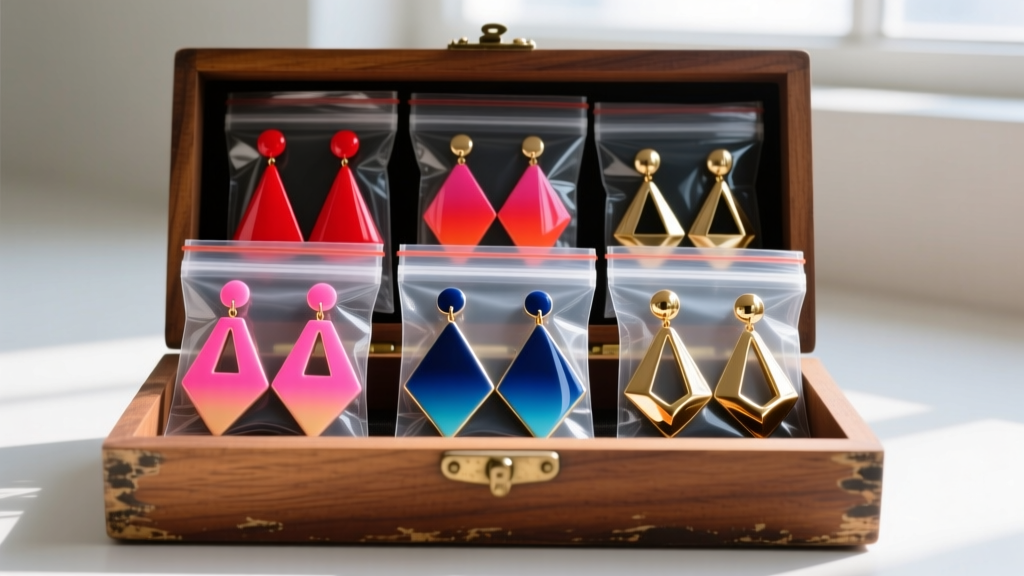
For optimal preservation, store each pair of vintage 80's earrings individually in small, resealable polyethylene bags. Before sealing, place a small strip of 3M anti-tarnish paper or a piece of treated Pacific Silvercloth inside the bag to absorb atmospheric sulfur. For oversized or heavily embellished pieces, line a compartmentalized wooden box with acid-free archival tissue paper. This prevents the metal findings from scratching the acrylic or enamel surfaces of neighboring pieces. Always store earrings in a climate-controlled environment; attics and basements with fluctuating humidity will cause base metals to pit and acrylics to warp.
What to Absolutely Avoid: The Damage Checklist
When caring for vintage 80's earrings, knowing what not to do is just as important as knowing the correct cleaning methods. Avoid these common mistakes at all costs:
- Ultrasonic Cleaners: The high-frequency vibrations will shatter glass rhinestones, shake loose glued-in pearls, and strip fragile electroplating down to the base metal.
- Toothpaste: A popular internet myth, toothpaste contains silica abrasives that will permanently scratch soft acrylics, dull enamel finishes, and micro-scratch gold plating.
- Ammonia and Bleach: These harsh household chemicals will cause irreversible chemical burns on pot metal and instantly dissolve the adhesives holding your earrings together.
- Direct Sunlight and Heat: Prolonged exposure to UV rays and heat will cause 1980s dyed resins and acrylics to yellow, fade, or become brittle and snap under their own weight.
Expert Tip: Always put your vintage earrings on after applying hairspray, perfume, and lotions. The aerosolized chemicals in 1980s-style heavy hairsprays and modern cosmetics will quickly build up a cloudy, stubborn film on porous acrylics and degrade the metallic foil behind rhinestones.
Preserving the Legacy of 80s Fashion
Vintage 80's earrings are more than just accessories; they are tangible artifacts of a vibrant, experimental era in fashion design. By understanding the specific material compositions of the decade—from fragile gold electroplating to water-sensitive foil-backed rhinestones—you can safely clean, restore, and wear these bold pieces without compromising their structural integrity. Treat your vintage collection with the same conservation mindset applied to museum pieces, and your 80's earrings will continue to make a statement for decades to come.


