How to Clean, Maintain, and Style 14k Gold Knot Earrings
Learn how to properly clean, size, and style 14k gold knot earrings. Expert tips on gauge sizes, post lengths, and maintaining your gold jewelry.

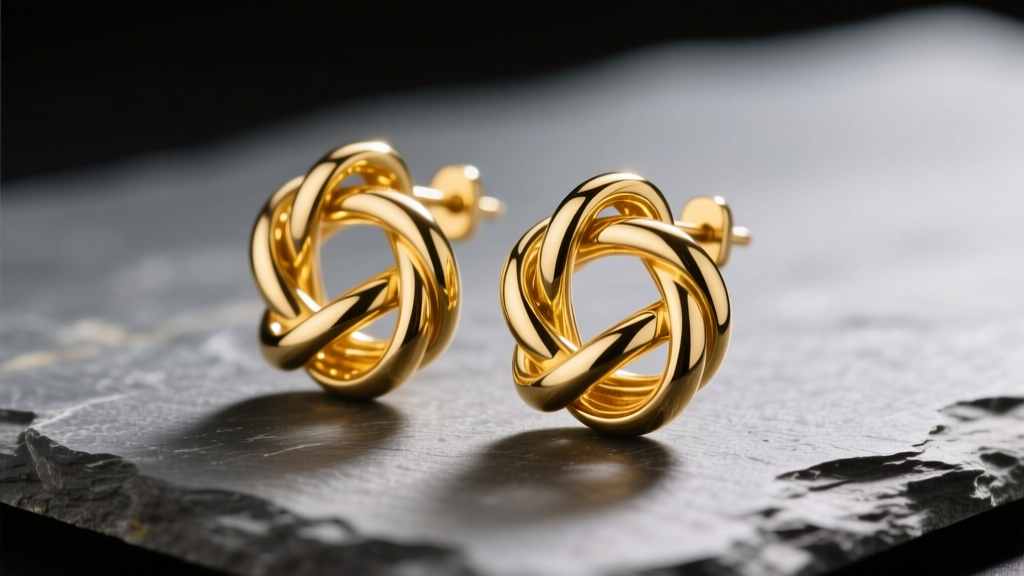
The Anatomy and Appeal of 14k Gold Knot Earrings
14k gold knot earrings represent a perfect intersection of symbolic meaning and everyday wearability. The interlocking loops of a knot design have long symbolized eternity, unbreakable bonds, and infinite love, making them a staple in both personal jewelry collections and gifted accessories. However, beyond their aesthetic and emotional resonance, understanding the metallurgy and structural nuances of these earrings is essential for long-term maintenance.
By definition, 14k gold consists of 58.5% pure gold and 41.5% alloy metals. According to the Gemological Institute of America (GIA), this specific ratio provides the ideal balance between the rich color of pure gold and the structural durability required for intricate designs like knots. Pure 24k gold is too malleable and would easily bend out of its overlapping shape, whereas 14k gold holds the rigid structure necessary for seamless interlocking loops.
Depending on the alloy mix, your 14k gold knot earrings will fall into one of three color categories:
- Yellow Gold: Alloyed with silver, copper, and zinc, offering a classic, warm hue that resists tarnish exceptionally well.
- White Gold: Alloyed with palladium or nickel and plated with rhodium. Ideal for a modern, silvery look, though the rhodium plating may require re-dipping every few years.
- Rose Gold: Alloyed with a higher percentage of copper, giving it a pinkish tint. The copper content makes it highly durable but slightly more prone to oxidation over time.
Step-by-Step Guide to Cleaning Intricate Knot Crevices
The primary challenge with knot earrings is their geometry. The overlapping metal loops create micro-crevices that easily trap sebum, dead skin cells, lotion residue, and environmental dust. If left uncleaned, this buildup not only dulls the gold's brilliance but can also harbor bacteria, leading to earlobe irritation or contact dermatitis.
Follow this meticulous, jeweler-approved cleaning protocol to restore your earrings safely:
Step 1: Prepare a Gentle Cleaning Solution
Fill a small glass bowl with warm (not hot) water and add three to four drops of mild, phosphate-free dish soap. Avoid harsh chemical cleaners, bleach, or abrasive toothpaste, as these can scratch the gold alloy or strip the rhodium plating on white gold knots.
Step 2: The Soaking Phase
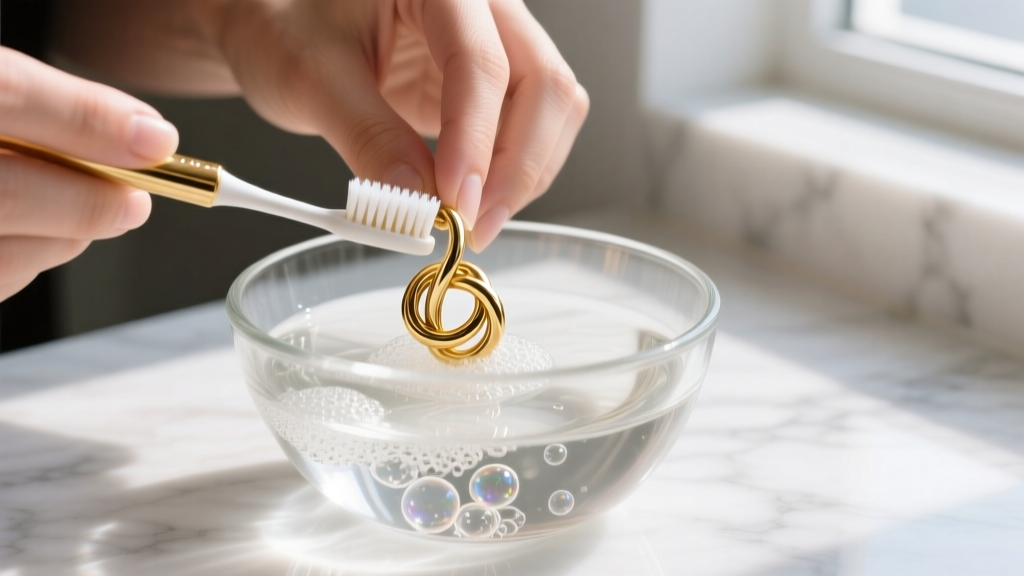
Submerge your 14k gold knot earrings in the solution for 15 to 20 minutes. This crucial step softens the hardened sebum and cosmetic buildup lodged deep within the interlocking loops, making mechanical removal much easier and safer.
Step 3: Targeted Agitation
Using a brand-new, ultra-soft baby toothbrush, gently brush the earrings. Pay special attention to the underside of the knot and the junction where the post meets the design. Use light, circular motions to dislodge debris without applying excessive pressure that could warp thinner gauge wires.
Step 4: Rinsing and Drying
Rinse the earrings thoroughly under lukewarm running water, ensuring the drain is securely plugged. Pat them dry with a lint-free microfiber cloth. Avoid paper towels, as their wood pulp fibers can leave microscopic scratches on the polished gold surface.
Pro Tip: If your 14k gold knot earrings feature micro-pave diamonds or tension-set gemstones within the loops, never use an ultrasonic cleaner. The high-frequency vibrations can easily shake loose the delicate stones from their settings.
Selecting the Correct Gauge and Post Length
A common mistake when purchasing knot earrings online is ignoring the post specifications. The interlocking knot design sits flush against the ear, meaning the post length and gauge must perfectly match your piercing anatomy to avoid embedding, irritation, or migration.
| Piercing Placement | Recommended Gauge | Ideal Post Length | Best Backing Type |
|---|---|---|---|
| Standard Lobe | 20g (0.8mm) or 18g (1.0mm) | 6mm | Friction Push Back |
| Thick Lobe | 18g (1.0mm) | 8mm | Screw Back or La Pousette |
| Helix / Cartilage | 16g (1.2mm) or 18g (1.0mm) | 6mm - 8mm | Flat Back (Labret) |
| Tragus | 16g (1.2mm) | 6mm | Flat Back (Labret) |
For cartilage placements like the helix or tragus, traditional butterfly friction backs are highly discouraged. The bulky backing can press into the conch area, causing discomfort and trapping moisture. Instead, opt for 14k gold knot earrings designed with flat-back labret posts, which sit flush against the back of the ear and provide superior stability for active lifestyles.
Styling Knot Earrings by Face Shape and Ear Anatomy
Because the knot motif is inherently volumetric, it interacts uniquely with different facial structures and ear curations. Here is a strategic framework for styling your 14k gold knot earrings to flatter your specific features:
Round Face Shapes
To create the illusion of length and balance the soft curves of a round face, avoid wide, bulky knot studs. Instead, opt for elongated drop knot earrings or dangle designs where the knot acts as a connector to a sleek, vertical chain. This draws the eye downward, elongating the jawline.
Square and Angular Face Shapes
Sharp jawlines and prominent cheekbones benefit from softening elements. Rounded, plush 14k gold knot studs or seamless knot huggies introduce organic, flowing lines that contrast beautifully with angular facial features, creating a harmonious visual balance.
Oval Face Shapes
The universal oval shape can carry off virtually any knot variation. For a contemporary 2026 aesthetic, try asymmetric styling: a larger, intricate knot drop on one lobe, paired with a minimalist, micro-knot stud on the opposite ear or upper helix.
Ear Curation and Constellation Piercings
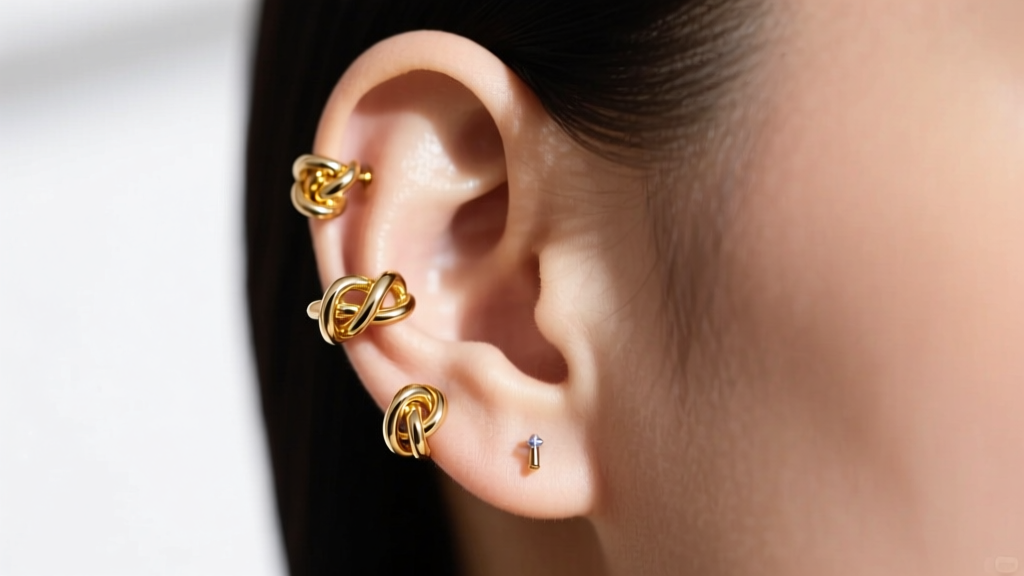
In a multi-piercing setup, the knot design serves as an excellent anchor piece. Place a medium-sized 14k gold knot stud in the primary lobe piercing, and use smaller, complementary knot motifs in the secondary and tertiary lobe holes. The repeating geometric theme creates a cohesive, intentional look without overwhelming the ear's real estate.
Troubleshooting Snagging and Tarnish Issues
Despite their beauty, knot earrings present two specific failure modes that owners must actively manage: snagging and localized tarnish.
The Snagging Hazard
The most frequent complaint regarding knot earrings is hair or sweater threads catching on the metal. This occurs when the terminal ends of the gold wire are poorly finished or inadequately soldered to the main body of the knot. When inspecting a new pair, run a piece of silk fabric or a cotton ball over the earring. If it catches, the ends are not seamlessly fused. High-end jewelers use laser welding to fuse the wire ends invisibly, eliminating the microscopic gaps that cause snagging.
Managing Alloy Tarnish
While pure gold does not tarnish, the alloy metals in 14k gold (specifically copper and silver) can react with sulfur, chlorine, and environmental acids. Rose gold knots, due to their high copper content, are the most susceptible to developing a dark patina. To prevent this, always remove your earrings before swimming in chlorinated pools, using hot tubs, or applying sulfur-based skincare treatments. If a patina does develop, a professional jeweler can safely polish the piece without removing significant amounts of the gold alloy.
Verifying Authenticity and Hallmarks
When investing in fine jewelry, verifying the metal purity is non-negotiable. According to the Federal Trade Commission (FTC) Jewelry Guides, any piece sold in the United States as 14k gold must bear a quality mark, such as "14k" or "585" (the European millesimal fineness mark indicating 585 parts per thousand of pure gold).
Inspect the post or the flat back of the knot design using a jeweler's loupe. The hallmark should be crisp and clearly legible. Be wary of unbranded, unusually cheap knot earrings sold on mass-market platforms; they are often gold-plated brass or silver, which will eventually wear down to reveal the base metal, causing severe allergic reactions for those with nickel or copper sensitivities. Always purchase from reputable jewelers who provide a certificate of authenticity and a clear breakdown of the alloy composition.


