How to Clean and Maintain Your Tennis Ball Earrings
Learn how to safely clean and maintain tennis ball earrings. Expert tips for enamel, acrylic, and flocked sports jewelry to keep them vibrant.

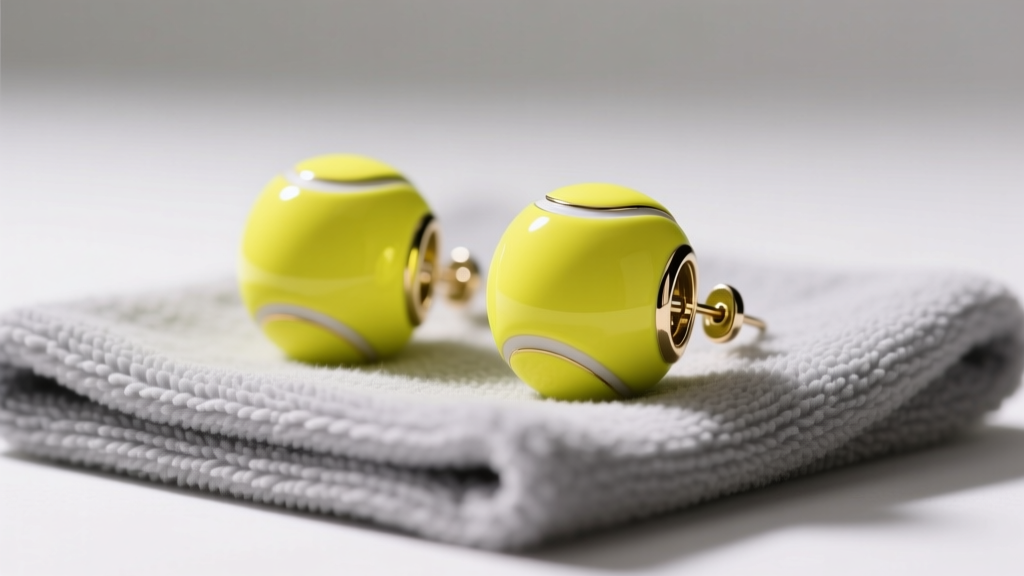
The sports-core aesthetic has firmly cemented novelty and thematic jewelry as a staple in modern accessories. Among these, tennis ball earrings—ranging from high-gloss enameled metals to fuzzy flocked novelties and cast acrylic spheres—are a vibrant choice for expressing a love for the game. However, the unconventional materials and spherical geometries of these earrings present unique maintenance challenges. Standard ultrasonic cleaners and harsh chemical dips that work for diamond studs will instantly ruin the adhesives, cloud the acrylics, and strip the neon dyes of your sports jewelry.
As a jewelry care specialist, I have compiled this comprehensive maintenance framework to help you sanitize, preserve, and store your tennis ball earrings without compromising their structural integrity or color vibrancy.
Material Breakdown: Understanding Your Earrings
Before applying any cleaning agent, you must identify the primary material of the tennis ball sphere and the ear post. The Gemological Institute of America (GIA) notes that organic pigments and synthetic resins react drastically differently to solvents than traditional gemstones. Below is a diagnostic table to help you identify your materials and their inherent vulnerabilities.
| Material Type | Mohs Hardness | Safe Cleaning Agent | Primary Risk Factor |
|---|---|---|---|
| Enamel over Brass | 5.0 - 6.0 | Mild dish soap & water | Chipping, brass oxidation if enamel cracks |
| Cast Acrylic / Resin | 3.0 - 4.0 | Warm water only | Micro-scratching, chemical clouding |
| Flocked / Textured | N/A | Dry brushing only | Oil trapping, irreversible moisture damage |
| Sterling Silver Post | 2.5 - 3.0 | 70% Isopropyl Alcohol | Tarnish, degradation of base adhesives |
Step-by-Step Cleaning Protocols by Material
The spherical shape of tennis ball earrings creates a 360-degree surface area that traps sebum, dead skin cells, and environmental dust. Here is how to tackle each specific material safely.
Cleaning Enameled Metal Tennis Balls
Enamel is essentially powdered glass fused to a metal base (usually brass or sterling silver). While it is relatively hard, it is brittle.
- The Solution: Mix one drop of pH-neutral dish soap (like Dawn) into a bowl of lukewarm water.
- The Technique: Dip a soft-bristled baby toothbrush into the solution and gently sweep the crevices of the tennis ball's signature white curves. Do not press hard; let the bristles do the work.
- Drying: Pat dry immediately with a lint-free microfiber cloth. Allowing water to air-dry on enameled brass can lead to water spotting and accelerate oxidation if there are micro-fractures in the glaze.
Caring for Acrylic and Resin Spheres
Acrylic is highly porous and exceptionally sensitive to alcohols and ammonia. Using standard jewelry wipes on acrylic tennis ball earrings will cause a chemical reaction that results in permanent clouding and micro-fractures (crazing).
Instead, use only distilled water and a clean microfiber cloth. If the acrylic has lost its shine due to fine scratches, apply a drop of Novus 2 Fine Scratch Remover (a specialized plastic polish) to a cotton pad and buff the sphere in small, circular motions until the high-gloss finish returns.
The Flocked Texture Challenge
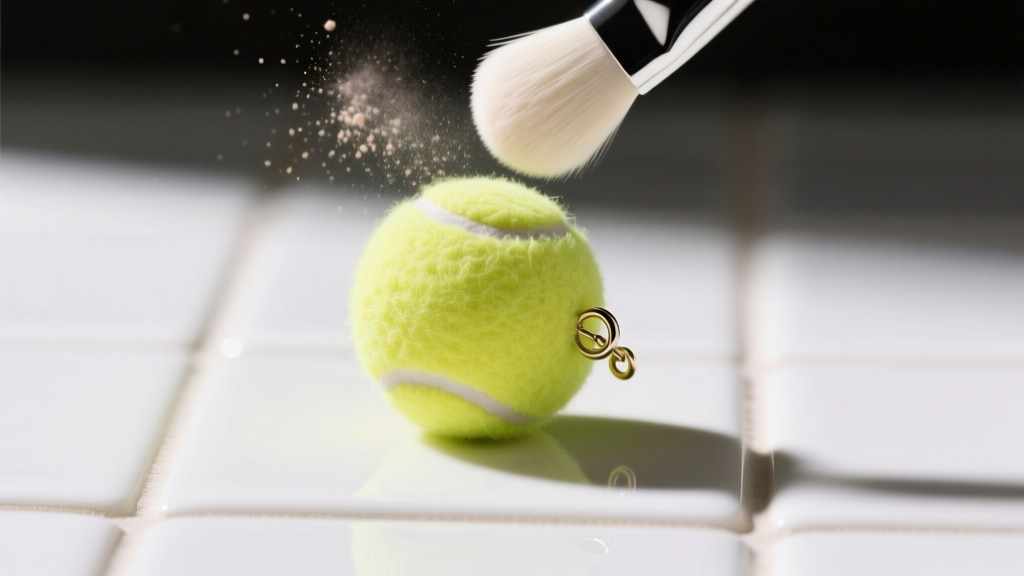
Some hyper-realistic tennis ball earrings feature a fuzzy, flocked exterior designed to mimic actual tennis ball felt. Never submerge flocked earrings in liquid. The flocking is adhered via electrostatic processes and water-soluble glues; moisture will cause the fibers to mat, clump, and eventually peel away from the resin core. To clean flocked earrings, use a brand-new, dry eyeshadow blending brush to gently sweep away dust and skin flakes from the fibers.
Sanitizing the Ear Posts Without Damaging the Design
While the decorative tennis ball requires gentle care, the ear post must be rigorously sanitized to prevent piercing infections. Novelty earrings typically utilize 20-gauge (0.81mm) or 18-gauge (1.02mm) posts, which are thin enough to trap bacteria in microscopic scratches.
Expert Warning: Never dip the entire earring in rubbing alcohol. Mass-market novelty jewelry often relies on cyanoacrylate (super glue) or basic epoxy to bond the spherical ball to the metal post. Alcohol acts as a solvent that will degrade these adhesives, causing the tennis ball to snap off the post while in your ear.
The Safe Sanitization Method:
- Soak a cotton swab (Q-tip) in 70% isopropyl alcohol. Avoid 99% alcohol, as the 30% water content in 70% solutions is actually required to penetrate bacterial cell walls effectively.
- Pinch the metal post with the saturated swab, wiping from the base down to the tip.
- Keep the swab at least 2 millimeters away from the glue joint where the post meets the tennis ball.
- Allow the post to air-dry completely for 30 seconds before inserting it into your piercing.
Storage and Prevention of Color Fading
The neon yellow and optic green dyes used to color tennis ball earrings are typically organic pigments (such as Arylide Yellow). According to guidelines from Jewelers of America, organic dyes are highly susceptible to UV photodegradation. Prolonged exposure to direct sunlight will bleach your vibrant neon earrings into a dull, pastel yellow within a matter of weeks.
Optimal Storage Protocol:
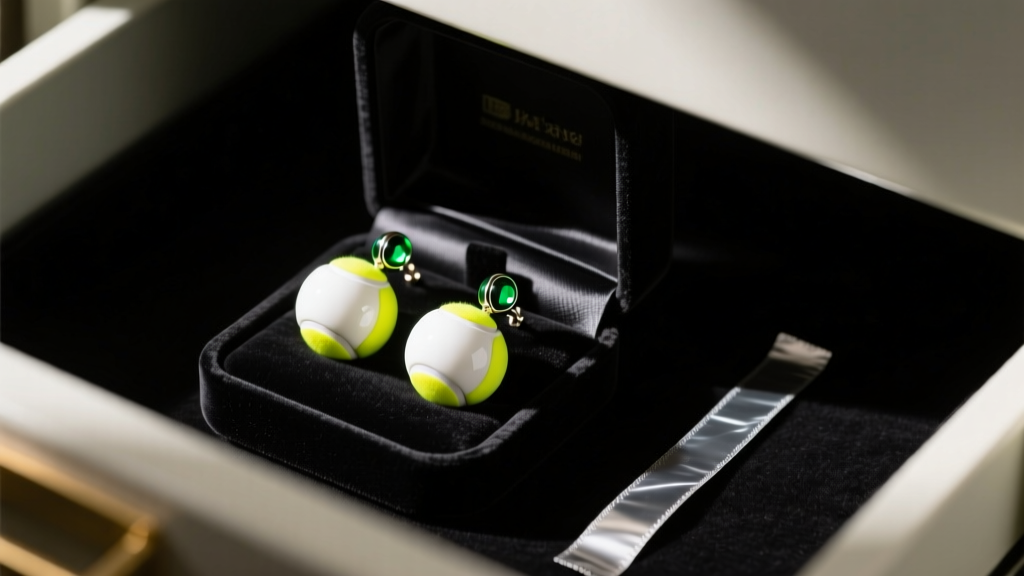
- Block UV Light: Store your earrings in an opaque, lined jewelry box or a dark drawer. Never leave them sitting on a sunlit vanity or windowsill.
- Prevent Metal Tarnish: If your earrings feature sterling silver posts or brass bases, place a 3M anti-tarnish strip inside the storage compartment. These strips absorb airborne sulfur compounds that cause silver and brass to blacken.
- Avoid Compression: Spherical earrings roll easily and can be crushed if stored in soft pouches inside a crowded bag. Always use a hard-shell case or a dedicated compartment in a jewelry box to maintain their perfect spherical geometry.
Troubleshooting Common Failure Modes
Even with meticulous care, novelty sports jewelry can experience wear and tear. Here is how to handle the most common issues:
- Chipped Enamel Exposing Brass: If the enamel chips and exposes the brass underneath, the exposed metal can react with your skin's acidity, causing a green discoloration or contact dermatitis. Apply a microscopic dot of clear, hardening top-coat nail polish over the chip to seal the brass from your skin.
- Cloudy Acrylic: If your acrylic tennis balls have turned foggy, they have likely been exposed to alcohol-based perfumes or hairsprays. You cannot wash this away. You must mechanically polish the surface using a dedicated plastic polishing compound to remove the damaged top layer of the acrylic.
- Loose Post Joint: If the post wiggles, the adhesive has failed. Do not use standard household super glue to fix it, as it will bloom (leave a white, crusty residue) all over your neon earring. Instead, use a precision applicator to apply a tiny drop of UV-curing jewelry resin to the joint, then cure it under a UV lamp for 60 seconds for a clean, invisible bond.
By respecting the unique material properties of your sports-themed jewelry, you can ensure your tennis ball earrings remain as vibrant and dynamic as the game itself for years to come.


