How to Clean and Maintain Authentic Yankees Earrings
Learn expert cleaning and maintenance tips for your Yankees earrings. Protect enamel, prevent tarnish, and keep your MLB jewelry pristine.

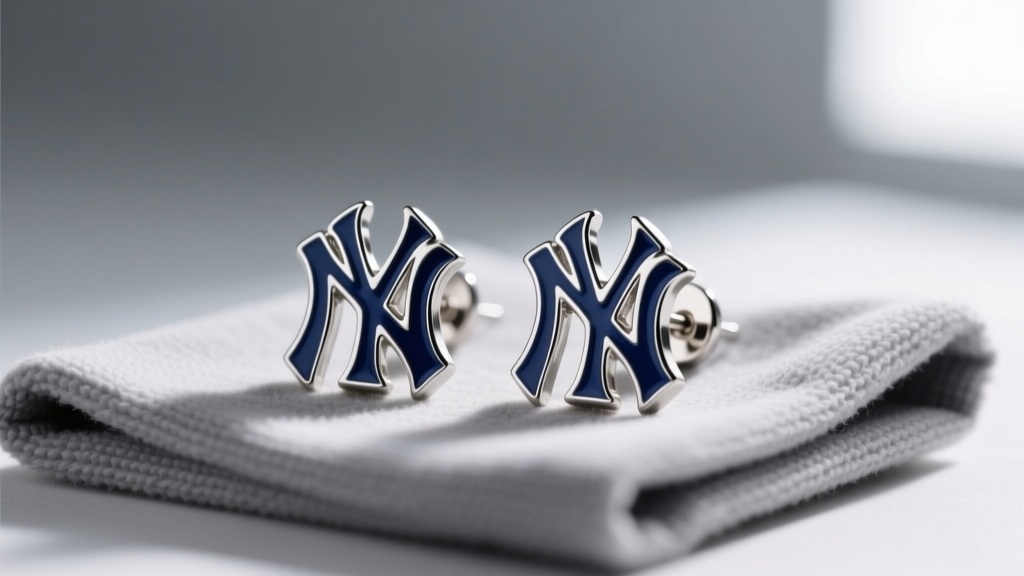
Owning a pair of authentic Yankees earrings is about more than just accessorizing; it is a display of team loyalty and a piece of sports memorabilia. However, licensed MLB jewelry presents unique maintenance challenges that standard fine jewelry does not. Whether you own the classic interlocking 'NY' studs, a vintage-style baseball bat drop, or a modern hoop featuring the team logo, the materials used in sports merchandise require highly specific care routines to prevent irreversible damage.
As of 2026, memorabilia manufacturers have refined their production techniques, but the core materials remain susceptible to environmental factors, sweat, and improper cleaning agents. This comprehensive guide will walk you through the exact chemistry, tools, and techniques required to keep your Yankees earrings in pristine, game-ready condition.
The Anatomy of Licensed MLB Jewelry
To properly care for your Yankees earrings, you must first understand what they are made of. Unlike fine jewelry crafted from solid 14k gold or platinum, most licensed sports earrings are constructed from base metals with decorative finishes.
- Base Metal Core: Typically a zinc alloy or brass. These metals are durable and allow for intricate casting of logos, but they are highly reactive to moisture and oxygen if the outer plating is compromised.
- Electroplated Finish: The silver or gold tone is usually a microscopically thin layer of rhodium, silver, or gold electroplated over the base metal. According to the Federal Trade Commission Jewelry Guides, the thickness of this plating dictates the item's longevity and tarnish resistance.
- Cold Enamel (Epoxy Resin): The iconic navy blue and white colors of the Yankees logo are almost exclusively achieved using cold enamel. Unlike vitreous enamel (which is glass fused at high temperatures), cold enamel is a two-part epoxy resin. It is highly sensitive to heat, harsh solvents, and ultrasonic vibrations.
- Posts and Clutches: The posts are generally standard 20-gauge (0.81mm) or 18-gauge (1.0mm) stainless steel. However, the butterfly friction backs (clutches) can trap sebum, dead skin cells, and environmental debris, creating a breeding ground for bacteria.
The 2026 Standard Cleaning Protocol
Because of the delicate epoxy resin and thin electroplating, you must abandon traditional jewelry cleaning methods. Ultrasonic cleaners will shatter cold enamel, and commercial silver dips will strip the rhodium plating and leave the epoxy cloudy.
Supplies Needed
- Distilled water (tap water contains chlorine and minerals that accelerate base metal oxidation)
- Mild, phosphate-free dish soap (e.g., original blue Dawn)
- Two ultra-soft microfiber cloths (one for washing, one for drying)
- A baby toothbrush (extra-soft bristles only)
- Wooden toothpicks or soft silicone interdental picks
Step-by-Step Execution
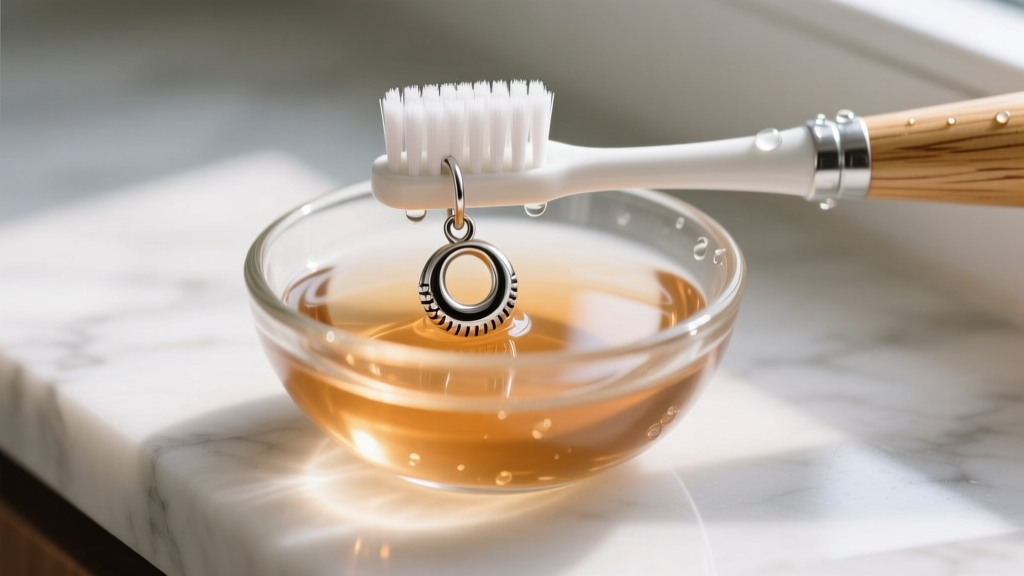
- Prepare the Solution: Mix three drops of mild dish soap into a small glass bowl of lukewarm distilled water. Ensure the water is not hot; temperatures above 100°F (37°C) can soften the epoxy resin, causing it to peel away from the metal setting.
- The Gentle Wipe: Dip the microfiber cloth into the solution, wring it out until it is barely damp, and gently wipe the surface of the Yankees earrings. Do not submerge the earrings entirely, as water can seep into the microscopic gaps between the epoxy and the metal bezel.
- Detailing the Crevices: Lightly dip the baby toothbrush into the solution and gently agitate the bristles around the edges of the 'NY' logo. Use a wooden toothpick to carefully dislodge any trapped debris from the butterfly clutches and the post base.
- Rinsing and Drying: Dampen a fresh cloth with pure distilled water to wipe away any soap residue. Immediately dry the earrings thoroughly with a second, completely dry microfiber cloth. Air-drying is strictly prohibited, as it will leave hard water spots and promote oxidation.
Material Compatibility Chart
Using the wrong chemical agent is the fastest way to ruin sports memorabilia jewelry. Refer to this compatibility matrix before applying any substance to your earrings.
| Cleaning Agent | Effect on Electroplated Base Metal | Effect on Cold Enamel (Epoxy) | Verdict for Yankees Earrings |
|---|---|---|---|
| Ultrasonic Cleaners | Safe for solid metals, but can loosen glue | Causes micro-fractures and shattering | NEVER USE |
| Rubbing Alcohol | Safe, removes oils | Dries out resin, causes clouding/cracking | AVOID |
| Silver Dip Solutions | Strips rhodium and gold plating instantly | Chemical burn to the resin surface | NEVER USE |
| Mild Soap & Distilled Water | Safe, lifts surface dirt | Safe when used at room temperature | HIGHLY RECOMMENDED |
| Jewelry Polishing Cloths | Removes tarnish, but can wear thin plating | Can leave micro-scratches on glossy finish | USE WITH CAUTION |
Game-Day Wear and Tear Prevention
Wearing your Yankees earrings to a summer game at the stadium introduces a major threat: human sweat. The pH of human sweat ranges from 4.0 to 6.8, making it slightly acidic. When this acidic moisture sits against the zinc alloy base of your earrings, it rapidly accelerates corrosion, especially if the electroplated finish has micro-abrasions.
"The most common failure mode for licensed sports jewelry is not physical breakage, but galvanic corrosion caused by the interaction of acidic sweat, base metals, and the copper underlayers used in the electroplating process."
To mitigate this, apply a thin layer of clear nail polish to the earring posts and the backs of the earrings before wearing them to a day game. This creates a physical barrier between the metal and your skin. Furthermore, if you are prone to contact dermatitis, this barrier is essential. According to the Mayo Clinic, nickel is a frequent component in base metal alloys and friction backs, and prolonged exposure to sweat leaches nickel ions into the skin, triggering severe allergic reactions.
Always remove your earrings before swimming in chlorinated pools or hot tubs. Chlorine is highly reactive and will permanently cloud the navy blue epoxy resin of the Yankees logo within minutes.
Long-Term Storage and Anti-Tarnish Strategies
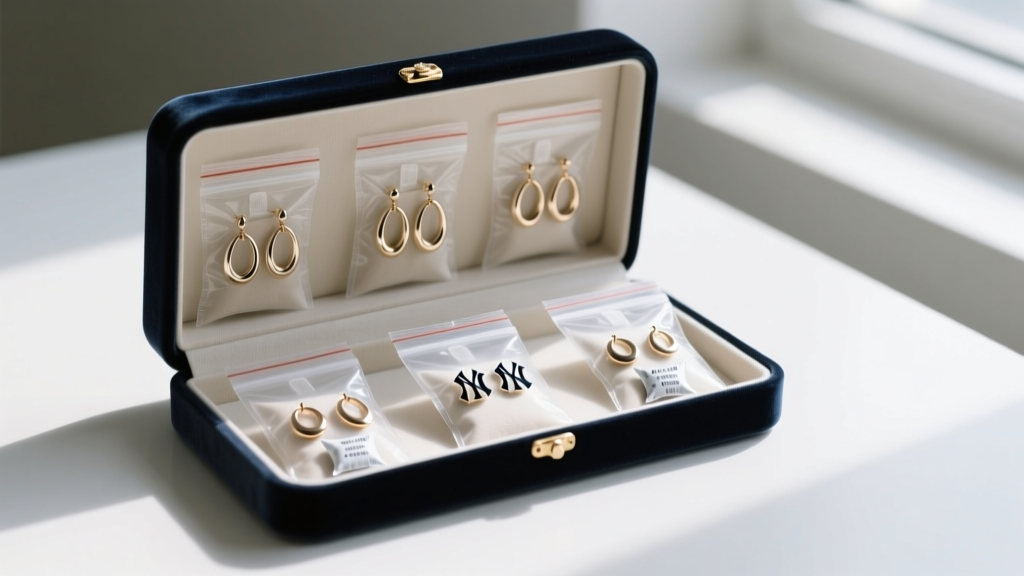
How you store your Yankees earrings during the off-season is just as critical as how you clean them. Base metals oxidize when exposed to atmospheric humidity and sulfur compounds in the air. Tossing them into a standard jewelry box will result in a dull, grayish-black tarnish by the time spring training rolls around.
Implement this three-tier storage protocol:
- Individual Isolation: Store each pair of earrings in its own small, resealable polyethylene ziplock bag. This prevents the harder metal edges from scratching the delicate epoxy surfaces of other pieces.
- Moisture Control: Drop a miniature silica gel desiccant packet into each bag. Keeping the relative humidity inside the bag below 40% effectively halts the oxidation process.
- Chemical Intervention: Place a 3M anti-tarnish strip inside the bag. These strips absorb airborne sulfides and other corrosive gases before they can reach the metal. Replace these strips every six months for optimal protection.
When to Seek Professional Restoration
Despite your best efforts, daily wear will eventually take a toll. If the silver-tone plating has worn completely away, exposing the dull gray or brassy zinc alloy beneath, do not attempt to polish it. Polishing compounds are abrasive and will only worsen the exposed base metal.
Instead, take the earrings to a professional bench jeweler. They can lightly buff the base metal and apply a fresh layer of rhodium electroplating, restoring the brilliant silver finish. If the cold enamel has chipped or cracked, a jeweler specializing in enamel work can carefully remove the damaged epoxy and color-match a new batch of cold-cured resin to fill the bezel. While this restoration can cost between $40 and $85, it is a worthwhile investment to preserve the sentimental and memorabilia value of your favorite Yankees earrings for seasons to come.


