Expert Cleaning and Care for Bottega Drop Earrings
Discover expert cleaning, storage, and maintenance tips to protect the enamel, resin, and gold plating on your luxury Bottega drop earrings.
The Investment Value of Archival Bottega Veneta Jewelry
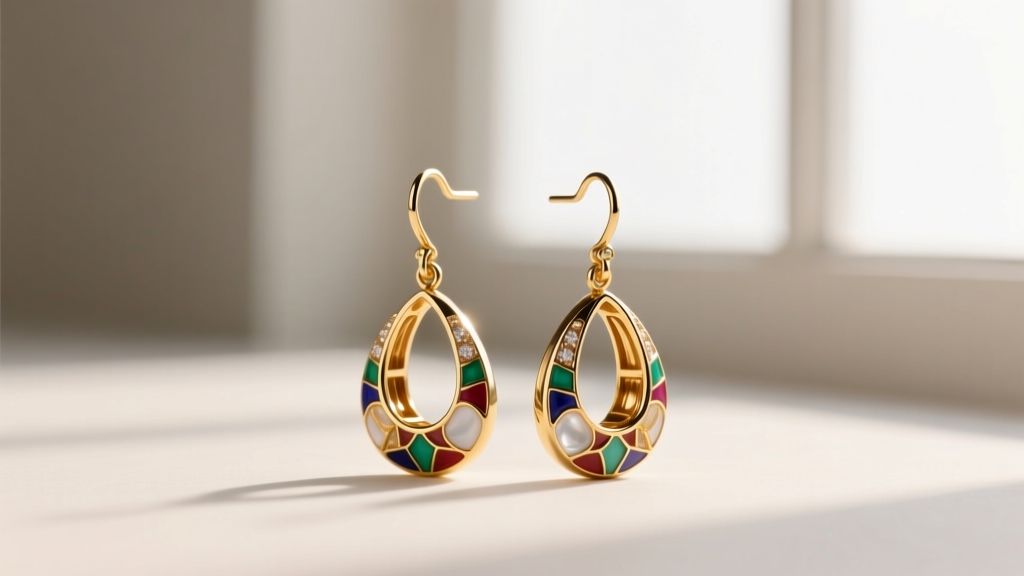
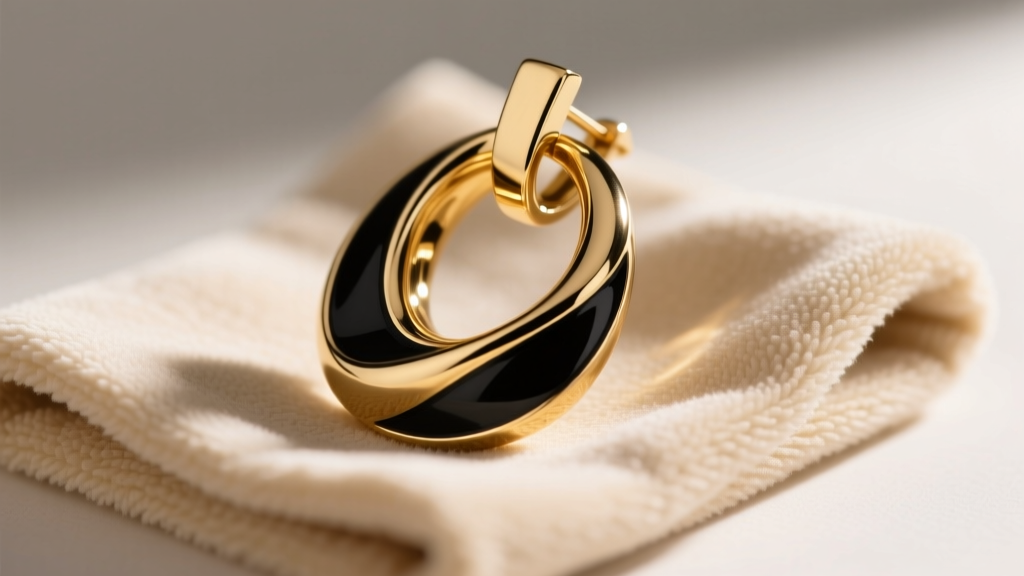
As we navigate the luxury resale landscape in 2026, archival and contemporary Bottega Veneta drop earrings have solidified their status as highly coveted collector's items. Known for their chunky, sculptural silhouettes, vibrant epoxy enamels, and polished metalwork, these pieces are less like traditional fine jewelry and more like wearable art. However, the very materials that give Bottega drop earrings their striking, avant-garde appeal also make them uniquely vulnerable to improper care. Unlike solid 18k gold or platinum fine jewelry, luxury fashion earrings rely on complex material layering—typically a brass base, precious metal plating, and delicate surface applications like resin or glass-based enamel. Understanding the exact chemical and physical properties of these materials is the first step in preserving their structural integrity and high-gloss finish.
Deconstructing the Anatomy of Bottega Drop Earrings
To clean your earrings effectively, you must first identify the specific material composition of your pair. Bottega Veneta typically utilizes the following core materials in their drop and dangle silhouettes:
- Base Metal: Usually jewelry-grade brass. Brass is chosen for its excellent weight-to-volume ratio, allowing for large, chunky drops that remain comfortable on the earlobe without excessive sagging.
- Plating: A micron-layer of gold-tone or silver-tone (often palladium or rhodium) plating over the brass. This layer is incredibly thin and can be stripped away by abrasive or highly alkaline cleaners.
- Surface Accents: Cold-cast resin, acrylic, or kiln-fired epoxy enamel. The enamel is essentially powdered glass fused to the metal, making it hard but brittle. Resin is softer, porous, and highly susceptible to chemical clouding.
- Posts and Clutches: Most Bottega drops feature 18-gauge or 20-gauge stainless steel or brass posts with heavy, custom-cast butterfly friction backs designed to support the earring's substantial weight.
Step-by-Step Cleaning Protocols by Material
According to conservation guidelines outlined by the Jewelers of America, mixed-material jewelry requires a segmented approach to cleaning. You cannot submerge a mixed-material Bottega drop earring in a universal cleaning solution without risking catastrophic damage to the resin or enamel seals.
Protocol 1: Gold-Tone and Silver-Tone Brass Surfaces
For the exposed metal portions of your drop earrings, avoid commercial liquid dips entirely. Instead, create a mild, pH-neutral surfactant solution. Mix two drops of a gentle, lotion-free dish soap (such as original blue Dawn) into a bowl of distilled water. Distilled water is critical here; tap water contains trace minerals and chlorine that can leave microscopic hard-water spots on high-polish metal. Dip a soft-bristled baby toothbrush into the solution, tap off the excess moisture, and gently agitate the metal surfaces. Never soak the earrings. Water can seep into the microscopic gaps where the metal post meets the drop body, degrading the jeweler's epoxy adhesive over time. Dry immediately with a lint-free microfiber cloth, using compressed air to blow moisture out of tight crevices.
Protocol 2: Epoxy Enamel and Cast Resin Drops
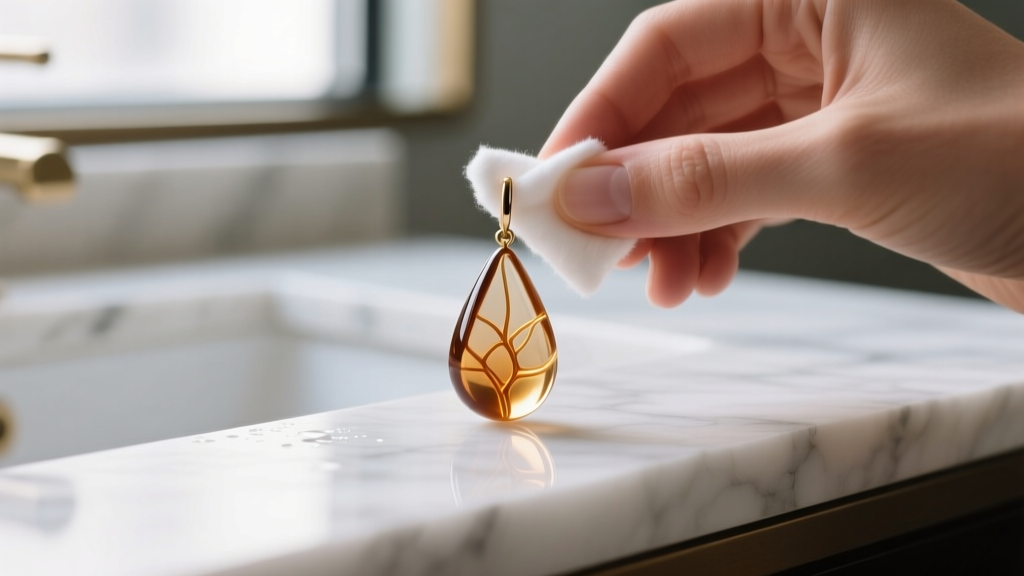
Enamel and resin require a strictly dry or barely-damp approach. Enamel, while glass-like, is sealed with a clear protective topcoat that can be degraded by alcohol-based cleaners. Resin is even more delicate; it is slightly porous and can absorb oils, perfumes, and harsh chemicals, leading to a permanent milky cloudiness. To clean these surfaces, use a dry, ultra-fine microfiber cloth to buff away skin oils and fingerprints. If there is stubborn debris, slightly dampen a cotton swab with distilled water and gently roll it over the affected area. Never apply pressure to the edges of the enamel, as micro-chipping is the most common failure mode for vintage Bottega enamel drops.
The 'Never-Use' List: Chemicals That Destroy Luxury Finishes
The Gemological Institute of America (GIA) frequently warns against using household cleaners on complex jewelry. Below is a definitive breakdown of common household products and the specific chemical reactions they trigger in Bottega Veneta materials.
| Household Chemical | Common Use | Destructive Reaction on Bottega Materials |
|---|---|---|
| Acetone / Nail Polish Remover | Removing polish/adhesive | Instantly melts cast resin and acrylic; strips the glossy topcoat off epoxy enamel, leaving a matte, permanently dull finish. |
| Ammonia (e.g., Windex) | Glass and surface cleaning | Highly alkaline; rapidly oxidizes and strips gold-tone and palladium plating down to the raw brass base. |
| Ultrasonic Cleaners | Deep jewelry cleaning | High-frequency vibrations shatter kiln-fired enamel and detach resin components bonded with jeweler's epoxy. |
| Abrasive Toothpaste | DIY metal polishing | Contains silica micro-abrasives that leave permanent micro-scratches on high-polish brass and cloud transparent resin. |
| Rubbing Alcohol (Isopropyl) | Sanitization | Degrades the chemical sealants used on colored enamels over time; causes acrylic components to develop stress fractures. |
Proper Storage to Prevent Enamel Chipping and Tarnish
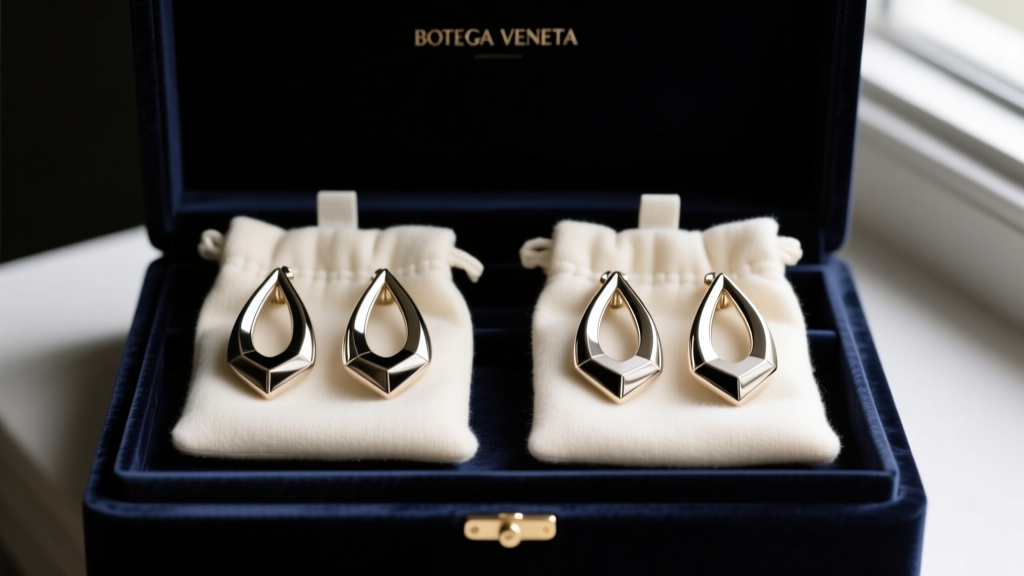
Storage is where most luxury fashion jewelry meets its demise. Bottega drop earrings are heavy and sculptural; if tossed into a communal jewelry box, the metal edges will inevitably strike the enamel or resin of neighboring pieces, causing irreversible chips and gouges. Always store your drop earrings in the individual soft flannel pouches provided by the brand. If you have lost the original pouches, wrap each earring individually in acid-free tissue paper before placing them in a lined jewelry box.
Furthermore, because the base metal is brass, it is highly susceptible to tarnishing when exposed to ambient humidity and sulfur in the air. Place a 3M anti-tarnish strip inside your jewelry drawer or box. These strips absorb corrosive gases and will extend the life of your gold and silver plating by years, reducing the frequency with which you need to physically polish the metal.
Troubleshooting Common Wear and Tear Issues
"The longevity of mixed-media fashion jewelry relies entirely on the owner's ability to mitigate galvanic corrosion and adhesive degradation through proactive, gentle maintenance." — Archival Jewelry Conservation Principles
Issue 1: Cloudy or Dull Resin Components
If your resin drop earrings have lost their high-gloss shine due to exposure to skin acids or hair products, do not use chemical polishes. Instead, apply a microscopic drop of food-grade mineral oil to a microfiber cloth and gently buff the resin. The oil will temporarily fill in microscopic surface abrasions and restore the optical clarity and depth of the color. Wipe away any excess oil immediately.
Issue 2: The 'Green Ear' Phenomenon
If the brass base of your earrings is exposed to moisture and the natural acidity of your skin, it can oxidize and leave a green or black mark on your earlobe. This is a harmless chemical reaction, but highly undesirable. To prevent this, wipe the earring posts with a dry cloth immediately after wearing. If you have highly acidic skin, you can apply a single, paper-thin coat of clear, hypoallergenic nail polish to the earring post (avoiding the drop body) to create a physical barrier between the metal and your skin.
Issue 3: Sebum Accumulation in Heavy Butterfly Backs
Bottega's heavy-duty clutch backs are designed to hold substantial weight, but their tight tolerances trap dead skin cells, sebum, and hair products. This buildup can cause the post to stick or the clutch to lose its grip. To clean the clutch back, use a wooden toothpick or a soft interdental brush to gently dislodge debris from the inner tube. You can safely soak the metal clutch backs (if removed from the earring) in a 50/50 mix of warm water and mild soap for five minutes, then dry thoroughly. Never use superglue (cyanoacrylate) to fix a loose post on a resin or enamel earring; the fumes emitted during the curing process will permanently cloud the resin and leave a white, frosty haze on the enamel.
Summary Maintenance Checklist
To ensure your Bottega Veneta drop earrings remain in pristine, archival condition, adhere to this quick-reference maintenance schedule:
- After Every Wear: Wipe down metal and resin/enamel surfaces with a dry microfiber cloth to remove skin oils, perfume, and sweat.
- Monthly: Inspect the butterfly backs for debris and clean with a wooden toothpick. Check the post base for any signs of adhesive lifting.
- Bi-Annually: Perform a gentle, damp-clean on the metal plating using distilled water and pH-neutral soap, avoiding all surface accents.
- Annually: Replace the anti-tarnish strips in your jewelry storage box and inspect the enamel edges under a magnifying glass for micro-fractures.
By treating your Bottega drop earrings with the same meticulous care as high horology or fine gemstone jewelry, you preserve not just their aesthetic brilliance, but their enduring value in the luxury market.


